Power Off Brakes - Fail-Safe Industrial Braking Solutions for Maximum Safety and Efficiency

All Categories

power off brakes

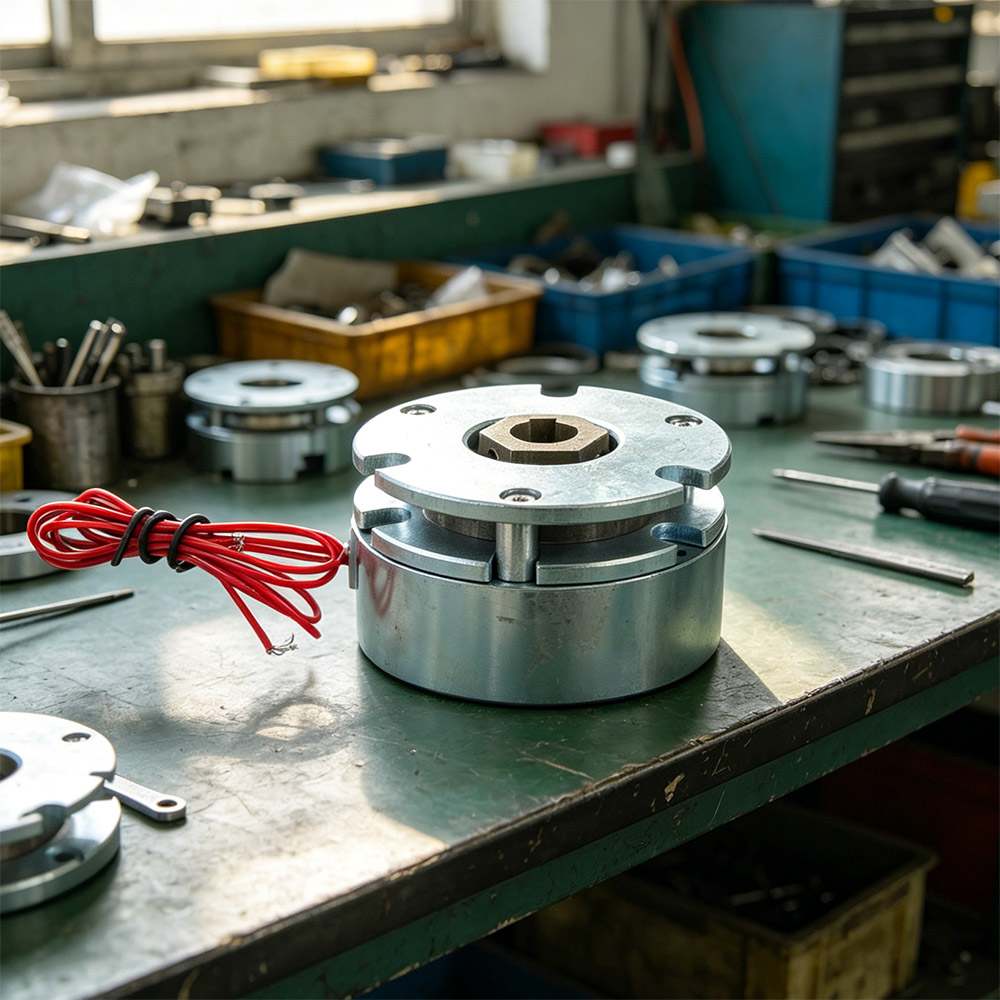
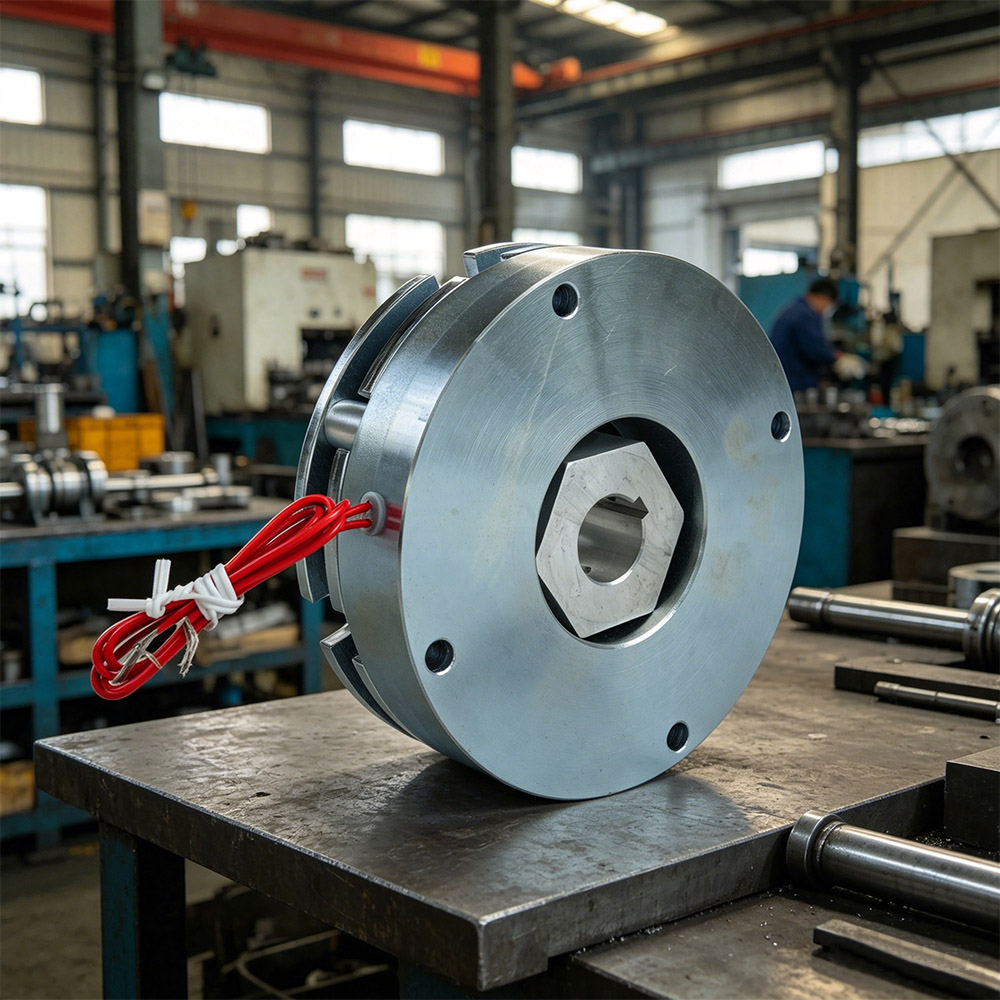
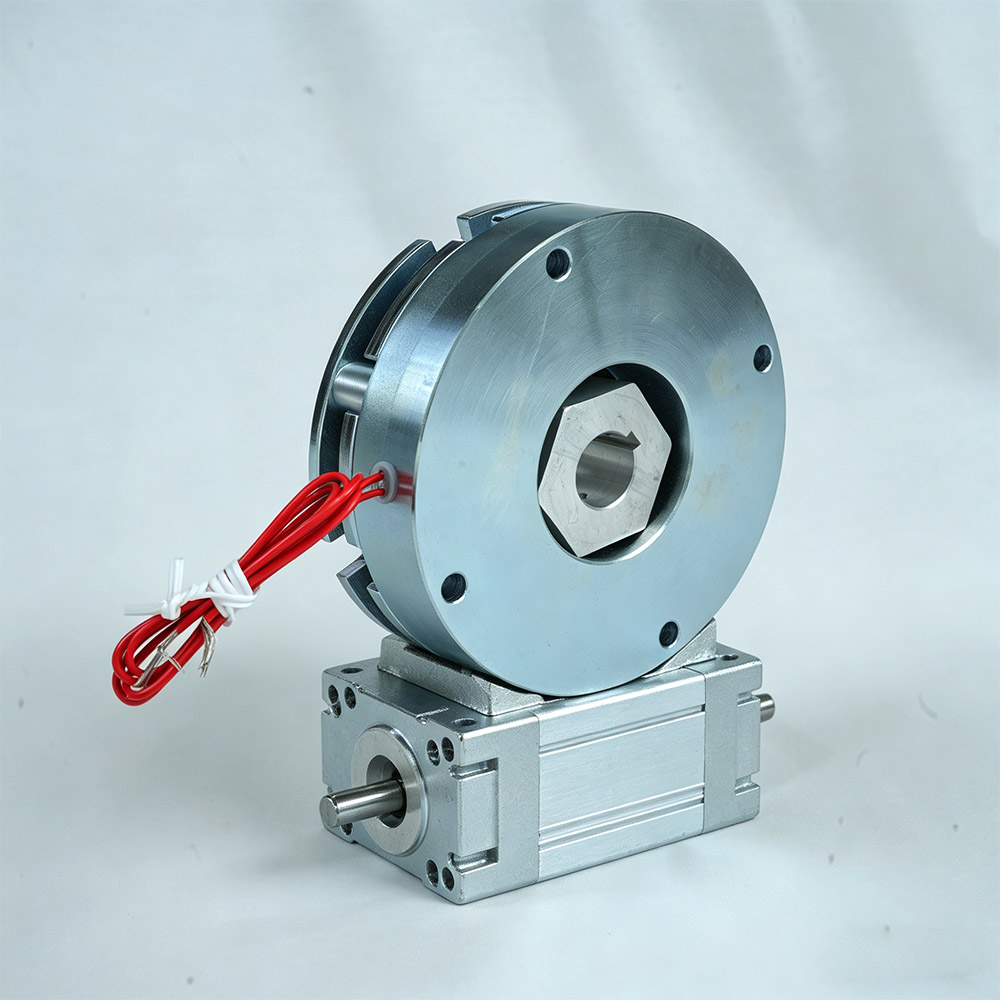
Power off brakes represent a critical safety component in modern industrial machinery and automation systems, designed to engage automatically when electrical power is removed or interrupted. These sophisticated braking mechanisms operate on a fail-safe principle, ensuring that equipment comes to an immediate and controlled stop during power failures, emergency situations, or planned shutdowns. The fundamental design incorporates spring-loaded mechanisms that apply braking force through compression springs, which remain constantly tensioned when the system is de-energized. When electrical current flows through the brake coil, it generates an electromagnetic field that compresses the springs and releases the braking surfaces, allowing free rotation of the connected shaft or mechanism. This reverse-action functionality distinguishes power off brakes from conventional braking systems, making them indispensable for applications where safety cannot be compromised. The technology finds extensive use across diverse sectors including material handling equipment, robotics, packaging machinery, medical devices, elevator systems, and industrial automation platforms. Manufacturing facilities rely on these devices to protect workers and equipment by preventing uncontrolled motion during unexpected power disruptions. The construction typically features hardened friction surfaces, precision-machined components, and durable spring assemblies capable of withstanding millions of operating cycles. Modern power off brakes incorporate advanced materials such as composite friction pads that deliver consistent performance across varying temperatures and environmental conditions. The compact design allows integration into space-constrained applications while maintaining robust holding torque capabilities. Installation flexibility accommodates both horizontal and vertical mounting orientations, with various flange configurations and shaft coupling options available to match specific equipment requirements. Response times are exceptionally fast, typically engaging within milliseconds of power interruption to minimize coasting distance and enhance operational safety throughout industrial environments.

New Product Recommendations

Choosing power off brakes delivers substantial practical benefits that directly impact operational efficiency, workplace safety, and long-term cost management. The primary advantage centers on inherent safety assurance, as these brakes automatically engage whenever electrical power becomes unavailable, eliminating risks associated with uncontrolled equipment motion during electrical failures or emergency shutdowns. This fail-safe characteristic provides peace of mind for facility managers and operators, knowing that machinery will stop reliably regardless of control system malfunctions or power grid interruptions. Maintenance requirements remain minimal compared to hydraulic or pneumatic alternatives, as power off brakes contain fewer moving parts and require no external pressure sources, fluid reservoirs, or complex control valves. This simplicity translates to reduced maintenance schedules, lower spare parts inventory costs, and decreased downtime for servicing activities. Energy efficiency represents another compelling advantage, since these brakes consume electrical power only during release operation while equipment runs, remaining engaged through mechanical spring force without continuous energy input when machines stop. This operational characteristic significantly reduces overall energy consumption compared to continuously energized braking systems, contributing to lower utility expenses and supporting corporate sustainability initiatives. Installation processes are straightforward, typically requiring only electrical connections and mechanical mounting, without complicated hydraulic lines or pneumatic tubing that increase installation time and potential leak points. The durability of spring mechanisms and friction materials ensures extended service life, often exceeding several years of continuous industrial operation before component replacement becomes necessary. Versatility allows these brakes to function effectively across wide temperature ranges and harsh environmental conditions, including dusty workshops, humid processing facilities, and outdoor installations exposed to weather elements. Precise holding torque specifications enable accurate matching to application requirements, preventing both insufficient braking force and excessive mechanical stress on connected equipment. Quick engagement times protect valuable machinery from damage during emergency stops, while smooth release characteristics prevent jerky starts that could disrupt production processes or damage transported materials. The reliability of power off brakes reduces unplanned downtime incidents, supporting consistent production schedules and delivery commitments. Cost-effectiveness becomes evident through combination of reasonable initial purchase prices, minimal maintenance expenses, energy savings, and extended operational lifespan that collectively deliver superior return on investment compared to alternative braking technologies.

Latest News

Transmission Pain Points in Printing/Textile/Chemical Machinery: How Electromagnetic Clutches Improve Equipment Stability?

08

Dec

Transmission Pain Points in Printing/Textile/Chemical Machinery: How Electromagnetic Clutches Improve Equipment Stability?

Struggling with transmission instability in printing, textile, or chemical machinery? TJ-A electromagnetic clutches eliminate slip, boost throughput 15–20%, and ensure asbestos-free safety. Discover how top global manufacturers achieve 99.8% reliability—request a spec sheet today.
View More
High-Quality Web Guide Control Systems From a Leading Domestic Manufacturer With 20 Years of Expertise

08

Dec

High-Quality Web Guide Control Systems From a Leading Domestic Manufacturer With 20 Years of Expertise

Discover high-precision web guide control systems from a trusted domestic manufacturer with 20 years of R&D expertise. Reduce waste, boost efficiency, and ensure reliability. Request a quote today.
View More
The Pain of Non-Standard Transmission in Special Working Conditions

09

Apr

The Pain of Non-Standard Transmission in Special Working Conditions

Struggling with standard transmission failures in extreme temps, dust, or tight spaces? TianJi’s 20-year R&D delivers reliable custom clutches & brakes—engineered for your exact specs. Get a free technical consultation today.
View More

Get Your Custom Quote

Tell us your requirements and get a tailored solution for your project.
Name
Mobile
Email
Please include
Message
0/1000

power off brakes

Fail-Safe Protection That Never Compromises Safety

Fail-Safe Protection That Never Compromises Safety

The most critical distinguishing feature of power off brakes is their inherent fail-safe design philosophy that fundamentally prioritizes worker safety and equipment protection above all other considerations. Unlike conventional braking systems that require active electrical input to engage stopping force, power off brakes utilize a reverse-action mechanism where powerful compression springs maintain constant braking pressure whenever electrical power is absent. This engineering approach creates an automatic safety net that activates instantaneously during any power interruption, whether caused by electrical failures, tripped circuit breakers, emergency stop button activation, or deliberate system shutdowns. The spring assemblies are precision-calibrated to deliver consistent clamping force across the entire service life, manufactured from high-grade steel alloys that resist fatigue and maintain tension characteristics even after millions of compression cycles. When operators need equipment to run, applying electrical current to the electromagnetic coil generates sufficient magnetic force to overcome spring tension, retracting the brake shoes or pads and permitting free rotation. The moment power ceases flowing, regardless of cause, the electromagnetic field collapses immediately and spring force reasserts itself, bringing connected machinery to a rapid controlled stop. This instantaneous response occurs faster than any electronic controller could process sensor inputs and execute braking commands, providing protection measured in milliseconds rather than seconds. Industrial environments benefit tremendously from this reliability, particularly in applications involving elevated loads, high-speed conveyors, or personnel working near moving equipment. The mechanical nature of the safety mechanism means it functions independently of control system programming, sensor accuracy, or network communication reliability, eliminating single points of failure that plague electronically-dependent safety systems. Maintenance personnel appreciate the simplicity of inspection procedures, as visual examination of friction material thickness and spring condition provides clear indicators of remaining service life without complex diagnostic equipment. The fail-safe principle extends beyond emergency situations to planned maintenance activities, automatically securing equipment when technicians disconnect power sources before servicing machinery, preventing accidental startups that have historically caused numerous workplace injuries. This fundamental safety advantage makes power off brakes the preferred choice for equipment manufacturers seeking regulatory compliance with international safety standards and companies committed to maintaining exemplary workplace safety records.
Maintenance Simplicity That Reduces Operating Costs

Maintenance Simplicity That Reduces Operating Costs

Power off brakes deliver exceptional value through remarkably simple maintenance requirements that significantly reduce total ownership costs compared to hydraulic, pneumatic, or electronically-actuated braking alternatives. The elegance of mechanical spring-based operation eliminates numerous components that typically require regular attention in more complex braking systems, including hydraulic pumps, fluid reservoirs, pressure regulators, control valves, air compressors, pneumatic cylinders, and electronic servo controllers. This streamlined design means fewer parts that can wear out, malfunction, or require periodic replacement, directly translating to reduced spare parts inventory investments and lower procurement costs throughout the equipment lifecycle. Maintenance procedures primarily involve periodic visual inspection of friction material thickness and verification that spring tension remains within specification, tasks that maintenance technicians can complete quickly without specialized training or expensive diagnostic tools. The friction materials themselves are engineered for longevity, utilizing advanced composite formulations that resist wear even under demanding industrial duty cycles involving frequent start-stop operations and high thermal loads. Many installations operate continuously for multiple years before friction pad replacement becomes necessary, and when that time arrives, the replacement process typically requires only basic hand tools and minimal downtime. Unlike hydraulic systems that demand regular fluid changes, seal replacements, and leak inspections, or pneumatic systems requiring filter maintenance and moisture drain procedures, power off brakes operate as sealed units requiring no fluid management or contamination prevention measures. The absence of hydraulic lines or pneumatic tubing eliminates potential leak sources that could contaminate production environments, damage products, or create slip hazards in work areas. Environmental resilience further reduces maintenance burden, as quality power off brakes incorporate sealed bearings and protective coatings that withstand exposure to dust, moisture, temperature extremes, and chemical atmospheres common in industrial settings without performance degradation. The electromagnetic coils are designed for thermal stability, maintaining consistent magnetic force generation across wide temperature ranges without requiring active cooling systems or thermal management accessories. Spring materials undergo specialized heat treatment processes that ensure retention of mechanical properties throughout extended service periods, resisting the stress relaxation that would gradually reduce braking force in inferior designs. Predictable wear patterns allow maintenance planning based on operating hours or cycle counts rather than reactive responses to unexpected failures, supporting proactive maintenance strategies that optimize resource allocation. The financial advantages compound over time as facilities avoid costs associated with hydraulic fluid disposal, pneumatic system energy consumption, complex control system troubleshooting, and specialized technician training required for sophisticated electronic braking systems.
Energy Efficiency That Supports Sustainability Goals

Energy Efficiency That Supports Sustainability Goals

Modern industrial operations increasingly prioritize energy conservation and environmental sustainability, making the inherent energy efficiency of power off brakes a compelling advantage that aligns with both economic objectives and corporate responsibility initiatives. The fundamental operating principle creates a unique energy consumption profile where electrical power is required only during brake release while equipment operates, with zero energy input needed to maintain braking force during idle periods, stopped conditions, or overnight shutdowns. This stands in stark contrast to electromagnetic holding brakes that consume continuous current to maintain released position, or hydraulic systems that run pumps constantly to maintain pressure, both of which represent ongoing parasitic energy drains that accumulate substantial costs across facilities operating multiple machines. Consider a typical manufacturing environment with dozens of automated machines, each equipped with braking mechanisms that operate intermittently throughout production shifts. Traditional continuously-energized brakes would consume electrical power every moment machinery sits idle between production runs, during operator breaks, throughout lunch periods, and during extended weekends when facilities are closed. Power off brakes eliminate all this standby consumption, as their spring mechanisms maintain braking force through stored mechanical energy without requiring electrical input. The cumulative savings across an entire facility can reach thousands of kilowatt-hours annually, translating to meaningful reductions in utility expenses and decreased carbon footprint from power generation. The energy efficiency advantage extends beyond simple consumption metrics to encompass thermal management benefits, as lower electrical current flow generates less heat within brake assemblies and surrounding equipment enclosures. Reduced heat generation decreases demands on facility cooling systems, creating secondary energy savings while also extending service life of temperature-sensitive electronic components installed nearby. The electromagnetic coils in power off brakes are optimized for intermittent energization rather than continuous duty, allowing designers to utilize smaller wire gauges and more compact coil geometries that further minimize electrical resistance and heat production during active periods. Many installations combine power off brakes with variable frequency drives and energy-efficient motors, creating integrated motion control systems that maximize overall energy performance while maintaining safety and precision. Environmental benefits extend to reduced demand on electrical infrastructure, as lower aggregate consumption across industrial facilities decreases strain on power generation capacity and transmission systems, supporting grid stability and reducing need for additional power plant construction. Companies pursuing green building certifications, carbon neutrality commitments, or participation in voluntary sustainability programs find that specifying energy-efficient components like power off brakes contributes measurable progress toward environmental targets while simultaneously improving operational economics through reduced energy procurement costs.
email goToTop