electromagnetic disc brake
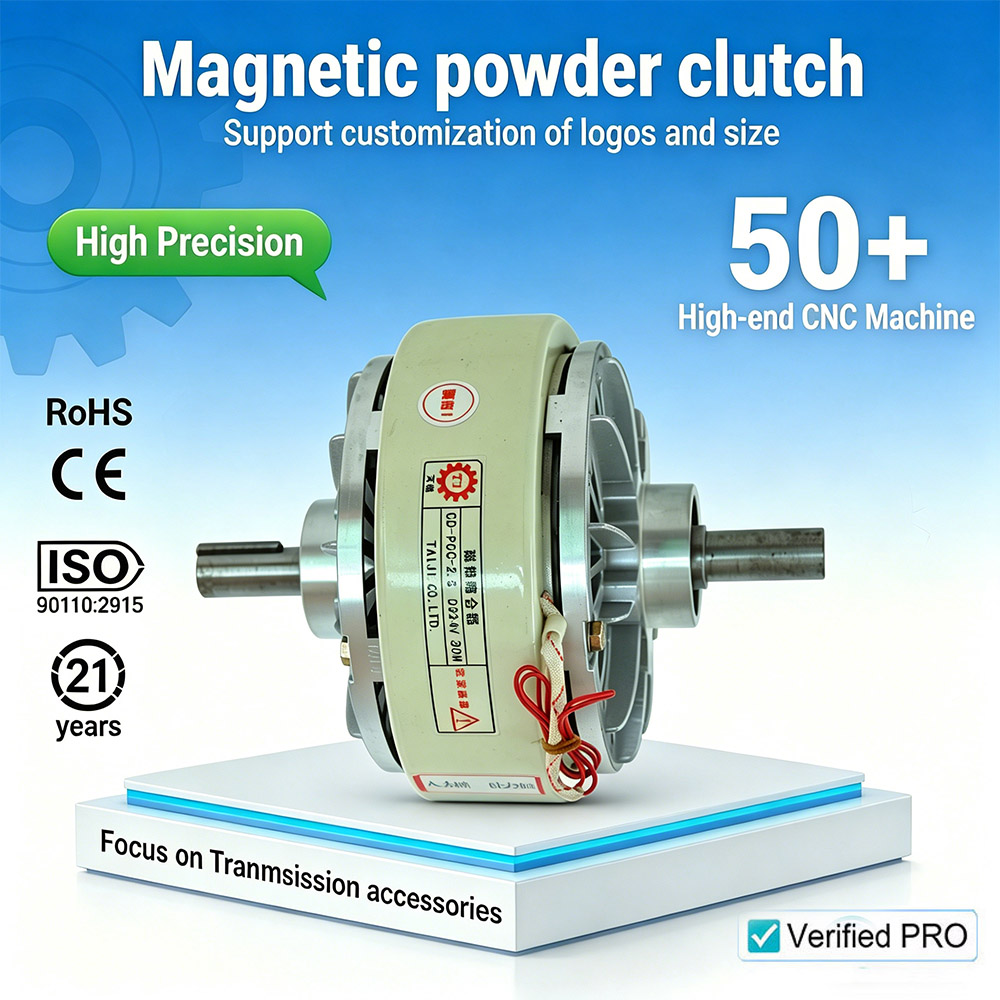
The electromagnetic disc brake represents a sophisticated braking solution that combines electrical control with mechanical stopping power to deliver precise, reliable performance across numerous industrial applications. This advanced braking system operates through the principle of electromagnetic attraction, where an electrical current energizes a coil to create a magnetic field that either engages or releases the braking mechanism. Unlike conventional hydraulic or pneumatic brake systems, the electromagnetic disc brake offers instantaneous response times and exceptional control accuracy. The primary function of this braking technology centers on converting electrical energy into mechanical braking force, allowing operators to achieve smooth deceleration and secure holding of rotating equipment. The system typically consists of several key components including an electromagnetic coil assembly, a friction disc made from high-performance materials, an armature plate that moves in response to the magnetic field, and a mounting structure designed for easy integration with various machinery. When electrical current flows through the electromagnetic coil, it generates a powerful magnetic field that pulls the armature plate against the friction disc, creating the necessary friction to slow or stop rotation. Once the current is interrupted, spring mechanisms quickly release the braking force, allowing free rotation to resume. This technology finds widespread application in diverse sectors such as manufacturing automation, material handling equipment, packaging machinery, elevator systems, wind turbines, medical devices, and robotics. The electromagnetic disc brake excels in environments requiring frequent start-stop cycles, precise positioning control, emergency stopping capability, and fail-safe operation. Its compact design enables installation in space-constrained applications while maintaining robust performance. Modern electromagnetic disc brake systems often incorporate advanced features such as adjustable braking torque, thermal protection circuits, wear compensation mechanisms, and compatibility with programmable logic controllers for seamless integration into automated production lines and intelligent manufacturing systems.

 EN
EN