Brake Electromagnetic Systems: Advanced Motion Control Solutions for Industrial Applications

All Categories

brake electromagnetic

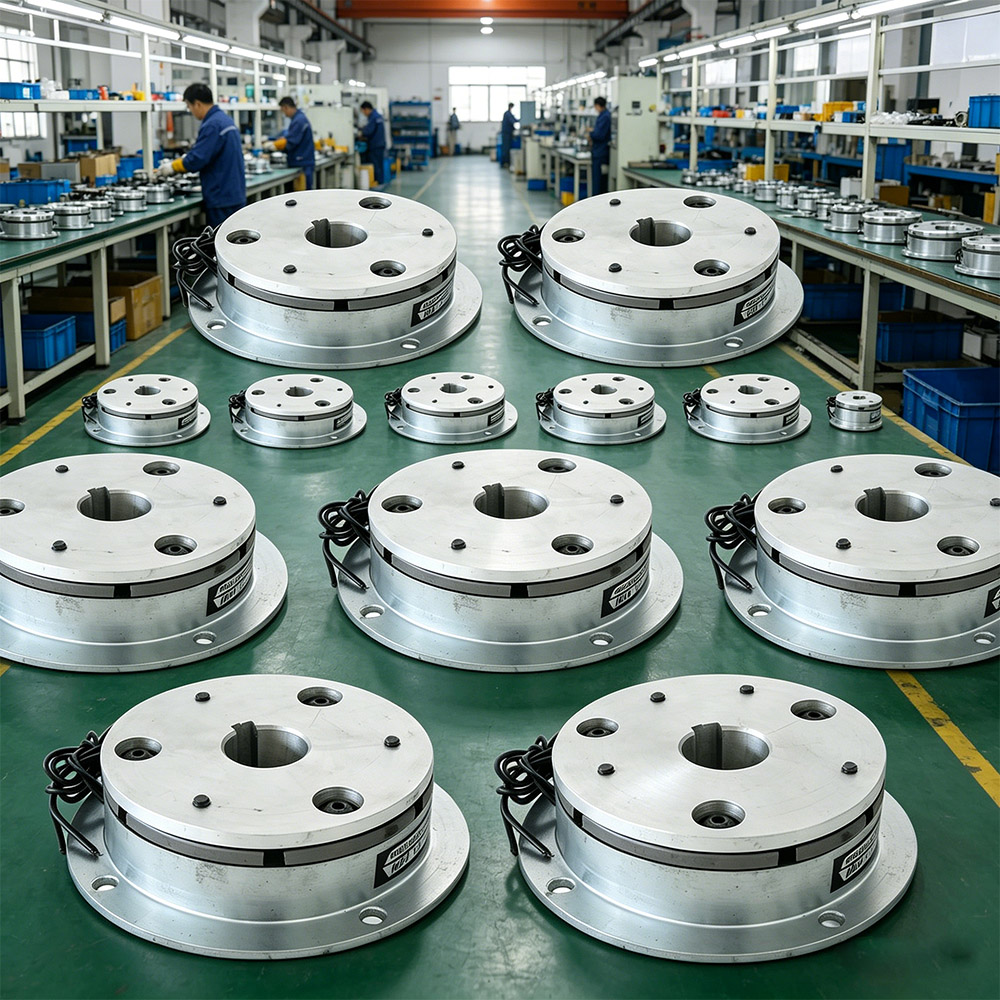
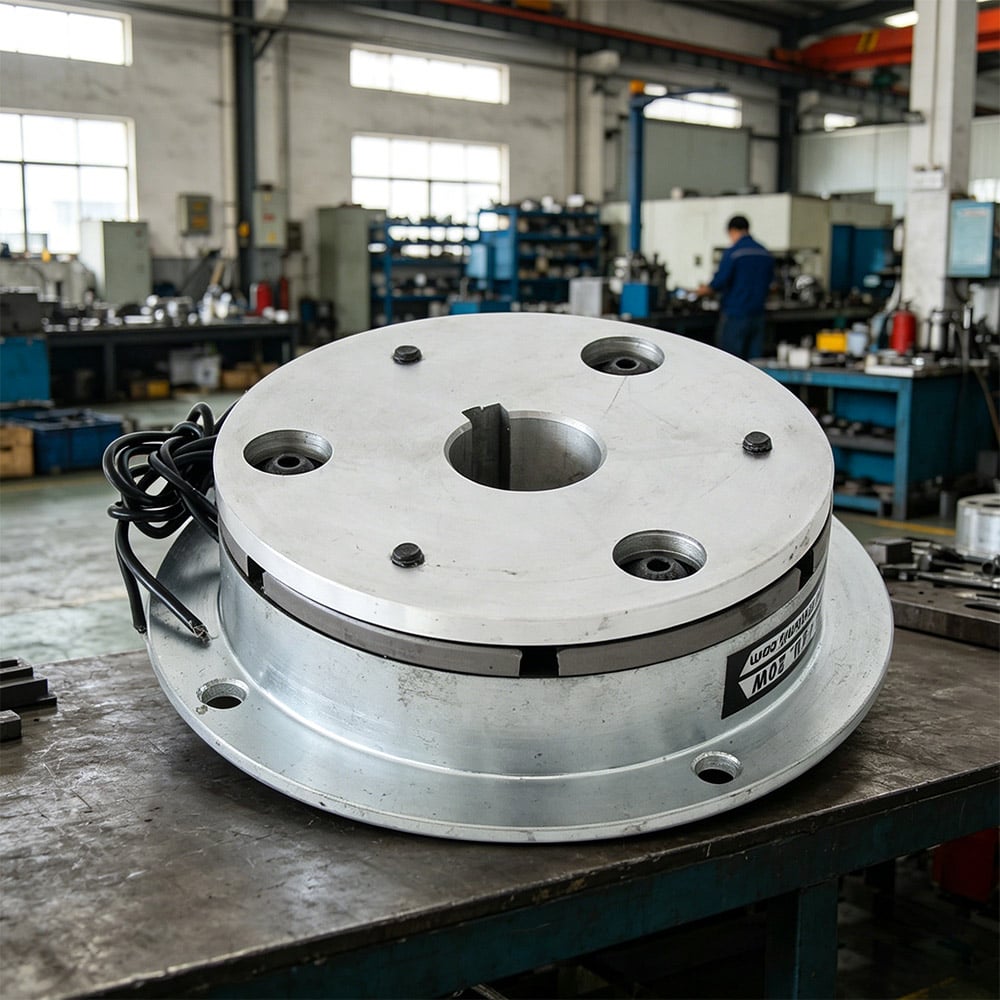
Brake electromagnetic systems represent a sophisticated technological solution for controlling motion and stopping power across diverse industrial and commercial applications. These advanced braking devices utilize electromagnetic force to create precise, controllable stopping action without relying on traditional friction-based components. The brake electromagnetic operates on fundamental electromagnetic principles, converting electrical energy into magnetic force that engages or disengages braking mechanisms with exceptional accuracy. At its core, the system consists of electromagnetic coils, armature plates, and friction surfaces that work in harmony to deliver reliable performance. When electrical current flows through the coil windings, it generates a powerful magnetic field that attracts the armature, either engaging or releasing the brake depending on the configuration. This technology offers superior control compared to conventional mechanical brakes, making it invaluable in automation, robotics, material handling equipment, and precision machinery. The main functions of brake electromagnetic systems include immediate stopping capability, precise speed regulation, holding loads in stationary positions, and providing fail-safe operation during power interruptions. Technological features distinguish these systems from traditional alternatives, including rapid response times measured in milliseconds, adjustable torque settings, minimal maintenance requirements, and compatibility with computerized control systems. The electromagnetic design eliminates many wearing parts found in hydraulic or pneumatic systems, resulting in longer service life and reduced operational costs. Applications span numerous industries, from manufacturing assembly lines where precise positioning is critical, to elevator systems requiring smooth deceleration, wind turbines needing emergency stopping capability, and packaging machinery demanding high-cycle reliability. The versatility of brake electromagnetic technology allows customization for specific voltage requirements, mounting configurations, and environmental conditions, making it adaptable to extreme temperatures, dusty environments, or clean room settings where contamination must be minimized.

New Product Recommendations

The brake electromagnetic delivers substantial practical benefits that directly impact operational efficiency and cost management for businesses across multiple sectors. First and foremost, these systems provide instantaneous response that mechanical alternatives simply cannot match, engaging or disengaging within fractions of a second to prevent accidents and protect valuable equipment. This rapid activation proves especially valuable in emergency situations where every millisecond counts toward preventing damage or injury. The precision control offered by electromagnetic braking allows operators to fine-tune stopping power according to specific load requirements, ensuring gentle deceleration for delicate materials while providing forceful stopping when handling heavy industrial components. Energy efficiency stands as another compelling advantage, as these systems consume power only during engagement or disengagement transitions, remaining in their set position without continuous energy draw. This characteristic translates directly into reduced electricity costs and smaller environmental footprints compared to continuously powered alternatives. Maintenance requirements decrease dramatically because electromagnetic designs contain fewer moving parts subject to wear, eliminating the frequent adjustments, fluid changes, and component replacements that plague hydraulic and pneumatic systems. This reduction in maintenance translates to less downtime, lower labor costs, and improved productivity as machines remain operational for longer periods between service intervals. The clean operation of brake electromagnetic units makes them ideal for food processing, pharmaceutical manufacturing, and electronics assembly where contamination from oils, fluids, or particulates would compromise product quality. Installation simplicity represents another practical benefit, as these compact units integrate seamlessly into existing machinery without requiring extensive modifications or specialized mounting hardware. The consistent performance across varying temperatures ensures reliable operation whether in refrigerated warehouses or hot foundry environments, eliminating performance degradation that affects other braking technologies. Safety features built into electromagnetic brake designs include fail-safe mechanisms that automatically engage during power failures, preventing uncontrolled movement of elevators, cranes, or conveyor systems. The adjustability of braking force through simple electrical controls enables operators to modify performance parameters without mechanical adjustments, allowing quick adaptation to changing production requirements. Noise reduction compared to mechanical clutches and brakes creates quieter work environments that improve employee comfort and comply with occupational health regulations. The longevity of properly specified electromagnetic brakes extends equipment service life, protecting capital investments and delaying expensive replacement cycles that strain operational budgets.

Practical Tips

Transmission Pain Points in Printing/Textile/Chemical Machinery: How Electromagnetic Clutches Improve Equipment Stability?

08

Dec

Transmission Pain Points in Printing/Textile/Chemical Machinery: How Electromagnetic Clutches Improve Equipment Stability?

Struggling with transmission instability in printing, textile, or chemical machinery? TJ-A electromagnetic clutches eliminate slip, boost throughput 15–20%, and ensure asbestos-free safety. Discover how top global manufacturers achieve 99.8% reliability—request a spec sheet today.
View More
High-Quality Web Guide Control Systems From a Leading Domestic Manufacturer With 20 Years of Expertise

08

Dec

High-Quality Web Guide Control Systems From a Leading Domestic Manufacturer With 20 Years of Expertise

Discover high-precision web guide control systems from a trusted domestic manufacturer with 20 years of R&D expertise. Reduce waste, boost efficiency, and ensure reliability. Request a quote today.
View More
The Pain of Non-Standard Transmission in Special Working Conditions

09

Apr

The Pain of Non-Standard Transmission in Special Working Conditions

Struggling with standard transmission failures in extreme temps, dust, or tight spaces? TianJi’s 20-year R&D delivers reliable custom clutches & brakes—engineered for your exact specs. Get a free technical consultation today.
View More

Get Your Custom Quote

Tell us your requirements and get a tailored solution for your project.
Name
Mobile
Email
Please include
Message
0/1000

brake electromagnetic

Superior Response Time and Precision Control

Superior Response Time and Precision Control

The exceptional response characteristics of brake electromagnetic systems fundamentally transform how industries approach motion control and safety protocols. Unlike mechanical braking systems that require physical movement of linkages, cables, or hydraulic fluids to transmit force, electromagnetic brakes activate through the speed of electrical current flow, achieving full engagement in as little as 10 to 50 milliseconds depending on the specific model and application requirements. This lightning-fast response becomes critical in automated manufacturing environments where robotic arms must stop precisely at programmed positions thousands of times daily, with positioning accuracy measured in fractions of a millimeter. The electromagnetic principle enables this precision because the magnetic force generated is proportional to the electrical current supplied, creating a directly controllable relationship between input signal and braking torque output. Engineers can program sophisticated control algorithms that ramp braking force gradually for smooth deceleration or apply maximum stopping power instantly during emergency conditions, all through simple adjustments to the electrical control signals. This level of control granularity proves impossible with purely mechanical systems where spring tensions, hydraulic pressures, or pneumatic forces provide less precise modulation. In printing presses, the rapid engagement capability prevents registration errors when changing speeds or stopping between production runs, ensuring consistent quality and reducing waste from misaligned impressions. Material handling systems benefit enormously from this precision, as conveyor belts can start and stop smoothly without jarring loads, preventing damage to fragile products while maintaining high throughput rates. The repeatability of electromagnetic brake performance ensures that the stopping force applied remains consistent across millions of cycles, eliminating the gradual drift in performance that occurs as mechanical components wear and require periodic adjustment. Testing and quality control procedures verify that each brake electromagnetic unit delivers specified torque within tight tolerances, providing engineers with reliable performance data for safety calculations and system design. The integration with modern programmable logic controllers and industrial networks allows real-time monitoring of brake status, enabling predictive maintenance strategies that identify potential issues before they cause unexpected failures.
Exceptional Durability and Minimal Maintenance Requirements

Exceptional Durability and Minimal Maintenance Requirements

The robust construction and intelligent design of brake electromagnetic systems deliver remarkable longevity that significantly reduces total cost of ownership throughout equipment lifecycles. Traditional friction-based braking systems gradually wear brake pads, shoes, or bands through repeated contact, requiring scheduled replacements that interrupt production and consume maintenance budgets. Electromagnetic brakes minimize this wear through several engineering innovations that extend service intervals from months to years in typical industrial applications. The electromagnetic coil that generates stopping force contains no moving parts itself, consisting of carefully wound copper wire encapsulated in protective resin compounds that resist moisture, chemicals, and thermal stress. This static component can operate for decades without degradation when properly protected from environmental extremes. The friction surfaces that actually create stopping torque experience significantly less wear because the electromagnetic force distributes pressure evenly across the entire contact area, preventing the localized hot spots and uneven wear patterns common in mechanically actuated systems. Spring mechanisms that provide fail-safe engagement during power loss utilize corrosion-resistant materials and receive permanent lubrication during manufacturing, eliminating the need for periodic greasing that complicates maintenance schedules. The sealed housing designs employed in quality electromagnetic brakes protect internal components from dust, moisture, and contaminants that accelerate deterioration in exposed mechanical assemblies. Manufacturers specify friction materials specifically formulated for electromagnetic brake applications, using advanced composites that maintain consistent friction coefficients across wide temperature ranges while resisting glazing, cracking, and accelerated wear. The absence of hydraulic fluids eliminates leakage concerns that plague hydraulic brake systems, preventing environmental contamination, fire hazards from flammable fluids, and performance degradation from air contamination or moisture intrusion into hydraulic lines. Maintenance personnel appreciate the straightforward inspection procedures, as visual examination of friction surface condition and simple electrical resistance measurements of coil windings provide clear indicators of brake health without requiring specialized diagnostic equipment. When eventual service becomes necessary, modular designs allow technicians to replace friction discs or pads quickly using standard hand tools, minimizing downtime and avoiding the need for factory-trained specialists. The long-term cost advantages compound over years of operation, as reduced parts consumption, lower labor hours for maintenance, and decreased unplanned downtime combine to deliver return on investment that often exceeds initial purchase price differences within the first few years of service.
Versatile Application Compatibility and Integration Flexibility

Versatile Application Compatibility and Integration Flexibility

The adaptable nature of brake electromagnetic technology enables seamless integration across an extraordinarily diverse range of equipment types, industrial sectors, and operating environments that would challenge or exclude alternative braking solutions. Design engineers appreciate the compact form factors available, with electromagnetic brake units configured as flange-mounted assemblies, shaft-mounted devices, or custom integrated components that fit within tight spatial constraints impossible for bulkier hydraulic or pneumatic systems. Voltage compatibility spans standard industrial power supplies from 24 VDC control voltages common in automation systems to 230 VAC single-phase and 480 VAC three-phase configurations for larger industrial installations, allowing specification of appropriate models without requiring special power conversion equipment. Torque ratings scale from fractional newton-meters for precision laboratory instruments to thousands of newton-meters for heavy industrial machinery, providing suitable options whether controlling delicate medical devices or massive mining equipment. Environmental adaptability extends operational capability into challenging conditions including extreme temperatures from minus 40 degrees Celsius in arctic installations to plus 200 degrees Celsius in furnace proximity applications, corrosive atmospheres in chemical processing plants, explosive environments in oil and gas facilities where specially certified explosion-proof housings contain any potential ignition sources, and high-vibration settings on mobile equipment where robust construction withstands constant mechanical stress. The electrical control interface compatibility with modern automation systems represents a crucial advantage, as brake electromagnetic units accept inputs from programmable logic controllers, motion controllers, safety circuits, and emergency stop systems through standardized electrical connections that industrial electricians install routinely. Duty cycle flexibility accommodates both continuous holding applications where the brake remains engaged for extended periods and high-frequency cycling operations exceeding thousands of engagements per hour in packaging machinery and assembly automation. Mounting orientation options permit installation in vertical, horizontal, or inverted positions without performance degradation, unlike some hydraulic systems sensitive to fluid positioning. The technology adapts to both fail-safe engaged configurations where spring force applies the brake during power loss for elevator and hoist safety, and fail-safe disengaged designs where loss of control power releases the brake for specific process requirements. Customization capabilities allow manufacturers to tailor friction materials, coil voltages, mounting interfaces, and protective finishes to meet unique application demands, providing engineered solutions rather than forcing compromise with off-the-shelf limitations.
email goToTop