Electromagnetic Brake Clutch: Precision Control Solutions for Industrial Automation

All Categories

electromagnetic brake clutch

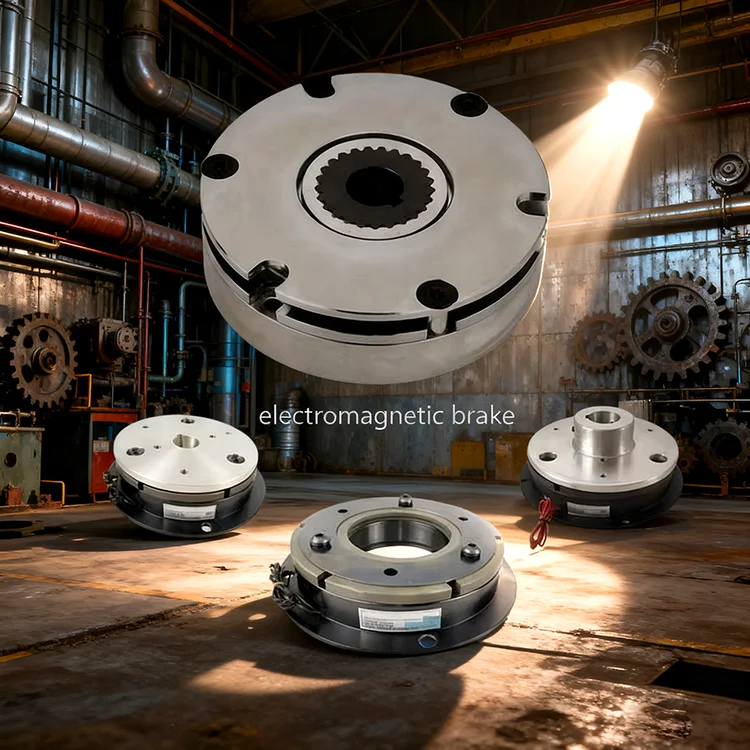
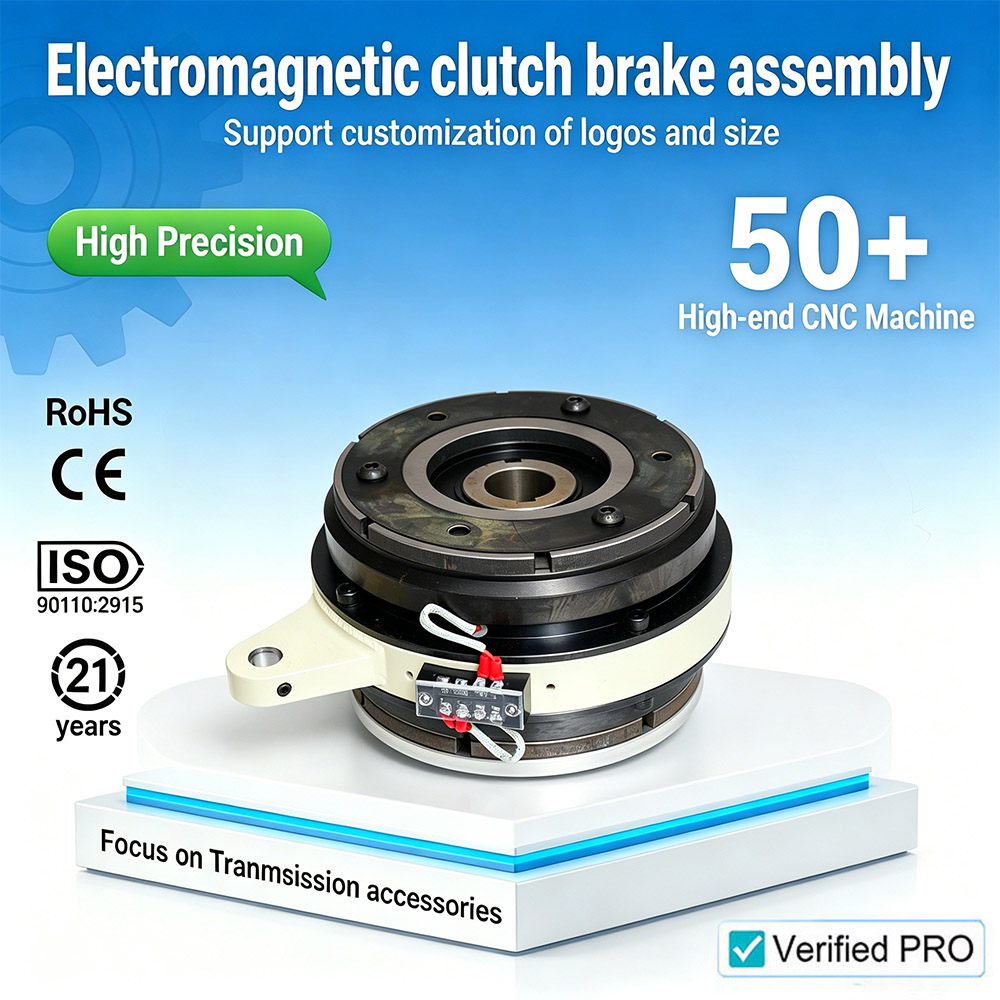
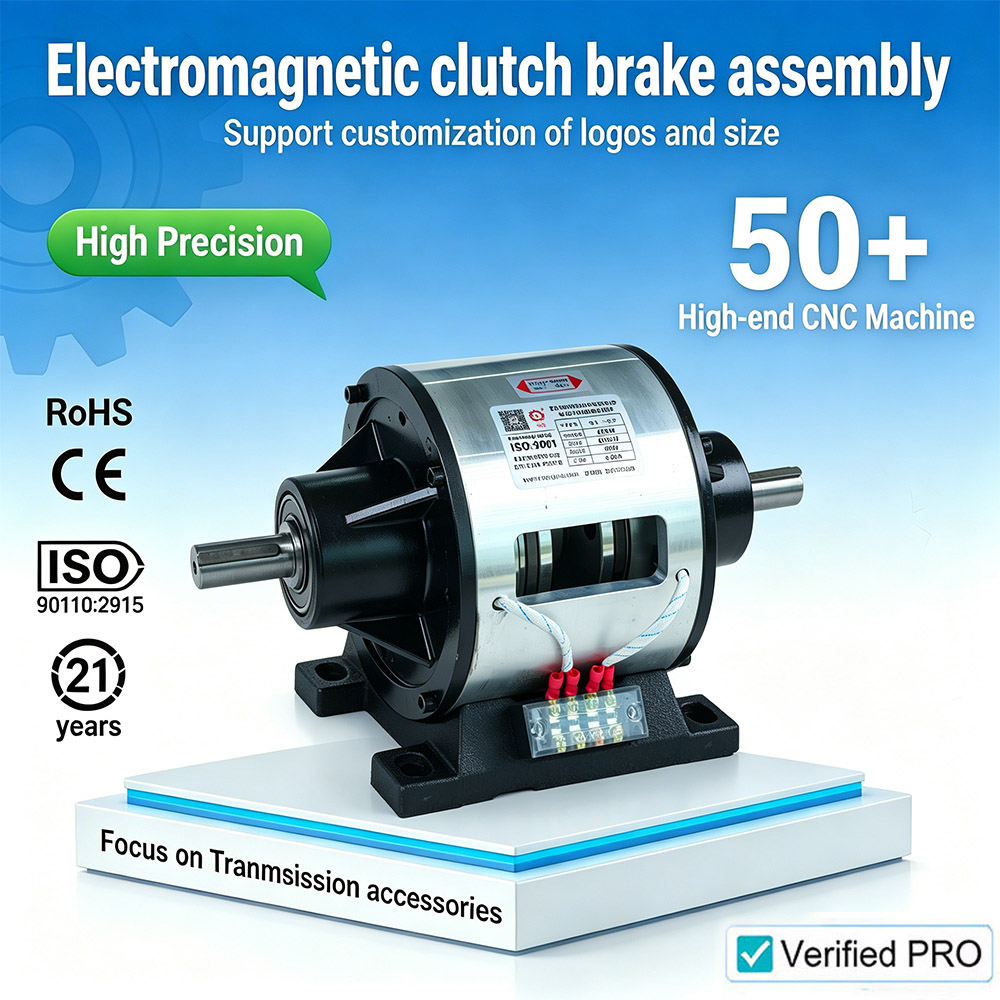
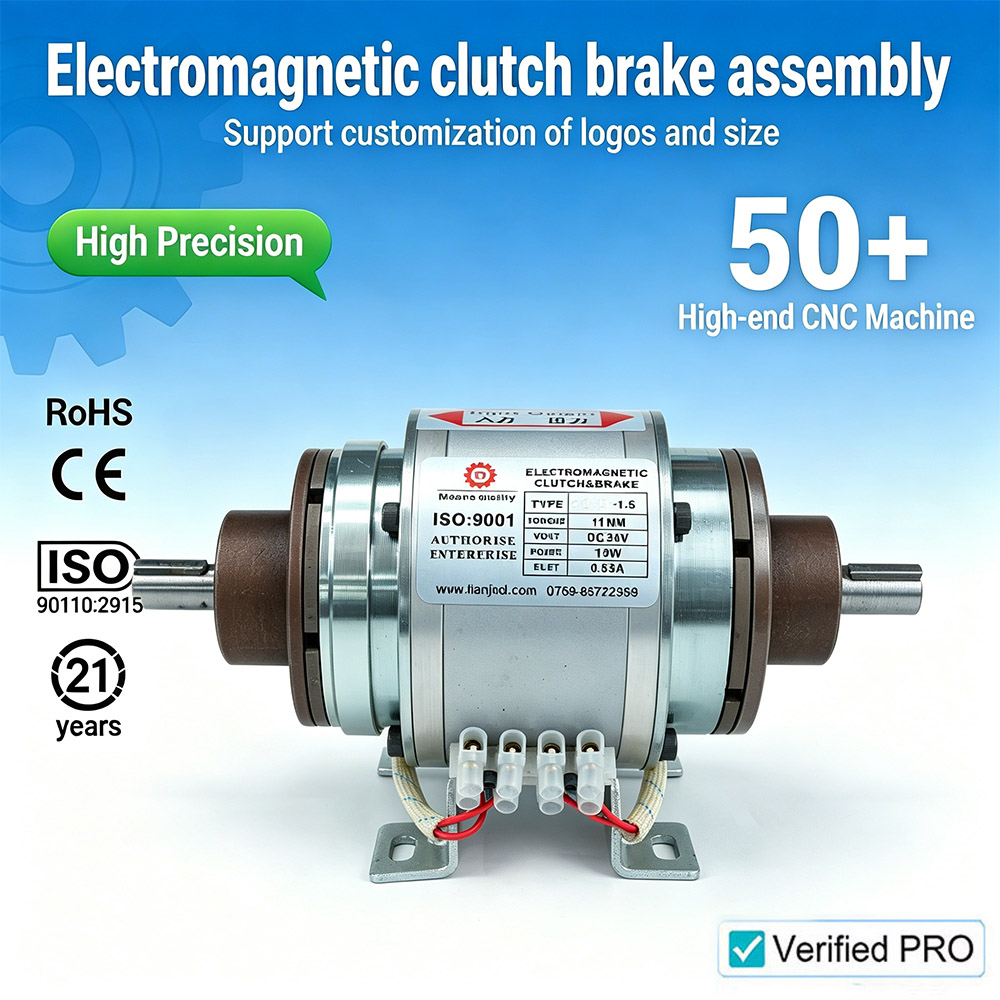
The electromagnetic brake clutch represents a sophisticated mechanical component that combines braking and clutching functions into one integrated unit. This innovative device utilizes electromagnetic force to control both engagement and disengagement of power transmission while simultaneously providing reliable stopping power when needed. At its core, the electromagnetic brake clutch operates through the principle of electromagnetic attraction, where an electrical current flowing through a coil creates a magnetic field that pulls together friction surfaces to transmit torque or hold a load in position. When the current is interrupted, spring mechanisms separate these surfaces, allowing free rotation or bringing the system to a controlled stop. The main functions of this component include precise torque transmission control, rapid engagement and disengagement cycles, and dependable holding capability during power-off conditions. Technological features that distinguish the electromagnetic brake clutch include its quick response time, typically measured in milliseconds, enabling split-second operational changes that enhance machine performance and safety. The design incorporates heat-resistant friction materials capable of withstanding repeated thermal cycles without degradation, ensuring long service life even under demanding conditions. Modern electromagnetic brake clutches feature advanced thermal management systems that dissipate heat efficiently, preventing performance loss during extended operation. The component finds extensive applications across numerous industries, from automated manufacturing equipment and packaging machinery to printing presses and material handling systems. In textile machinery, the electromagnetic brake clutch enables precise fabric tension control and rapid start-stop cycles essential for quality production. Robotics and CNC machines rely on these devices for accurate positioning and immediate response to control signals. The automotive sector employs electromagnetic brake clutches in specialized vehicles and testing equipment where programmable control is paramount. Food processing equipment benefits from the sanitary design options available, while medical devices utilize miniaturized versions for precise instrument control. The versatility of the electromagnetic brake clutch makes it indispensable in any application requiring reliable, electronically controlled power transmission with integrated braking capability.

New Product Recommendations

Choosing an electromagnetic brake clutch for your machinery delivers numerous practical benefits that directly impact your operational efficiency and bottom line. First and foremost, these devices provide exceptional control precision that manual or mechanical alternatives simply cannot match. You can activate or deactivate power transmission within milliseconds, allowing your equipment to respond instantly to changing production demands. This rapid response capability reduces cycle times, increases throughput, and ultimately boosts your productivity. The electronic control nature means you can integrate the electromagnetic brake clutch seamlessly with programmable logic controllers and automation systems, enabling sophisticated operational sequences without complex mechanical linkages. Energy efficiency stands as another significant advantage, as the device only consumes power during actuation, unlike continuously engaged mechanical systems that waste energy through constant friction. This reduced energy consumption translates directly into lower operating costs over the equipment lifespan. Maintenance requirements drop substantially compared to traditional clutch and brake systems because fewer moving parts mean less wear and tear. You will experience extended service intervals, reduced downtime for repairs, and lower spare parts inventory costs. The electromagnetic brake clutch operates smoothly without the jerky engagement characteristic of mechanical clutches, protecting your machinery from shock loads that can damage gears, bearings, and other drivetrain components. This smooth operation extends the life of your entire system while improving product quality by eliminating vibration-induced defects. Installation simplicity represents another practical benefit, as most electromagnetic brake clutches mount easily into existing equipment with minimal modifications. You avoid costly machine redesigns or lengthy installation procedures that interrupt production. The compact design saves valuable space in your machinery, allowing for more efficient equipment layouts or the addition of other features. Safety improvements come standard with electromagnetic brake clutches, as the fail-safe braking action activates automatically during power interruptions, preventing dangerous runaway conditions. Operators gain confidence knowing the equipment will stop reliably when commanded or if electrical problems occur. Temperature tolerance ensures consistent performance across varying environmental conditions, from cold storage facilities to hot manufacturing environments. You eliminate performance variations caused by temperature changes that affect hydraulic or pneumatic systems. Noise reduction is an often-overlooked advantage, as electromagnetic actuation operates quietly compared to mechanical engagement mechanisms, creating a more pleasant work environment and potentially reducing hearing protection requirements. The ability to program engagement and disengagement speeds gives you fine control over acceleration and deceleration profiles, optimizing product handling and reducing waste from damaged goods. Long-term reliability means you can depend on the electromagnetic brake clutch for years of trouble-free service, backed by proven technology used across global industries. The investment pays for itself through increased uptime, reduced maintenance expenses, and improved production quality that keeps your customers satisfied and your business competitive.

Latest News

Transmission Pain Points in Printing/Textile/Chemical Machinery: How Electromagnetic Clutches Improve Equipment Stability?

08

Dec

Transmission Pain Points in Printing/Textile/Chemical Machinery: How Electromagnetic Clutches Improve Equipment Stability?

Struggling with transmission instability in printing, textile, or chemical machinery? TJ-A electromagnetic clutches eliminate slip, boost throughput 15–20%, and ensure asbestos-free safety. Discover how top global manufacturers achieve 99.8% reliability—request a spec sheet today.
View More
High-Quality Web Guide Control Systems From a Leading Domestic Manufacturer With 20 Years of Expertise

08

Dec

High-Quality Web Guide Control Systems From a Leading Domestic Manufacturer With 20 Years of Expertise

Discover high-precision web guide control systems from a trusted domestic manufacturer with 20 years of R&D expertise. Reduce waste, boost efficiency, and ensure reliability. Request a quote today.
View More
The Pain of Non-Standard Transmission in Special Working Conditions

09

Apr

The Pain of Non-Standard Transmission in Special Working Conditions

Struggling with standard transmission failures in extreme temps, dust, or tight spaces? TianJi’s 20-year R&D delivers reliable custom clutches & brakes—engineered for your exact specs. Get a free technical consultation today.
View More

Get Your Custom Quote

Tell us your requirements and get a tailored solution for your project.
Name
Mobile
Email
Please include
Message
0/1000

electromagnetic brake clutch

Instantaneous Response Time for Maximum Productivity

Instantaneous Response Time for Maximum Productivity

The instantaneous response capability of the electromagnetic brake clutch represents one of its most valuable characteristics for modern manufacturing and automation environments. Unlike mechanical clutches that require physical movement of levers, cables, or hydraulic fluid to engage or disengage, the electromagnetic brake clutch responds to electrical signals in mere milliseconds. This lightning-fast actuation occurs because the electromagnetic coil generates a magnetic field almost instantly when current flows through it, eliminating the delays inherent in mechanical systems. For your production line, this means machinery can start, stop, or change operations in a fraction of the time required by conventional systems. Consider a packaging machine that must start and stop dozens of times per minute to synchronize with product flow. The electromagnetic brake clutch handles these rapid cycles effortlessly, maintaining precise timing that ensures perfect package alignment and reduces waste from mispositioned materials. In printing applications, the instantaneous response allows for accurate registration between different color stations, producing sharp images without blurring or misalignment. Textile machines benefit enormously from this quick response, as fabric tension must adjust immediately to prevent defects when speed changes occur. The fast engagement also enhances safety by stopping equipment quickly when emergency stop buttons are pressed, potentially preventing injuries or equipment damage. Productivity gains extend beyond just speed, as the precise control allows you to run equipment at optimal speeds without the safety margins required for slower-responding systems. You can program complex operational sequences with confidence, knowing each step will execute exactly when commanded. The electromagnetic brake clutch maintains this rapid response throughout its service life without degradation, unlike mechanical systems where wear gradually increases response time. Testing and quality control procedures benefit from the ability to quickly engage and disengage during inspection processes, reducing non-productive time. The consistent, repeatable response characteristics mean you can rely on the same performance day after day, year after year, eliminating the variability that complicates production planning. This instantaneous control also enables sophisticated features like soft-start functionality, where the engagement speed is controlled to gradually accelerate loads, protecting both the product and machinery from sudden stress. When integrated with modern sensors and control systems, the electromagnetic brake clutch becomes part of an intelligent automation solution that optimizes performance in real-time based on actual operating conditions.
Maintenance-Free Operation Reduces Total Cost of Ownership

Maintenance-Free Operation Reduces Total Cost of Ownership

The maintenance-free characteristics of the electromagnetic brake clutch deliver substantial cost savings and operational advantages throughout the equipment lifecycle. Traditional mechanical clutches require regular adjustment of linkages, replacement of worn cables, lubrication of moving parts, and periodic inspection of numerous components that can fail or drift out of specification. The electromagnetic brake clutch eliminates most of these maintenance tasks through its elegant design that relies on electromagnetic force rather than complex mechanical assemblies. The absence of mechanical linkages means there are no cables to stretch, no adjustment mechanisms to calibrate, and no pivot points to lubricate. The friction surfaces wear gradually over thousands of operating cycles, and even this wear occurs predictably, allowing you to schedule replacement during planned maintenance windows rather than responding to unexpected failures. Sealed bearing designs protect internal components from contamination, extending service life even in harsh industrial environments where dust, moisture, or chemical exposure would quickly degrade conventional systems. The electrical connections require only basic inspection to ensure terminals remain clean and tight, a simple task that maintenance personnel can complete in minutes without specialized tools or training. This simplicity reduces your spare parts inventory requirements, as fewer components mean fewer items to stock and manage. The financial impact extends beyond direct maintenance costs to include reduced downtime, as equipment remains productive instead of sitting idle during service procedures. Production scheduling becomes more predictable when you eliminate unplanned maintenance interruptions that disrupt workflow and force rushed changeovers or overtime. The electromagnetic brake clutch also reduces the skill level required for maintenance staff, as the straightforward design allows technicians to diagnose and address issues quickly without extensive training. Energy costs drop because properly functioning electromagnetic brake clutches maintain consistent efficiency, unlike mechanical systems where wear increases friction and power consumption. The long service life typical of quality electromagnetic brake clutches means you replace them less frequently, reducing both parts costs and the labor expense associated with installation. Environmental benefits accompany these cost savings, as reduced maintenance means less waste generation from discarded parts and lower consumption of lubricants that require disposal. Documentation and compliance tasks simplify because fewer maintenance activities mean less record-keeping and simpler demonstrations of equipment reliability for quality certifications. The predictable performance also reduces the buffer stock and safety margins you must maintain, as consistent equipment operation allows tighter inventory control and more efficient resource utilization. Insurance costs may decrease as well, since well-maintained equipment with reliable safety features presents lower risk profiles.
Versatile Integration Capabilities for Modern Automation Systems

Versatile Integration Capabilities for Modern Automation Systems

The exceptional integration capabilities of the electromagnetic brake clutch make it an ideal component for contemporary automation systems and Industry 4.0 manufacturing environments. Modern electromagnetic brake clutches accept standard control signals from programmable logic controllers, distributed control systems, and industrial computers, allowing seamless incorporation into existing automation architectures without requiring special interface hardware or signal conversion. This compatibility extends across various voltage levels and control protocols, accommodating both legacy equipment and cutting-edge control systems. The electrical control interface enables sophisticated programming options that mechanical systems cannot achieve, such as ramped engagement profiles that gradually increase torque to protect delicate products or reduce mechanical stress on drivetrain components. You can program different engagement characteristics for various production modes, optimizing performance for each specific application without mechanical adjustments. Diagnostic capabilities built into modern electromagnetic brake clutches provide real-time feedback about operational status, temperature, and wear conditions, transmitting this data to your monitoring systems for predictive maintenance and performance optimization. This connectivity aligns perfectly with smart manufacturing initiatives where data-driven decisions improve efficiency and reduce waste. The electromagnetic brake clutch responds to signals from sensors throughout your production line, enabling coordinated operation that synchronizes multiple machines for smooth workflow. Emergency stop circuits integrate directly, ensuring immediate response to safety events without relay delays or mechanical reaction time. Proportional control options available with advanced electromagnetic brake clutches allow variable torque transmission, enabling applications like tension control in web handling where precise force regulation is essential. Remote operation becomes practical through the electrical interface, allowing operators to control equipment from centralized control rooms or even mobile devices in connected facilities. The ability to log engagement cycles and monitor performance trends helps you optimize maintenance schedules based on actual usage rather than arbitrary time intervals. Integration with vision systems and quality control equipment enables automatic adjustments that maintain product specifications despite variations in materials or environmental conditions. The electromagnetic brake clutch can participate in closed-loop control systems where feedback continuously adjusts operation to maintain target parameters, delivering consistency that manual control cannot match. Retrofit projects benefit from the straightforward integration process, as adding electromagnetic brake clutches to existing machinery typically requires only electrical connections rather than extensive mechanical modifications. The standardized mounting dimensions of many electromagnetic brake clutches simplify both new installations and replacement of worn components, reducing engineering time and installation costs. Multi-axis machines coordinate operation through simultaneous control of multiple electromagnetic brake clutches, enabling complex motions and precise positioning essential for advanced manufacturing processes.
email goToTop