Electromagnetic Shaft Brake Solutions - Precision Control and Reliable Performance for Industrial Applications

All Categories

electromagnetic shaft brake

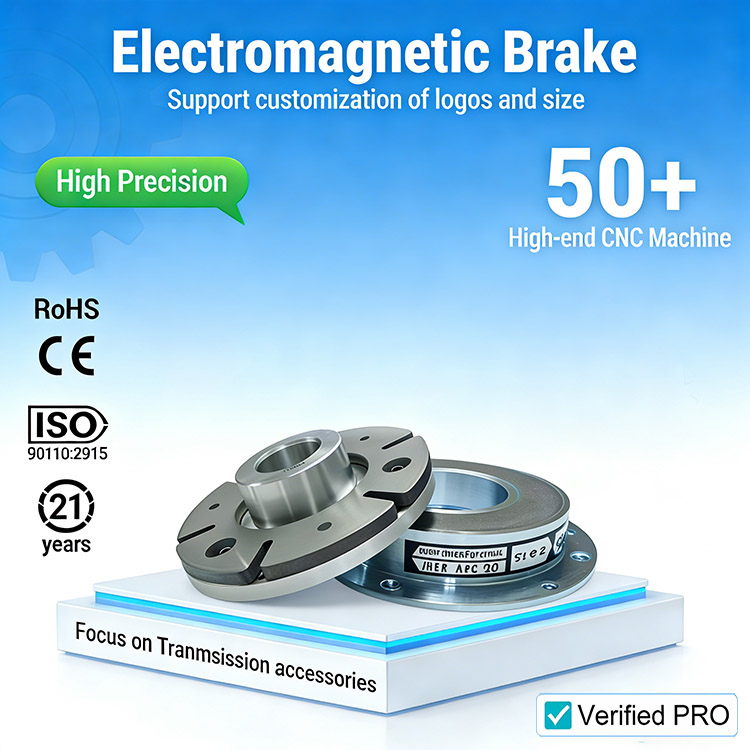
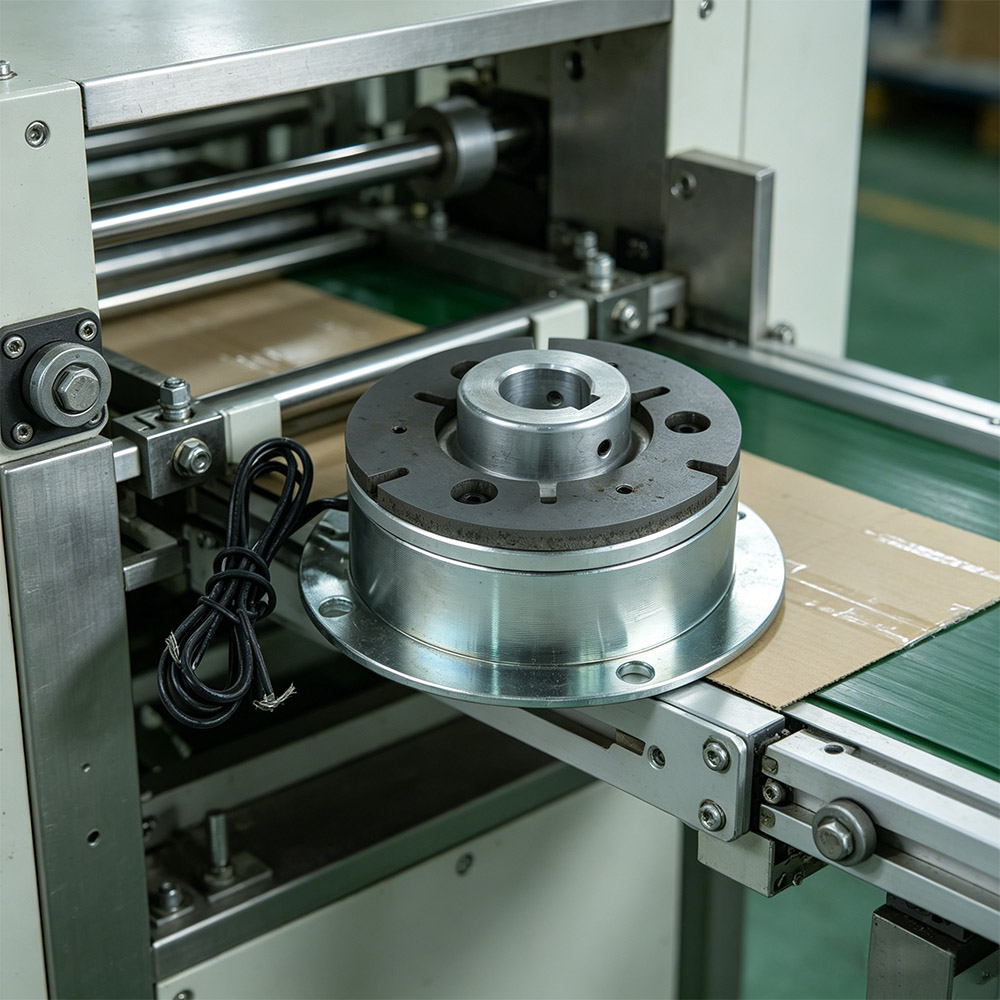
The electromagnetic shaft brake represents a sophisticated braking solution designed to deliver precise stopping power and controlled deceleration in modern machinery and equipment. This innovative device operates through electromagnetic principles, utilizing magnetic force to engage and disengage the braking mechanism efficiently. At its core, the electromagnetic shaft brake consists of a friction disc assembly, an electromagnetic coil, armature components, and a mounting structure that integrates seamlessly with rotating shafts. When electrical current flows through the coil, it generates a magnetic field that attracts the armature, creating friction against the brake disc to halt rotation. The main functions of the electromagnetic shaft brake include providing immediate stopping capability, maintaining holding torque when equipment is stationary, and enabling smooth deceleration during operational transitions. This technology finds widespread application across diverse industrial sectors, including manufacturing automation, material handling systems, packaging machinery, printing equipment, textile machines, and conveyor systems. The electromagnetic shaft brake offers exceptional responsiveness, with engagement times typically measured in milliseconds, making it ideal for applications requiring quick reaction times and precise positioning. Its compact design allows for installation in space-constrained environments, while the absence of mechanical linkages simplifies maintenance requirements. The device operates silently compared to traditional mechanical brakes, reducing workplace noise pollution. Technological features include adjustable braking torque settings, temperature-resistant friction materials that maintain consistent performance across varying operating conditions, and electrical connectivity options compatible with standard industrial control systems. The electromagnetic shaft brake demonstrates remarkable durability, with friction surfaces engineered to withstand millions of operating cycles before requiring replacement. Its fail-safe design ensures that power loss results in automatic brake engagement, providing critical safety protection for personnel and equipment. This versatile component has become indispensable in modern automated systems where reliable, repeatable stopping performance directly impacts production efficiency, product quality, and operational safety standards.

New Products

The electromagnetic shaft brake delivers numerous practical benefits that directly impact operational efficiency and cost management for businesses across various industries. First and foremost, this braking technology provides instantaneous response times that significantly enhance machine control precision. When your equipment needs to stop, every millisecond counts, and the electromagnetic shaft brake activates within 20 to 50 milliseconds, ensuring rapid deceleration that prevents material waste, reduces production errors, and protects valuable machinery components from damage caused by overrun conditions. This quick response translates into improved product quality, as positioning accuracy increases substantially, allowing your manufacturing processes to maintain tighter tolerances and produce consistent results batch after batch. The reliability factor cannot be overstated, as the electromagnetic shaft brake features a simple design with fewer moving parts compared to hydraulic or pneumatic alternatives. This simplicity means less can go wrong, reducing unexpected downtime that disrupts production schedules and impacts your bottom line. Maintenance requirements drop dramatically because there are no hydraulic fluids to leak, no pneumatic lines to inspect, and no complex mechanical linkages to adjust regularly. Your maintenance team can focus on productive tasks rather than constantly servicing braking systems. Energy efficiency represents another compelling advantage, as the electromagnetic shaft brake only consumes power during state changes, drawing minimal current once engaged. This characteristic reduces electrical costs over the equipment lifespan while supporting environmental sustainability initiatives your organization may prioritize. The installation process proves straightforward, with standardized mounting configurations that fit common shaft sizes and motor frames, minimizing integration time and allowing faster deployment of new equipment or retrofitting existing machinery. Operating costs remain low throughout the service life because friction components last considerably longer than traditional brake pads, and replacement parts are readily available at competitive prices. Safety features built into the electromagnetic shaft brake design provide peace of mind, as the spring-applied, electrically-released configuration ensures brakes automatically engage during power failures, preventing uncontrolled motion that could endanger workers or damage products. The smooth, controlled engagement reduces mechanical shock and vibration transmitted through machinery frames, extending the operational lifespan of bearings, couplings, and other drivetrain components that would otherwise experience accelerated wear from harsh stopping forces. Noise reduction benefits create a more comfortable work environment, as the electromagnetic shaft brake operates almost silently compared to clattering mechanical brake systems, contributing to improved workplace conditions that support employee satisfaction and regulatory compliance with occupational noise standards. Flexibility in application allows the same basic electromagnetic shaft brake design to serve multiple equipment types throughout your facility, simplifying spare parts inventory management and reducing training requirements for maintenance personnel who can apply their knowledge across different machines.

Latest News

Transmission Pain Points in Printing/Textile/Chemical Machinery: How Electromagnetic Clutches Improve Equipment Stability?

08

Dec

Transmission Pain Points in Printing/Textile/Chemical Machinery: How Electromagnetic Clutches Improve Equipment Stability?

Struggling with transmission instability in printing, textile, or chemical machinery? TJ-A electromagnetic clutches eliminate slip, boost throughput 15–20%, and ensure asbestos-free safety. Discover how top global manufacturers achieve 99.8% reliability—request a spec sheet today.
View More
High-Quality Web Guide Control Systems From a Leading Domestic Manufacturer With 20 Years of Expertise

08

Dec

High-Quality Web Guide Control Systems From a Leading Domestic Manufacturer With 20 Years of Expertise

Discover high-precision web guide control systems from a trusted domestic manufacturer with 20 years of R&D expertise. Reduce waste, boost efficiency, and ensure reliability. Request a quote today.
View More
The Pain of Non-Standard Transmission in Special Working Conditions

09

Apr

The Pain of Non-Standard Transmission in Special Working Conditions

Struggling with standard transmission failures in extreme temps, dust, or tight spaces? TianJi’s 20-year R&D delivers reliable custom clutches & brakes—engineered for your exact specs. Get a free technical consultation today.
View More

Get Your Custom Quote

Tell us your requirements and get a tailored solution for your project.
Name
Mobile
Email
Please include
Message
0/1000

electromagnetic shaft brake

Precision Control with Millisecond Response Capability

Precision Control with Millisecond Response Capability

The electromagnetic shaft brake stands apart from conventional braking technologies through its exceptional response speed, delivering engagement times that range from 20 to 50 milliseconds depending on the specific model and application requirements. This rapid activation capability fundamentally transforms how modern machinery operates, enabling precise positioning control that was previously unattainable with slower braking systems. When production equipment requires exact stopping points, such as in automated packaging lines where products must be positioned accurately for filling, labeling, or sealing operations, the electromagnetic shaft brake ensures consistent performance cycle after cycle. The technology achieves this remarkable speed through its electromagnetic operating principle, where electrical current instantly generates the magnetic field necessary to attract the armature and engage friction surfaces. Unlike hydraulic systems that require fluid pressure to build or pneumatic brakes that depend on air pressure accumulation, the electromagnetic shaft brake responds at the speed of electricity itself. This instantaneous action eliminates the positioning errors that accumulate when slower braking systems fail to stop equipment precisely at the intended location. Manufacturing environments benefit tremendously from this precision, as it directly impacts production throughput, material utilization efficiency, and final product quality. Consider a printing press where registration between multiple color layers must remain within micrometers to produce sharp, professional results. The electromagnetic shaft brake enables the quick stops and exact positioning necessary to maintain this registration throughout long production runs. Similarly, in textile machinery where fabric patterns must align perfectly, the rapid response ensures pattern matching remains consistent, preventing costly defects and material waste. The millisecond-level control also enhances operator safety by reducing the distance equipment travels after receiving a stop command, minimizing the risk window during emergency situations. Beyond speed alone, the electromagnetic shaft brake maintains consistent response characteristics across its operational range, unaffected by temperature variations, humidity levels, or minor voltage fluctuations that might impact other braking technologies. This reliability means production managers can depend on predictable machine behavior when establishing cycle times, planning maintenance windows, and calculating overall equipment effectiveness metrics that drive continuous improvement initiatives.
Minimal Maintenance Requirements and Extended Service Life

Minimal Maintenance Requirements and Extended Service Life

One of the most compelling advantages the electromagnetic shaft brake offers to facility managers and maintenance professionals involves its exceptionally low maintenance requirements combined with an extended operational lifespan that significantly reduces total cost of ownership. Traditional braking systems typically demand regular attention, including hydraulic fluid changes, seal inspections, pneumatic line leak checks, and frequent adjustments to compensate for wear and environmental factors. The electromagnetic shaft brake eliminates most of these maintenance tasks through its elegantly simple design that relies primarily on electromagnetic force and friction material contact. The friction disc assembly represents the only wear component requiring periodic attention, and modern friction materials engineered specifically for electromagnetic shaft brake applications deliver millions of engagement cycles before replacement becomes necessary. This extended wear life results from advanced material science that produces friction compounds capable of withstanding the thermal stress generated during repeated braking events while maintaining consistent coefficient of friction values throughout their service life. When replacement eventually becomes necessary, the process typically requires minimal downtime, as the electromagnetic shaft brake design incorporates features that simplify friction disc access without demanding complete unit removal or extensive disassembly procedures. Maintenance personnel appreciate this accessibility, as it allows quick turnaround during scheduled maintenance windows rather than forcing extended production interruptions. The electromagnetic coil assembly, another critical component, demonstrates remarkable durability when properly specified for the application environment. Manufactured with high-temperature insulation materials and sealed construction techniques, the coil resists moisture intrusion, dust contamination, and thermal cycling that would degrade lesser designs. This robustness proves particularly valuable in challenging industrial environments where temperature extremes, airborne particulates, or humidity variations would quickly compromise more delicate equipment. The absence of hydraulic fluids eliminates environmental concerns associated with potential leaks, reducing both cleanup costs and regulatory compliance burdens. Similarly, eliminating pneumatic components removes the need for air preparation equipment, pressure regulators, and the energy costs associated with maintaining compressed air systems. The simplified maintenance profile translates into tangible financial benefits through reduced spare parts inventory costs, lower maintenance labor requirements, and decreased equipment downtime that would otherwise disrupt production schedules and impact revenue generation. Reliability improvements mean production planners can establish more aggressive uptime targets, knowing that the electromagnetic shaft brake will perform consistently without unexpected failures that force reactive maintenance responses.
Fail-Safe Design Ensuring Maximum Operational Safety

Fail-Safe Design Ensuring Maximum Operational Safety

Safety considerations rank among the most critical factors when selecting industrial braking systems, and the electromagnetic shaft brake excels in this crucial area through its inherent fail-safe design philosophy that prioritizes worker protection and equipment preservation under all operating conditions, including emergency scenarios and power failure situations. The fundamental operating principle underlying most electromagnetic shaft brake configurations involves spring-applied, electrically-released functionality, meaning that strong springs maintain the brake in an engaged state as the default condition, and electrical power is required to release the brake and allow shaft rotation. This design approach ensures that any interruption to electrical power, whether from utility outages, emergency stop button activation, control system faults, or wiring failures, results in immediate brake engagement that halts equipment motion and prevents uncontrolled movement. This fail-safe characteristic provides critical protection in applications where gravity or stored mechanical energy could otherwise cause dangerous motion if braking force disappeared during power loss events. Consider material handling systems that lift heavy loads, where power failure without adequate braking would allow uncontrolled descent that could injure workers positioned below or damage valuable products and equipment. The electromagnetic shaft brake prevents these scenarios by automatically engaging whenever electrical power ceases, effectively creating a parking brake function that maintains load position until power restoration or controlled lowering can occur. Beyond emergency situations, the fail-safe design contributes to everyday operational safety by ensuring equipment remains securely stopped during maintenance activities, worker access periods, or loading and unloading operations where unexpected motion could create hazardous conditions. The consistent, predictable engagement force produced by the spring mechanism means that holding torque remains constant regardless of voltage variations, control system status, or environmental factors that might affect other brake types. This reliability allows safety engineers to confidently calculate safe working load limits and establish appropriate lockout-tagout procedures that protect maintenance personnel. The electromagnetic shaft brake also incorporates design features that prevent partial engagement conditions where insufficient braking force might allow slow, creeping motion that could catch workers unaware. The positive engagement mechanism ensures the brake operates in clearly defined states, either fully released during normal operation or fully engaged when stopping is required, eliminating ambiguous intermediate conditions that complicate safety analysis. Testing and certification by recognized safety organizations validate the electromagnetic shaft brake design for use in safety-critical applications, providing documentation that supports regulatory compliance efforts and demonstrates due diligence in equipment selection decisions.
email goToTop