Electromagnetic Brake Systems: Advanced Braking Technology for Industrial Applications

All Categories

electromagnetic brake

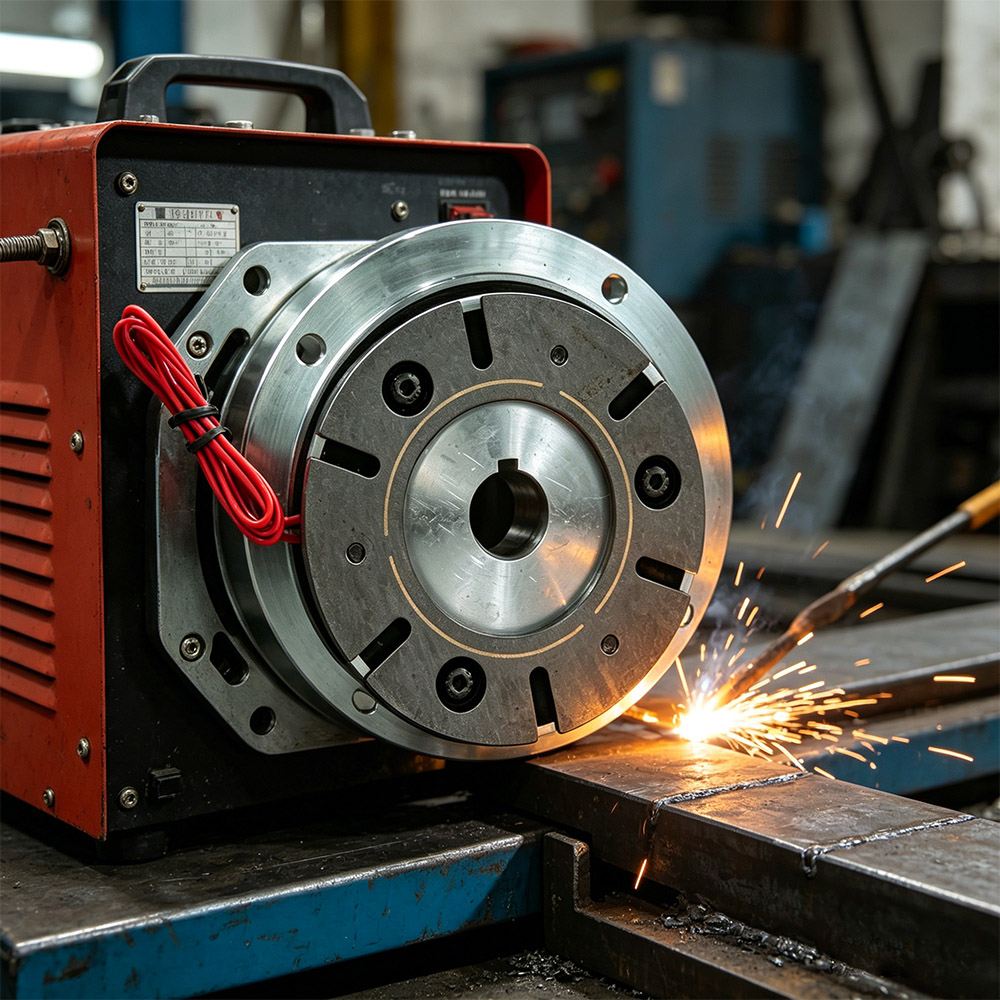
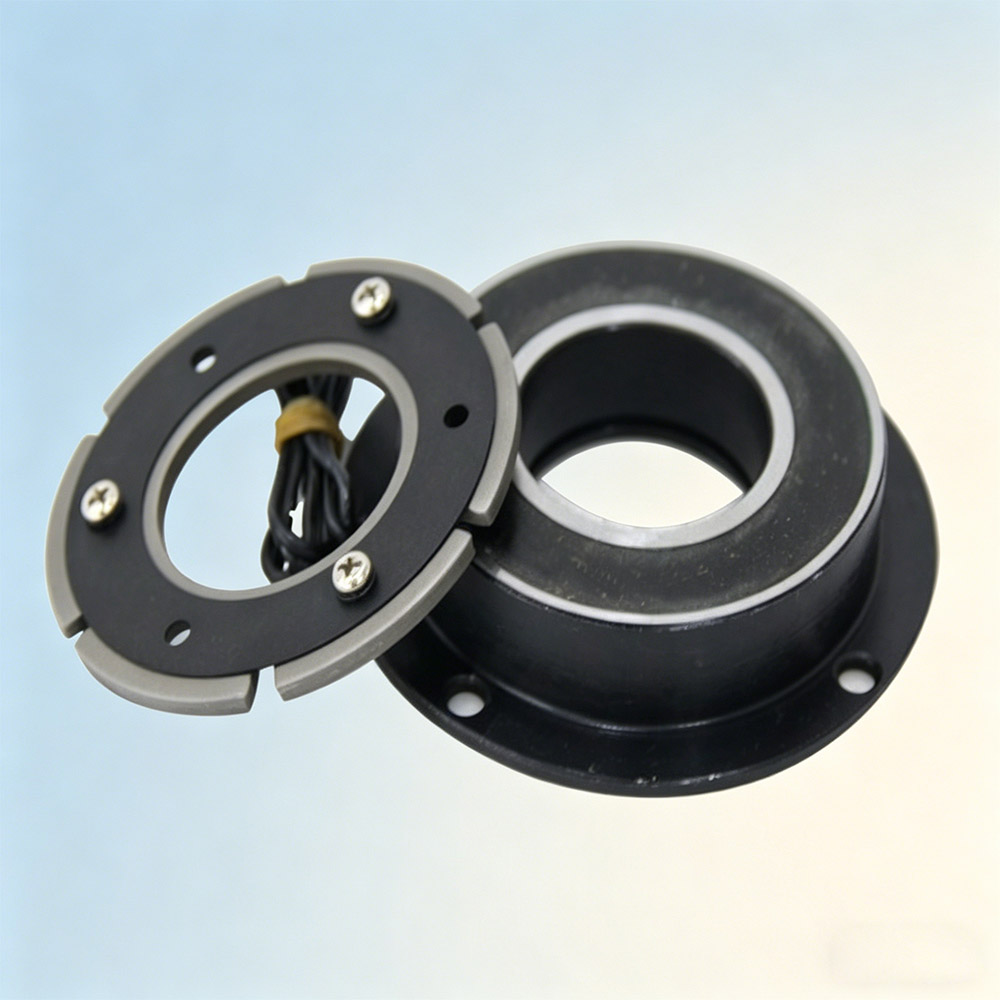
An electromagnetic brake represents a sophisticated braking system that utilizes electromagnetic force to create stopping power in mechanical equipment and machinery. This innovative technology operates through the principle of electromagnetic induction, where an electric current generates a magnetic field that produces friction and deceleration. The electromagnetic brake has become an essential component in modern industrial applications, offering precise control and reliable performance across diverse operating conditions. The main function of this braking system centers on converting electrical energy into mechanical stopping force, providing operators with instantaneous response times and exceptional control over equipment movement. These brakes typically consist of several key components including an electromagnetic coil, armature plate, friction disc, and spring mechanism. When electrical current flows through the coil, it creates a magnetic field that attracts the armature plate, pressing it against the friction surface to generate braking force. The technological features of electromagnetic brake systems include rapid engagement and disengagement capabilities, adjustable braking torque through voltage regulation, and minimal maintenance requirements due to fewer moving parts compared to traditional mechanical brakes. The design incorporates heat-resistant materials that withstand continuous operation without performance degradation, ensuring consistent stopping power even under demanding conditions. Applications for electromagnetic brake technology span numerous industries including manufacturing automation, material handling equipment, robotics, printing machinery, packaging systems, elevators, cranes, and transportation vehicles. In manufacturing environments, these brakes provide precise positioning control for assembly line equipment, while in material handling applications they ensure safe load management and emergency stopping capabilities. The versatility of electromagnetic brake systems allows integration into both new equipment designs and retrofit applications, making them adaptable solutions for upgrading existing machinery. Their compact design enables installation in space-constrained applications without compromising performance, while their electrical control interface facilitates integration with modern automation systems and programmable logic controllers.

New Product Releases

The electromagnetic brake delivers numerous practical benefits that directly impact operational efficiency and cost-effectiveness for businesses across various sectors. One significant advantage is the immediate response time these systems provide, allowing equipment to stop within milliseconds of receiving the control signal. This rapid reaction capability enhances workplace safety by reducing the distance equipment travels before coming to a complete stop, particularly crucial in emergency situations where every fraction of a second matters. The precision control offered by electromagnetic braking technology enables operators to achieve exact positioning of loads and machinery components, eliminating the guesswork associated with traditional braking methods. This accuracy translates to improved product quality in manufacturing processes where precise positioning determines the success of assembly operations or material processing tasks. Another compelling benefit is the dramatically reduced maintenance burden compared to conventional friction-based braking systems. Since electromagnetic brakes contain fewer mechanical components subject to wear, businesses experience less downtime for repairs and replacement of parts. The absence of hydraulic fluids or pneumatic systems eliminates concerns about leaks, contamination, or pressure loss that plague other braking technologies. This simplified maintenance profile means lower long-term operating costs and increased equipment availability for production activities. Energy efficiency represents another practical advantage, as these brakes only consume electrical power during the braking action itself, unlike some systems that require constant energy input to maintain their ready state. The adjustable nature of braking force through voltage control provides flexibility to match braking performance with specific application requirements, optimizing energy consumption while delivering appropriate stopping power. The quiet operation of electromagnetic brake systems creates a more pleasant working environment, reducing noise pollution in facilities where multiple pieces of equipment operate simultaneously. This noise reduction contributes to improved worker comfort and compliance with occupational health regulations regarding workplace noise levels. The compact physical footprint of these braking systems offers equipment designers greater flexibility in machinery layout, allowing more efficient use of available space without sacrificing safety or performance. Installation simplicity is another practical benefit, as electromagnetic brakes typically require only electrical connections rather than complex hydraulic lines or pneumatic plumbing, reducing installation time and associated labor costs. The reliability of electromagnetic braking technology means businesses can depend on consistent performance across millions of operating cycles, providing predictable equipment behavior that facilitates production planning and scheduling. Temperature stability ensures these brakes maintain their performance characteristics across a wide range of operating environments, from climate-controlled facilities to harsh industrial settings with extreme temperature variations.

Practical Tips

Decades of Precision: How Our Safety Chucks Deliver Seamless Fit & Extended Life for Air Shafts

15

May

Decades of Precision: How Our Safety Chucks Deliver Seamless Fit & Extended Life for Air Shafts

As a dedicated component supplier working alongside established machinery manufacturers, we don’t just make parts—we perfect the interface between torque and tension. For years, our core focus has been the precision manufacturing of ...
View More

Get Your Custom Quote

Tell us your requirements and get a tailored solution for your project.
Name
Mobile
Email
Please include
Message
0/1000

electromagnetic brake

Advanced Safety Features and Emergency Stopping Capability

Advanced Safety Features and Emergency Stopping Capability

The electromagnetic brake stands out in the industrial safety landscape due to its exceptional emergency stopping capabilities and fail-safe design characteristics that protect both personnel and equipment. When workplace safety is paramount, the instantaneous engagement of electromagnetic braking systems provides a critical advantage over mechanical alternatives that require time to build pressure or move linkages into position. The electrical nature of these brakes means they can be integrated directly with emergency stop circuits, sensor systems, and safety interlocks, creating comprehensive protection schemes that respond automatically to hazardous conditions. This integration capability allows safety engineers to design redundant protection layers where multiple sensors can trigger brake activation, ensuring that equipment stops even if one component fails. The fail-safe design philosophy inherent in quality electromagnetic brake systems means that loss of electrical power causes the brake to engage automatically through spring force, preventing uncontrolled equipment movement during power outages or electrical failures. This passive safety feature provides peace of mind for facility managers who understand that their equipment will default to a safe condition rather than continuing to operate without control. The consistent and repeatable braking force generated by electromagnetic systems eliminates the variability often encountered with worn mechanical components, ensuring that safety calculations remain valid throughout the equipment's service life. Modern electromagnetic brake designs incorporate sophisticated monitoring capabilities that track brake performance parameters such as response time, engagement force, and temperature, allowing maintenance teams to identify potential issues before they compromise safety. The rapid cycle capability of these braking systems means they can perform thousands of safety stops without degradation, making them ideal for applications where frequent emergency stopping might be necessary. In material handling applications where suspended loads present significant hazard potential, the holding force provided by electromagnetic brakes prevents load drop even when power is removed, meeting stringent safety regulations for overhead lifting equipment. The temperature resistance built into electromagnetic brake components ensures that repeated emergency stops do not cause thermal degradation that might reduce braking effectiveness when it is needed most.
Superior Performance in Precision Motion Control Applications

Superior Performance in Precision Motion Control Applications

The electromagnetic brake excels in precision motion control scenarios where exact positioning and smooth deceleration profiles determine product quality and process efficiency. Manufacturing operations that demand micron-level positioning accuracy benefit from the instantaneous and proportional response characteristics of electromagnetic braking technology, which allows controllers to modulate braking force with extreme precision. In robotic applications, the combination of servo motors with electromagnetic brakes creates systems capable of maintaining position under external forces while enabling smooth motion profiles that prevent workpiece damage or assembly errors. The absence of backlash and mechanical play in electromagnetic brake systems ensures that positioning accuracy remains consistent across millions of operating cycles, eliminating the drift and degradation common in mechanical brake designs. Printing machinery represents an ideal application where electromagnetic brake precision directly impacts product quality, as registration accuracy between multiple printing stations depends on exact web positioning that electromagnetic brakes help maintain. The smooth engagement characteristics of these braking systems prevent the shock loads that can damage precision components or disturb delicate processes, allowing equipment designers to use lighter structural elements without compromising performance. In packaging applications where product orientation and sealing position must be precisely controlled, electromagnetic brakes provide the repeatability necessary to maintain quality standards while operating at high production speeds. The electrical control interface of electromagnetic brake systems enables seamless integration with motion controllers and programmable automation systems, allowing sophisticated motion profiles that combine acceleration, constant velocity, and controlled deceleration phases. The ability to adjust braking torque through voltage or current control provides process engineers with tuning capabilities that optimize cycle times while maintaining the gentleness required for handling fragile products or sensitive materials. Testing and inspection equipment benefits from electromagnetic brake precision when positioning samples or sensors, as the repeatability of brake engagement ensures that measurements are taken at identical locations for valid comparisons. The dynamic braking capability possible with electromagnetic systems allows regenerative energy recovery in some applications, where the kinetic energy of moving loads can be converted back to electrical power rather than being dissipated as heat.
Long-Term Reliability and Cost-Effective Operation

Long-Term Reliability and Cost-Effective Operation

The electromagnetic brake delivers exceptional long-term value through its robust construction, minimal maintenance requirements, and extended service life that significantly reduces total cost of ownership compared to alternative braking technologies. The solid-state nature of electromagnetic actuation eliminates many wear mechanisms that plague mechanical brake systems, as there are no hydraulic seals to deteriorate, no pneumatic valves to malfunction, and no complex linkages to adjust or replace. Quality electromagnetic brake designs utilize materials specifically selected for their durability under cyclic loading and thermal stress, ensuring that components maintain their performance characteristics across years of continuous operation. The friction materials employed in modern electromagnetic brakes are engineered to provide stable coefficient of friction across wide temperature ranges while resisting glazing and contamination that degrade conventional brake pads. Businesses implementing electromagnetic braking technology report maintenance intervals measured in years rather than months, with many installations operating continuously without requiring service beyond periodic inspection. This reliability translates directly to increased equipment uptime and production capacity, as maintenance windows can be planned around production schedules rather than being dictated by brake system failures. The predictable wear patterns of electromagnetic brake components enable condition-based maintenance strategies where replacement occurs based on actual component condition rather than arbitrary time intervals, further optimizing maintenance expenditures. Energy costs associated with electromagnetic brake operation remain minimal due to the efficiency of electromagnetic force generation and the absence of parasitic losses from hydraulic pumps or air compressors required by other braking technologies. The modular design common in electromagnetic brake systems facilitates rapid replacement of worn components when service is eventually required, minimizing downtime and reducing the skill level necessary for maintenance personnel. Environmental resilience is another factor contributing to long-term reliability, as electromagnetic brakes function effectively in dusty, humid, or temperature-variable conditions that challenge other braking technologies. The absence of fluid leaks eliminates concerns about environmental contamination and the associated cleanup costs and regulatory compliance issues. Investment protection is enhanced by the adaptability of electromagnetic brake systems to changing application requirements, as braking force can be adjusted through control parameter changes rather than requiring mechanical modifications or component replacements.
email goToTop