Cost-Effective Operation and Maintenance Simplicity
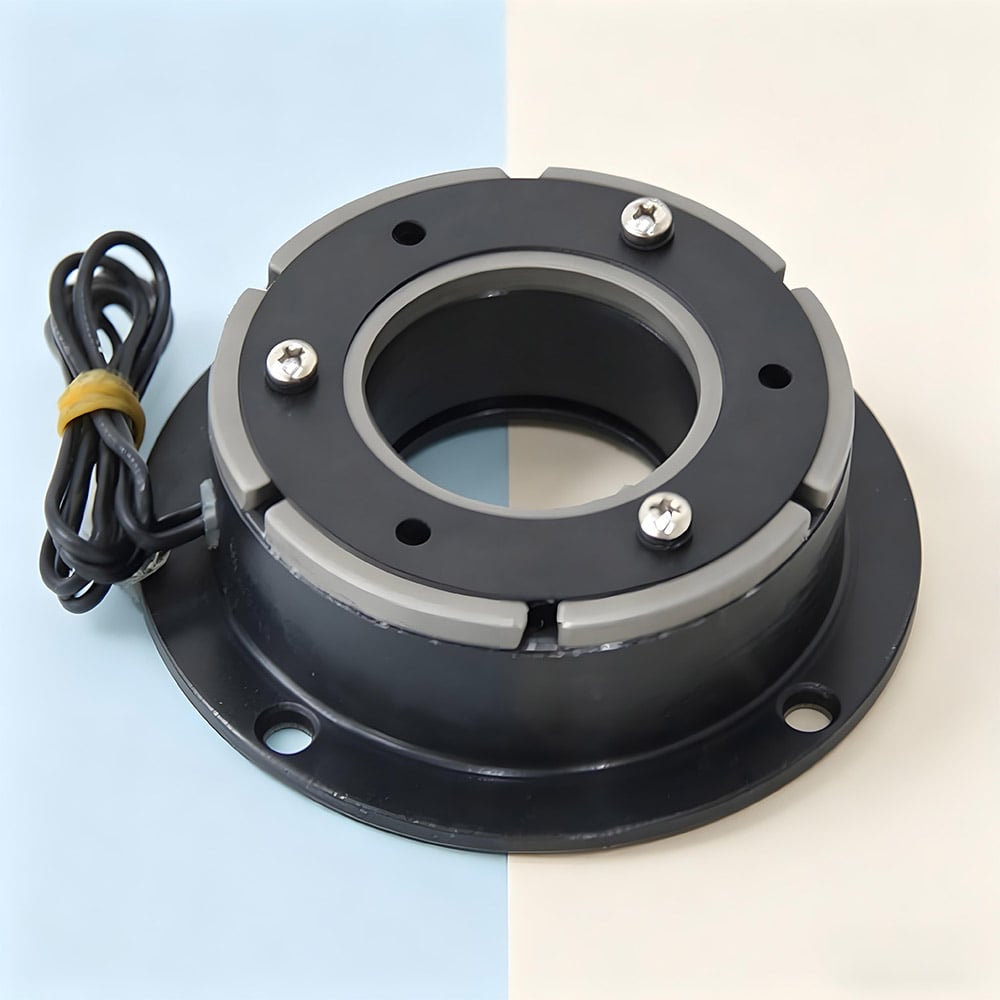
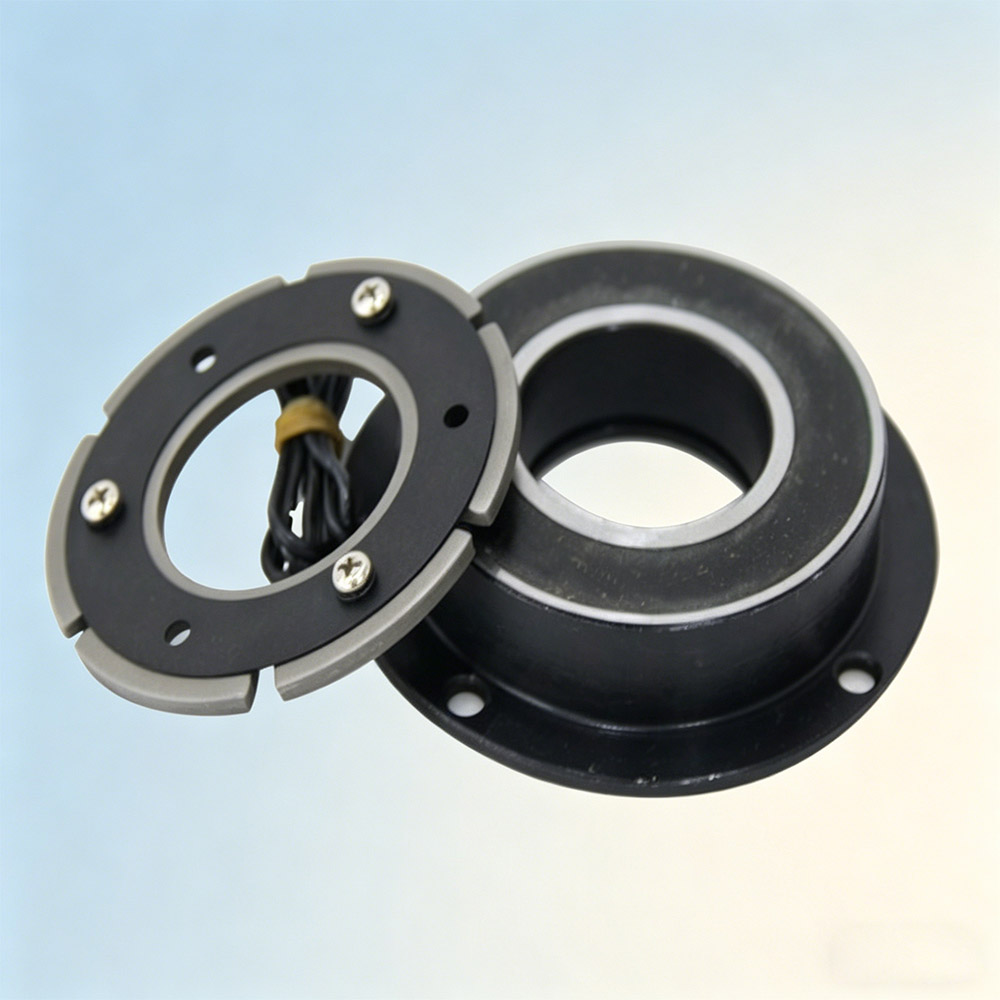
The financial advantages of electromagnet brake technology extend far beyond the initial purchase price, delivering ongoing cost savings that accumulate throughout the equipment lifecycle. Understanding these economic benefits helps you recognize the true value proposition that electromagnet brakes offer compared to alternative braking technologies. The total cost of ownership includes purchase price, installation expenses, energy consumption, maintenance requirements, and replacement part costs, and electromagnet brakes excel in each category. Energy efficiency represents one of the most significant ongoing cost advantages. An electromagnet brake consumes electrical power only during actual braking events, and many designs use spring-applied configurations that hold loads securely without any power consumption. Compare this to hydraulic systems that run pumps continuously or pneumatic systems that constantly consume compressed air, and the energy savings become substantial. Over years of operation, these efficiency advantages translate to meaningful reductions in your utility costs. Installation cost savings begin with the compact design that eliminates expensive mounting structures and complex installation procedures. You avoid the expense of hydraulic power units, fluid reservoirs, pressure lines, and associated fittings required by hydraulic systems. Pneumatic installations similarly require air supply infrastructure, pressure regulation equipment, and distribution piping that add significant cost. The electromagnet brake needs only electrical connections and simple mounting brackets, reducing both material and labor expenses during installation. Maintenance simplicity directly impacts your bottom line by reducing labor hours and minimizing spare parts inventory. The electromagnet brake requires no fluid changes, filter replacements, or seal maintenance that burden hydraulic systems. There are no air dryers to service, no condensate drains to monitor, and no pressure regulators to calibrate as with pneumatic systems. Your maintenance team performs simple visual inspections and basic electrical checks rather than complex servicing procedures, freeing their time for other critical tasks. Downtime costs decrease substantially with electromagnet brake reliability. When braking systems fail, production stops and revenue disappears while repairs are completed. The exceptional reliability of electromagnet brake designs means failures occur far less frequently than with complex mechanical or fluid power systems. When service is eventually required, the straightforward design enables rapid diagnosis and repair, getting your equipment back into production quickly. Spare parts costs remain manageable because electromagnet brake designs use standardized components rather than specialized custom parts. Friction disc materials, coil assemblies, and mounting hardware are readily available from multiple sources at competitive prices. This parts availability contrasts sharply with proprietary hydraulic components or specialized mechanical assemblies that may only be available from original equipment manufacturers at premium prices. The long service life of electromagnet brake components reduces replacement frequency, further lowering lifetime parts costs.

 EN
EN