Precision Control and Integration Capabilities
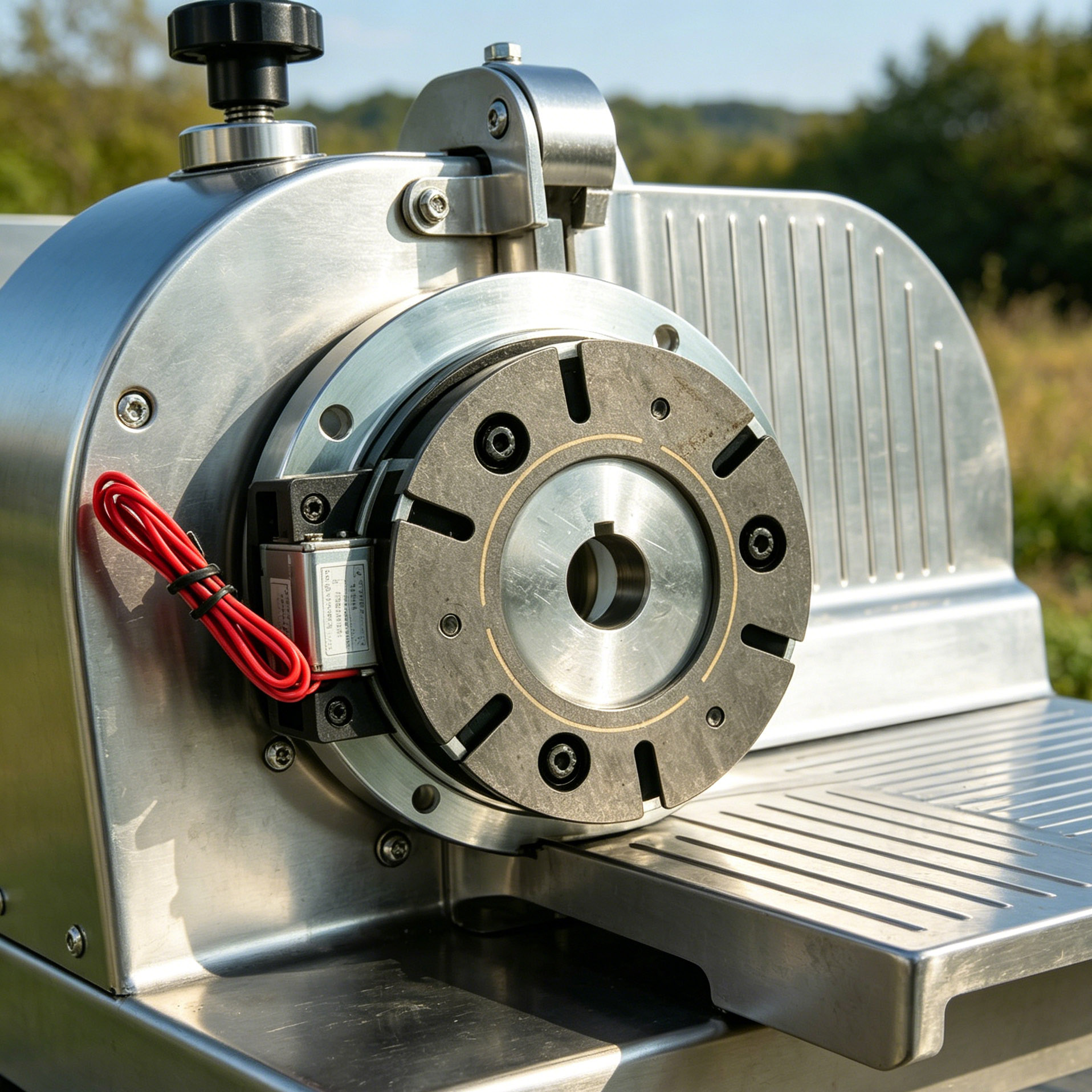
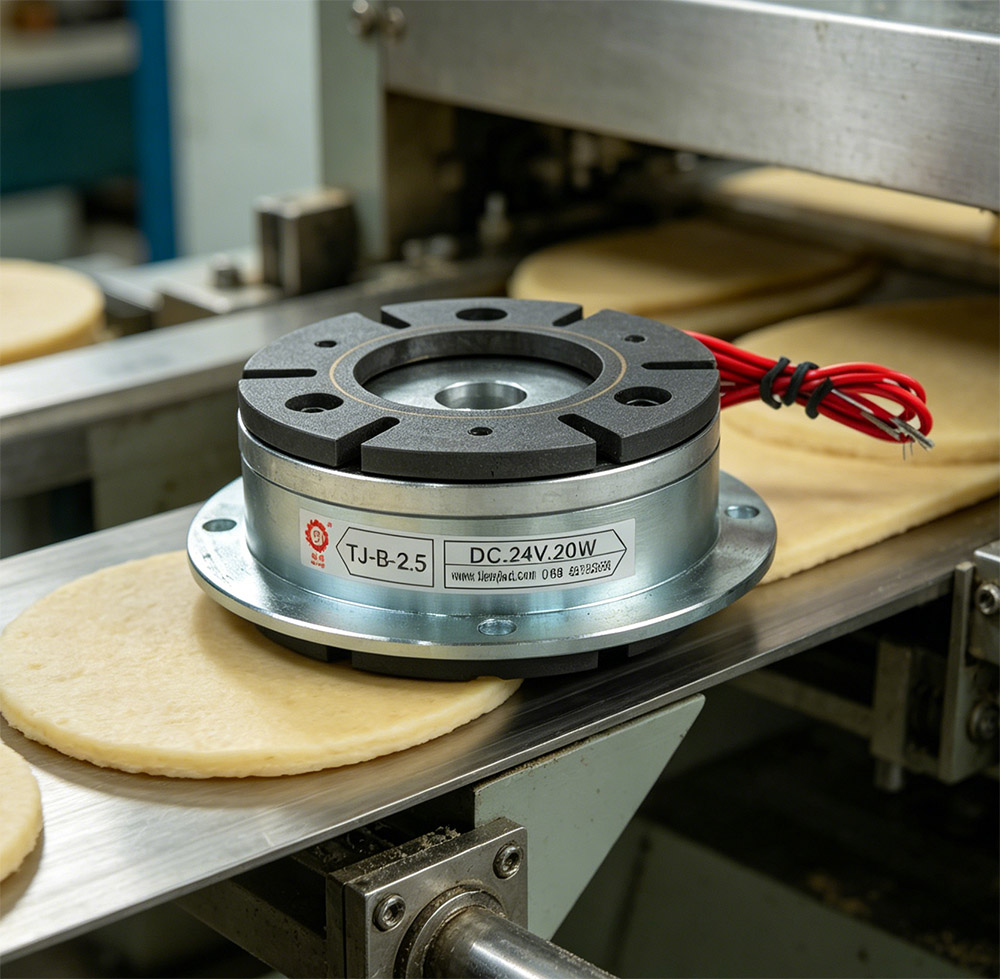
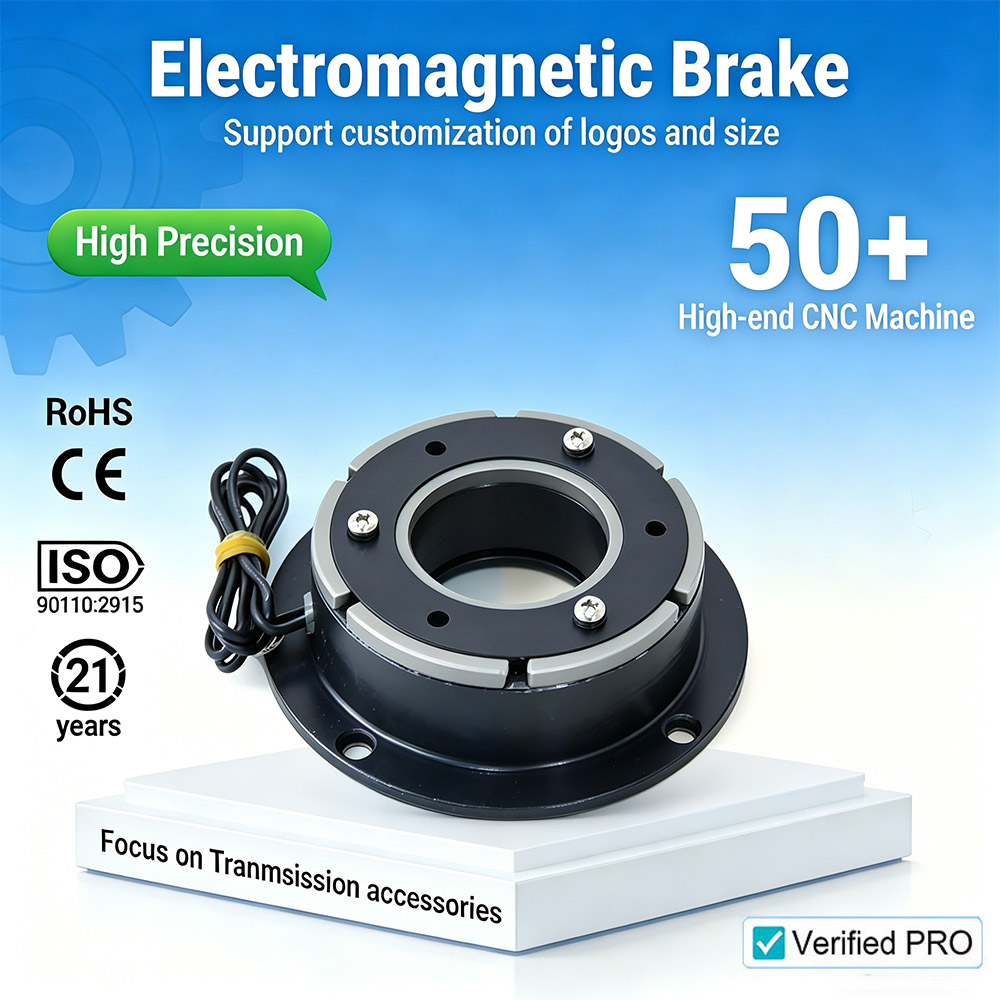
The precision control capabilities of electromagnetic brakes enable applications demanding exact positioning, controlled deceleration, and integration with sophisticated automation systems that would prove impossible with conventional braking technologies. Because braking force correlates directly to the electrical current supplied to the electromagnetic coil, engineers can implement infinitely variable control through pulse-width modulation, variable voltage supplies, or current regulation circuits. This electrical control interface eliminates the mechanical complexity of proportional valves, variable linkages, or adjustable spring preload mechanisms, providing cleaner implementation with superior repeatability. In servo positioning systems, electromagnetic brakes work in concert with motion controllers to achieve precise holding torque that prevents drift while minimizing stress on the motor and drive system. The brake engages only after the servo reaches the target position, then maintains position with mechanical retention rather than continuous motor current, reducing energy consumption and heat generation. Robotic applications exploit this precision to safely hold manipulator arms at specific orientations during power-off conditions, preventing dangerous movement while allowing deliberate repositioning when commanded. The digital nature of electromagnetic brake control facilitates seamless integration with programmable logic controllers, motion controllers, and industrial networks including EtherCAT, PROFINET, and Ethernet/IP. Control algorithms can incorporate brake status monitoring, wear sensing, and predictive maintenance indicators that enhance system intelligence. Advanced implementations utilize brake current monitoring to detect friction material wear, coil degradation, or mechanical binding before failure occurs, triggering maintenance notifications that prevent unexpected downtime. The compact electrical interface replaces bulky hydraulic power units or pneumatic compressor systems, simplifying machine design and reducing energy infrastructure requirements. Multiple electromagnetic brakes can operate independently from a single control cabinet, enabling complex coordinated braking sequences in multi-axis machines without mechanical complexity. Temperature compensation features available in premium electromagnetic brake controllers maintain consistent performance as operating conditions vary, automatically adjusting current delivery to account for coil resistance changes and friction coefficient variations, ensuring your precision applications maintain accuracy across the full environmental operating range your equipment encounters.

 EN
EN