Brake Electromagnet Solutions: High-Performance Electromagnetic Braking Systems for Industrial Applications

All Categories

brake electromagnet

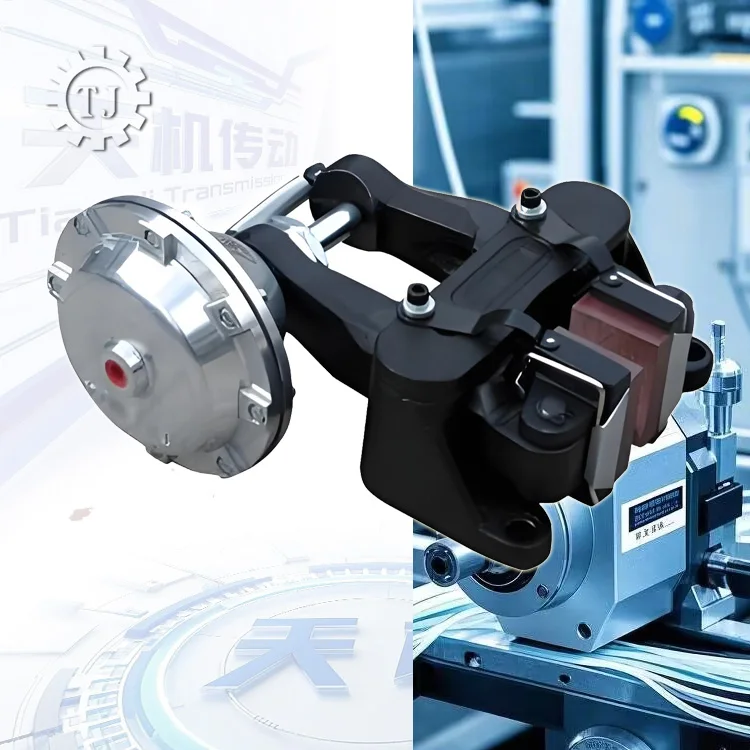
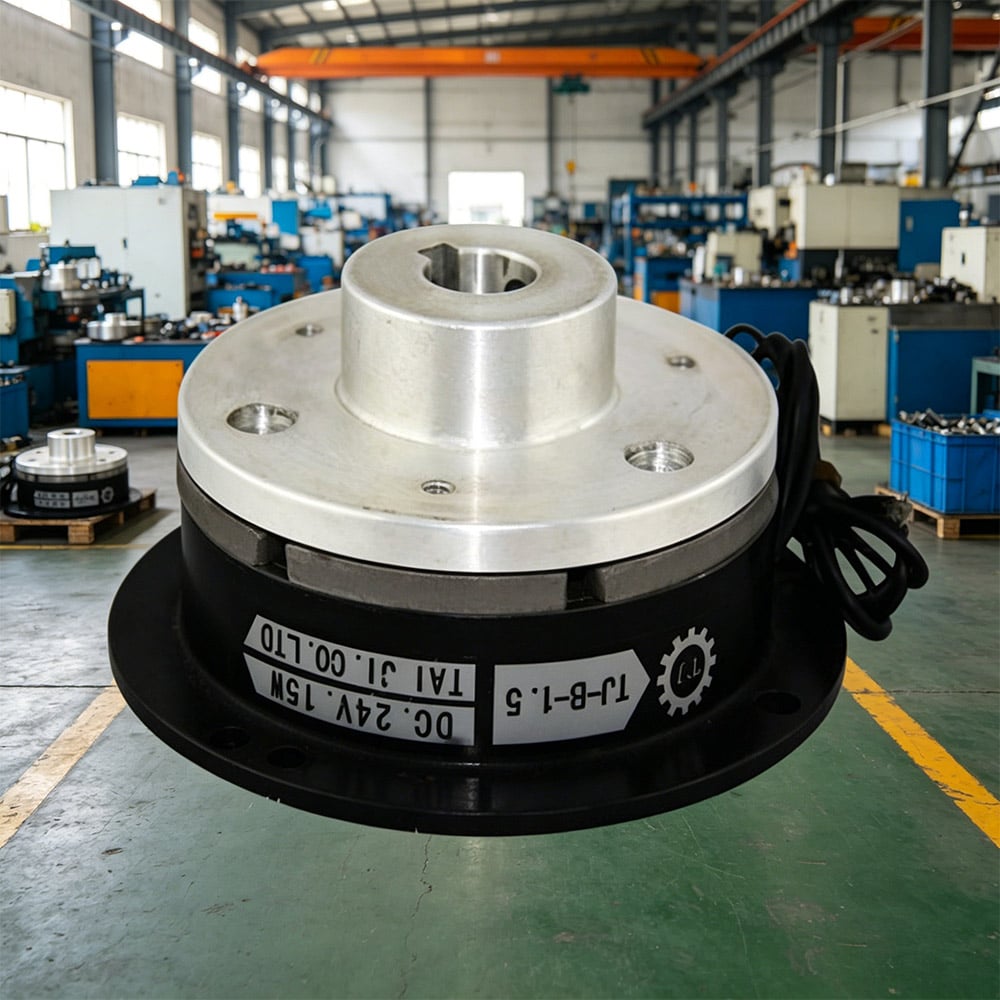
A brake electromagnet represents a sophisticated electromechanical device designed to control braking systems through electromagnetic force principles. This essential component converts electrical energy into magnetic force, enabling precise control over mechanical braking operations across diverse industrial applications. The brake electromagnet functions by generating a powerful magnetic field when electrical current flows through its coil windings, creating attraction or release mechanisms that engage or disengage braking elements with exceptional accuracy. Modern brake electromagnet units incorporate advanced materials and engineering designs that optimize performance, durability, and energy efficiency. The primary functions of these devices include providing fail-safe braking in emergency situations, maintaining holding force during stationary periods, and enabling smooth deceleration in automated systems. Technologically, brake electromagnet systems feature robust construction with heat-resistant materials, precise coil winding configurations, and optimized magnetic circuit designs that maximize force output while minimizing power consumption. The electromagnetic coil generates magnetic flux that travels through carefully engineered pole pieces, creating strong attractive forces capable of overcoming spring tension or mechanical resistance. Applications span numerous industries including material handling equipment, elevator systems, industrial machinery, automated production lines, crane operations, conveyor systems, and transportation equipment. In manufacturing environments, brake electromagnet technology ensures worker safety by providing reliable stopping power for heavy machinery. The construction typically includes a steel housing, copper or aluminum coil windings, insulation materials rated for high temperatures, and mounting hardware designed for easy installation. Response times are exceptionally fast, often measured in milliseconds, allowing for immediate braking action when required. The brake electromagnet offers adjustable braking force through voltage control, enabling operators to fine-tune performance based on specific application requirements. Environmental adaptability is another key feature, with many units designed to operate reliably across wide temperature ranges and in challenging conditions including dust, moisture, and vibration exposure.

New Product Releases

Choosing a brake electromagnet for your operations delivers numerous practical benefits that directly impact productivity, safety, and cost efficiency. First and foremost, these devices provide instantaneous braking response that protects both equipment and personnel from potential hazards. When emergency situations arise, the brake electromagnet activates within milliseconds, bringing moving components to a controlled stop far faster than mechanical alternatives. This rapid response capability reduces accident risks and prevents costly equipment damage. The reliability factor stands as another major advantage, as brake electromagnet systems contain fewer moving parts compared to traditional mechanical brakes, resulting in reduced wear and extended service life. Maintenance requirements decrease significantly because electromagnetic operation eliminates many friction-based components that typically require frequent replacement. Energy efficiency represents a substantial cost-saving benefit, as modern brake electromagnet designs consume power only during activation or release phases, not during holding periods. This intelligent power management reduces operational expenses over time. Installation simplicity makes implementation straightforward, with standardized mounting configurations and electrical connections that minimize setup time and labor costs. Operators appreciate the precise control capabilities, as brake electromagnet systems allow fine adjustments to braking force and timing through simple electrical input modifications. This adjustability means a single brake electromagnet model can serve multiple applications with different performance requirements. The silent operation characteristic improves workplace environments by eliminating the noise associated with mechanical braking systems. Temperature stability ensures consistent performance across varying environmental conditions, maintaining braking force even when ambient temperatures fluctuate. Safety certifications and compliance with international standards provide peace of mind that brake electromagnet installations meet rigorous quality and performance benchmarks. The compact design footprint allows integration into space-constrained applications where traditional braking mechanisms would not fit. Longevity translates to better return on investment, as quality brake electromagnet units routinely operate for years without significant performance degradation. Remote control compatibility enables integration with automated systems and programmable logic controllers, supporting modern smart manufacturing initiatives. The fail-safe design philosophy built into most brake electromagnet systems means that power loss automatically engages the brake, preventing uncontrolled movement during electrical failures. Versatility across voltage ranges accommodates different power supply configurations found in various facilities worldwide. Predictable performance characteristics simplify system design and integration, as engineers can reliably calculate braking forces and response times. The elimination of hydraulic fluids or pneumatic systems reduces environmental concerns and disposal costs while simplifying maintenance procedures.

Tips And Tricks

Transmission Pain Points in Printing/Textile/Chemical Machinery: How Electromagnetic Clutches Improve Equipment Stability?

08

Dec

Transmission Pain Points in Printing/Textile/Chemical Machinery: How Electromagnetic Clutches Improve Equipment Stability?

Struggling with transmission instability in printing, textile, or chemical machinery? TJ-A electromagnetic clutches eliminate slip, boost throughput 15–20%, and ensure asbestos-free safety. Discover how top global manufacturers achieve 99.8% reliability—request a spec sheet today.
View More
High-Quality Web Guide Control Systems From a Leading Domestic Manufacturer With 20 Years of Expertise

08

Dec

High-Quality Web Guide Control Systems From a Leading Domestic Manufacturer With 20 Years of Expertise

Discover high-precision web guide control systems from a trusted domestic manufacturer with 20 years of R&D expertise. Reduce waste, boost efficiency, and ensure reliability. Request a quote today.
View More
The Pain of Non-Standard Transmission in Special Working Conditions

09

Apr

The Pain of Non-Standard Transmission in Special Working Conditions

Struggling with standard transmission failures in extreme temps, dust, or tight spaces? TianJi’s 20-year R&D delivers reliable custom clutches & brakes—engineered for your exact specs. Get a free technical consultation today.
View More

Get Your Custom Quote

Tell us your requirements and get a tailored solution for your project.
Name
Mobile
Email
Please include
Message
0/1000

brake electromagnet

Rapid Response Time Ensures Maximum Safety Protection

Rapid Response Time Ensures Maximum Safety Protection

The exceptional response speed of a brake electromagnet stands as one of its most valuable safety features, delivering protection that mechanical systems simply cannot match. When electrical current energizes the electromagnetic coil, the magnetic field builds to full strength in mere milliseconds, typically between 10 to 50 milliseconds depending on the specific design and application requirements. This lightning-fast activation means that from the moment a stop signal is received, the brake electromagnet engages almost instantaneously, bringing moving machinery to a controlled halt before dangerous situations can develop. In industrial environments where heavy loads move at significant speeds, every fraction of a second counts when preventing accidents or equipment collisions. The brake electromagnet eliminates the delays inherent in mechanical linkages, hydraulic pressure buildup, or pneumatic system charging times. This immediate response capability proves especially critical in applications involving personnel safety, such as elevator systems, industrial presses, or automated guided vehicles operating in shared spaces with workers. The electromagnetic principle allows for consistent response times regardless of ambient temperature, unlike mechanical systems where cold temperatures can increase fluid viscosity or stiffen components. Furthermore, the brake electromagnet maintains this rapid response throughout its operational life, as there are no wearing contact surfaces or degrading hydraulic seals that gradually slow system reaction times. Engineers designing safety systems rely on this predictable, fast response when calculating stopping distances and establishing safety zones around machinery. The brake electromagnet also supports multi-stage braking strategies where initial gentle deceleration transitions to full emergency stopping if needed, all controlled through precise electrical signal timing. Quality brake electromagnet designs incorporate features that prevent magnetic remanence or residual magnetism that might delay brake release, ensuring the system responds equally fast in both directions. Testing and certification processes verify response times under various operating conditions, giving system designers concrete data for safety calculations. The combination of speed and reliability makes the brake electromagnet the preferred choice for applications where human safety depends on immediate, unfailing braking action.
Energy-Efficient Operation Reduces Long-Term Costs

Energy-Efficient Operation Reduces Long-Term Costs

The energy efficiency inherent in brake electromagnet design delivers substantial cost savings over the equipment lifecycle, making these devices financially attractive despite potentially higher initial investment compared to simple mechanical alternatives. Understanding how a brake electromagnet achieves superior efficiency requires examining its operational cycle and power consumption patterns. Most brake electromagnet configurations operate on a spring-applied, electromagnetically-released principle where the brake naturally engages through spring force, and electrical power is required only to release the brake during normal operation. This design philosophy means the brake electromagnet consumes zero holding power during braking, as mechanical spring force maintains braking pressure without any electrical input. Even in electromagnetically-applied configurations where power energizes the brake, modern designs incorporate permanent magnets or efficient coil geometries that minimize continuous power draw. Advanced brake electromagnet models feature rectified DC operation that eliminates the inefficiencies associated with AC magnetic circuits, reducing heat generation and power waste. The reduced heat production extends component life by preventing insulation breakdown and reducing thermal stress on materials. When comparing energy consumption across thousands of operating hours typical in industrial applications, the brake electromagnet demonstrates clear economic advantages over hydraulic systems requiring constant pump operation or pneumatic systems demanding continuous compressor runtime. Facilities implementing brake electromagnet technology report measurable decreases in electrical consumption, particularly in applications requiring frequent start-stop cycles where the energy savings multiply across numerous daily operations. The efficient operation also reduces cooling requirements for electrical enclosures, creating secondary energy savings. Environmental benefits accompany the economic advantages, as lower energy consumption reduces the carbon footprint of operations, supporting corporate sustainability initiatives and potentially qualifying for green energy incentives. The brake electromagnet requires no consumable materials like hydraulic fluids or compressed air, eliminating ongoing supply costs and disposal expenses. Maintenance energy costs decrease because the brake electromagnet needs less frequent service, reducing both labor expenses and production downtime. Smart brake electromagnet systems with built-in electronics can optimize power consumption further by adjusting holding currents based on load conditions, delivering exactly the magnetic force required without excess energy waste. The combination of zero holding power in spring-applied designs, efficient electromagnetic circuits, and elimination of auxiliary systems makes the brake electromagnet a financially responsible choice for cost-conscious operations planning long-term equipment investments.
Robust Construction Guarantees Reliable Performance

Robust Construction Guarantees Reliable Performance

The durability and reliability engineered into quality brake electromagnet construction ensures dependable performance across demanding industrial environments and extended operational periods. Premium brake electromagnet units begin with carefully selected materials chosen specifically for their mechanical properties, thermal characteristics, and resistance to environmental factors. The electromagnetic coil uses high-grade copper or aluminum conductors with cross-sectional areas calculated to handle rated currents while minimizing resistive heating. Insulation systems employ class F or class H materials rated for continuous operation at elevated temperatures, protecting against thermal breakdown even when the brake electromagnet operates in high-duty-cycle applications. The coil encapsulation process uses moisture-resistant compounds that seal windings against humidity, dust, and corrosive atmospheres commonly found in manufacturing facilities. Housing construction typically utilizes heavy-gauge steel or specialized alloys that provide both structural strength and efficient magnetic flux paths. Precision machining of mating surfaces ensures optimal magnetic circuit efficiency with minimal air gaps that would reduce holding force. Mounting hardware incorporates anti-vibration features because brake electromagnet installations often experience significant mechanical stress from the equipment they control. Quality manufacturers subject each brake electromagnet to rigorous testing protocols including thermal cycling, vibration exposure, moisture resistance verification, and electrical insulation integrity checks before units leave the factory. The robust design philosophy extends to electrical connections, with terminal blocks or cable connections engineered to prevent loosening from vibration and sized to handle full rated currents without overheating. Many brake electromagnet models include built-in thermal protection devices that monitor coil temperature and disconnect power if safe limits are exceeded, preventing damage during abnormal conditions. The moving components within a brake electromagnet, typically limited to the armature plate and spring assemblies, use corrosion-resistant materials and precision bearings that maintain alignment throughout millions of operating cycles. Surface treatments such as powder coating, zinc plating, or specialized corrosion-resistant finishes protect external surfaces from rust and chemical exposure. Field experience demonstrates that properly specified brake electromagnet systems routinely achieve operational lives measured in years or decades with minimal maintenance intervention. This longevity stems from the fundamental electromagnetic operating principle that avoids the wearing friction surfaces inherent in mechanical brake designs. When maintenance does become necessary, the modular construction of quality brake electromagnet units allows technicians to replace coils, springs, or other components without complete unit replacement, reducing lifecycle costs. The reliability record of brake electromagnet technology has established these devices as standard equipment in safety-critical applications where failure is not acceptable, from passenger elevators to industrial cranes handling valuable or dangerous materials.
email goToTop