Electromagnet Brake Systems - Precision Braking Solutions for Industrial Applications

All Categories

electromagnet brake

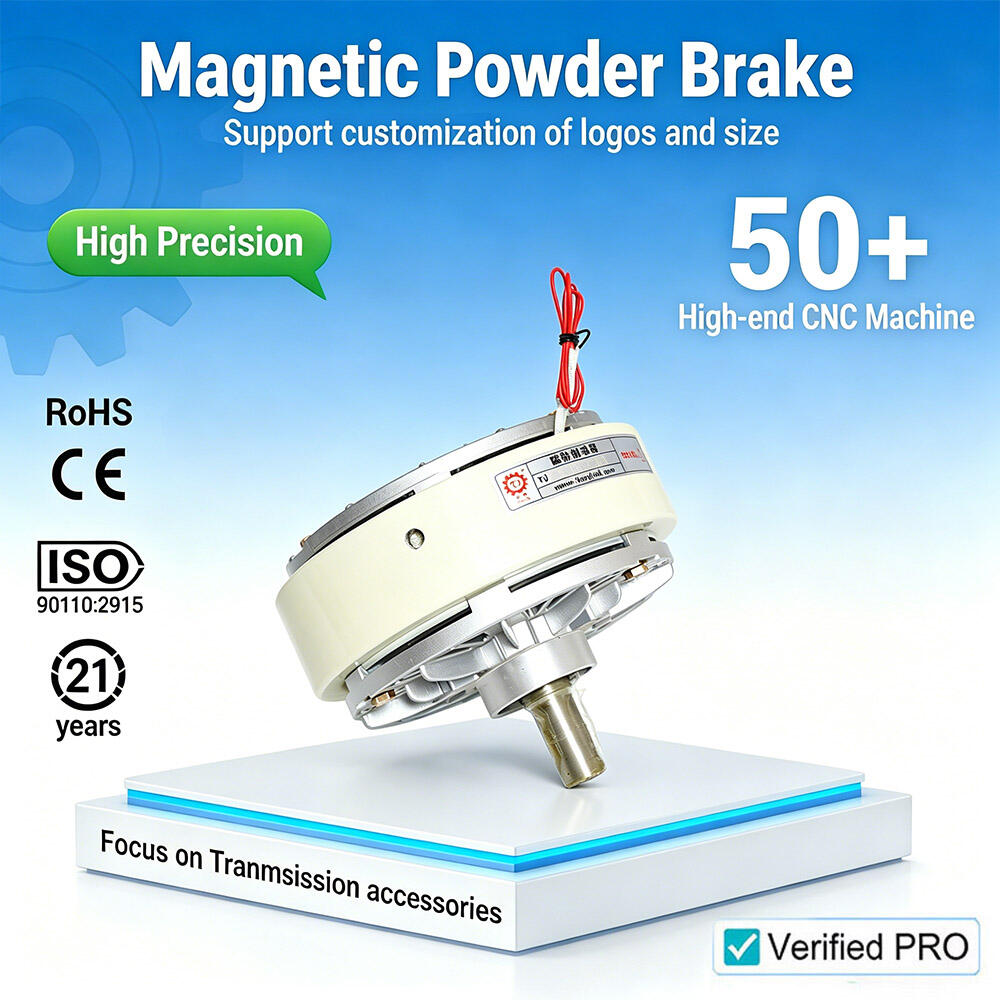
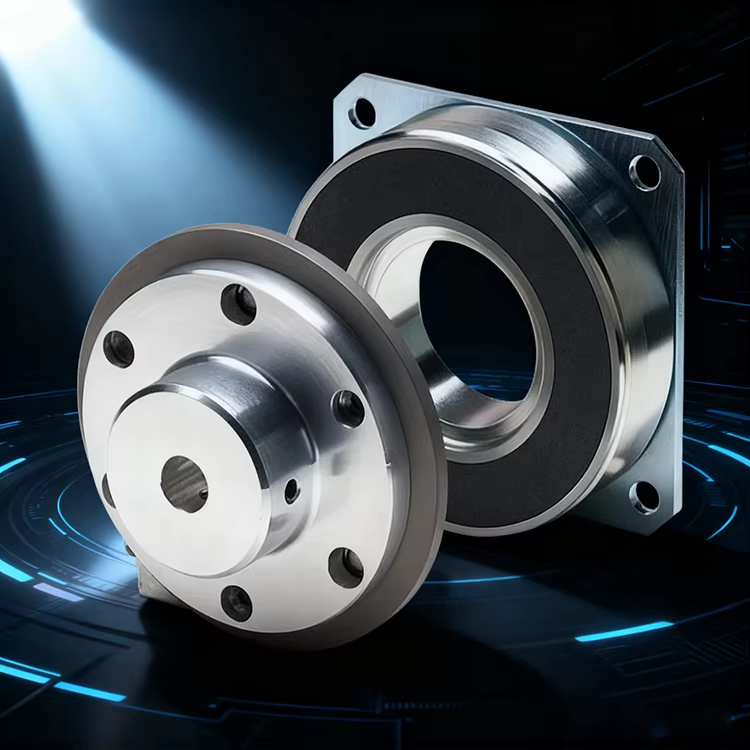
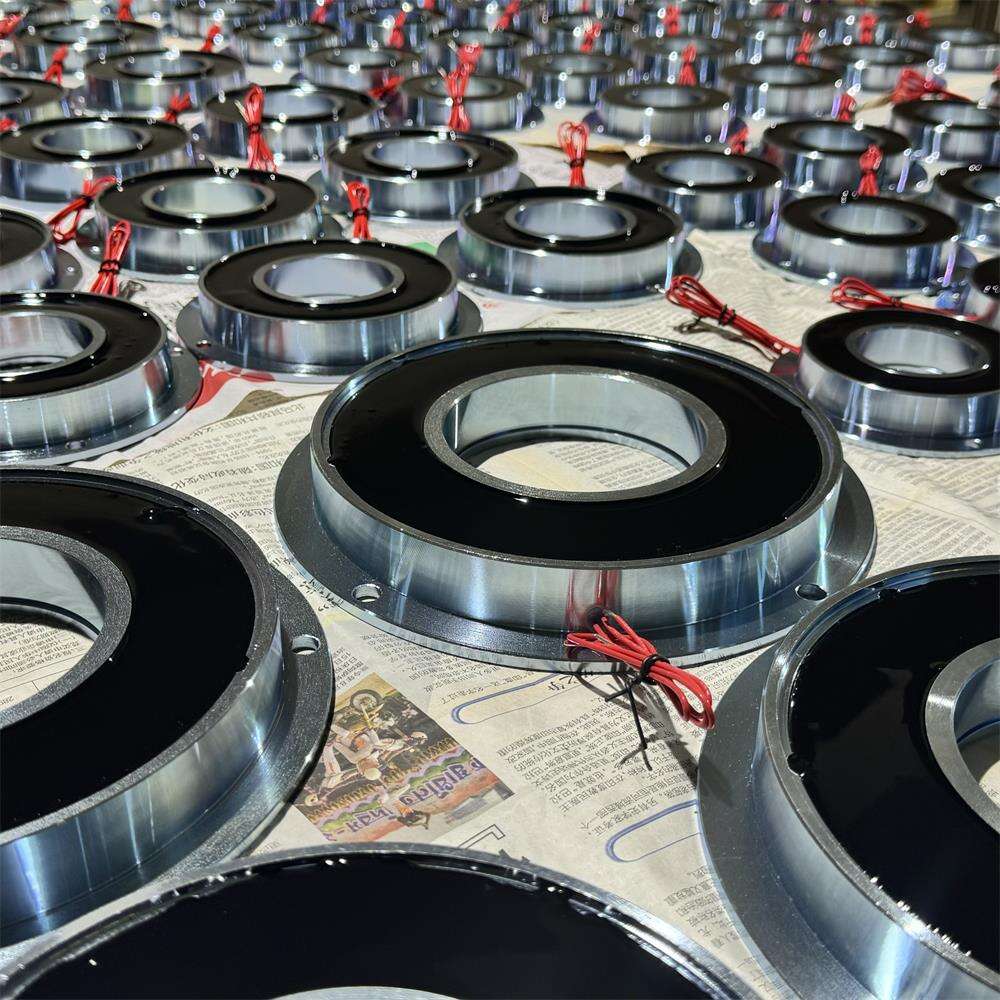
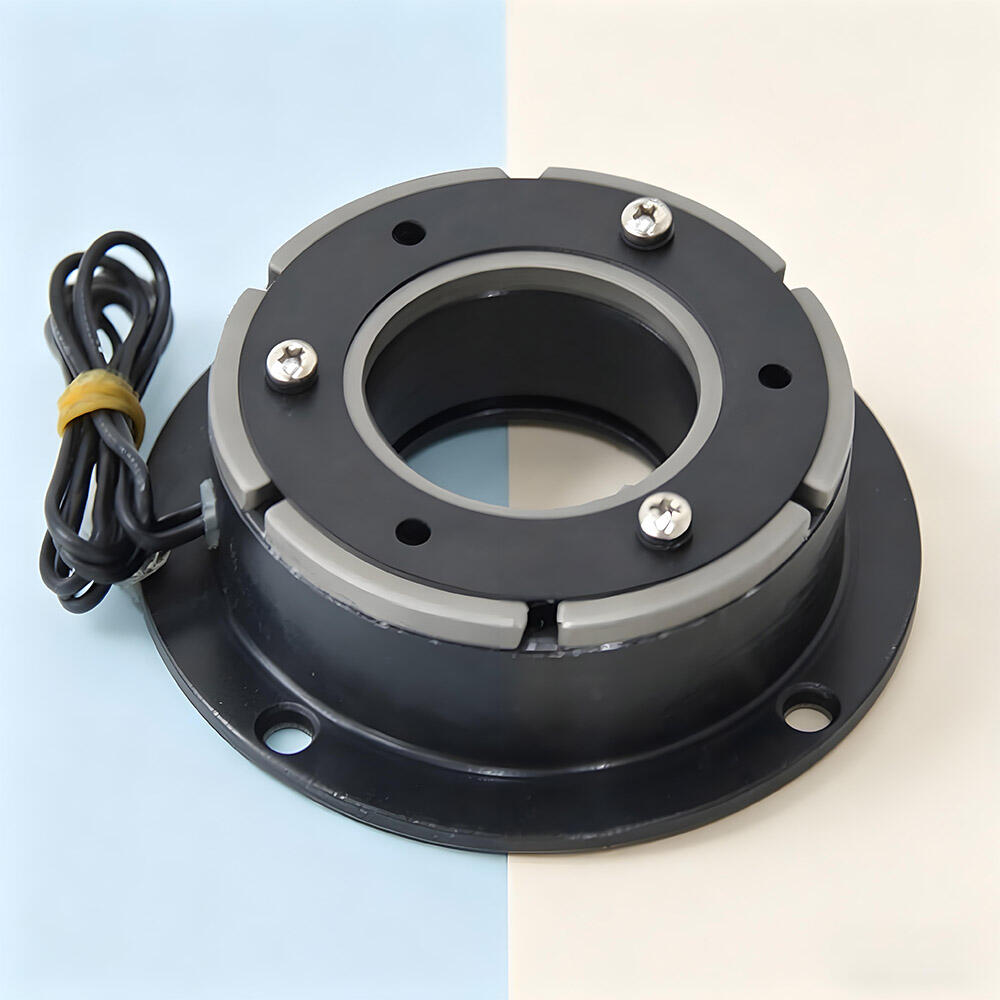
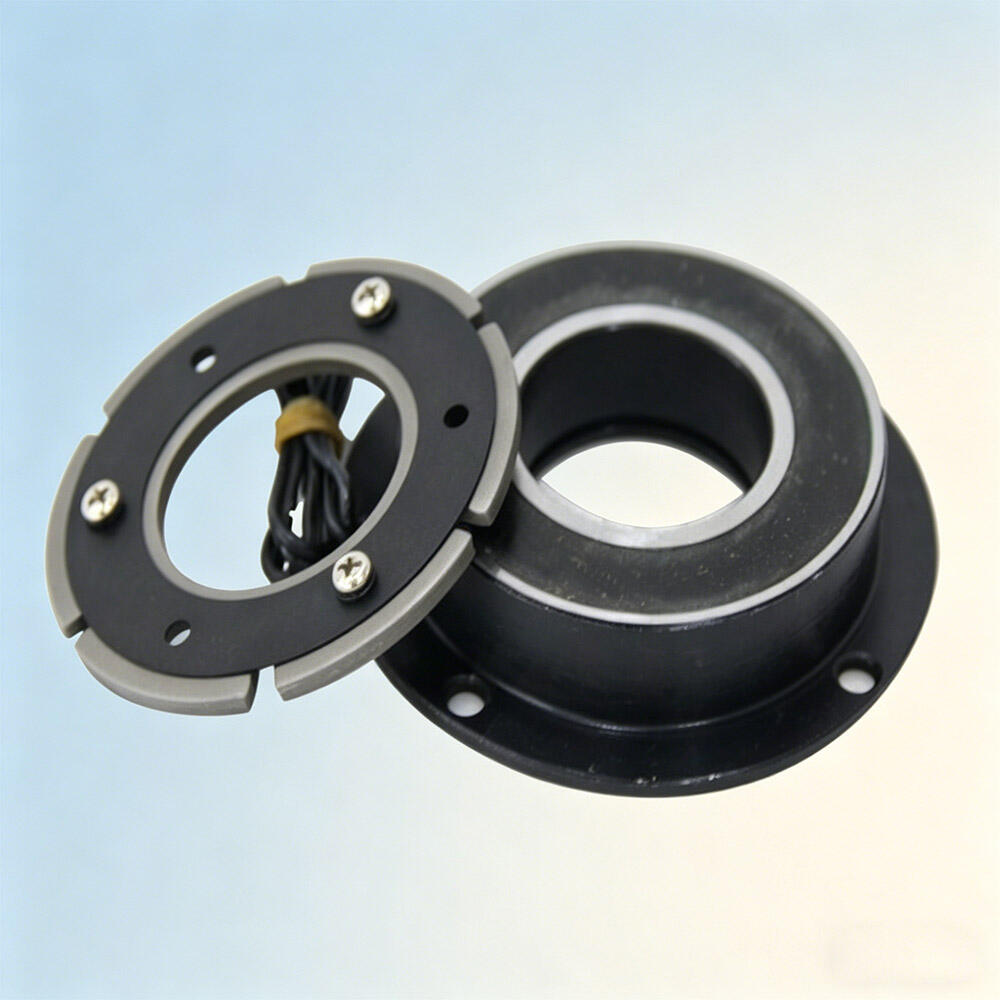
An electromagnet brake represents a sophisticated braking solution that utilizes electromagnetic principles to control and stop motion in various mechanical systems. This innovative device converts electrical energy into magnetic force, creating powerful stopping power that can be precisely controlled and modulated. The electromagnet brake operates through a fundamental yet elegant mechanism where an electric current passes through a coil, generating a magnetic field that engages the braking surfaces. When activated, the magnetic force pulls an armature plate against a friction surface, creating the necessary resistance to slow or halt movement. This technology has revolutionized industrial applications by offering superior control compared to traditional mechanical braking systems. The main functions of an electromagnet brake include providing instant stopping power, maintaining holding force when stationary, enabling smooth deceleration, and offering precise speed control in dynamic applications. From a technological perspective, these brakes feature rapid response times, typically engaging within milliseconds of receiving an electrical signal. The design incorporates heat-dissipating materials that manage thermal buildup during repeated braking cycles, ensuring consistent performance even under demanding conditions. Modern electromagnet brakes integrate seamlessly with automated control systems, allowing for programmable braking patterns and integration with safety circuits. Applications span numerous industries including manufacturing automation, material handling equipment, robotics, elevators, wind turbines, packaging machinery, printing presses, and conveyor systems. In manufacturing environments, electromagnet brakes provide the precise stopping control necessary for accurate positioning and synchronization. The construction industry benefits from their reliable holding power in hoisting equipment, while the entertainment sector uses them in stage machinery where precise timing is critical. The versatility of electromagnet brake technology makes it indispensable in any application requiring reliable, controllable, and repeatable braking performance. As industrial processes become increasingly automated, the demand for sophisticated braking solutions continues to grow, positioning electromagnet brakes as essential components in modern engineering design.

New Product Recommendations

Choosing an electromagnet brake for your equipment delivers numerous practical benefits that directly impact operational efficiency and cost management. First and foremost, these brakes offer exceptional response speed, engaging almost instantaneously when power is applied. This rapid activation means your machinery stops precisely when needed, reducing positioning errors and improving production quality. Unlike hydraulic or pneumatic systems that require time to build pressure, an electromagnet brake responds within milliseconds, giving you tighter control over your processes. The precision control available with electromagnet brake technology allows operators to adjust braking force simply by modulating the electrical current. This means you can fine-tune stopping power to match specific load requirements without mechanical adjustments or component changes. Your maintenance teams will appreciate the simplicity of this electrical adjustment compared to traditional mechanical brake adjustments that require physical access and specialized tools. Energy efficiency stands out as another significant advantage. An electromagnet brake only consumes power during the braking action itself. Many designs use spring-applied, electrically-released configurations that hold loads securely without continuous power consumption, reducing your energy costs substantially. This efficiency translates directly to lower operating expenses over the equipment lifetime. Durability and longevity characterize electromagnet brake performance. With fewer moving parts than complex mechanical systems, these brakes experience less wear and require fewer replacement components. The enclosed design protects critical elements from environmental contaminants like dust, moisture, and chemical exposure that plague open mechanical systems. Your equipment experiences less downtime because electromagnet brakes maintain consistent performance across millions of operating cycles. Installation simplicity saves both time and money during equipment setup or retrofitting projects. The compact design of most electromagnet brake units fits into tight spaces where bulky mechanical or hydraulic systems cannot. Mounting typically requires only simple brackets and electrical connections, eliminating complex linkages, fluid lines, or air supply infrastructure. Maintenance requirements remain minimal throughout the service life. Regular inspections involve simple visual checks and basic electrical measurements rather than fluid level monitoring, seal replacement, or complex mechanical adjustments. When service is eventually needed, replacement parts are readily available and installation is straightforward, minimizing equipment downtime. Safety features built into electromagnet brake systems provide additional value. Fail-safe designs automatically engage braking when power is lost, preventing dangerous runaway conditions. This automatic protection gives operators peace of mind and helps meet workplace safety regulations. The quiet operation of electromagnet brakes creates a more pleasant working environment compared to the noise generated by mechanical or pneumatic systems, contributing to better workplace conditions and regulatory compliance regarding noise exposure.

Practical Tips

Transmission Pain Points in Printing/Textile/Chemical Machinery: How Electromagnetic Clutches Improve Equipment Stability?

08

Dec

Transmission Pain Points in Printing/Textile/Chemical Machinery: How Electromagnetic Clutches Improve Equipment Stability?

Struggling with transmission instability in printing, textile, or chemical machinery? TJ-A electromagnetic clutches eliminate slip, boost throughput 15–20%, and ensure asbestos-free safety. Discover how top global manufacturers achieve 99.8% reliability—request a spec sheet today.
View More
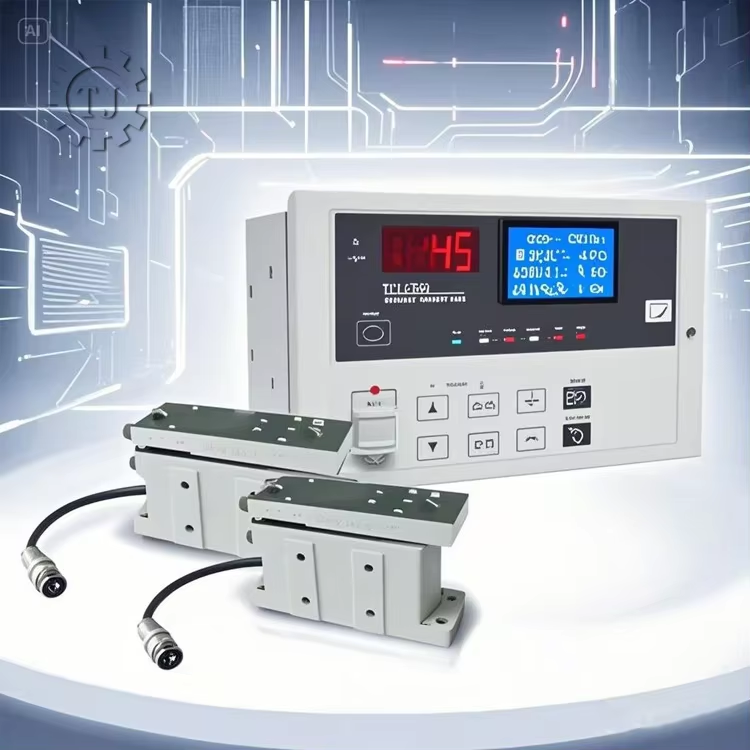
High-Quality Web Guide Control Systems From a Leading Domestic Manufacturer With 20 Years of Expertise

08

Dec

High-Quality Web Guide Control Systems From a Leading Domestic Manufacturer With 20 Years of Expertise

Discover high-precision web guide control systems from a trusted domestic manufacturer with 20 years of R&D expertise. Reduce waste, boost efficiency, and ensure reliability. Request a quote today.
View More
The Pain of Non-Standard Transmission in Special Working Conditions

09

Apr

The Pain of Non-Standard Transmission in Special Working Conditions

Struggling with standard transmission failures in extreme temps, dust, or tight spaces? TianJi’s 20-year R&D delivers reliable custom clutches & brakes—engineered for your exact specs. Get a free technical consultation today.
View More

Get Your Custom Quote

Tell us your requirements and get a tailored solution for your project.
Name
Mobile
Email
Please include
Message
0/1000

electromagnet brake

Superior Control Precision and Responsiveness

Superior Control Precision and Responsiveness

The electromagnet brake delivers unmatched control precision that transforms how your equipment performs critical stopping and holding functions. This precision stems from the direct relationship between electrical input and magnetic force generation, creating a linear and predictable braking response. When you need to position a load within fractions of an inch or stop a high-speed process at exactly the right moment, the electromagnet brake responds with consistency that mechanical systems simply cannot match. The electromagnetic actuation eliminates the compliance and slack inherent in mechanical linkages, cables, and hydraulic systems. Every electrical signal translates immediately into magnetic force without the delays caused by fluid compression, cable stretch, or mechanical backlash. This direct energy conversion means your control signals produce immediate results, enabling precision that meets the demanding requirements of modern automated manufacturing. The responsiveness of an electromagnet brake proves particularly valuable in applications involving rapid cycling or frequent speed changes. Production equipment that starts and stops repeatedly throughout a shift benefits enormously from braking systems that engage and release cleanly without hesitation or variation. Packaging lines, assembly stations, and material handling systems all operate more efficiently when braking performance remains consistent cycle after cycle. Temperature stability further enhances the precision of electromagnet brake operation. While hydraulic fluid viscosity changes with temperature and mechanical friction varies as components heat up, electromagnetic force generation remains remarkably stable across normal operating temperature ranges. Your equipment maintains consistent braking characteristics from cold startup through hours of continuous operation. The ability to electronically adjust braking force provides operational flexibility that adapts to changing production requirements. When you switch between different products or materials with varying weights or speeds, simple electrical adjustments optimize braking performance without stopping production for mechanical modifications. This adaptability reduces changeover time and keeps your operation running efficiently. Integration with modern control systems amplifies the precision advantages of electromagnet brake technology. Programmable logic controllers can modulate braking force in real time based on sensor feedback, creating intelligent braking strategies that respond to actual operating conditions. This closed-loop control achieves positioning accuracy and process consistency that would be impossible with fixed mechanical systems.
Exceptional Reliability and Extended Service Life

Exceptional Reliability and Extended Service Life

Reliability forms the cornerstone of electromagnet brake design, delivering dependable performance that keeps your equipment running when you need it most. The robust construction and intelligent engineering behind these braking systems result in exceptional service life that minimizes replacement costs and maximizes equipment uptime. Understanding the reliability advantages helps you appreciate the long-term value that electromagnet brake technology brings to your operation. The fundamental design of an electromagnet brake incorporates fewer moving parts than conventional mechanical braking systems. This simplicity directly translates to fewer potential failure points and reduced wear over time. While complex mechanical systems involve multiple pivot points, linkages, springs, and adjustment mechanisms that each represent potential maintenance issues, the electromagnet brake operates through straightforward electromagnetic attraction with minimal mechanical complexity. This elegant simplicity proves itself through extended periods of trouble-free operation. Material selection in quality electromagnet brake construction focuses on durability and resistance to operating stresses. The friction surfaces use specially formulated materials engineered to withstand repeated thermal cycles without degradation. These advanced materials maintain consistent friction characteristics across millions of braking events, ensuring that performance remains stable throughout the service life. The electromagnetic coil construction employs high-temperature insulation systems that resist thermal breakdown even under demanding duty cycles. Environmental protection built into electromagnet brake designs shields sensitive components from contamination that shortens the life of exposed mechanical systems. Sealed housings keep out dust, dirt, moisture, and corrosive substances that would otherwise attack friction surfaces, electrical connections, and moving parts. This protection proves especially valuable in harsh industrial environments where airborne contaminants are unavoidable. Your electromagnet brake continues operating reliably while exposed mechanical systems require frequent cleaning and component replacement. Heat management represents a critical factor in electromagnet brake longevity. Intelligent thermal design incorporates cooling fins, heat-conductive materials, and strategic component placement that dissipates heat generated during braking. By managing thermal buildup effectively, these systems avoid the performance degradation and accelerated wear that plague overheated braking components. The result is consistent braking force and extended component life even under heavy-duty operating conditions. Electrical components within electromagnet brake systems benefit from solid-state control technology that eliminates the wear associated with mechanical switching. Modern electronic controls handle thousands of switching cycles without the contact degradation that eventually fails mechanical relays and contactors. This electronic reliability ensures your braking system responds correctly every time, year after year, without the maintenance headaches of older control technologies.
Cost-Effective Operation and Maintenance Simplicity

Cost-Effective Operation and Maintenance Simplicity

The financial advantages of electromagnet brake technology extend far beyond the initial purchase price, delivering ongoing cost savings that accumulate throughout the equipment lifecycle. Understanding these economic benefits helps you recognize the true value proposition that electromagnet brakes offer compared to alternative braking technologies. The total cost of ownership includes purchase price, installation expenses, energy consumption, maintenance requirements, and replacement part costs, and electromagnet brakes excel in each category. Energy efficiency represents one of the most significant ongoing cost advantages. An electromagnet brake consumes electrical power only during actual braking events, and many designs use spring-applied configurations that hold loads securely without any power consumption. Compare this to hydraulic systems that run pumps continuously or pneumatic systems that constantly consume compressed air, and the energy savings become substantial. Over years of operation, these efficiency advantages translate to meaningful reductions in your utility costs. Installation cost savings begin with the compact design that eliminates expensive mounting structures and complex installation procedures. You avoid the expense of hydraulic power units, fluid reservoirs, pressure lines, and associated fittings required by hydraulic systems. Pneumatic installations similarly require air supply infrastructure, pressure regulation equipment, and distribution piping that add significant cost. The electromagnet brake needs only electrical connections and simple mounting brackets, reducing both material and labor expenses during installation. Maintenance simplicity directly impacts your bottom line by reducing labor hours and minimizing spare parts inventory. The electromagnet brake requires no fluid changes, filter replacements, or seal maintenance that burden hydraulic systems. There are no air dryers to service, no condensate drains to monitor, and no pressure regulators to calibrate as with pneumatic systems. Your maintenance team performs simple visual inspections and basic electrical checks rather than complex servicing procedures, freeing their time for other critical tasks. Downtime costs decrease substantially with electromagnet brake reliability. When braking systems fail, production stops and revenue disappears while repairs are completed. The exceptional reliability of electromagnet brake designs means failures occur far less frequently than with complex mechanical or fluid power systems. When service is eventually required, the straightforward design enables rapid diagnosis and repair, getting your equipment back into production quickly. Spare parts costs remain manageable because electromagnet brake designs use standardized components rather than specialized custom parts. Friction disc materials, coil assemblies, and mounting hardware are readily available from multiple sources at competitive prices. This parts availability contrasts sharply with proprietary hydraulic components or specialized mechanical assemblies that may only be available from original equipment manufacturers at premium prices. The long service life of electromagnet brake components reduces replacement frequency, further lowering lifetime parts costs.
email goToTop