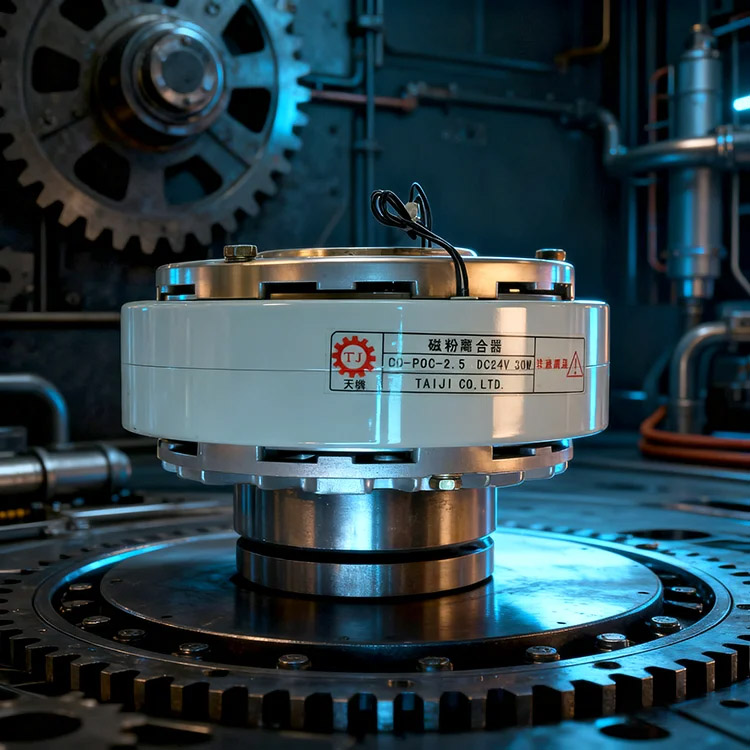
electromagnetic drum brake
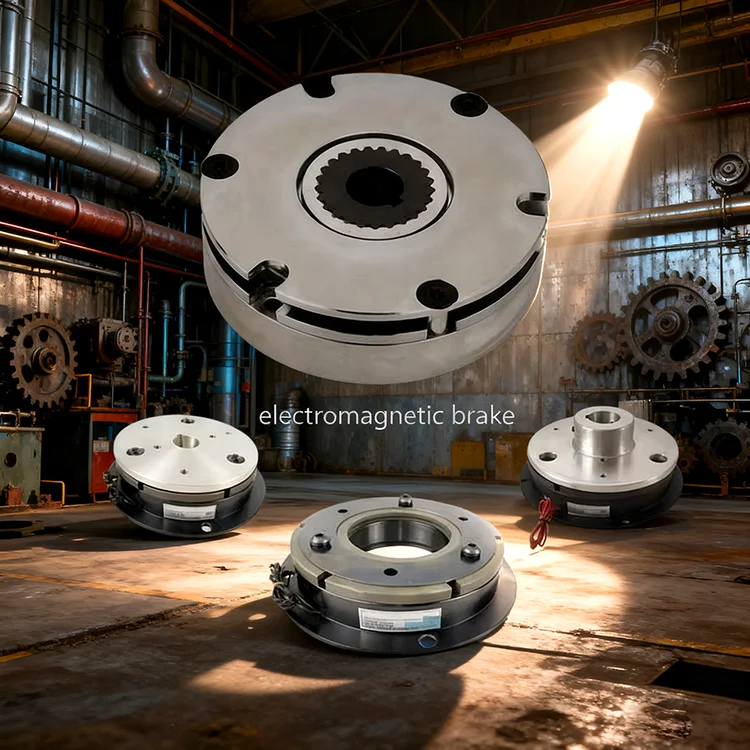
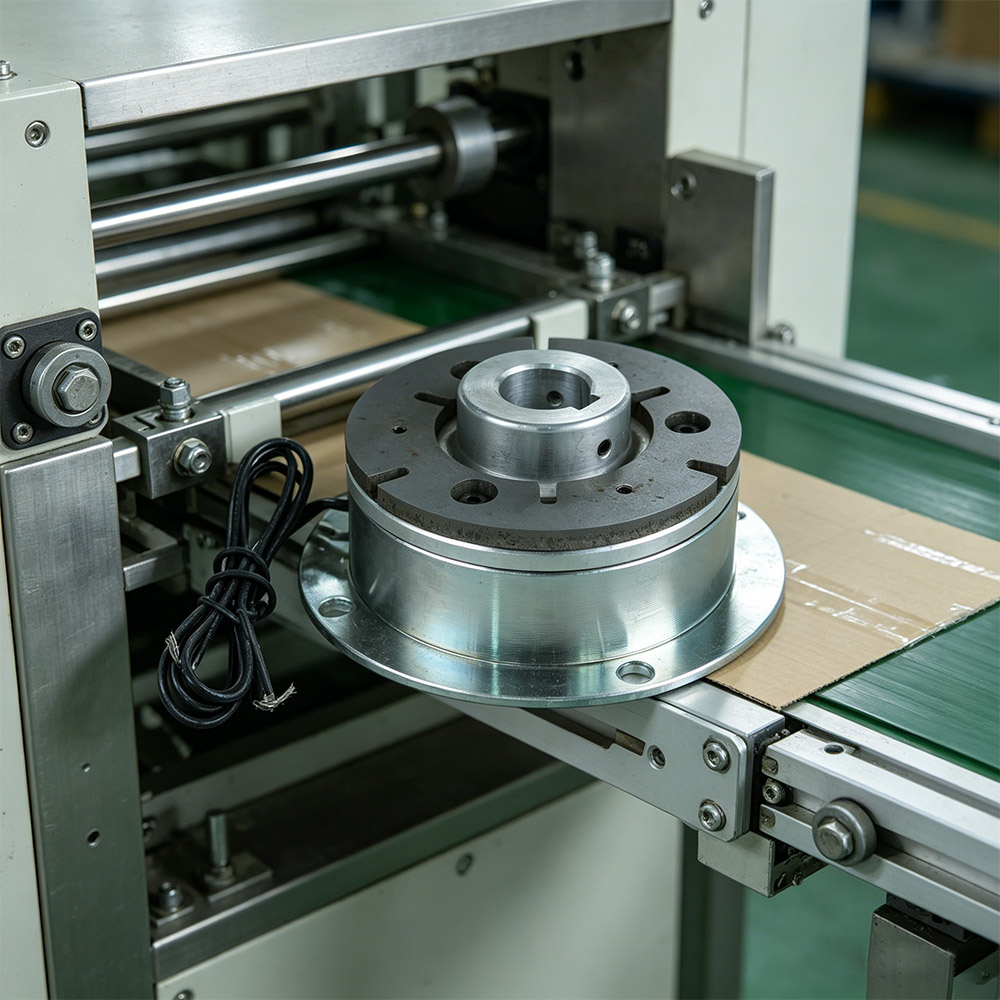
The electromagnetic drum brake represents a sophisticated braking solution that combines electromagnetic technology with traditional drum brake mechanisms to deliver superior stopping power and control. This advanced braking system operates through the principle of electromagnetic induction, where an electric current passes through a coil to generate a magnetic field that actuates the braking mechanism. The electromagnetic drum brake serves multiple critical functions in industrial machinery and transportation equipment, providing reliable deceleration, holding capabilities, and emergency stopping functions. Its primary technological features include rapid response times, adjustable braking force, minimal maintenance requirements, and exceptional durability under demanding operating conditions. The system consists of several key components: an electromagnetic coil assembly, a drum assembly, friction lining materials, and a spring-return mechanism that ensures fail-safe operation. When electrical power is applied, the electromagnetic force draws the brake shoes or armature against the rotating drum surface, creating friction that converts kinetic energy into heat energy, thereby slowing or stopping the motion. The electromagnetic drum brake finds extensive applications across numerous industries, including material handling equipment such as cranes, hoists, and conveyors, as well as in wind turbines, elevators, mining machinery, and various automated production systems. The versatility of this braking technology makes it suitable for both vertical and horizontal applications, accommodating different load capacities ranging from light-duty to heavy-industrial operations. Modern electromagnetic drum brake designs incorporate advanced materials and engineering refinements that enhance thermal management, reduce noise levels, and extend service life. The integration of smart monitoring capabilities in contemporary models allows for predictive maintenance scheduling and real-time performance analysis, contributing to improved operational efficiency and safety standards across diverse industrial applications.

 EN
EN