Electromagnetic Brake System: Advanced Braking Solutions for Industrial Applications

All Categories

electromagnetic brake system

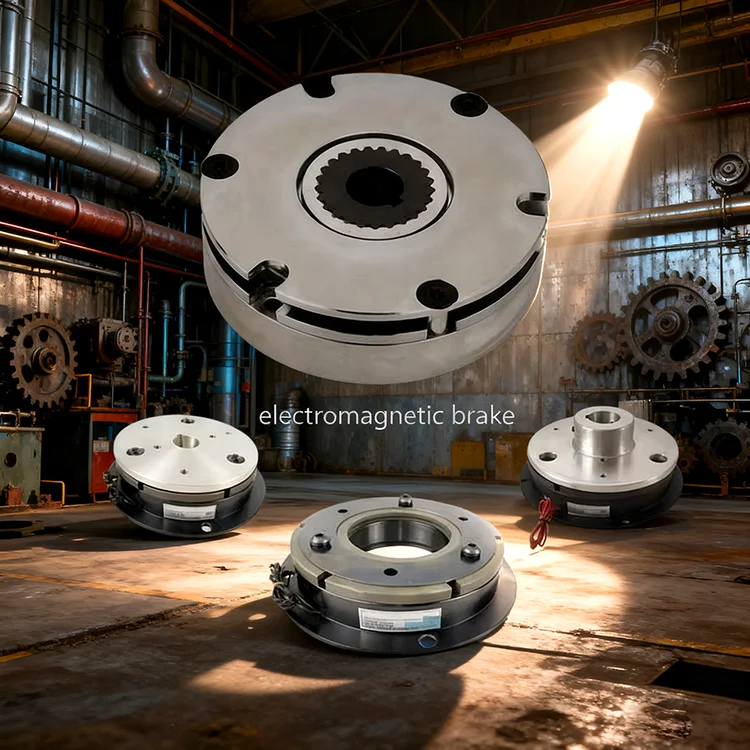
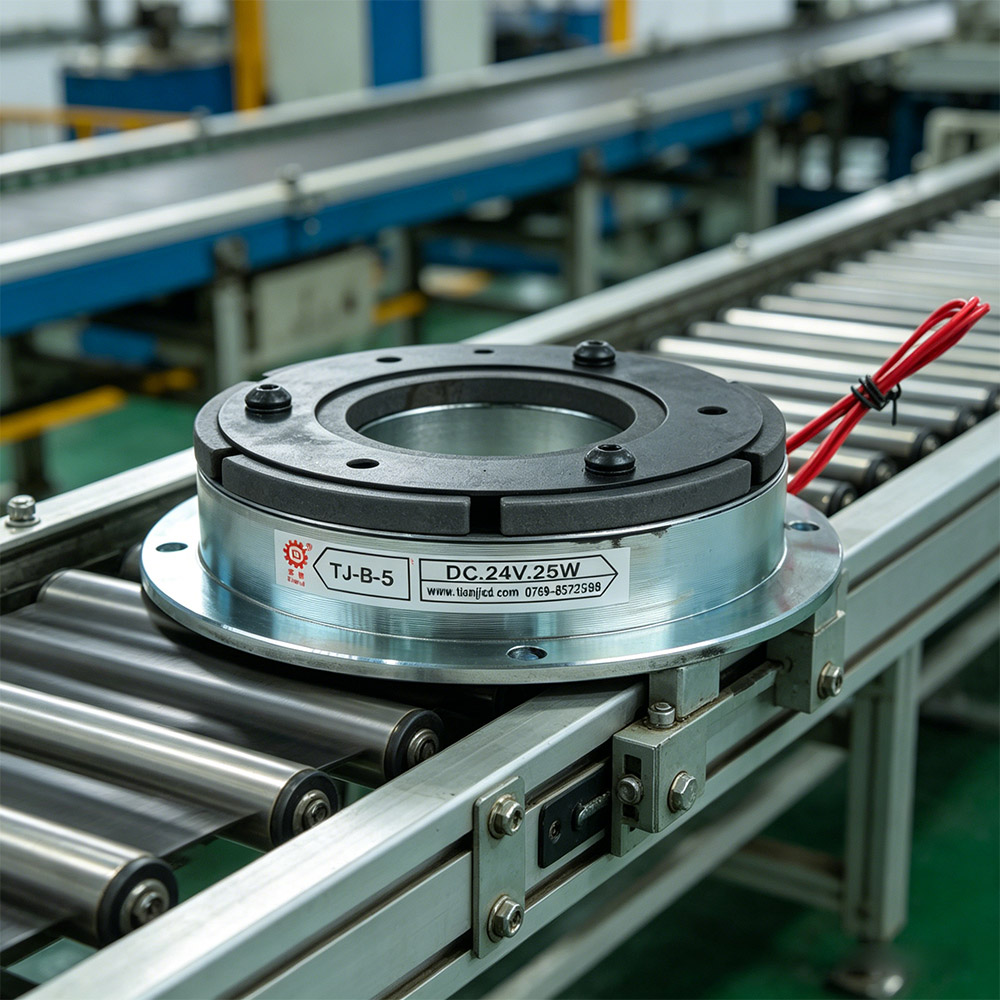
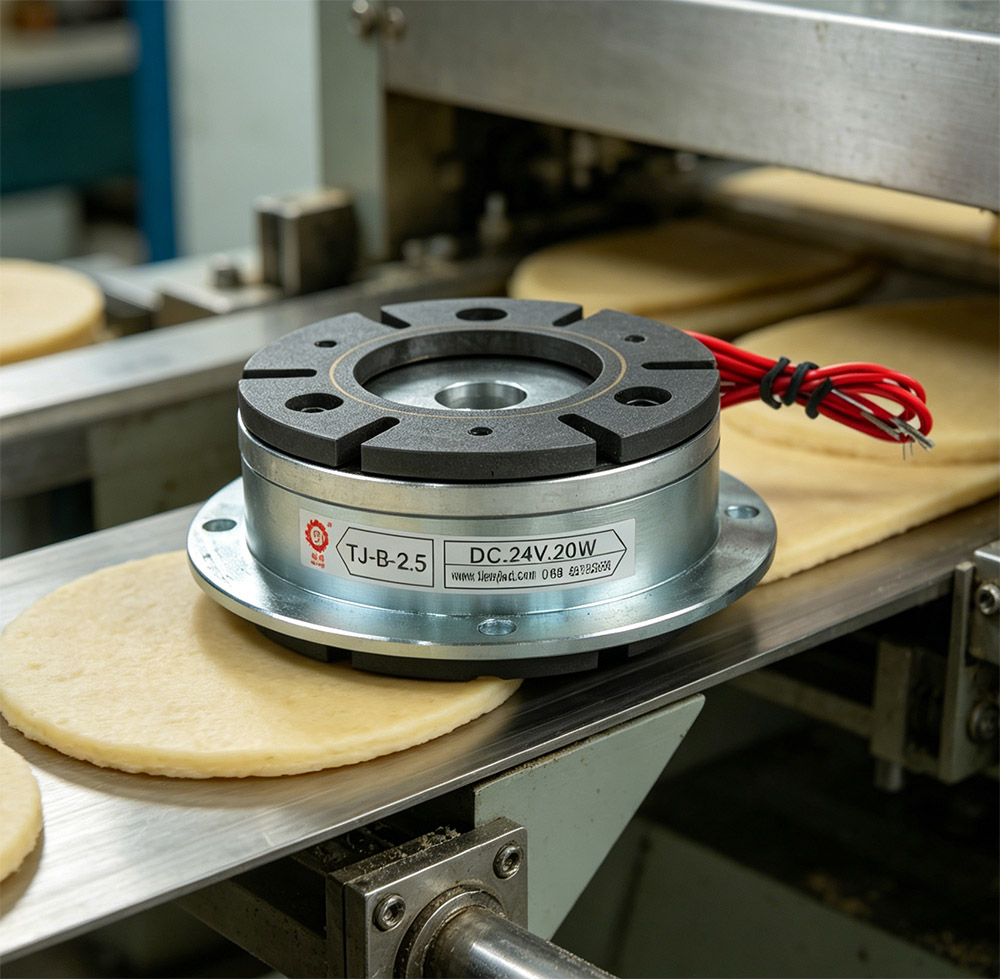
An electromagnetic brake system represents a sophisticated braking technology that utilizes electromagnetic force to create stopping power in various mechanical applications. This innovative system operates on the principle of electromagnetic induction, where an electric current generates a magnetic field that produces the braking force necessary to slow down or completely halt rotating components. The electromagnetic brake system consists of several critical components including an electromagnet, armature plate, friction disc, housing unit, and control circuitry that work together seamlessly to deliver reliable braking performance. When electrical current flows through the coil windings, it creates a powerful magnetic field that attracts the armature plate, pressing it against the friction surface to generate the required braking torque. The main functions of an electromagnetic brake system include providing precise speed control, enabling rapid stopping capabilities, maintaining holding power when stationary, and delivering consistent braking performance across varying operational conditions. The technological features that distinguish this system include its fast response time, typically measured in milliseconds, adjustable braking force through current modulation, zero mechanical linkage requirements, and minimal maintenance needs due to fewer moving parts. Modern electromagnetic brake systems incorporate advanced control electronics that allow for programmable braking profiles, integration with automation systems, and real-time monitoring of brake performance parameters. These systems find extensive applications across numerous industries including manufacturing equipment, conveyor systems, packaging machinery, robotics, elevator systems, wind turbines, material handling equipment, and automated guided vehicles. The versatility of the electromagnetic brake system makes it suitable for both light-duty and heavy-duty applications, with models available in various sizes and power ratings to accommodate different load requirements. The system's ability to provide smooth, controllable braking action without generating excessive heat buildup makes it particularly valuable in applications requiring frequent start-stop cycles or precise positioning control.

New Products

The electromagnetic brake system delivers numerous practical benefits that directly impact operational efficiency and cost-effectiveness for businesses across industries. First and foremost, this braking technology offers exceptional reliability because it contains fewer mechanical components compared to traditional hydraulic or pneumatic brake systems, which means less can go wrong during operation. The simplicity of the design translates into reduced downtime and lower maintenance costs, allowing your operations to run smoothly with minimal interruptions. Installation proves remarkably straightforward since the electromagnetic brake system requires only electrical connections rather than complex hydraulic lines or air compressor systems, saving both time and money during setup. The response speed of this system stands out as a major advantage, with braking action initiated within milliseconds of receiving the command signal, enabling precise control over machinery and enhancing workplace safety by reducing stopping distances. Energy efficiency represents another compelling benefit, as the system only consumes electrical power during the actual braking process, unlike some alternatives that require continuous energy input to maintain readiness. This translates into lower operating costs and reduced environmental impact over the system's lifetime. The electromagnetic brake system provides consistent performance regardless of ambient temperature fluctuations, humidity levels, or altitude changes, ensuring your equipment operates reliably in diverse environmental conditions. Operators appreciate the quiet operation of this system, which produces minimal noise compared to mechanical brake alternatives, creating a more comfortable working environment and reducing noise pollution in industrial settings. The adjustability factor offers tremendous flexibility, allowing operators to fine-tune braking force by simply modifying the electrical current supplied to the electromagnet, enabling optimization for different loads or operational requirements without mechanical adjustments. Safety features built into modern electromagnetic brake systems include fail-safe mechanisms that automatically engage the brake during power failures, protecting equipment and personnel from potential hazards. The compact footprint of these systems saves valuable space in machinery designs, allowing engineers to create more efficient equipment layouts and potentially reduce overall machine dimensions. Maintenance requirements remain minimal, typically involving only periodic inspection of friction surfaces and electrical connections, eliminating the need for fluid changes, seal replacements, or complex adjustments that plague other braking technologies. The longevity of electromagnetic brake systems exceeds many alternatives, with properly maintained units delivering years of reliable service before requiring component replacement, maximizing return on investment and reducing total cost of ownership.

Tips And Tricks

Transmission Pain Points in Printing/Textile/Chemical Machinery: How Electromagnetic Clutches Improve Equipment Stability?

08

Dec

Transmission Pain Points in Printing/Textile/Chemical Machinery: How Electromagnetic Clutches Improve Equipment Stability?

Struggling with transmission instability in printing, textile, or chemical machinery? TJ-A electromagnetic clutches eliminate slip, boost throughput 15–20%, and ensure asbestos-free safety. Discover how top global manufacturers achieve 99.8% reliability—request a spec sheet today.
View More
High-Quality Web Guide Control Systems From a Leading Domestic Manufacturer With 20 Years of Expertise

08

Dec

High-Quality Web Guide Control Systems From a Leading Domestic Manufacturer With 20 Years of Expertise

Discover high-precision web guide control systems from a trusted domestic manufacturer with 20 years of R&D expertise. Reduce waste, boost efficiency, and ensure reliability. Request a quote today.
View More
The Pain of Non-Standard Transmission in Special Working Conditions

09

Apr

The Pain of Non-Standard Transmission in Special Working Conditions

Struggling with standard transmission failures in extreme temps, dust, or tight spaces? TianJi’s 20-year R&D delivers reliable custom clutches & brakes—engineered for your exact specs. Get a free technical consultation today.
View More

Get Your Custom Quote

Tell us your requirements and get a tailored solution for your project.
Name
Mobile
Email
Please include
Message
0/1000

electromagnetic brake system

Precision Control and Instantaneous Response Time

Precision Control and Instantaneous Response Time

The electromagnetic brake system excels in delivering unparalleled precision control capabilities that prove essential for modern automated manufacturing and material handling operations. This precision stems from the system's electronic nature, which allows for incredibly accurate modulation of braking force through precise control of electrical current supplied to the electromagnet coils. Unlike mechanical brake systems that rely on physical linkages and adjustments, the electromagnetic brake system responds to digital control signals with remarkable consistency and repeatability. The instantaneous response time, typically ranging between 10 to 50 milliseconds depending on the specific model and application, enables machinery to achieve exact positioning requirements that would be impossible with slower-acting brake technologies. This rapid response proves particularly valuable in high-speed production lines where products must be positioned with millimeter accuracy for subsequent processing steps, packaging operations, or quality inspection procedures. The electromagnetic brake system integrates seamlessly with programmable logic controllers, motion control systems, and industrial automation networks, allowing engineers to implement sophisticated braking strategies that optimize production efficiency. Advanced control algorithms can modulate braking force dynamically based on load conditions, speed, and positioning requirements, ensuring smooth deceleration profiles that minimize mechanical stress on equipment components while maximizing throughput. The ability to program different braking profiles for various operational modes means a single electromagnetic brake system can adapt to changing production requirements without physical modifications or manual adjustments. In robotic applications, this precision control enables exact positioning of robotic arms and end effectors, improving product quality and reducing cycle times by eliminating overshoot and the need for multiple positioning attempts. The electromagnetic brake system's response characteristics remain consistent throughout its service life, unlike friction-based mechanical systems that experience performance degradation as components wear. This consistency ensures that automated systems maintain their precision over extended periods, reducing the need for frequent recalibration and minimizing production variations that could affect product quality or lead to increased scrap rates.
Maintenance-Free Operation and Extended Service Life

Maintenance-Free Operation and Extended Service Life

The electromagnetic brake system distinguishes itself through remarkably low maintenance requirements that deliver substantial cost savings and operational benefits over the equipment's lifetime. The fundamental design principle underlying this advantage involves minimizing the number of wear-prone components and eliminating elements that require periodic servicing such as hydraulic fluids, pneumatic seals, or complex mechanical linkages. Traditional brake systems demand regular attention including fluid level checks, leak inspections, seal replacements, and adjustment procedures that consume valuable maintenance resources and create opportunities for equipment downtime. In contrast, the electromagnetic brake system operates with minimal intervention, typically requiring only visual inspection of friction surfaces and verification of electrical connections during scheduled maintenance intervals. The absence of hydraulic fluids eliminates concerns about contamination, leakage, environmental compliance issues, and the costs associated with fluid disposal and replacement. The sealed design of modern electromagnetic brake systems protects internal components from environmental contaminants such as dust, moisture, and corrosive substances that commonly plague industrial environments, further extending service life and reducing failure rates. The friction materials used in quality electromagnetic brake systems utilize advanced compounds engineered for extended wear characteristics, often providing years of service before replacement becomes necessary, even in demanding applications with frequent braking cycles. The electrical components, including coil windings and control electronics, benefit from solid-state design principles that eliminate moving parts within the control system itself, dramatically improving reliability compared to mechanical or electromechanical alternatives. When maintenance or component replacement eventually becomes necessary, the modular design of electromagnetic brake systems simplifies the process, allowing technicians to replace worn friction discs or other serviceable components quickly without requiring specialized tools or extensive disassembly of surrounding equipment. The predictable wear patterns of electromagnetic brake systems enable implementation of condition-based maintenance strategies, where components are replaced based on actual wear rather than arbitrary time intervals, optimizing maintenance spending and reducing unnecessary parts replacement. Documentation of operating hours and braking cycles through integrated monitoring systems provides maintenance teams with accurate data for planning replacement activities, preventing unexpected failures and allowing maintenance to be scheduled during planned production breaks rather than forcing unscheduled downtime.
Versatile Applications and Adaptable Configurations

Versatile Applications and Adaptable Configurations

The electromagnetic brake system demonstrates exceptional versatility across an impressive range of industrial applications, machinery types, and operational requirements, making it a preferred braking solution for equipment designers and industrial operators worldwide. This adaptability stems from the availability of electromagnetic brake systems in numerous configurations, sizes, power ratings, and mounting options that accommodate everything from small precision instruments to massive industrial machinery. Manufacturers offer electromagnetic brake systems with torque ratings spanning from a few newton-meters for delicate laboratory equipment to thousands of newton-meters for heavy industrial applications such as mining equipment, steel mill machinery, and large-scale material handling systems. The physical form factors available include flange-mounted designs that integrate directly with motor housings, shaft-mounted configurations for retrofit applications, and custom-engineered solutions for specialized machinery where standard mounting arrangements prove inadequate. In conveyor systems, the electromagnetic brake system provides reliable holding force that prevents load backsliding on inclined sections while enabling smooth, controlled starts and stops that protect product integrity and reduce mechanical stress on drive components. Packaging machinery benefits from the rapid response and precise control characteristics of electromagnetic brake systems, enabling high-speed equipment to achieve the exact timing required for operations such as product cutting, sealing, labeling, and cartoning where positioning accuracy directly impacts product quality and production efficiency. Elevator and lifting equipment applications leverage the fail-safe characteristics of electromagnetic brake systems, which automatically engage when electrical power is removed, providing critical safety protection that prevents uncontrolled descent in the event of power failures or control system malfunctions. Wind turbine installations utilize powerful electromagnetic brake systems as secondary braking mechanisms that supplement aerodynamic braking, providing additional safety margin during emergency shutdown procedures or maintenance operations when the turbine rotor must be locked in position. Automated guided vehicles and mobile robotics benefit from the compact size and electrical efficiency of electromagnetic brake systems, which provide reliable holding force without draining battery reserves or adding excessive weight that would reduce payload capacity or operational range. The electromagnetic brake system adapts readily to extreme environmental conditions through appropriate selection of enclosure ratings, friction material compounds, and protective coatings that enable operation in environments characterized by extreme temperatures, high humidity, corrosive atmospheres, or exposure to contaminants that would quickly degrade alternative brake technologies. Integration capabilities with modern industrial control systems including fieldbus networks, industrial ethernet protocols, and wireless communication standards enable the electromagnetic brake system to participate fully in Industry 4.0 initiatives and smart manufacturing implementations where real-time monitoring and predictive maintenance strategies optimize overall equipment effectiveness.
email goToTop