Compact Dual-Function Design Saves Space and Costs
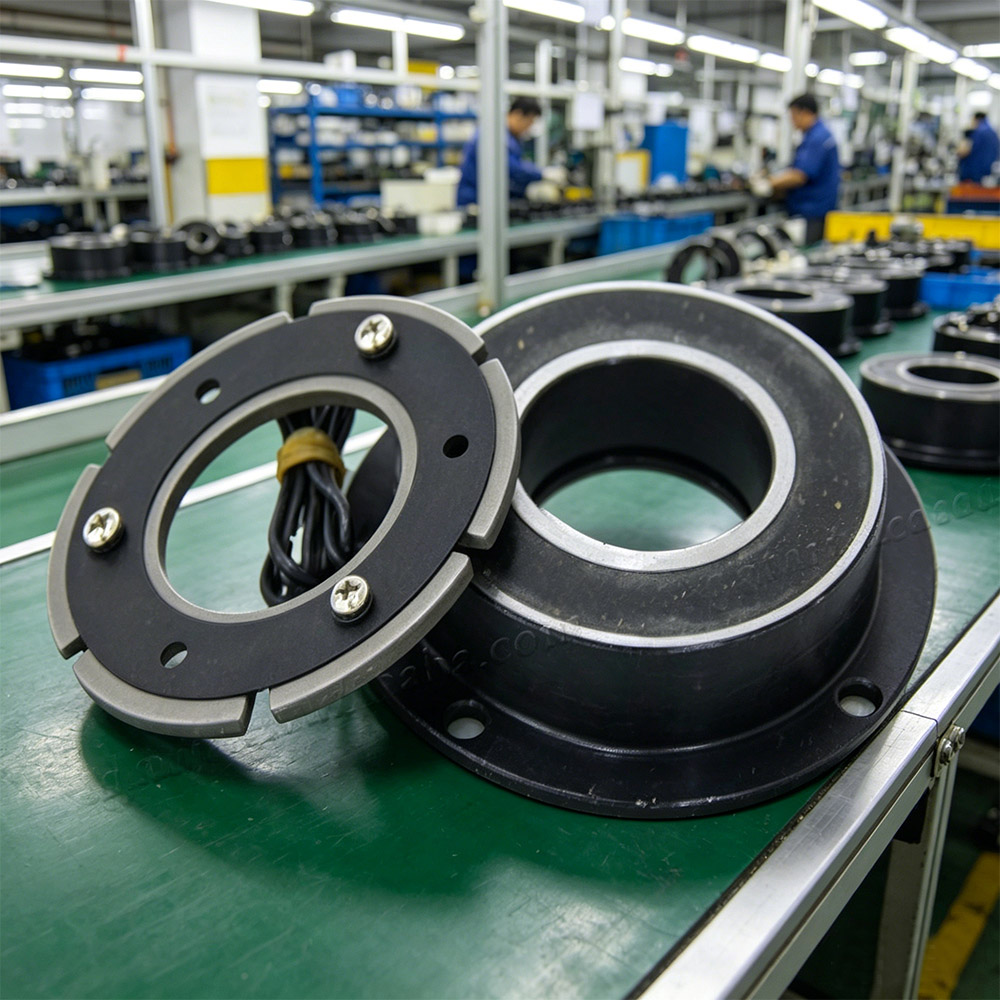
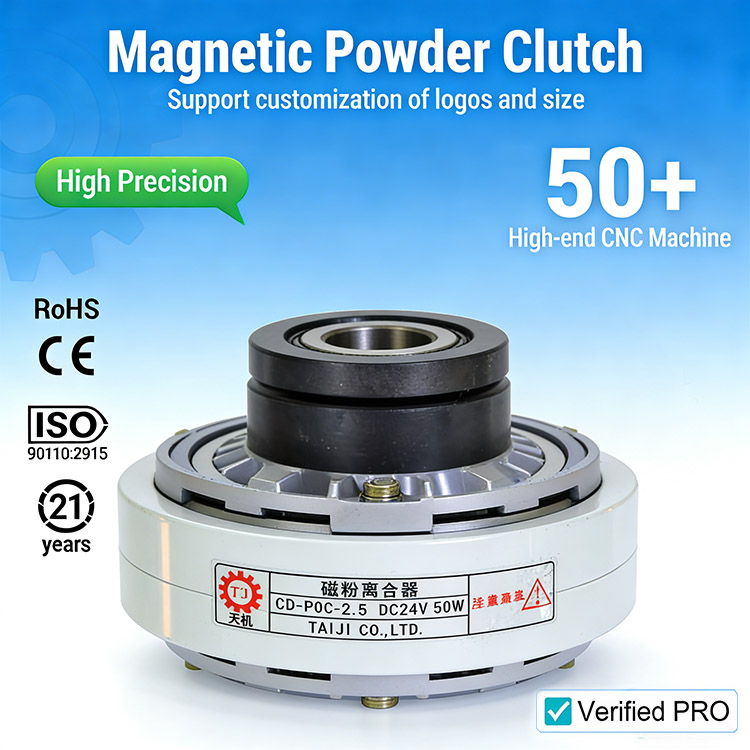
The electromagnetic clutch brake integrates clutching and braking capabilities within a single compact package, delivering substantial space savings and cost advantages compared to separate clutch and brake installations. This dual functionality represents a fundamental design efficiency that benefits machine builders and end users alike. When you select an electromagnetic clutch brake, you eliminate the need for two separate devices, their individual mounting hardware, additional wiring, and redundant control components. The space savings become immediately apparent in equipment design, allowing engineers to create more compact machinery footprints that conserve valuable manufacturing floor space. In urban manufacturing facilities where real estate costs reach premium levels, every square foot of floor space carries significant value, making compact equipment design a competitive advantage. The integrated design also simplifies machine architecture by reducing the number of shafts, bearings, and coupling components required in the power transmission system. Fewer components mean fewer potential failure points, enhanced overall reliability, and reduced spare parts inventory requirements. The cost benefits extend beyond initial purchase price to encompass installation labor, as technicians mount and wire a single device instead of coordinating two separate installations. This installation simplicity accelerates project timelines, allowing you to bring new production lines online faster and start generating revenue sooner. The electromagnetic clutch brake mounting typically requires minimal space along the shaft length, often fitting within the same footprint as a standard motor, which enables retrofitting into existing equipment without extensive mechanical modifications. The weight reduction achieved through integrated design decreases structural loading on mounting surfaces and reduces shipping costs for equipment manufacturers distributing machinery globally. From a maintenance perspective, the consolidated design means technicians service one device instead of two, reducing maintenance labor hours and simplifying spare parts management. The electromagnetic principle underlying both clutching and braking functions uses shared components including the coil, housing, and magnetic circuit, achieving manufacturing economies that translate to competitive pricing. This component sharing also ensures consistent performance characteristics between clutch and brake functions, as both rely on the same electromagnetic principles and friction materials. Machine control systems benefit from simplified programming when a single device handles both functions, reducing software development time and potential programming errors. The thermal management system serves both clutch and brake operations, efficiently dissipating heat generated during engagement cycles through shared cooling fins or liquid cooling passages.

 EN
EN