Electromagnetic Clutch Brake: High-Performance Control Solutions for Industrial Applications

All Categories

electromagnetic clutch brake

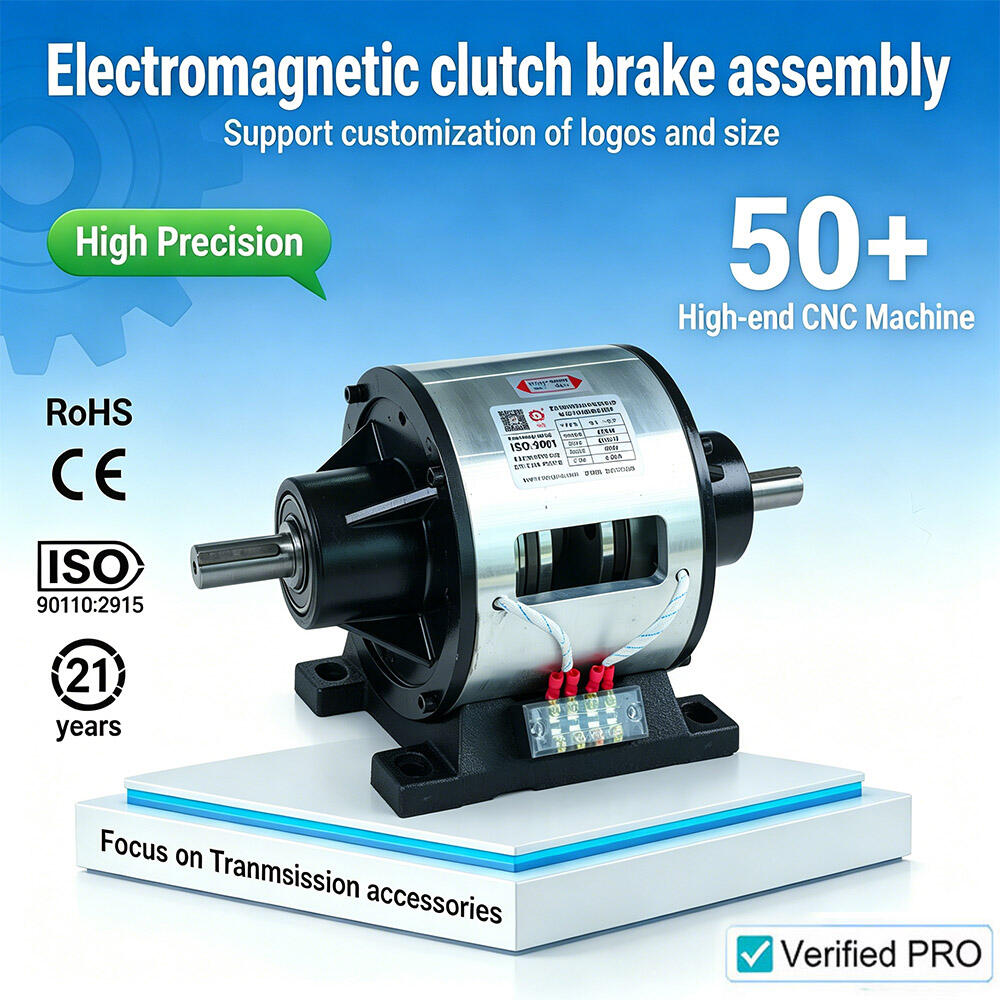
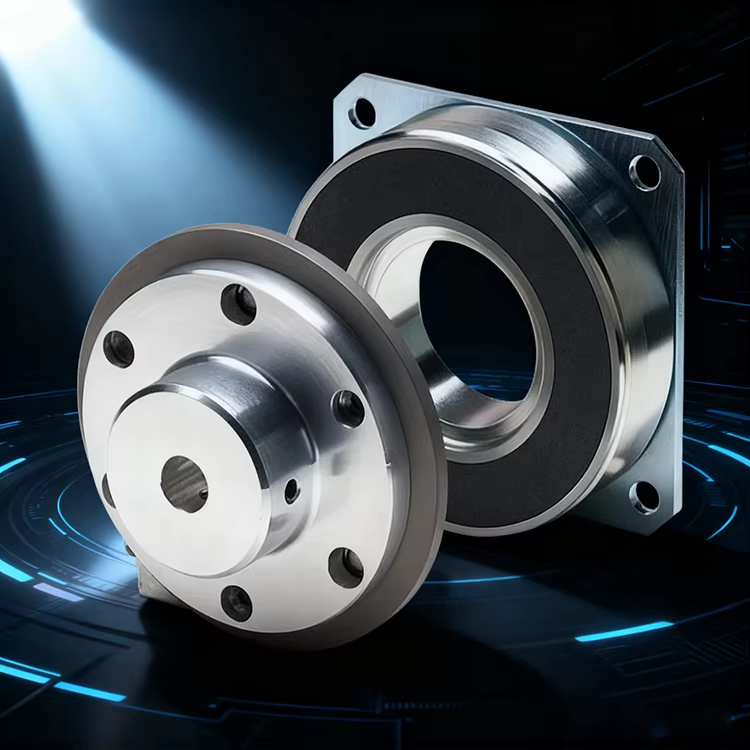
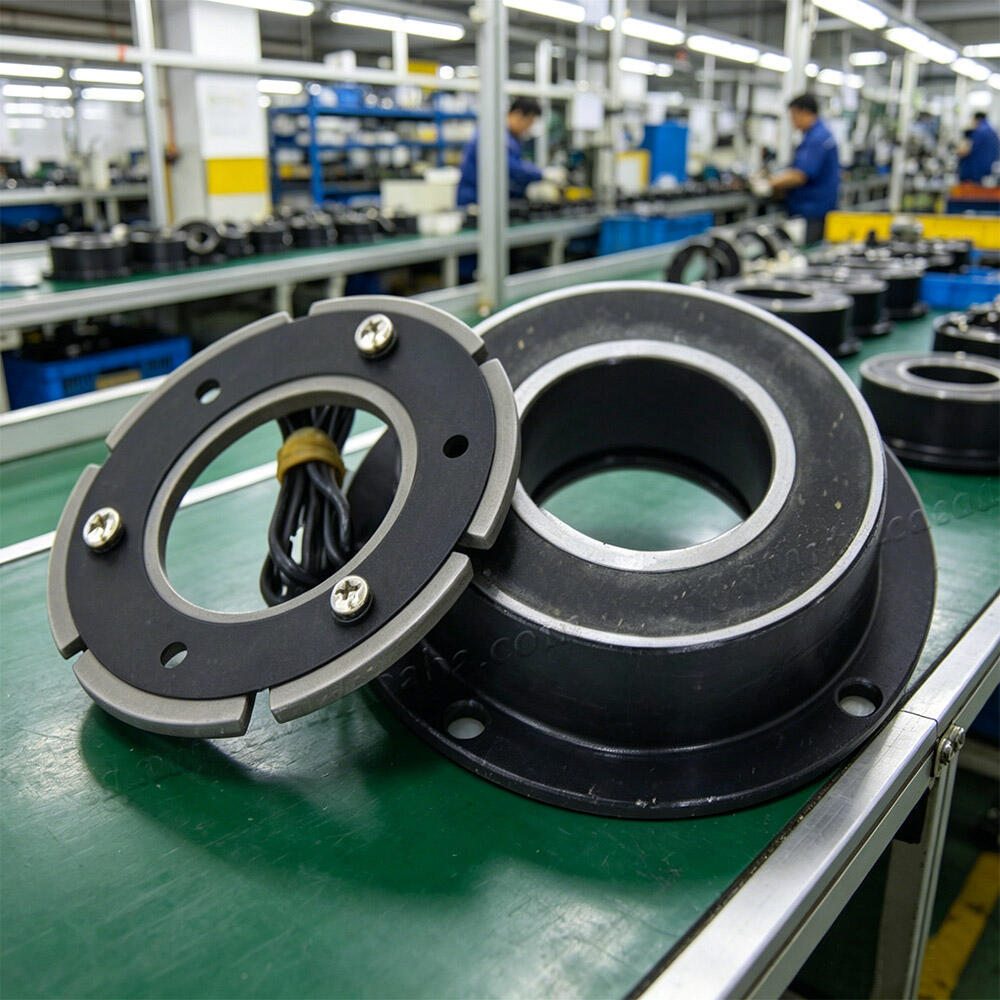
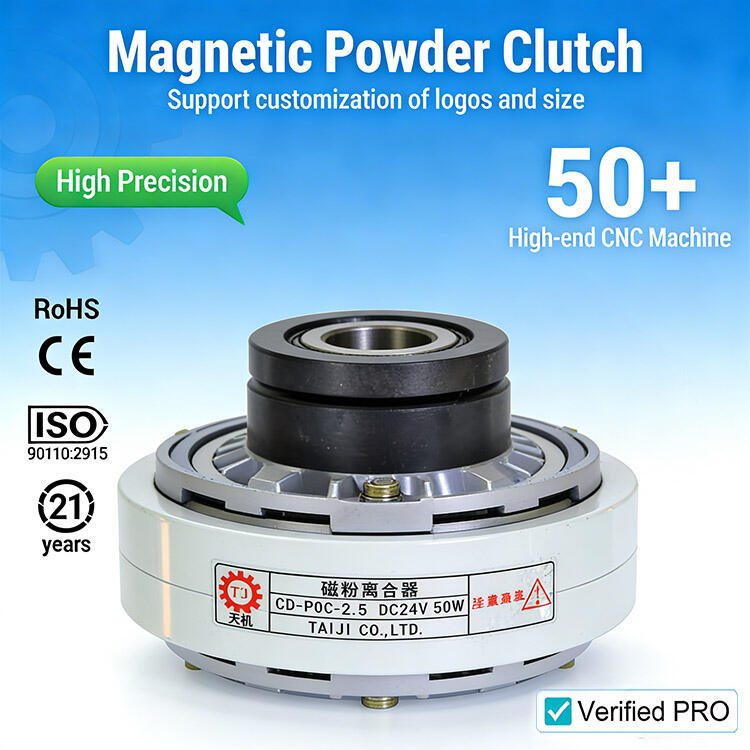
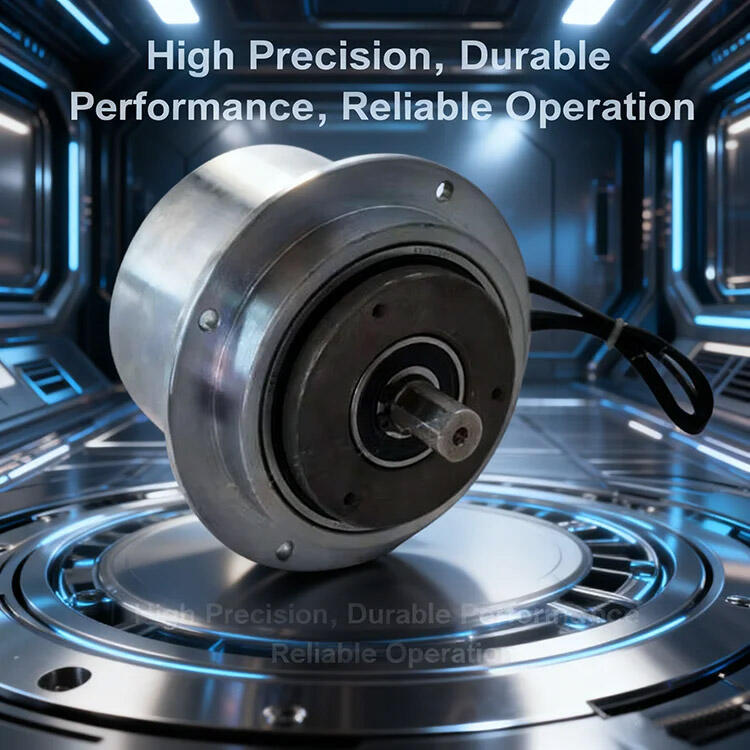
The electromagnetic clutch brake represents a sophisticated power transmission device that combines clutching and braking functions into a single compact unit. This innovative mechanism operates through electromagnetic principles, utilizing magnetic fields to control both engagement and disengagement of power transfer between rotating components. When electrical current flows through the coil, it generates a magnetic field that attracts the armature plate, creating friction that either transmits torque or brings rotating parts to a controlled stop. The electromagnetic clutch brake serves as an essential component in modern industrial machinery, offering precise control over motion and positioning. Its dual functionality eliminates the need for separate clutch and brake systems, reducing installation complexity and saving valuable space in equipment design. The device consists of several key components including the field coil, armature assembly, friction surfaces, and housing structure. These elements work together seamlessly to provide reliable performance across diverse operating conditions. The electromagnetic clutch brake excels in applications requiring frequent starts, stops, and position holding, making it indispensable in automated production lines, packaging equipment, printing presses, and material handling systems. Its response time typically measures in milliseconds, enabling rapid cycling without mechanical wear associated with traditional clutching mechanisms. The technology behind this device has evolved significantly, incorporating advanced materials for friction surfaces that deliver consistent performance across temperature ranges and extended service intervals. Modern electromagnetic clutch brake designs feature improved heat dissipation capabilities, enhanced electrical efficiency, and reduced power consumption compared to earlier generations. The ability to control engagement force through voltage regulation provides operators with adjustable torque characteristics, adapting to different load requirements without mechanical adjustments. This versatility makes the electromagnetic clutch brake suitable for applications spanning light-duty instrumentation to heavy industrial machinery, demonstrating its adaptability across power ranges from fractional horsepower to hundreds of kilowatts.

New Product Releases

Choosing an electromagnetic clutch brake delivers numerous practical benefits that directly impact your operational efficiency and bottom line. First and foremost, these devices offer exceptional reliability with minimal maintenance requirements, translating to reduced downtime and lower operational costs over the equipment lifecycle. Unlike mechanical clutches that rely on linkages, springs, and wear-prone components, electromagnetic systems have fewer moving parts, which means less frequent servicing and longer intervals between replacements. This reliability becomes particularly valuable in continuous production environments where unexpected equipment failures can result in costly production losses. The rapid response capability of electromagnetic clutch brakes enhances productivity by enabling faster machine cycles. When your equipment can start and stop more quickly with precision control, you can process more units per hour, directly increasing throughput without requiring additional machinery investment. The instant engagement and disengagement eliminate the gradual pickup associated with mechanical systems, providing crisp acceleration and deceleration that improves product quality and reduces material waste. Energy efficiency represents another significant advantage, as these devices only consume power during state changes or when holding loads. Unlike continuously engaged mechanical systems that waste energy through friction and drag, electromagnetic clutch brakes draw current only when needed, potentially reducing your facility energy costs by substantial margins over time. The precise control offered by electromagnetic systems enhances operator safety by providing predictable, repeatable stopping performance. Emergency stop functions respond immediately, bringing machinery to rest within defined safety parameters that protect personnel from hazardous conditions. This controllability also enables smooth, gradual engagement that prevents sudden jolts or shocks that could damage delicate products or sensitive equipment components. Installation simplicity provides additional value, as electromagnetic clutch brakes typically mount directly to motor shafts or machine frames using standard hardware, reducing installation time and labor costs. The compact design saves precious floor space in crowded manufacturing environments, allowing you to fit more production capacity into existing facilities without expensive building expansions. Adjustment ease stands out as a practical benefit, with most units requiring only simple voltage or current adjustments to modify torque characteristics, eliminating time-consuming mechanical adjustments. The quiet operation of electromagnetic systems creates a more pleasant work environment compared to noisy mechanical clutches, potentially reducing noise pollution compliance costs and improving employee satisfaction. Thermal management in modern electromagnetic clutch brake designs prevents overheating during intensive duty cycles, maintaining consistent performance even in demanding applications. The absence of lubricants eliminates contamination risks in clean room environments and food processing applications where product purity is paramount.

Tips And Tricks

Transmission Pain Points in Printing/Textile/Chemical Machinery: How Electromagnetic Clutches Improve Equipment Stability?

08

Dec

Transmission Pain Points in Printing/Textile/Chemical Machinery: How Electromagnetic Clutches Improve Equipment Stability?

Struggling with transmission instability in printing, textile, or chemical machinery? TJ-A electromagnetic clutches eliminate slip, boost throughput 15–20%, and ensure asbestos-free safety. Discover how top global manufacturers achieve 99.8% reliability—request a spec sheet today.
View More
High-Quality Web Guide Control Systems From a Leading Domestic Manufacturer With 20 Years of Expertise

08

Dec

High-Quality Web Guide Control Systems From a Leading Domestic Manufacturer With 20 Years of Expertise

Discover high-precision web guide control systems from a trusted domestic manufacturer with 20 years of R&D expertise. Reduce waste, boost efficiency, and ensure reliability. Request a quote today.
View More
The Pain of Non-Standard Transmission in Special Working Conditions

09

Apr

The Pain of Non-Standard Transmission in Special Working Conditions

Struggling with standard transmission failures in extreme temps, dust, or tight spaces? TianJi’s 20-year R&D delivers reliable custom clutches & brakes—engineered for your exact specs. Get a free technical consultation today.
View More

Get Your Custom Quote

Tell us your requirements and get a tailored solution for your project.
Name
Mobile
Email
Please include
Message
0/1000

electromagnetic clutch brake

Instantaneous Response Time for Enhanced Productivity

Instantaneous Response Time for Enhanced Productivity

The electromagnetic clutch brake delivers lightning-fast response times that revolutionize machine performance and production efficiency. When compared to traditional mechanical systems that require physical movement of linkages, springs, and mechanical components, electromagnetic engagement occurs within milliseconds of receiving the electrical signal. This near-instantaneous response capability transforms how your equipment operates, enabling faster production cycles, more precise positioning, and improved synchronization in multi-axis systems. The rapid engagement characteristic proves particularly valuable in applications requiring frequent starts and stops, such as automated assembly lines where products move through multiple stations with precise timing requirements. Each fraction of a second saved in engagement and disengagement compounds across thousands of cycles per day, resulting in substantial productivity gains that directly enhance your manufacturing capacity without capital equipment investments. The quick response also enables tighter synchronization between multiple machine components, reducing timing errors that can cause product defects or machinery damage. In printing applications, for example, the instantaneous clutch engagement ensures perfect registration between color stations, eliminating costly waste from misaligned prints. Similarly, in packaging machinery, rapid response allows for precise product placement and sealing operations that maintain quality standards while maximizing line speed. The electromagnetic clutch brake achieves this performance through its fundamental operating principle, where magnetic field generation occurs almost instantly when current flows through the coil, immediately attracting the armature without mechanical lag. This direct electromagnetic force application eliminates the compliance and slack inherent in mechanical linkages, providing consistent response regardless of wear or environmental conditions. The predictable response characteristics simplify machine programming and control system design, as engineers can rely on consistent timing without compensating for mechanical variability. Beyond productivity benefits, the rapid response enhances safety by providing immediate emergency stop capability that brings rotating machinery to rest within defined safety distances. This responsiveness protects operators from injury and prevents equipment damage during abnormal conditions, potentially saving thousands in accident-related costs and downtime. The instantaneous engagement also enables advanced control strategies such as pulse-width modulation for smooth acceleration profiles and controlled slip for gentle load pickup that protects delicate products and extends component life.
Compact Dual-Function Design Saves Space and Costs

Compact Dual-Function Design Saves Space and Costs

The electromagnetic clutch brake integrates clutching and braking capabilities within a single compact package, delivering substantial space savings and cost advantages compared to separate clutch and brake installations. This dual functionality represents a fundamental design efficiency that benefits machine builders and end users alike. When you select an electromagnetic clutch brake, you eliminate the need for two separate devices, their individual mounting hardware, additional wiring, and redundant control components. The space savings become immediately apparent in equipment design, allowing engineers to create more compact machinery footprints that conserve valuable manufacturing floor space. In urban manufacturing facilities where real estate costs reach premium levels, every square foot of floor space carries significant value, making compact equipment design a competitive advantage. The integrated design also simplifies machine architecture by reducing the number of shafts, bearings, and coupling components required in the power transmission system. Fewer components mean fewer potential failure points, enhanced overall reliability, and reduced spare parts inventory requirements. The cost benefits extend beyond initial purchase price to encompass installation labor, as technicians mount and wire a single device instead of coordinating two separate installations. This installation simplicity accelerates project timelines, allowing you to bring new production lines online faster and start generating revenue sooner. The electromagnetic clutch brake mounting typically requires minimal space along the shaft length, often fitting within the same footprint as a standard motor, which enables retrofitting into existing equipment without extensive mechanical modifications. The weight reduction achieved through integrated design decreases structural loading on mounting surfaces and reduces shipping costs for equipment manufacturers distributing machinery globally. From a maintenance perspective, the consolidated design means technicians service one device instead of two, reducing maintenance labor hours and simplifying spare parts management. The electromagnetic principle underlying both clutching and braking functions uses shared components including the coil, housing, and magnetic circuit, achieving manufacturing economies that translate to competitive pricing. This component sharing also ensures consistent performance characteristics between clutch and brake functions, as both rely on the same electromagnetic principles and friction materials. Machine control systems benefit from simplified programming when a single device handles both functions, reducing software development time and potential programming errors. The thermal management system serves both clutch and brake operations, efficiently dissipating heat generated during engagement cycles through shared cooling fins or liquid cooling passages.
Precise Torque Control for Versatile Applications

Precise Torque Control for Versatile Applications

The electromagnetic clutch brake provides exceptional torque control precision through electrical current regulation, offering versatility that adapts to diverse application requirements without mechanical modifications. This adjustable torque capability represents a significant advancement over fixed mechanical systems, enabling operators to fine-tune equipment performance for different products, materials, or operating conditions simply by adjusting electrical parameters. The relationship between applied voltage or current and generated torque follows predictable curves that allow for accurate calibration and repeatable performance. This precision control becomes invaluable in applications requiring gentle product handling, where excessive torque might damage delicate items during acceleration or deceleration. For instance, in textile machinery, adjustable engagement force prevents yarn breakage while still providing sufficient torque for continuous operation. Similarly, in web handling equipment processing thin films or papers, controlled torque prevents material stretching or tearing that would result in product defects. The electromagnetic clutch brake achieves this control through the direct relationship between coil current and magnetic field strength, which determines the attractive force pulling the armature against the friction surface. By varying the electrical input, operators can create infinite torque variations within the device rating, essentially obtaining multiple clutch brake characteristics from a single unit. This versatility eliminates the need for maintaining inventory of different capacity units or performing time-consuming mechanical adjustments involving spring changes or friction surface modifications. Modern control systems can automatically adjust torque in real-time based on load sensors or production requirements, creating adaptive machinery that optimizes performance across varying conditions. The precise engagement control enables soft-start capabilities that gradually ramp up torque, protecting mechanical components from shock loads that accelerate wear and potentially cause catastrophic failures. In conveyor systems, soft starting prevents product spillage and maintains orderly material flow, reducing cleanup costs and material waste. The controlled disengagement provides equally important benefits, allowing for gradual deceleration that prevents abrupt stops which might damage products or cause positioning errors. Programmable torque profiles enable sophisticated motion control strategies such as tension control in winding applications, where maintaining constant material tension throughout the winding cycle requires continuous torque adjustment as roll diameter increases. The electromagnetic clutch brake responds seamlessly to these dynamic control commands, maintaining product quality throughout the production run. The electrical control interface integrates easily with modern industrial control systems including PLCs, motion controllers, and distributed control networks, enabling centralized monitoring and adjustment across entire production facilities.
email goToTop