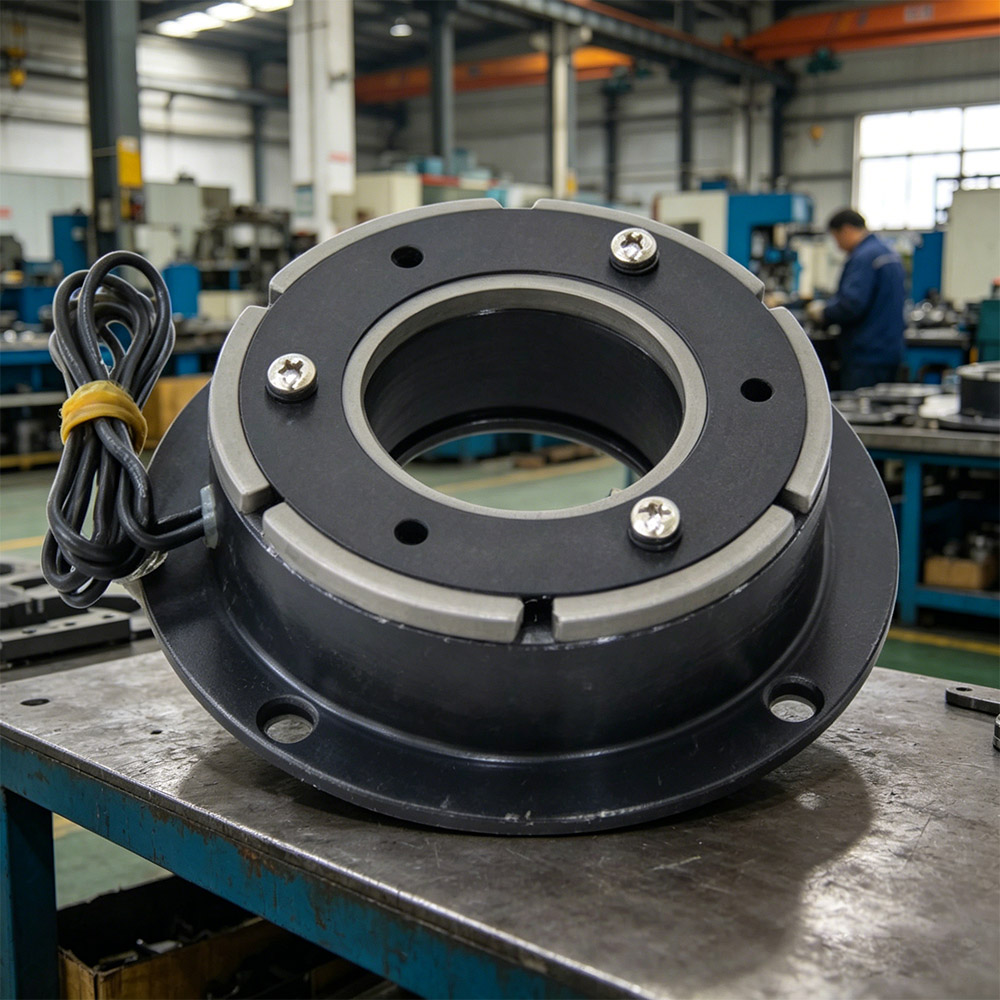
electromagnetic particle clutch
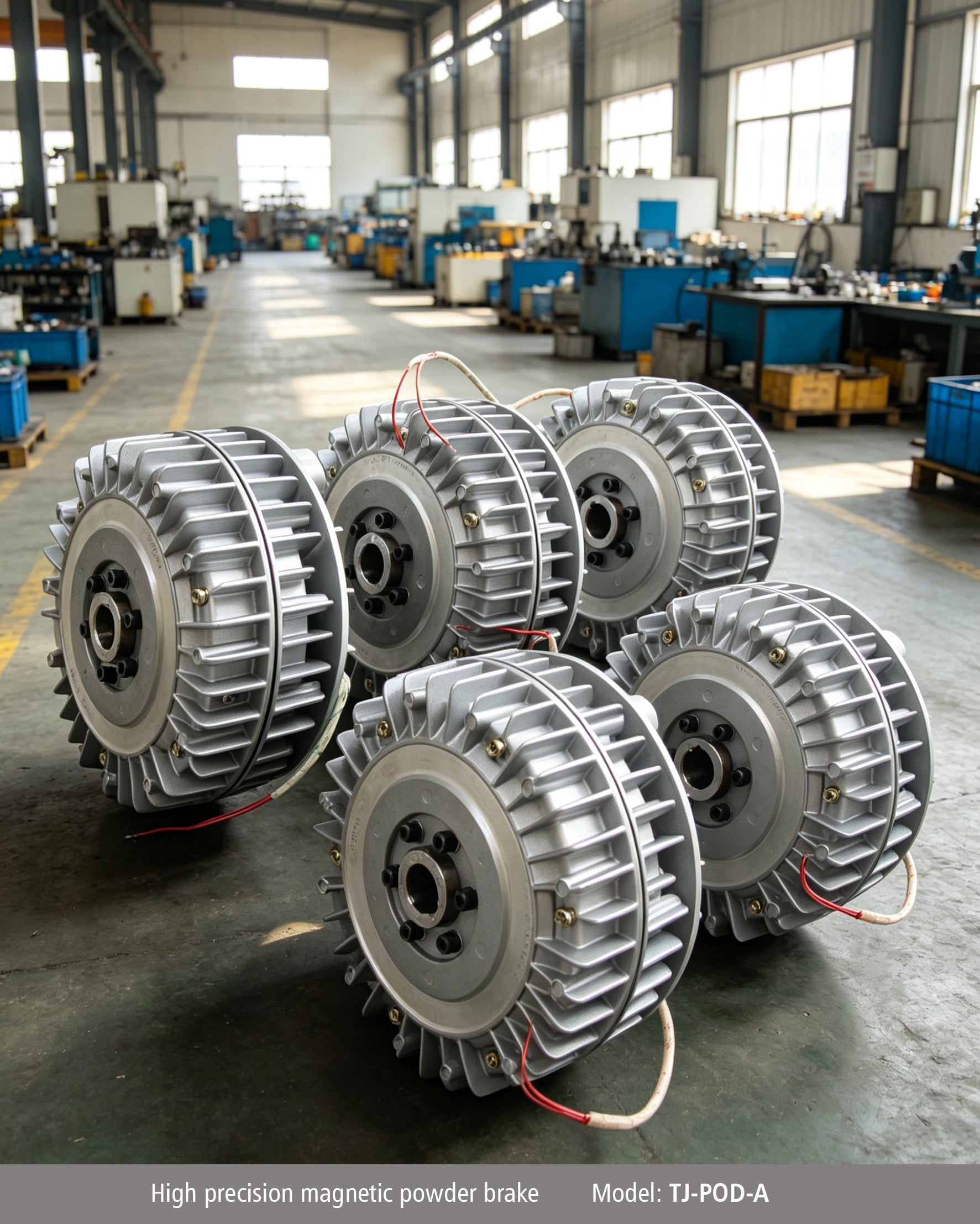
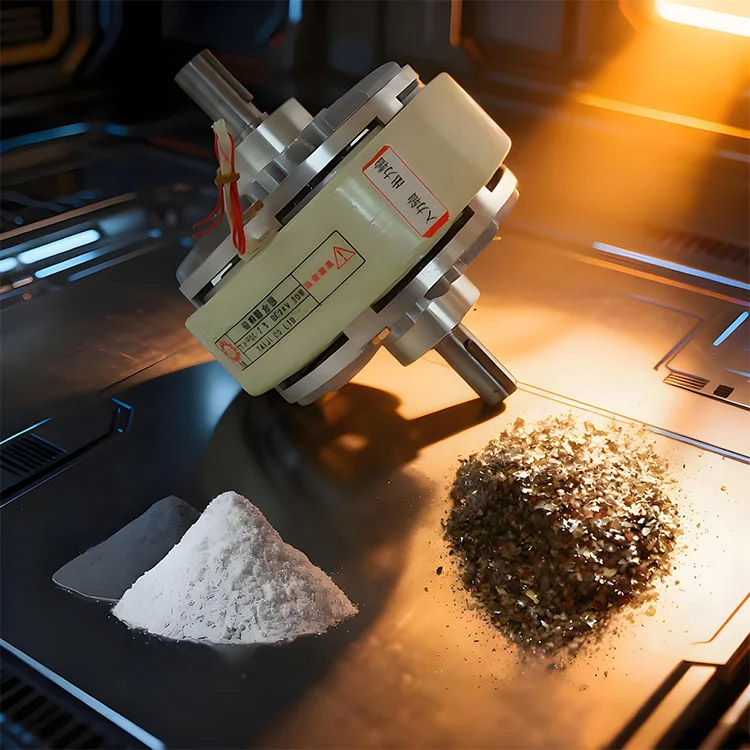
The electromagnetic particle clutch represents an innovative torque transmission device that utilizes magnetic particles to create a controllable connection between input and output shafts. This sophisticated mechanism operates by energizing an electromagnetic coil that magnetizes fine metallic particles suspended in a contained chamber, causing them to solidify and transmit rotational force. The electromagnetic particle clutch delivers precise torque control across diverse industrial applications, making it an essential component in modern automation systems. Unlike traditional mechanical clutches, this technology provides stepless adjustment capabilities, allowing operators to fine-tune torque transmission with exceptional accuracy. The device consists of several critical components including an electromagnetic coil, a particle chamber filled with specialized ferromagnetic powder, input and output rotors, and a housing assembly that contains the entire system. When electrical current flows through the coil, it generates a magnetic field that aligns the particles into chain-like structures, creating a solid coupling between the driving and driven members. The strength of this connection directly correlates with the applied current, enabling operators to achieve variable torque output by simply adjusting the electrical input. This electromagnetic particle clutch technology finds extensive use in tension control systems, packaging machinery, printing presses, and material processing equipment where precise speed and torque regulation are paramount. The main functions include smooth engagement without mechanical shock, infinitely variable torque transmission, rapid response to control signals, and reliable operation under continuous cycling conditions. Technological features encompass compact design, minimal maintenance requirements, long operational lifespan, and excellent heat dissipation properties. The electromagnetic particle clutch maintains consistent performance across temperature variations and provides dependable service in demanding production environments where traditional clutches might fail or require frequent adjustment.

 EN
EN