Electromagnetic Clutch Solutions: Precision Control, Durability & Automation Integration

All Categories

electromagnetic clutch

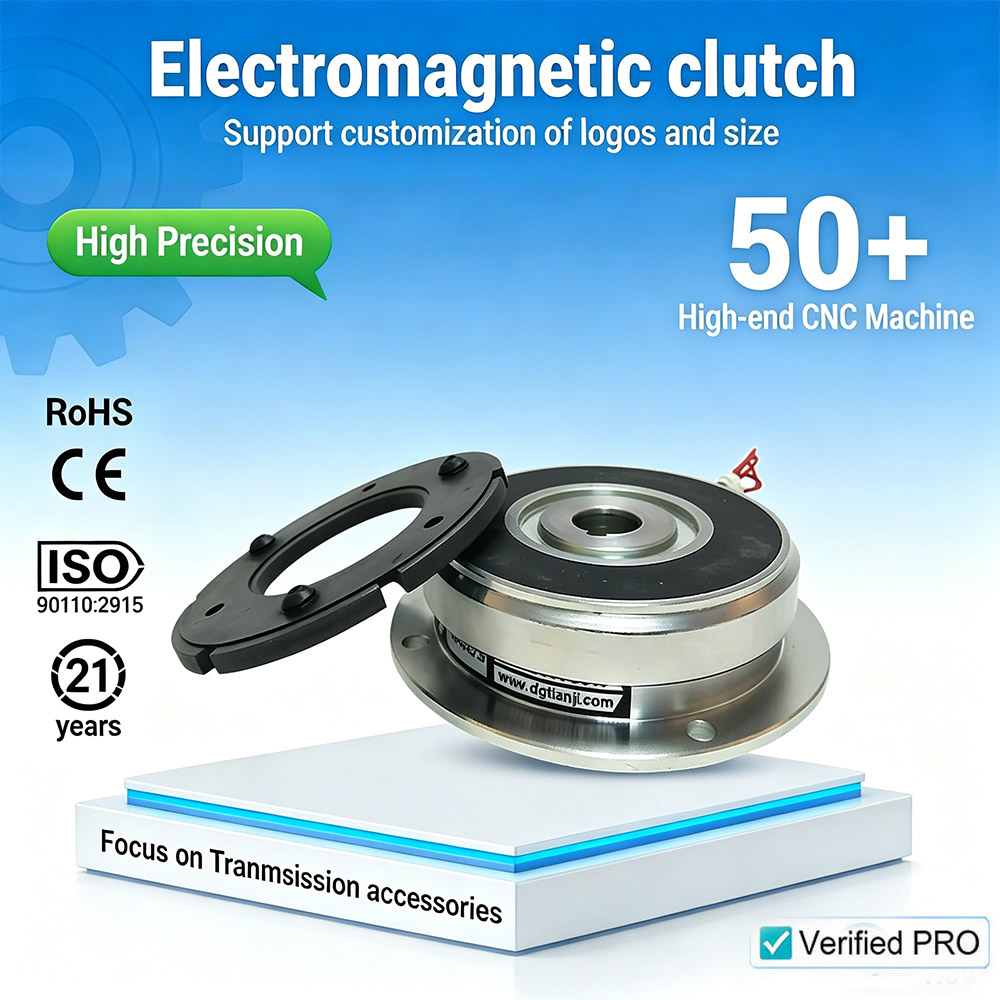
An electromagnetic clutch represents a sophisticated power transmission device that utilizes electromagnetic force to engage and disengage mechanical connections between rotating shafts. This innovative component operates through the principle of electromagnetism, where an electrical current flowing through a coil generates a magnetic field that attracts an armature plate, thereby creating the coupling action necessary for power transfer. The electromagnetic clutch serves as a critical interface in countless mechanical systems, providing precise control over torque transmission without requiring manual intervention. Its primary function involves enabling smooth engagement and disengagement of driven components, allowing operators to control machinery with exceptional accuracy and responsiveness. The technological foundation of this device incorporates several key elements, including an electromagnetic coil assembly, a rotor assembly, an armature plate, and a field housing. When electrical current energizes the coil, it produces a magnetic field that pulls the armature toward the rotor face, establishing a friction connection that transmits rotational force from the input shaft to the output shaft. The strength of this magnetic coupling directly correlates with the current supplied, offering variable engagement characteristics. Modern electromagnetic clutches feature advanced designs that minimize heat generation, reduce wear, and extend operational lifespan through improved materials and engineering refinements. These devices find extensive application across diverse industries, including automotive systems, industrial machinery, agricultural equipment, printing presses, packaging machines, HVAC systems, and automated production lines. Their versatility stems from their ability to provide instant response times, precise control, and reliable performance under demanding operational conditions. The electromagnetic clutch eliminates the need for complex mechanical linkages, reducing system complexity while enhancing overall reliability and maintainability for end users.

New Product Recommendations

The electromagnetic clutch delivers numerous practical benefits that directly impact operational efficiency and cost-effectiveness for users across various applications. First and foremost, this device provides instant engagement and disengagement capabilities, responding within milliseconds to electrical signals. This rapid response time allows operators to achieve precise timing in their processes, improving productivity and reducing waste in manufacturing environments. Unlike mechanical clutches that require physical manipulation, the electromagnetic version operates remotely through simple electrical switches or automated control systems, enhancing operator safety by eliminating the need for direct physical contact with moving machinery. The smooth engagement characteristic prevents sudden shock loads that can damage equipment or create safety hazards, protecting both machinery investments and personnel. Maintenance requirements decrease significantly compared to traditional mechanical alternatives because electromagnetic clutches contain fewer moving parts and experience less wear during operation. This reduction in maintenance translates directly into lower operational costs and decreased downtime, allowing businesses to maximize production time and minimize service interruptions. The device offers exceptional durability through its robust construction and heat-resistant materials, ensuring consistent performance even under continuous duty cycles and challenging environmental conditions. Energy efficiency represents another substantial advantage, as the electromagnetic clutch only consumes power during engagement, unlike constantly engaged mechanical systems that continuously drain energy. This selective power consumption reduces electrical costs and supports sustainability initiatives within modern facilities. Installation flexibility accommodates various mounting configurations and spatial constraints, making it suitable for retrofitting existing equipment or designing new machinery layouts. The electromagnetic clutch integrates seamlessly with modern automation systems, programmable logic controllers, and computerized management platforms, enabling sophisticated control strategies and remote monitoring capabilities. Users benefit from reduced noise levels compared to mechanical engagement systems, creating quieter work environments that improve employee comfort and comply with workplace noise regulations. Temperature stability ensures reliable operation across wide thermal ranges, preventing performance degradation in extreme conditions. The absence of mechanical linkages eliminates adjustment requirements and associated alignment issues, simplifying installation procedures and reducing commissioning time. Cost-effectiveness extends beyond initial purchase price to encompass total ownership costs, including installation, operation, maintenance, and replacement expenses over the device lifespan. These combined advantages make the electromagnetic clutch an intelligent choice for organizations seeking to optimize their mechanical systems while reducing operational complexity and expenses.

Latest News

Transmission Pain Points in Printing/Textile/Chemical Machinery: How Electromagnetic Clutches Improve Equipment Stability?

08

Dec

Transmission Pain Points in Printing/Textile/Chemical Machinery: How Electromagnetic Clutches Improve Equipment Stability?

Struggling with transmission instability in printing, textile, or chemical machinery? TJ-A electromagnetic clutches eliminate slip, boost throughput 15–20%, and ensure asbestos-free safety. Discover how top global manufacturers achieve 99.8% reliability—request a spec sheet today.
View More
High-Quality Web Guide Control Systems From a Leading Domestic Manufacturer With 20 Years of Expertise

08

Dec

High-Quality Web Guide Control Systems From a Leading Domestic Manufacturer With 20 Years of Expertise

Discover high-precision web guide control systems from a trusted domestic manufacturer with 20 years of R&D expertise. Reduce waste, boost efficiency, and ensure reliability. Request a quote today.
View More
The Pain of Non-Standard Transmission in Special Working Conditions

09

Apr

The Pain of Non-Standard Transmission in Special Working Conditions

Struggling with standard transmission failures in extreme temps, dust, or tight spaces? TianJi’s 20-year R&D delivers reliable custom clutches & brakes—engineered for your exact specs. Get a free technical consultation today.
View More

Get Your Custom Quote

Tell us your requirements and get a tailored solution for your project.
Name
Mobile
Email
Please include
Message
0/1000

electromagnetic clutch

Precision Control and Instant Response Technology

Precision Control and Instant Response Technology

The electromagnetic clutch excels in delivering unparalleled precision control through its advanced instant response technology, a feature that fundamentally transforms how machinery operators manage power transmission in their systems. This capability stems from the fundamental electromagnetic principles governing the device operation, where electrical current instantaneously generates magnetic fields that engage the clutch mechanism without the delays inherent in mechanical systems. When operators activate the control signal, the electromagnetic coil energizes within milliseconds, creating a powerful magnetic attraction that pulls the armature plate into contact with the rotor surface, establishing the torque transfer connection almost instantaneously. This immediate response eliminates the lag time associated with hydraulic or pneumatic clutches, where fluid compression or air travel introduces measurable delays that can compromise timing-critical applications. Manufacturing processes that require precise synchronization between multiple components benefit tremendously from this instantaneous engagement, ensuring that operations occur exactly when needed without timing errors that could result in product defects or equipment damage. The electromagnetic clutch maintains consistent engagement force throughout its operational life, providing predictable performance that operators can rely upon for process consistency. This reliability proves essential in automated production environments where variations in clutch behavior could cascade into quality issues affecting entire production runs. The precision extends beyond simple on-off functionality to include variable engagement control in advanced models, where operators can modulate the current supplied to the electromagnetic coil, adjusting the magnetic field strength and thereby controlling the engagement force and torque transfer characteristics. This variable control enables soft-start capabilities that gradually bring loads up to speed, minimizing mechanical stress on connected components and reducing wear on belts, gears, and other transmission elements. Applications requiring frequent engagement cycles particularly benefit from the electromagnetic clutch design, as it eliminates the mechanical wear associated with friction surfaces in conventional clutches, extending service intervals and reducing maintenance costs. The precision control also supports advanced automation strategies, including programmable engagement sequences, load-sensing adjustments, and integration with feedback systems that monitor operational parameters and adjust clutch behavior accordingly. This technological sophistication empowers engineers to design more capable machinery that responds intelligently to changing conditions, optimizing performance while protecting equipment from damage due to overload or improper operation.
Enhanced Durability and Minimal Maintenance Requirements

Enhanced Durability and Minimal Maintenance Requirements

Durability stands as a defining characteristic of the electromagnetic clutch, reflecting advanced engineering that prioritizes long-term reliability and minimal maintenance demands throughout the device operational lifetime. The construction incorporates high-grade materials specifically selected for their resistance to wear, heat, and environmental degradation, ensuring that the clutch maintains performance standards even under demanding industrial conditions. The electromagnetic coil utilizes premium copper winding with specialized insulation that withstands elevated temperatures generated during continuous operation, preventing premature failure due to thermal breakdown. The rotor and armature surfaces feature hardened steel or advanced composite materials that resist scoring and deformation, maintaining smooth contact surfaces that ensure consistent torque transfer over millions of engagement cycles. Unlike mechanical clutches that rely on springs, cables, and linkages susceptible to fatigue and failure, the electromagnetic design eliminates these vulnerable components, creating a more robust system with fewer potential failure points. The sealed construction protects internal components from contamination by dust, moisture, and chemical exposure, extending lifespan in harsh environments where conventional clutches would deteriorate rapidly. Heat dissipation represents a critical aspect of durability, and modern electromagnetic clutch designs incorporate enhanced cooling features such as ventilation slots, heat sink configurations, and optimized material selections that efficiently transfer thermal energy away from critical components. This thermal management prevents hotspots that could degrade materials or reduce magnetic efficiency, maintaining stable performance throughout extended duty cycles. The bearing systems supporting rotating elements utilize premium sealed bearings that retain lubrication and exclude contaminants, ensuring smooth operation without requiring periodic greasing or adjustment. Maintenance requirements reduce to occasional visual inspections and basic cleanliness procedures, eliminating the time-consuming adjustments, lubrication schedules, and component replacements demanded by mechanical alternatives. This maintenance simplicity translates into substantial cost savings over the device lifetime, reducing labor expenses, spare parts inventory, and production downtime associated with service activities. The electromagnetic clutch operates without consumable friction materials that require periodic replacement, avoiding the recurring costs and disposal concerns associated with worn clutch plates or pads. Environmental resistance extends to shock and vibration tolerance, where the solid-state electrical activation mechanism proves far more resilient than mechanical actuators that can become damaged or misaligned under harsh operating conditions. The absence of mechanical adjustment points eliminates drift and deterioration in performance characteristics, ensuring that the clutch functions as reliably in its tenth year of service as it did on installation day, providing consistent return on investment throughout its extended operational life.
Seamless Integration with Modern Automation Systems

Seamless Integration with Modern Automation Systems

The electromagnetic clutch demonstrates exceptional compatibility with contemporary automation technologies, offering seamless integration capabilities that position it as an ideal component for smart manufacturing initiatives and Industry 4.0 implementations. This integration advantage stems from the fundamental electrical nature of clutch activation, which interfaces directly with digital control systems, programmable logic controllers, industrial computers, and networked automation platforms without requiring mechanical-to-electrical conversion devices. Engineers can implement sophisticated control strategies by simply connecting the electromagnetic clutch to appropriate control outputs, enabling complex operational sequences, conditional logic, and responsive behaviors that adapt to real-time process conditions. The electrical interface supports various control voltages and configurations, accommodating different automation standards and legacy equipment while maintaining compatibility with emerging technologies. Signal processing capabilities allow the clutch to respond to pulse-width modulation, analog voltage control, and digital switching commands, providing flexibility in how operators manage engagement characteristics and torque transfer properties. Remote operation becomes straightforward through network-enabled control systems, permitting operators to manage clutch engagement from centralized control rooms, mobile devices, or cloud-based management platforms, enhancing operational flexibility and enabling rapid response to changing production requirements. Diagnostic integration represents another significant benefit, as modern electromagnetic clutches incorporate sensors and monitoring capabilities that report operational status, temperature conditions, engagement cycles, and potential fault conditions to supervisory systems. This diagnostic data enables predictive maintenance strategies that identify developing issues before they cause failures, scheduling service activities during planned downtime rather than responding to unexpected breakdowns that disrupt production schedules. The electromagnetic clutch supports fail-safe configurations through proper circuit design, ensuring that power interruptions result in predictable clutch states that protect equipment and personnel from hazardous conditions. Integration with safety systems becomes straightforward, allowing emergency stop circuits, guard interlocks, and other protective devices to directly control clutch engagement, creating comprehensive safety architectures that comply with industrial safety standards. The device operates effectively within harsh electromagnetic environments typical of industrial settings, maintaining reliable performance despite electrical noise, voltage fluctuations, and interference from nearby equipment. This electromagnetic compatibility ensures stable operation without requiring expensive filtering or isolation equipment that would complicate installation and increase system costs. Motion control applications benefit particularly from electromagnetic clutch integration, as the device coordinates seamlessly with servo drives, variable frequency drives, and other precision motion components to create synchronized multi-axis systems. The clutch responds accurately to timing signals and position feedback, enabling registration control, flying shear operations, and other demanding applications that require precise coordination between multiple moving elements. Retrofit applications prove straightforward because the electromagnetic clutch typically requires only electrical connections rather than extensive mechanical modifications, allowing upgrading of existing machinery without major reconstruction or extended downtime, protecting capital equipment investments while incorporating modern control capabilities.
email goToTop