electromagnetic clutch working
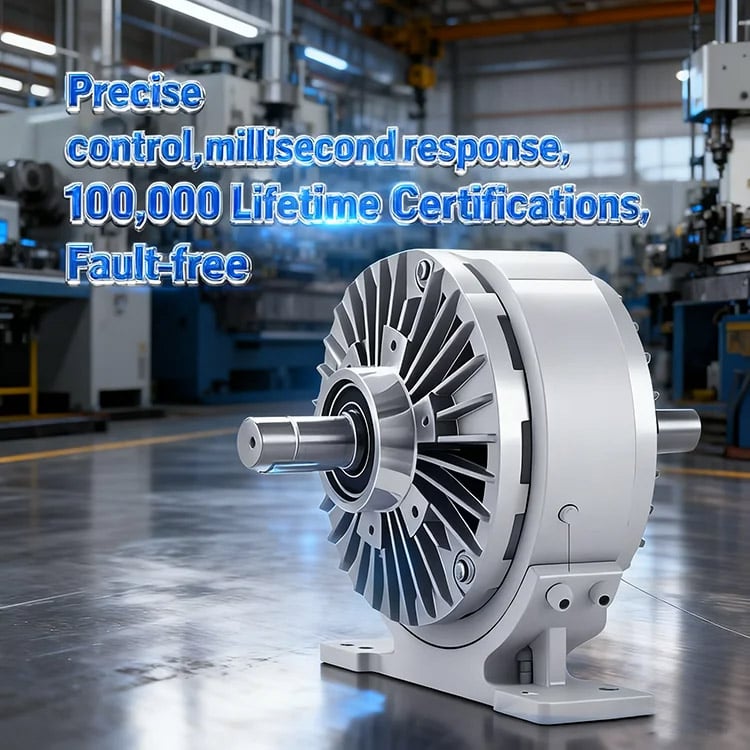
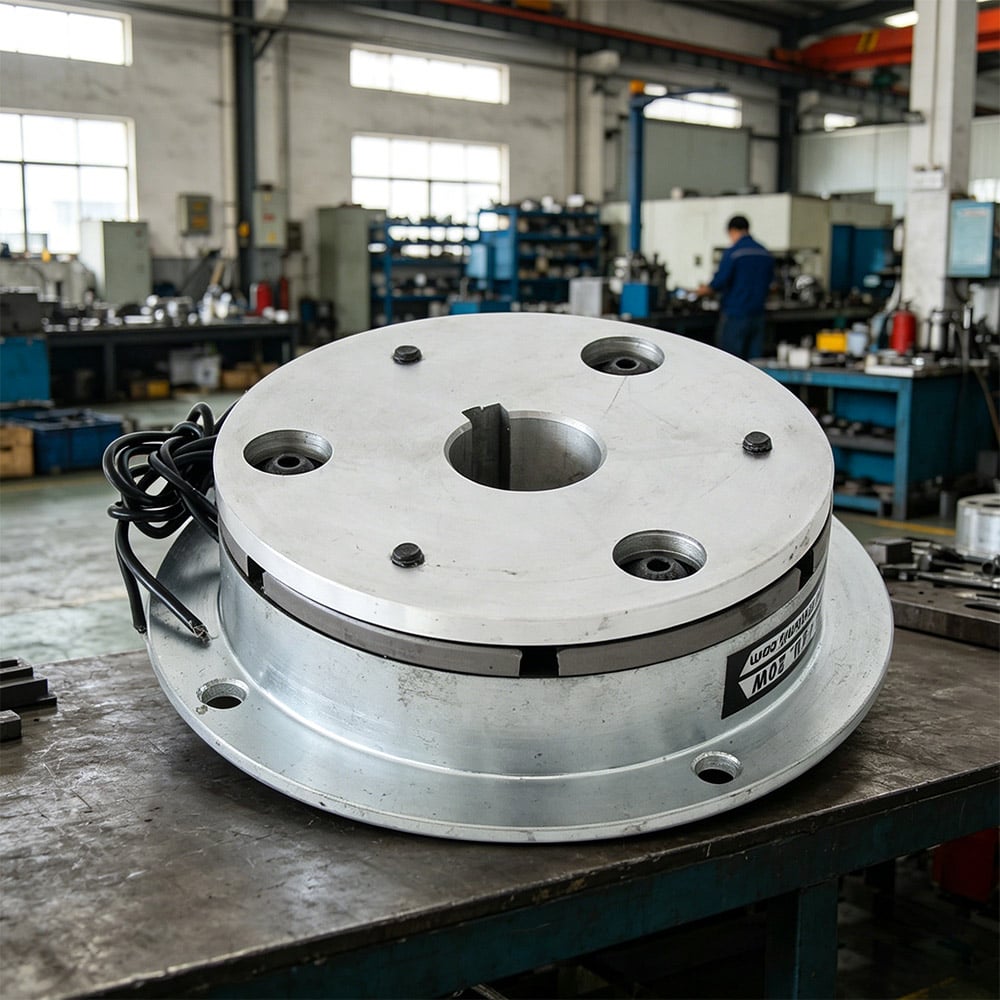
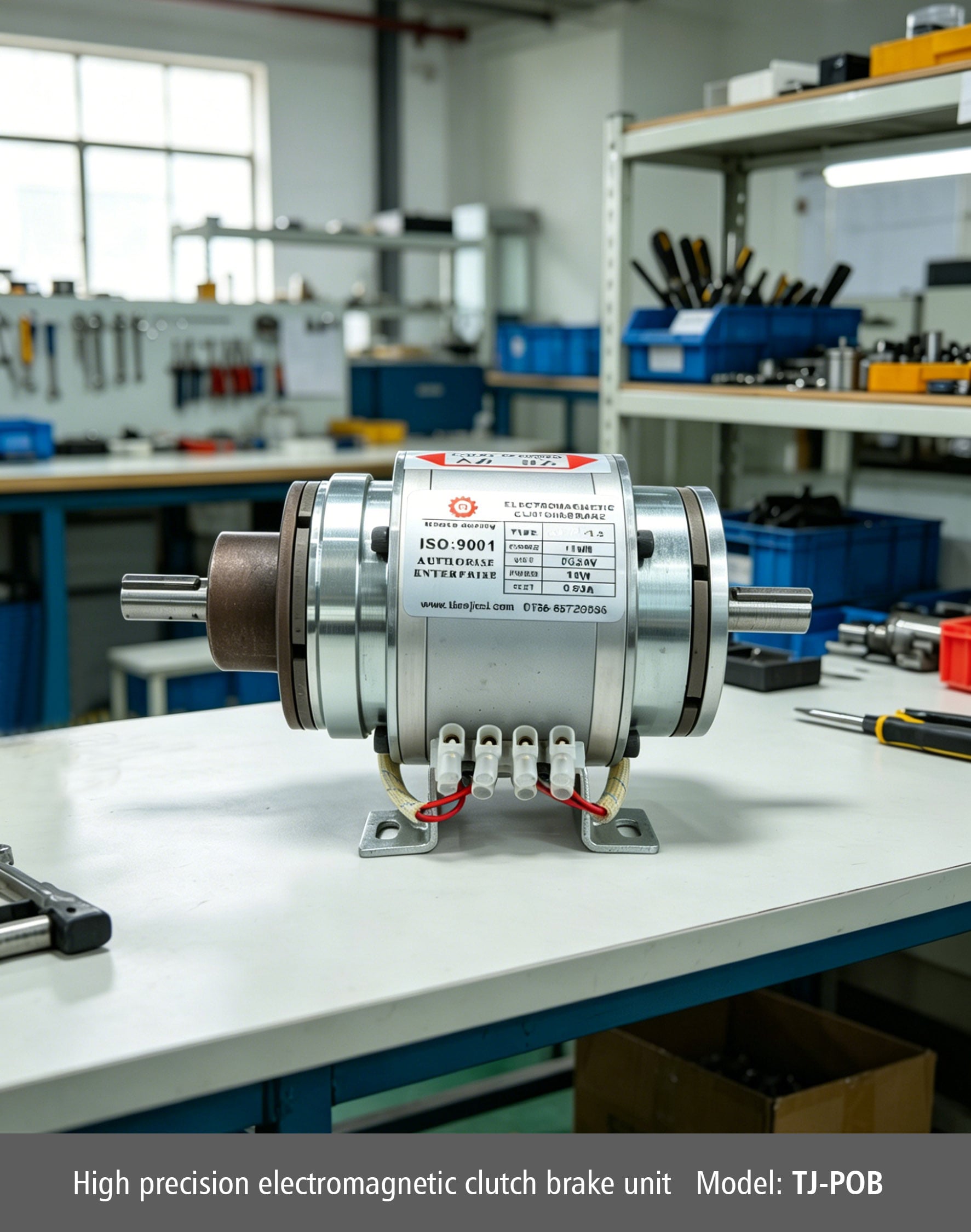
The electromagnetic clutch working principle represents a sophisticated mechanism that enables seamless power transmission control in various mechanical systems. At its core, an electromagnetic clutch operates through the conversion of electrical energy into magnetic force, which subsequently creates the friction necessary to engage or disengage rotating components. When electrical current flows through the clutch coil, it generates a powerful magnetic field that attracts the armature plate toward the rotor assembly. This magnetic attraction overcomes the air gap between components, causing them to connect mechanically and transmit torque from the driving shaft to the driven shaft. The electromagnetic clutch working process happens instantaneously, typically within milliseconds, providing precise control over power transfer. The main functions of this technology include controlled engagement and disengagement of mechanical connections, smooth acceleration without shock loads, protection against overload conditions, and remote operation capabilities. Technologically, the electromagnetic clutch working system incorporates several advanced features such as automatic gap adjustment mechanisms, thermal management systems to dissipate heat generated during operation, and precision-engineered friction materials that ensure consistent performance across millions of cycles. The design typically consists of a field coil assembly, a rotor connected to the power source, an armature plate linked to the driven component, and return springs that disengage the clutch when power is removed. Applications for electromagnetic clutch working span numerous industries including automotive systems for air conditioning compressors, industrial machinery for controlling conveyor belts and production equipment, agricultural equipment for PTO systems, marine vessels for auxiliary equipment operation, and printing presses for precise timing control. The versatility of electromagnetic clutch working makes it invaluable in situations requiring frequent start-stop operations, variable speed control, or automated engagement based on electronic signals from control systems.

 EN
EN