Electromagnetic Brakes and Clutches - Precision Control Solutions for Industrial Applications

All Categories

electromagnetic brakes and clutches

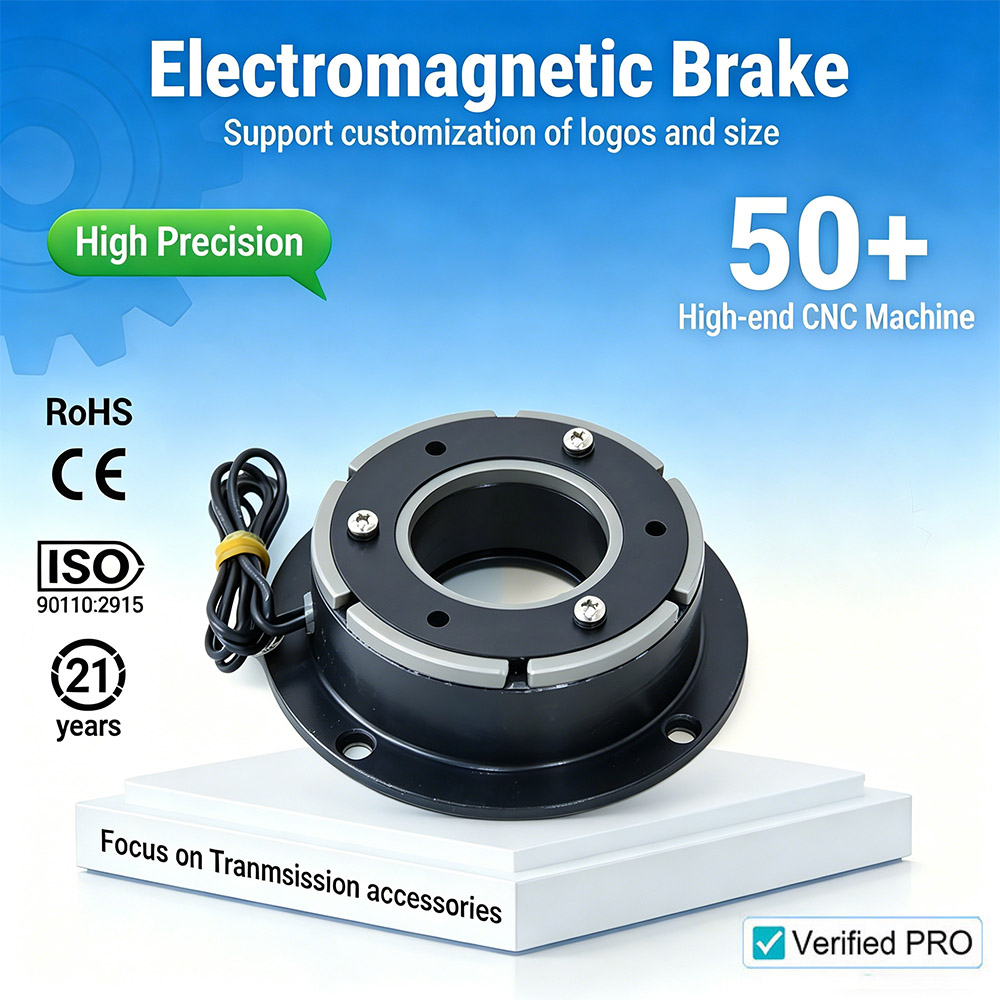
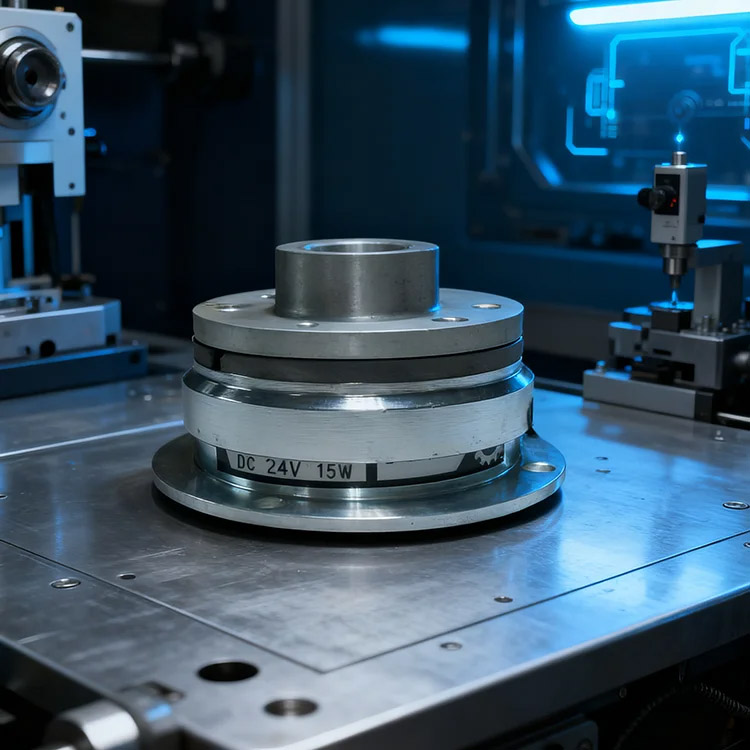
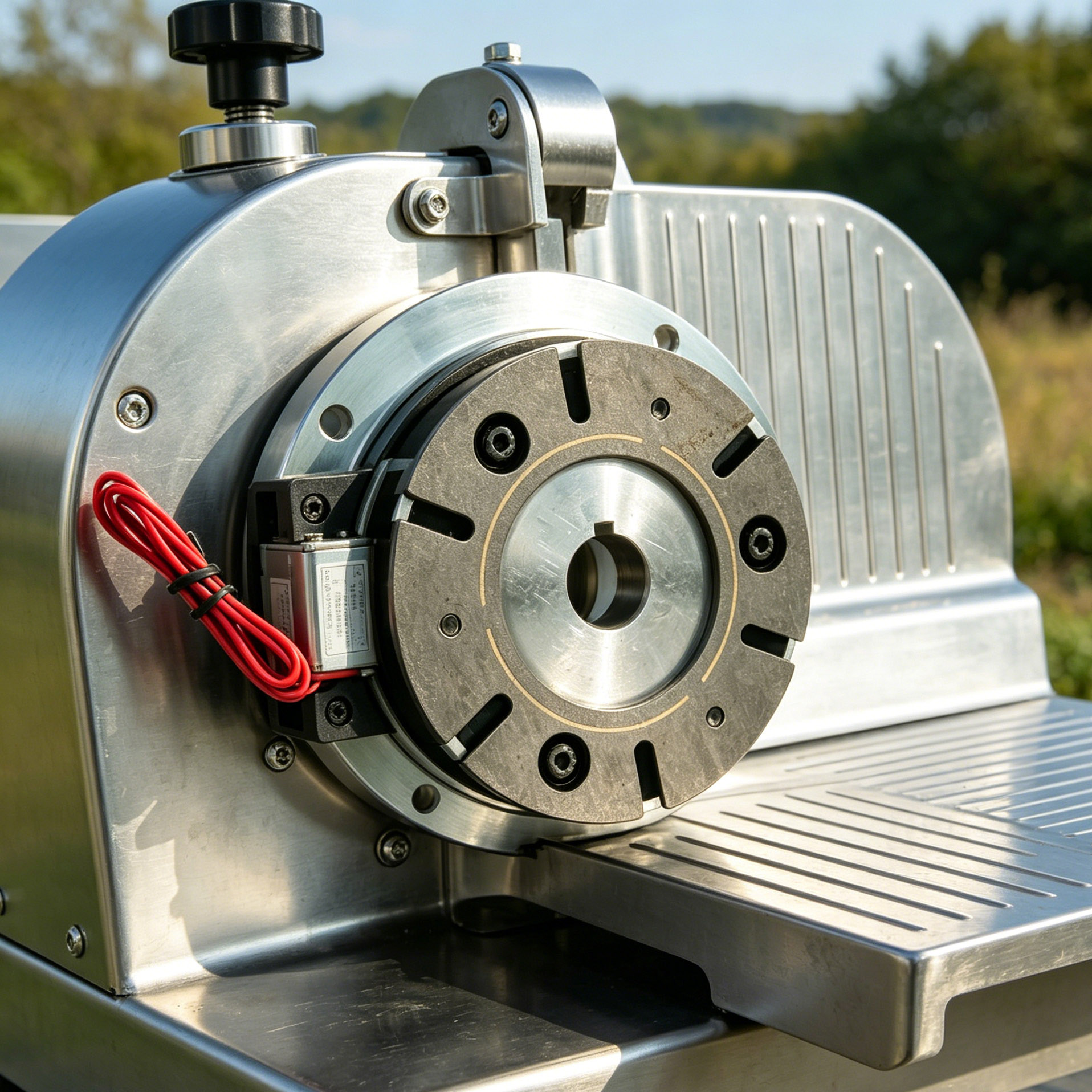
Electromagnetic brakes and clutches represent cutting-edge power transmission solutions that utilize electromagnetic force to control motion and torque in mechanical systems. These sophisticated devices convert electrical energy into magnetic fields, enabling precise engagement and disengagement of rotating components without physical contact during activation. The fundamental operation of electromagnetic brakes and clutches relies on electromagnetic coils that generate magnetic flux when energized, creating attractive forces between friction surfaces to transmit torque or stop rotation. The main functions of electromagnetic brakes and clutches encompass speed regulation, motion control, torque transmission, emergency stopping, and load holding capabilities across diverse industrial applications. Technological features include rapid response times typically measured in milliseconds, stepless adjustment capabilities, remote activation through electrical signals, minimal maintenance requirements due to reduced mechanical wear, and exceptional reliability under demanding operational conditions. These electromagnetic brakes and clutches find extensive applications in printing machinery, packaging equipment, textile production lines, metalworking machines, material handling systems, robotics, automation systems, conveyor networks, elevator installations, and precision positioning equipment. The versatility of electromagnetic brakes and clutches makes them indispensable in modern manufacturing environments where precise control, safety, and efficiency are paramount. Advanced designs incorporate heat dissipation features, wear compensation mechanisms, and protection circuits to ensure longevity and consistent performance. The technology behind electromagnetic brakes and clutches continues to evolve with innovations in materials science, electromagnetic theory, and control electronics, resulting in devices that offer superior performance characteristics compared to traditional mechanical alternatives. Industries benefit from the smooth operation, reduced noise levels, enhanced safety features, and integration capabilities that electromagnetic brakes and clutches provide, making them essential components in contemporary industrial infrastructure and automated production systems worldwide.

New Product Releases

The electromagnetic brakes and clutches deliver numerous practical benefits that directly impact operational efficiency and cost-effectiveness for businesses across various sectors. First and foremost, these devices offer instantaneous response capabilities, allowing machinery to start, stop, or change speed within fractions of a second, which significantly improves production throughput and cycle times. This quick reaction eliminates delays associated with mechanical engagement systems, enabling your equipment to operate at peak productivity levels throughout working hours. The precision control provided by electromagnetic brakes and clutches ensures consistent quality in manufacturing processes, as operators can fine-tune torque transmission and braking forces to match exact requirements without manual adjustments or complicated calibration procedures. Another substantial advantage involves the reduced maintenance burden compared to conventional friction-based systems. Since electromagnetic brakes and clutches engage through magnetic force rather than constant mechanical contact, wear on components decreases dramatically, extending service intervals and reducing replacement part expenses over the equipment lifetime. This translates to lower total cost of ownership and fewer unexpected downtime incidents that disrupt production schedules. The electromagnetic brakes and clutches also contribute to workplace safety by providing reliable emergency stopping functions that activate immediately when power is interrupted or safety circuits are triggered, protecting both personnel and valuable machinery from potential accidents. Energy efficiency represents another compelling benefit, as these devices only consume electrical power during state changes or while maintaining engagement, unlike hydraulic or pneumatic systems that require continuous energy input. Operators appreciate the quiet operation of electromagnetic brakes and clutches, which contributes to more comfortable working environments and compliance with noise regulation standards. Installation flexibility allows these devices to fit into tight spaces and integrate seamlessly with existing control systems through standard electrical interfaces. The electromagnetic brakes and clutches accommodate various voltage requirements and can be easily adapted to different power supply configurations available in your facility. Temperature stability ensures reliable performance across wide operating ranges, from cold storage environments to high-heat industrial settings. The clean operation of electromagnetic brakes and clutches eliminates contamination risks associated with hydraulic fluid leaks or compressed air exhaust, making them ideal for food processing, pharmaceutical production, and cleanroom applications where environmental control is critical. Remote control capabilities enable centralized operation and monitoring, supporting modern automation strategies and Industry 4.0 integration initiatives that enhance competitiveness in today's demanding marketplace.

Practical Tips

Transmission Pain Points in Printing/Textile/Chemical Machinery: How Electromagnetic Clutches Improve Equipment Stability?

08

Dec

Transmission Pain Points in Printing/Textile/Chemical Machinery: How Electromagnetic Clutches Improve Equipment Stability?

Struggling with transmission instability in printing, textile, or chemical machinery? TJ-A electromagnetic clutches eliminate slip, boost throughput 15–20%, and ensure asbestos-free safety. Discover how top global manufacturers achieve 99.8% reliability—request a spec sheet today.
View More
High-Quality Web Guide Control Systems From a Leading Domestic Manufacturer With 20 Years of Expertise

08

Dec

High-Quality Web Guide Control Systems From a Leading Domestic Manufacturer With 20 Years of Expertise

Discover high-precision web guide control systems from a trusted domestic manufacturer with 20 years of R&D expertise. Reduce waste, boost efficiency, and ensure reliability. Request a quote today.
View More
The Pain of Non-Standard Transmission in Special Working Conditions

09

Apr

The Pain of Non-Standard Transmission in Special Working Conditions

Struggling with standard transmission failures in extreme temps, dust, or tight spaces? TianJi’s 20-year R&D delivers reliable custom clutches & brakes—engineered for your exact specs. Get a free technical consultation today.
View More

Get Your Custom Quote

Tell us your requirements and get a tailored solution for your project.
Name
Mobile
Email
Please include
Message
0/1000

electromagnetic brakes and clutches

Superior Response Speed and Precision Control for Enhanced Productivity

Superior Response Speed and Precision Control for Enhanced Productivity

The exceptional response speed of electromagnetic brakes and clutches stands as one of their most valuable attributes for modern industrial operations seeking maximum efficiency and output quality. When electrical current energizes the electromagnetic coil, the magnetic field establishes itself within mere milliseconds, creating instant engagement or disengagement of the friction surfaces that transmit torque or provide braking action. This lightning-fast activation eliminates the lag time inherent in mechanical linkages, hydraulic actuators, or pneumatic cylinders that traditional systems rely upon for operation. The rapid response enables machinery to execute precise start-stop cycles with minimal transition periods, allowing production lines to achieve higher throughput rates and shorter overall cycle times. In applications such as packaging equipment where products must be positioned accurately before sealing or labeling, the electromagnetic brakes and clutches provide the split-second timing control necessary to maintain high-speed operation without sacrificing placement accuracy. The precision control extends beyond simple on-off functionality, as many electromagnetic brakes and clutches support proportional control schemes where applied voltage or current directly correlates to engagement force and transmitted torque. This variable control capability allows operators to implement soft-start functions that gradually accelerate loads without sudden jerks that could damage products or stress mechanical components. Similarly, controlled deceleration prevents abrupt stops that might cause load shifting, equipment misalignment, or safety hazards in material handling applications. The electromagnetic brakes and clutches maintain consistent performance characteristics throughout their operational life, as the electromagnetic force generation does not degrade significantly over time like mechanical springs or hydraulic seals that gradually lose effectiveness. This reliability ensures that precision control remains stable across thousands of operating cycles, maintaining product quality standards and reducing variation in manufacturing processes. Advanced control systems can integrate electromagnetic brakes and clutches into sophisticated motion profiles, executing complex sequences with multiple acceleration stages, dwell periods, and deceleration curves tailored to specific application requirements. The combination of rapid response and precise control makes electromagnetic brakes and clutches indispensable for robotics applications where coordinated multi-axis movements demand exact timing and repeatability to accomplish assembly tasks or material transfer operations successfully.
Minimal Maintenance Requirements and Extended Service Life for Cost Savings

Minimal Maintenance Requirements and Extended Service Life for Cost Savings

The electromagnetic brakes and clutches distinguish themselves through remarkably low maintenance demands that translate directly into reduced operating costs and improved equipment availability for businesses prioritizing operational efficiency. Unlike conventional mechanical brake and clutch systems that rely on constant physical contact between friction surfaces during engagement, electromagnetic brakes and clutches utilize magnetic attraction to bring components together only when activation is required. This fundamental design difference means that friction material experiences wear primarily during actual engagement cycles rather than continuous rubbing contact that accelerates degradation in traditional systems. The result is dramatically extended service intervals between friction material replacements, often measured in years rather than months depending on application duty cycles and operating conditions. Reduced maintenance frequency lowers direct costs for replacement parts and labor while simultaneously minimizing production disruptions caused by scheduled maintenance activities or unexpected component failures. The electromagnetic brakes and clutches feature sealed designs that protect internal components from environmental contaminants such as dust, moisture, metal particles, and chemical vapors that might be present in industrial environments. This environmental protection preserves the integrity of friction surfaces and electromagnetic coils, preventing premature deterioration that would compromise performance or necessitate early replacement. Many electromagnetic brakes and clutches incorporate automatic wear compensation mechanisms that maintain consistent air gap dimensions between the armature and friction surface as materials gradually wear during normal operation. This self-adjusting capability ensures that electromagnetic force remains effective throughout the component service life without requiring manual adjustments or clearance measurements that technicians must perform on conventional systems. The electrical nature of electromagnetic brakes and clutches eliminates the need for hydraulic fluid changes, pneumatic filter replacements, or lubrication services that mechanical systems demand at regular intervals. This simplification reduces both consumable costs and the technical expertise required for routine maintenance activities, allowing general maintenance personnel to service equipment rather than specialized technicians. The electromagnetic brakes and clutches also demonstrate excellent resistance to thermal degradation, as quality designs incorporate effective heat dissipation features such as ventilation slots, heat sink structures, or thermally conductive materials that prevent excessive temperature buildup during intensive operating periods. Temperature stability preserves both friction material properties and electromagnetic coil insulation integrity, further extending reliable service life and preventing thermal-related failures that plague inadequately designed alternatives in demanding applications.
Versatile Integration Capabilities with Modern Control Systems and Automation

Versatile Integration Capabilities with Modern Control Systems and Automation

The electromagnetic brakes and clutches offer outstanding integration flexibility that enables seamless incorporation into contemporary automation architectures and control systems across diverse industrial environments. The electrical activation method provides inherent compatibility with programmable logic controllers, motion controllers, distributed control systems, and industrial computers that form the backbone of modern manufacturing operations. Standard electrical interfaces accept common voltage levels and control signals, allowing electromagnetic brakes and clutches to connect directly to control outputs without requiring specialized interface modules or signal conditioning equipment that complicates installation and troubleshooting procedures. This straightforward connectivity reduces engineering time during initial system design and accelerates commissioning processes when bringing new equipment into production service. The electromagnetic brakes and clutches support various control strategies ranging from simple on-off activation using discrete digital outputs to sophisticated proportional control utilizing analog signals or pulse-width modulation techniques that vary engagement force according to real-time process requirements. This control versatility allows engineers to optimize system performance for specific applications, implementing features such as torque limiting to protect downstream components from overload conditions or tension control to maintain consistent material handling forces in web processing operations. Remote activation capabilities inherent in electromagnetic brakes and clutches facilitate centralized control room operations where personnel monitor and adjust multiple machines from consolidated workstations rather than visiting individual equipment locations to make operational changes. This centralization improves response times to production demands, enhances coordination between interdependent processes, and supports lean manufacturing principles by reducing unnecessary personnel movement throughout facilities. The electromagnetic brakes and clutches also enable sophisticated safety system integration, connecting to emergency stop circuits, safety relays, and interlock networks that protect personnel and equipment from hazardous conditions. Fail-safe designs can be specified where power interruption automatically engages brakes to stop motion immediately, providing protection against runaway conditions if control system failures occur. Alternatively, fail-safe clutches can be configured to disengage upon power loss, isolating loads from drive systems to prevent unintended motion. The electrical feedback options available with many electromagnetic brakes and clutches provide valuable diagnostic information to maintenance personnel and control systems, reporting engagement status, coil current levels, and temperature conditions that support predictive maintenance strategies and condition monitoring programs. Integration with Industry 4.0 initiatives becomes straightforward as electromagnetic brakes and clutches communicate operational data to manufacturing execution systems and enterprise resource planning platforms, contributing to comprehensive production analytics that drive continuous improvement initiatives and operational excellence programs throughout organizations committed to competitive advantage through technological advancement.
email goToTop