Magnetic Clutches - Advanced Electromagnetic Power Transmission Solutions for Industrial Applications

All Categories

magnetic clutches

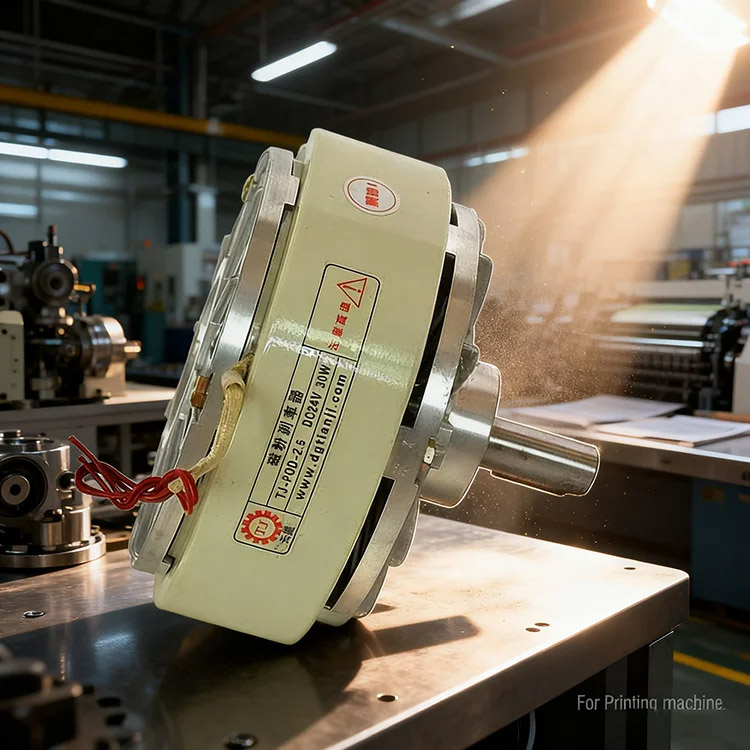
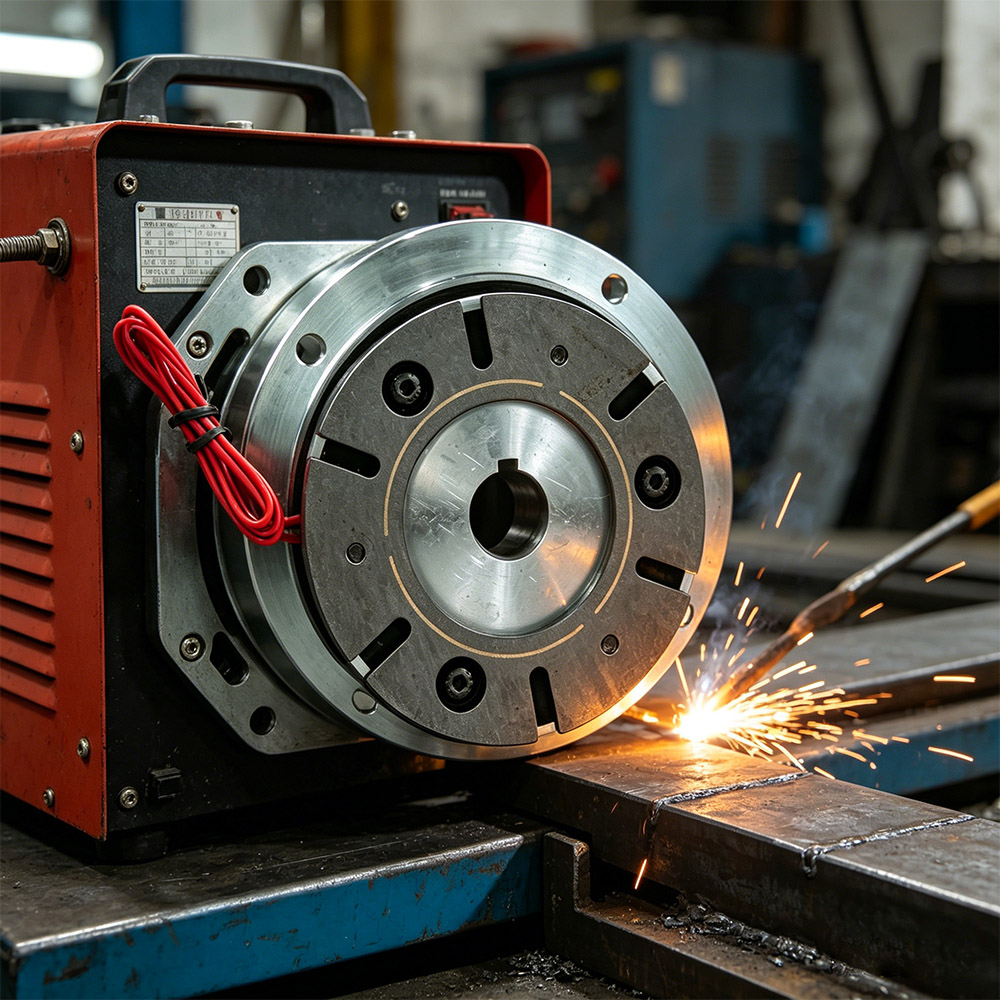
Magnetic clutches represent an innovative power transmission solution that utilizes electromagnetic forces to engage and disengage mechanical connections between rotating components. These sophisticated devices operate without physical contact during engagement, relying instead on magnetic fields to transfer torque from one shaft to another. The primary function of magnetic clutches involves controlling the transmission of rotational motion and power in various mechanical systems, offering precise engagement and disengagement capabilities that traditional mechanical clutches cannot match. The technological foundation of magnetic clutches centers on electromagnetic coils that generate powerful magnetic fields when energized. When electrical current flows through these coils, the resulting magnetic force attracts an armature plate toward the rotor assembly, creating a solid mechanical connection capable of transmitting substantial torque loads. This electromagnetic activation principle allows for instant response times and eliminates the need for mechanical linkages or hydraulic systems. The applications of magnetic clutches span numerous industries and sectors, demonstrating their versatility and reliability. Manufacturing facilities incorporate these devices into production machinery, conveyor systems, and automated assembly lines where precise control over motion is essential. The printing industry relies heavily on magnetic clutches for web control and tension management in high-speed presses. Agricultural equipment manufacturers integrate these clutches into harvesting machines and tractors for implementing power take-off functions. The automotive sector utilizes magnetic clutches in air conditioning compressor systems, enabling efficient climate control without continuous engine load. Industrial automation systems benefit from the rapid engagement characteristics of magnetic clutches, particularly in robotics and material handling equipment. The packaging industry employs these devices for synchronized operations in filling, sealing, and labeling machinery. Marine applications include propulsion systems and auxiliary equipment where reliable engagement under varying load conditions proves crucial. The technology continues evolving with advancements in magnetic materials, coil designs, and electronic control systems, expanding the performance envelope and application possibilities for magnetic clutches across diverse operational environments.

New Product Releases

Magnetic clutches deliver exceptional operational benefits that directly impact productivity, maintenance costs, and system reliability for businesses across multiple sectors. The contactless engagement mechanism stands as a primary advantage, eliminating the friction-based wear that plagues conventional clutch systems. This wear-free operation translates into significantly extended service life, reducing replacement frequency and minimizing downtime for maintenance activities. Companies experience lower total cost of ownership as magnetic clutches maintain consistent performance characteristics throughout their operational lifespan without gradual degradation from friction material erosion. The instantaneous engagement capability provides precise control over power transmission, allowing operators to start and stop machinery with remarkable accuracy. This rapid response time enhances production efficiency by enabling quick cycle times in automated processes and reducing transition periods between operational states. Manufacturing operations benefit from improved throughput as magnetic clutches facilitate seamless integration with modern control systems and programmable logic controllers. The smooth engagement characteristic prevents shock loads and sudden torque spikes that can damage connected equipment or compromise product quality. Operators appreciate the reduced vibration and noise levels compared to mechanical alternatives, creating more comfortable working environments and decreasing acoustic pollution in industrial settings. Energy efficiency represents another compelling advantage, as magnetic clutches consume electrical power only during engagement and disengagement transitions. When fully engaged, these devices require minimal holding current to maintain connection, resulting in lower energy consumption compared to continuously operating mechanical systems. The absence of hydraulic fluids or compressed air requirements simplifies installation and eliminates potential environmental concerns associated with fluid leaks. Maintenance requirements diminish substantially because magnetic clutches contain fewer moving parts and no consumable friction materials requiring periodic replacement. Technicians can quickly inspect and service these units without extensive disassembly procedures, reducing maintenance labor costs and spare parts inventory. The adjustable torque capacity allows operators to fine-tune performance characteristics to match specific application requirements, providing flexibility that fixed mechanical clutches cannot offer. Remote activation capability enables integration with automated control systems, supporting modern Industry 4.0 initiatives and smart manufacturing strategies. The overload protection inherent in magnetic clutch design prevents equipment damage during jam conditions or excessive load situations, as the magnetic connection will slip rather than transmit destructive forces. Temperature tolerance in advanced magnetic clutch designs accommodates challenging operating environments where conventional clutches might fail prematurely. Installation flexibility permits mounting in various orientations and configurations, simplifying integration into existing machinery or new equipment designs without extensive modifications to supporting structures.

Latest News

Transmission Pain Points in Printing/Textile/Chemical Machinery: How Electromagnetic Clutches Improve Equipment Stability?

08

Dec

Transmission Pain Points in Printing/Textile/Chemical Machinery: How Electromagnetic Clutches Improve Equipment Stability?

Struggling with transmission instability in printing, textile, or chemical machinery? TJ-A electromagnetic clutches eliminate slip, boost throughput 15–20%, and ensure asbestos-free safety. Discover how top global manufacturers achieve 99.8% reliability—request a spec sheet today.
View More
High-Quality Web Guide Control Systems From a Leading Domestic Manufacturer With 20 Years of Expertise

08

Dec

High-Quality Web Guide Control Systems From a Leading Domestic Manufacturer With 20 Years of Expertise

Discover high-precision web guide control systems from a trusted domestic manufacturer with 20 years of R&D expertise. Reduce waste, boost efficiency, and ensure reliability. Request a quote today.
View More
The Pain of Non-Standard Transmission in Special Working Conditions

09

Apr

The Pain of Non-Standard Transmission in Special Working Conditions

Struggling with standard transmission failures in extreme temps, dust, or tight spaces? TianJi’s 20-year R&D delivers reliable custom clutches & brakes—engineered for your exact specs. Get a free technical consultation today.
View More

Get Your Custom Quote

Tell us your requirements and get a tailored solution for your project.
Name
Mobile
Email
Please include
Message
0/1000

magnetic clutches

Superior Durability Through Contactless Operation

Superior Durability Through Contactless Operation

The contactless engagement mechanism employed by magnetic clutches fundamentally transforms equipment reliability and operational longevity in ways that deliver measurable value to industrial operations. Unlike traditional friction-based clutches that rely on physical contact between surfaces to transmit power, magnetic clutches utilize electromagnetic attraction forces to create mechanical connections without any rubbing or sliding contact during normal operation. This innovative approach eliminates the primary cause of wear in conventional clutch systems, where friction materials gradually deteriorate through repeated engagement cycles, generating heat and requiring eventual replacement. The absence of physical wear means magnetic clutches maintain their original performance specifications throughout their service life, providing consistent torque transmission characteristics year after year. Facilities operating continuous production processes particularly benefit from this durability advantage, as equipment remains in service longer without performance degradation that might compromise product quality or production rates. The elimination of friction material dust and particles also contributes to cleaner operating environments, reducing contamination risks in sensitive applications such as food processing, pharmaceutical manufacturing, or electronics assembly. Maintenance teams appreciate the predictability of magnetic clutch performance, as the lack of gradual wear eliminates the guesswork involved in scheduling preventive maintenance for friction-based systems. This predictability enables more efficient maintenance planning and resource allocation, allowing organizations to optimize their maintenance programs around actual equipment needs rather than conservative replacement intervals. The extended service intervals between component replacements reduce spare parts inventory requirements and associated carrying costs, freeing up working capital for other operational priorities. Organizations also benefit from reduced maintenance labor expenses as technicians spend less time servicing magnetic clutches compared to conventional alternatives. The durability advantage extends to connected equipment as well, since the smooth engagement characteristics of magnetic clutches minimize shock loads and vibration transmission to adjacent components, extending the service life of bearings, shafts, and other mechanical elements throughout the drive system. This comprehensive approach to system preservation represents a significant total cost advantage that accumulates over the equipment lifecycle, making magnetic clutches an economically sound investment for operations prioritizing reliability and uptime maximization.
Precise Control and Rapid Response for Enhanced Productivity

Precise Control and Rapid Response for Enhanced Productivity

Magnetic clutches deliver unmatched precision and responsiveness in controlling power transmission, enabling productivity improvements that directly impact operational efficiency and profitability. The electromagnetic activation principle allows these devices to engage and disengage in milliseconds, providing instantaneous response to control signals from operators or automated systems. This rapid actuation capability proves invaluable in applications requiring frequent start-stop cycles, such as packaging machinery, printing presses, or assembly line equipment where production rates depend on minimizing transition times between operational states. The precise engagement control eliminates the gradual take-up characteristic of mechanical clutches, ensuring repeatable performance across millions of operating cycles. Manufacturers of precision equipment rely on this consistency to maintain tight tolerances and quality standards in their production processes. The programmable engagement force available with electronic control systems allows operators to optimize clutch behavior for specific materials, products, or operating conditions, providing adaptability that mechanical systems cannot match. This adjustability becomes particularly valuable in applications processing diverse product ranges or accommodating varying load conditions throughout production runs. The smooth power transfer characteristic prevents sudden torque spikes that can damage delicate components or disrupt sensitive processes, protecting both equipment and product quality. Industries working with fragile materials or performing precision assembly operations benefit significantly from this controlled engagement behavior. The integration capability with modern control systems enables sophisticated automation strategies, including synchronized multi-axis motion control, programmable sequencing, and adaptive response to sensor feedback. These advanced control possibilities support implementation of smart manufacturing concepts and Industry 4.0 initiatives that require seamless coordination between mechanical actuation and digital control systems. The reduced cycle times achievable with magnetic clutch technology translate directly into increased production throughput, allowing facilities to manufacture more units per shift or reduce energy consumption per unit produced. The combination of speed, precision, and repeatability creates competitive advantages for organizations seeking to maximize equipment utilization and meet demanding production schedules. Additionally, the ability to program gentle engagement profiles reduces stress on mechanical components during startup, extending the service life of gears, bearings, and drive elements throughout the system while maintaining high overall productivity levels.
Simplified Integration and Minimal Maintenance Requirements

Simplified Integration and Minimal Maintenance Requirements

The streamlined design and operational simplicity of magnetic clutches provide substantial advantages in installation, integration, and ongoing maintenance that reduce total ownership costs while enhancing operational flexibility. The compact form factor of modern magnetic clutch assemblies facilitates installation in space-constrained environments where traditional clutch systems with associated actuation mechanisms might not fit. This packaging efficiency allows equipment designers to optimize machine layouts and reduce overall equipment footprints, valuable considerations in facilities where floor space commands premium costs. The absence of hydraulic lines, pneumatic connections, or complex mechanical linkages simplifies installation procedures and reduces the number of potential failure points in the system. Technicians can complete installation tasks more quickly with fewer specialized tools or skills, reducing initial setup costs and enabling faster commissioning of new equipment. The electrical connection requirements remain straightforward, typically involving simple wire connections to control circuits without complicated timing adjustments or linkage calibrations. This installation simplicity extends to retrofit applications where organizations seek to upgrade existing equipment with improved clutch technology, as magnetic clutches often install directly in place of conventional units with minimal modifications to surrounding structures. The maintenance advantages prove equally compelling, as magnetic clutches require dramatically less attention than friction-based alternatives. The absence of consumable friction materials eliminates the need for periodic replacement of wearing components, removing a significant maintenance task from facility work schedules. Maintenance intervals extend to basic inspections and occasional cleaning rather than component replacement, reducing both parts costs and labor expenses. The sealed construction of quality magnetic clutches protects internal components from environmental contaminants, allowing reliable operation in dusty, humid, or otherwise challenging conditions without accelerated degradation. This environmental tolerance reduces the need for protective enclosures or frequent cleaning that might be necessary with more sensitive clutch technologies. The diagnostic capabilities available in electronically controlled magnetic clutches enable predictive maintenance approaches, where monitoring systems can detect performance changes or developing issues before they cause unexpected failures. This proactive maintenance capability supports reliability-centered maintenance strategies that optimize resource allocation while maximizing equipment availability. The standardized interfaces and modular construction of magnetic clutches facilitate rapid replacement when necessary, minimizing downtime during the rare occasions when component renewal becomes necessary. Organizations transitioning from traditional clutch technologies to magnetic alternatives typically report significant reductions in maintenance workload and associated costs, freeing skilled technicians to focus on more value-added activities while equipment operates reliably with minimal intervention.
email goToTop