Magnetic Box Brake Systems - Precision Electromagnetic Braking Solutions for Industrial Applications

All Categories

magnetic box brake

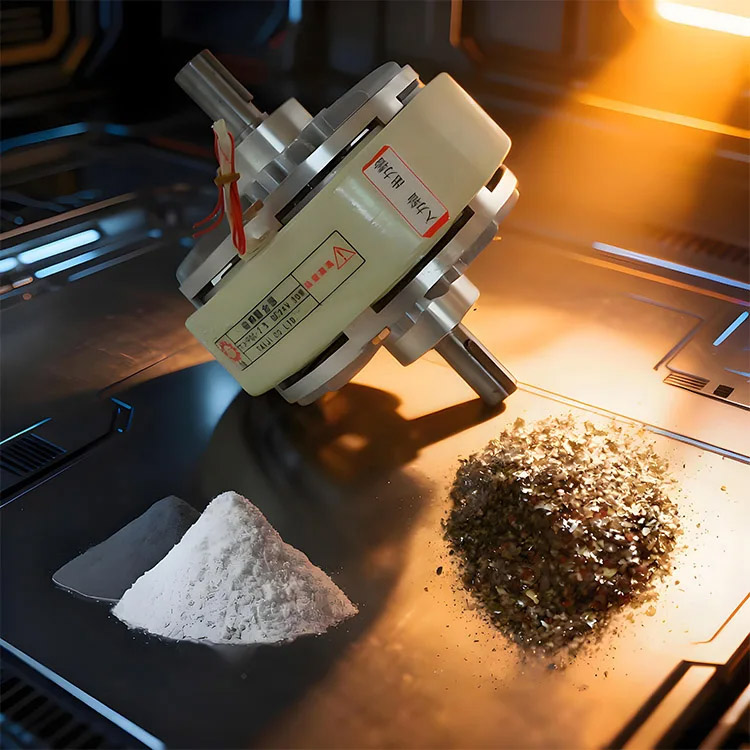
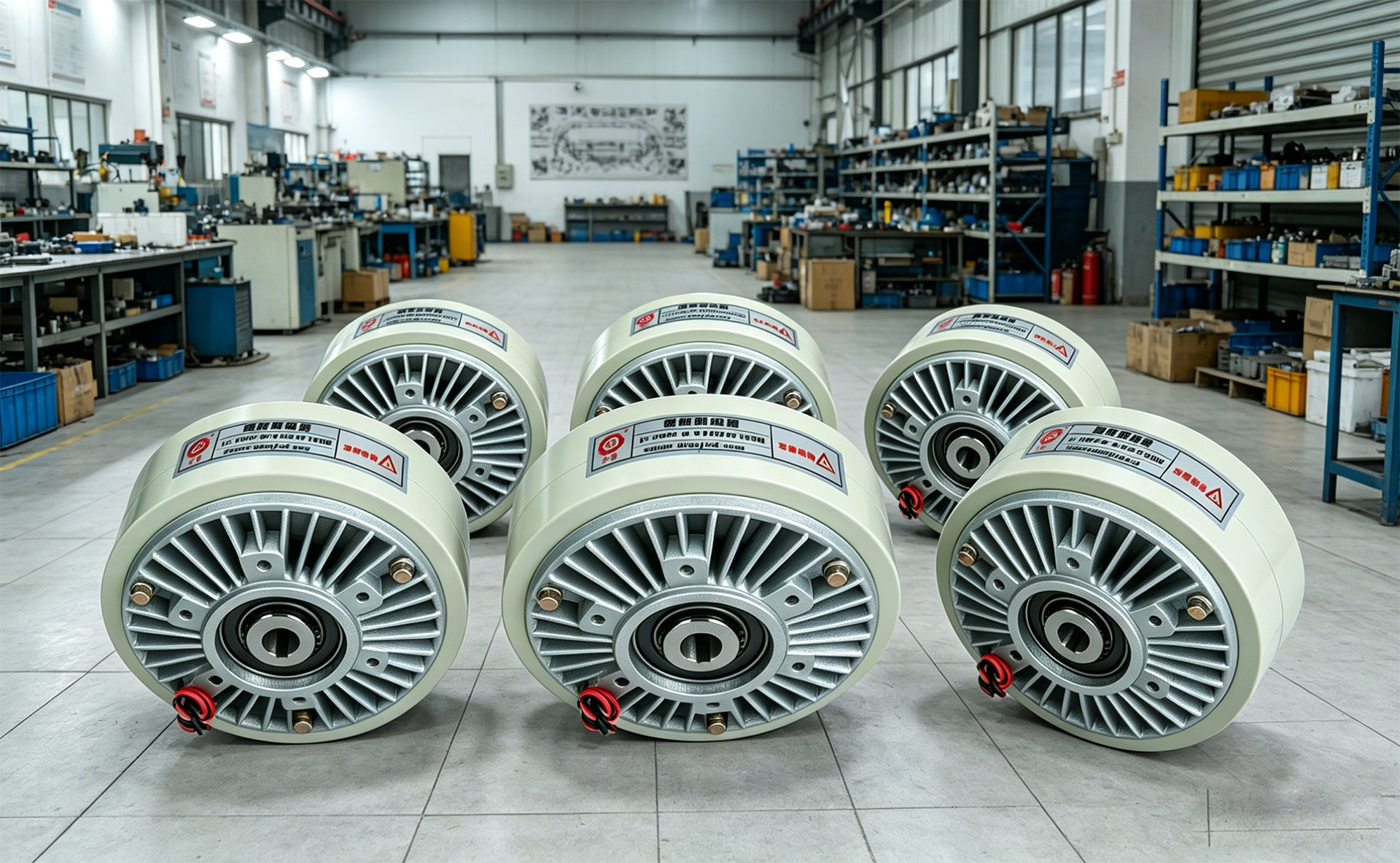
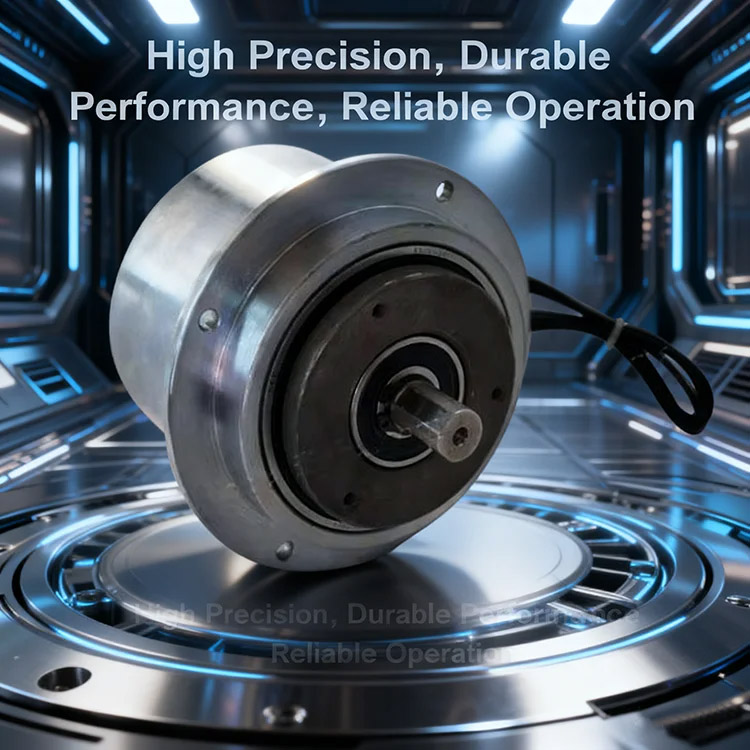
The magnetic box brake represents a sophisticated braking solution that combines electromagnetic principles with precision engineering to deliver reliable stopping power across various industrial applications. This innovative braking system utilizes electromagnetic force to create controlled friction, enabling smooth and efficient deceleration of moving machinery components. At its core, the magnetic box brake operates through an electromagnetic coil housed within a protective enclosure, which generates a magnetic field when energized. This field engages brake shoes or friction pads against a rotating drum or disc, producing the necessary resistance to halt motion. The technological features of the magnetic box brake include rapid response times, adjustable torque settings, and minimal wear characteristics that extend operational lifespan significantly. The enclosed design protects internal components from environmental contaminants such as dust, moisture, and debris, ensuring consistent performance even in challenging industrial environments. Temperature management systems integrated into many magnetic box brake designs prevent overheating during extended operation, maintaining optimal friction coefficients throughout the duty cycle. The applications for this braking technology span multiple industries, including material handling equipment, packaging machinery, conveyor systems, printing presses, textile manufacturing, and automated production lines. In elevator systems, the magnetic box brake provides essential safety functions by securing the cabin when stationary and enabling controlled descent during operation. The modular construction of these brakes allows for straightforward installation and maintenance, reducing downtime and operational costs. Voltage options ranging from standard industrial power supplies to specialized configurations accommodate diverse electrical infrastructure requirements. The magnetic box brake delivers precise control over deceleration rates, preventing sudden stops that could damage products or machinery components while ensuring worker safety through predictable, repeatable performance characteristics that meet stringent industrial safety standards and regulatory compliance requirements across global manufacturing sectors.

New Product Recommendations

Choosing a magnetic box brake for your equipment delivers numerous practical benefits that directly impact your operational efficiency and bottom line. First, these brakes provide exceptional reliability because they contain fewer moving parts compared to traditional mechanical braking systems, which means less can go wrong during operation. You will experience significantly reduced maintenance requirements since the electromagnetic engagement eliminates many wear-prone components found in conventional brake designs. This translates to lower long-term ownership costs and fewer production interruptions for repair work. The response speed of a magnetic box brake outperforms many alternatives, engaging within milliseconds of receiving the activation signal. This quick reaction time enhances safety by shortening stopping distances and preventing accidents in fast-paced production environments. You gain precise control over braking force through simple electrical adjustments rather than mechanical modifications, allowing operators to fine-tune performance without disassembling equipment. The enclosed housing protects sensitive components from contamination, enabling reliable operation in dusty workshops, humid environments, or outdoor installations where traditional open brakes would fail prematurely. Energy efficiency represents another compelling advantage, as the magnetic box brake consumes power only during engagement and disengagement phases, not while holding position. This characteristic reduces electrical costs over continuous operation periods compared to systems requiring constant power draw. Installation simplicity saves time and labor expenses, with standardized mounting patterns and electrical connections that technicians can complete quickly without specialized training. The consistent performance across varying temperatures ensures your equipment operates reliably whether in refrigerated facilities or high-heat manufacturing zones. Noise reduction benefits create more comfortable working conditions, as electromagnetic engagement operates more quietly than mechanical clutch mechanisms or friction-based alternatives. The adjustability of braking torque without physical modifications means one brake model can serve multiple applications across your facility, reducing inventory complexity and procurement challenges. Safety certifications from recognized testing organizations provide assurance that the magnetic box brake meets rigorous standards for industrial equipment, protecting both workers and your organization from liability concerns. The longevity of these brakes extends replacement intervals significantly, with many units operating reliably for years before requiring component renewal. This durability stems from the non-contact nature of electromagnetic force generation, which prevents the rapid wear associated with continuous friction contact. You also benefit from simplified troubleshooting, as electrical diagnostics provide clear feedback about system status compared to mechanical inspection requirements.

Latest News

Transmission Pain Points in Printing/Textile/Chemical Machinery: How Electromagnetic Clutches Improve Equipment Stability?

08

Dec

Transmission Pain Points in Printing/Textile/Chemical Machinery: How Electromagnetic Clutches Improve Equipment Stability?

Struggling with transmission instability in printing, textile, or chemical machinery? TJ-A electromagnetic clutches eliminate slip, boost throughput 15–20%, and ensure asbestos-free safety. Discover how top global manufacturers achieve 99.8% reliability—request a spec sheet today.
View More
High-Quality Web Guide Control Systems From a Leading Domestic Manufacturer With 20 Years of Expertise

08

Dec

High-Quality Web Guide Control Systems From a Leading Domestic Manufacturer With 20 Years of Expertise

Discover high-precision web guide control systems from a trusted domestic manufacturer with 20 years of R&D expertise. Reduce waste, boost efficiency, and ensure reliability. Request a quote today.
View More
The Pain of Non-Standard Transmission in Special Working Conditions

09

Apr

The Pain of Non-Standard Transmission in Special Working Conditions

Struggling with standard transmission failures in extreme temps, dust, or tight spaces? TianJi’s 20-year R&D delivers reliable custom clutches & brakes—engineered for your exact specs. Get a free technical consultation today.
View More

Get Your Custom Quote

Tell us your requirements and get a tailored solution for your project.
Name
Mobile
Email
Please include
Message
0/1000

magnetic box brake

Superior Durability Through Advanced Electromagnetic Technology

Superior Durability Through Advanced Electromagnetic Technology

The magnetic box brake achieves exceptional longevity through its innovative electromagnetic engagement mechanism that fundamentally differs from conventional friction-based braking systems. Traditional brake designs rely on constant physical contact between moving parts, creating inevitable wear that degrades performance over time and necessitates frequent component replacement. In contrast, the magnetic box brake generates stopping force through electromagnetic fields that engage brake components only when needed, dramatically reducing material degradation. This design philosophy extends operational life by factors of three to five compared to standard mechanical brakes in similar applications. The protective enclosure surrounding the electromagnetic coil and friction elements shields critical components from environmental hazards that accelerate wear in exposed brake systems. Dust particles, moisture infiltration, chemical vapors, and temperature fluctuations all contribute to premature failure in traditional brakes, but the sealed construction of the magnetic box brake creates a barrier against these destructive elements. The electromagnetic coil itself represents a highly durable component, with copper windings encapsulated in protective materials that resist thermal cycling and electrical stress over millions of activation cycles. Heat dissipation features integrated into the brake housing prevent temperature buildup that would otherwise compromise friction material properties and reduce braking effectiveness. Advanced thermal management allows the magnetic box brake to maintain consistent performance during continuous duty cycles where conventional brakes would experience fade or failure. The friction materials selected for these systems undergo rigorous testing to ensure compatibility with electromagnetic engagement forces and resistance to the operating temperatures generated during frequent stopping operations. Material science advances have produced friction compounds that maintain stable coefficients across wide temperature ranges while resisting compression set and surface glazing. The mounting hardware and structural components feature corrosion-resistant treatments or materials that prevent rust and degradation in challenging industrial atmospheres. This comprehensive approach to durability reduces total cost of ownership by extending replacement intervals, minimizing maintenance labor requirements, and preventing unexpected failures that disrupt production schedules. Organizations implementing magnetic box brake technology report significant reductions in spare parts inventory costs and maintenance staff workload allocation to brake service activities.
Precise Control Enabling Optimized Production Processes

Precise Control Enabling Optimized Production Processes

The magnetic box brake delivers unparalleled control precision that empowers operators to optimize machinery performance for specific production requirements and material characteristics. Electrical control of braking force allows infinitely variable adjustment within the design range, providing flexibility that mechanical systems simply cannot match without extensive hardware modifications. This adjustability proves particularly valuable in applications processing diverse materials or products requiring different handling characteristics throughout production cycles. Operators can program braking profiles that accommodate delicate items needing gentle deceleration alongside robust components tolerating more aggressive stopping forces, all using the same brake hardware. The rapid response characteristics of electromagnetic engagement enable sophisticated motion control strategies that improve product quality and throughput rates. When integrated with programmable logic controllers and motion control systems, the magnetic box brake becomes part of an intelligent automation solution that adapts braking parameters in real-time based on sensor feedback and process conditions. This integration capability supports Industry 4.0 initiatives by providing data connectivity and remote monitoring functions that traditional mechanical brakes cannot offer. Maintenance personnel receive advance warning of potential issues through electrical parameter monitoring, detecting coil resistance changes or unusual power consumption patterns that indicate developing problems before catastrophic failure occurs. The consistent torque delivery across the operational range ensures repeatable stopping performance that maintains tight tolerances in positioning applications, critical for automated assembly processes and precision material handling. Temperature stability of the electromagnetic system prevents the performance variations experienced with friction brakes as they heat during operation, maintaining predictable behavior throughout extended duty cycles. This consistency eliminates the need for operators to compensate for brake fade or changing characteristics, reducing training requirements and operator error potential. The ability to implement soft-start and soft-stop profiles protects both products and machinery from impact forces that cause damage and accelerate wear. Gradual engagement and disengagement extend conveyor belt life, reduce product shifting during transport, and minimize structural stress on mounting frames and support structures. Energy recovery systems can work in conjunction with the magnetic box brake to capture kinetic energy during deceleration phases, improving overall system efficiency in applications involving frequent stopping cycles. The electrical control interface simplifies integration with safety systems, allowing emergency stop circuits to activate brakes immediately while enabling controlled shutdown sequences during normal operation.
Versatile Application Range Across Diverse Industrial Sectors

Versatile Application Range Across Diverse Industrial Sectors

The magnetic box brake demonstrates remarkable versatility across numerous industrial applications, providing reliable braking solutions for equipment ranging from compact packaging machines to heavy-duty material handling systems. This adaptability stems from the scalable nature of electromagnetic technology, which allows manufacturers to produce brake models spanning wide torque ranges while maintaining consistent operating principles and control interfaces. In conveyor systems, the magnetic box brake provides smooth stopping action that prevents product spillage and belt tracking issues while enabling precise positioning for automated loading and unloading operations. The controlled deceleration protects fragile goods from impact damage and maintains orientation of carefully arranged products throughout the transport process. Packaging machinery benefits from the rapid cycling capability of the magnetic box brake, with quick engagement and release supporting high-speed intermittent motion profiles common in form-fill-seal equipment and cartoning systems. The precise stopping accuracy ensures proper registration between packaging materials and product placement, reducing waste and maintaining quality standards. Printing press applications leverage the adjustable torque characteristics to accommodate different paper weights and printing speeds without mechanical modifications, while the quick response prevents smearing and registration errors during emergency stops. Textile manufacturing equipment uses the magnetic box brake to control tension in fabric handling systems, preventing material damage from sudden stops or uncontrolled unwinding of rolls. The clean operation of enclosed brakes suits food processing environments where contamination concerns prohibit exposed mechanical components, meeting sanitary design requirements while delivering necessary stopping power. Elevator installations rely on the magnetic box brake as both operational and safety brakes, with fail-safe designs ensuring secure holding even during power failures through spring-applied, electrically released configurations. Wind turbine yaw and pitch control systems employ these brakes to position turbine components precisely while withstanding environmental extremes of temperature, moisture, and vibration. Automated guided vehicles incorporate compact magnetic box brake designs that provide reliable stopping without adding excessive weight or requiring frequent maintenance that would compromise vehicle availability. Stage rigging and entertainment applications utilize the quiet operation and smooth control characteristics to position lighting, scenery, and effects equipment without disturbing performances. Medical equipment manufacturers select these brakes for imaging systems, patient positioning devices, and automated laboratory equipment where reliability and precise control directly impact patient care and diagnostic accuracy. The standardized mounting interfaces and electrical connections facilitate equipment upgrades, allowing organizations to modernize legacy machinery with advanced braking technology without complete system replacement. This retrofit capability extends the useful life of capital equipment while improving safety and performance characteristics to meet current operational demands and regulatory requirements.
email goToTop