Integrated Design for Space Optimization
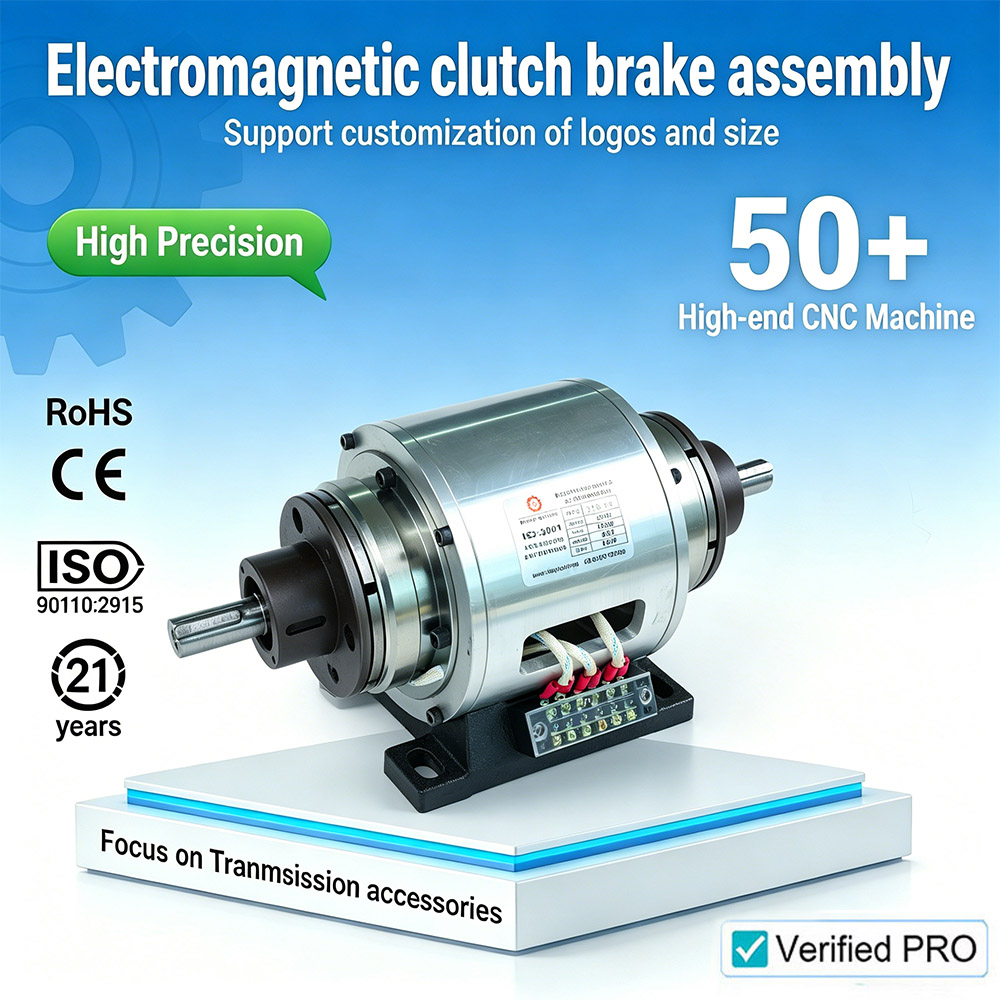
The integrated construction of magnetic brake motors delivers substantial space-saving advantages that address increasingly common facility constraints and equipment miniaturization trends. Traditional braking solutions require separate components mounted externally to the motor, consuming valuable machine footprint and complicating installation procedures. The magnetic brake motor consolidates the braking mechanism directly within the motor housing, creating a unified assembly that occupies no more space than a standard motor of equivalent power rating. This integration eliminates the need for additional mounting brackets, linkages, external brake calipers, and associated hardware that would otherwise clutter the equipment design. Manufacturing engineers appreciate the simplified machine layouts that result from this compact configuration, as the reduced component count streamlines assembly processes and decreases potential failure points. The space efficiency becomes particularly valuable in applications where multiple motors operate in close proximity, such as conveyor systems, packaging lines, and automated warehousing equipment. Equipment designers gain flexibility to maximize productive capacity within existing floor space rather than expanding facilities to accommodate bulkier braking systems. The integrated approach also improves aesthetic appearance, creating cleaner equipment profiles that enhance professional presentation and simplify cleaning procedures in food processing and pharmaceutical applications where hygiene standards demand smooth, accessible surfaces. Weight reduction accompanies the space savings, as eliminating separate brake assemblies and mounting structures decreases overall equipment mass. This weight advantage proves beneficial for mobile equipment, overhead installations, and applications where structural loading limitations exist. The unified construction simplifies maintenance access, as technicians service a single integrated unit rather than coordinating work across dispersed components. Replacement procedures become more straightforward, often involving simple motor exchanges rather than complex disassembly of interconnected braking mechanisms. The integration ensures perfect alignment between motor shaft and brake disc throughout the equipment lifecycle, eliminating the alignment drift issues that plague separately-mounted brake systems and cause uneven wear or reduced braking effectiveness. Vibration resistance improves because the rigid internal mounting prevents the relative movement between components that external brake assemblies may experience during operation. This stability extends component life and maintains consistent performance over millions of braking cycles.

 EN
EN