Clutch Magnet Solutions: Precision Electromagnetic Control for Industrial Applications

All Categories

clutch magnet

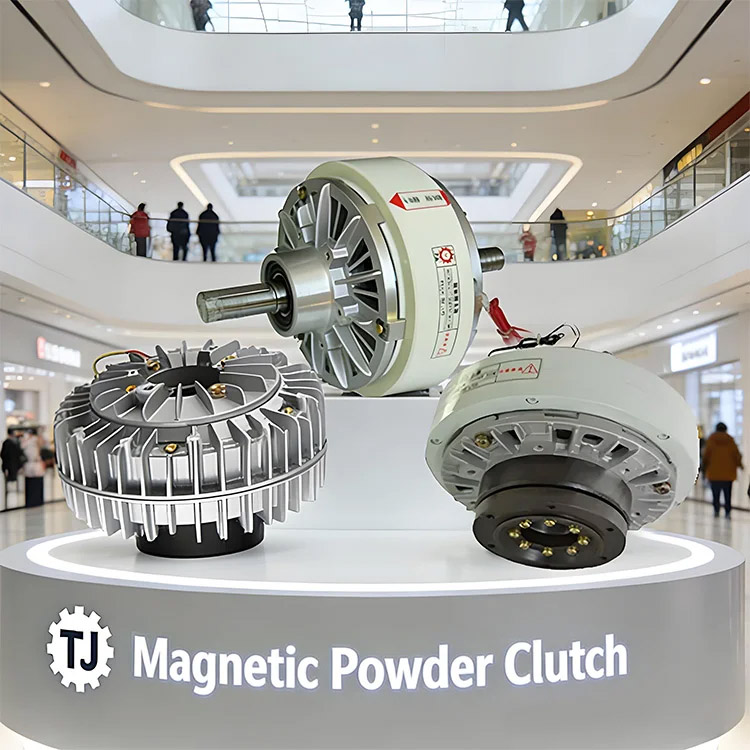
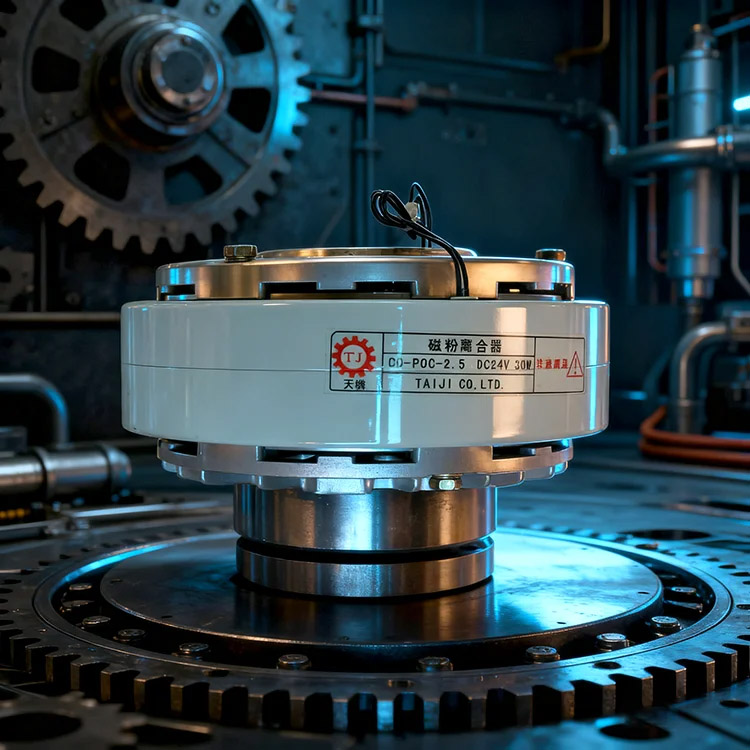
A clutch magnet represents an essential electromagnetic component designed to control mechanical power transmission through magnetic force activation and deactivation. This sophisticated device operates by converting electrical energy into magnetic fields that engage or disengage mechanical systems without physical contact in many configurations. The clutch magnet serves as a critical interface between electrical control systems and mechanical operations, enabling precise timing and smooth transitions in various industrial applications. The primary function of a clutch magnet involves creating a strong magnetic field when energized, which attracts ferromagnetic materials to establish mechanical coupling. When the electrical current ceases, the magnetic field dissipates, allowing the mechanical components to separate cleanly. This fundamental operation makes the clutch magnet invaluable for automated machinery, printing equipment, packaging systems, and numerous other industrial processes. Technologically, modern clutch magnet designs incorporate advanced coil winding techniques, optimized core materials, and thermal management systems to ensure reliable performance under demanding conditions. The electromagnetic coils are precisely wound to generate maximum magnetic flux density while minimizing electrical resistance and heat generation. High-quality ferromagnetic core materials enhance magnetic field strength and provide consistent holding force throughout the operational cycle. Many clutch magnet units feature built-in rectifiers that convert alternating current to direct current, simplifying electrical connections and improving response times. The applications for clutch magnet technology span across manufacturing, automotive, agricultural, and material handling sectors. In printing presses, these devices enable rapid engagement and disengagement of printing cylinders for quick setup changes. Packaging machinery utilizes clutch magnet assemblies to synchronize multiple mechanical stations with precision timing. Agricultural equipment incorporates these components to control power take-off mechanisms and implement engagement. The versatility and reliability of clutch magnet systems make them indispensable in modern automation, where precise control, durability, and consistent performance are paramount requirements for successful operations.

Popular Products

The clutch magnet delivers substantial practical benefits that directly impact your operational efficiency and bottom line. First and foremost, this component provides instant response to electrical signals, allowing your machinery to start and stop with remarkable precision. Unlike mechanical clutches that require physical manipulation, a clutch magnet responds within milliseconds to control commands, giving you faster cycle times and increased productivity. This quick response capability translates directly into higher throughput for your production lines. The elimination of mechanical linkages and manual adjustments reduces setup time significantly, allowing operators to focus on productive tasks rather than equipment configuration. Your maintenance costs drop dramatically because clutch magnet systems have fewer wearing parts compared to traditional mechanical clutches. There are no friction plates to replace regularly, no adjustment mechanisms to calibrate, and no mechanical linkages to lubricate. This simplicity means your equipment stays operational longer between service intervals, reducing downtime and maintenance expenses. The electromagnetic operation ensures consistent performance throughout the service life, without the gradual degradation typical of friction-based systems. Energy efficiency represents another significant advantage that affects your operating costs. The clutch magnet only consumes electrical power during state changes or when holding force is required, depending on the design. Many modern units feature low-power holding circuits that maintain engagement with minimal energy consumption. This efficiency reduces your electrical costs and minimizes heat generation in your equipment. Speaking of heat, the improved thermal characteristics of clutch magnet assemblies contribute to longer component life and more stable performance. The precise control offered by clutch magnet technology enhances product quality by ensuring consistent engagement force and timing. Your production processes benefit from repeatable performance that eliminates variations caused by mechanical wear or adjustment drift. Operators can easily adjust engagement parameters through electrical controls, providing flexibility to accommodate different products or operating conditions without physical modifications. Safety improvements come naturally with clutch magnet implementation, as emergency stop functions can instantly disengage machinery without waiting for mechanical components to release. The electrical control interface integrates seamlessly with modern programmable logic controllers and automation systems, giving you sophisticated control options. Remote operation capabilities mean operators can control equipment from safe distances, reducing exposure to hazardous machinery. The compact design of most clutch magnet assemblies saves valuable space in your equipment, allowing for more streamlined machine designs. Installation is straightforward, typically requiring only electrical connections and basic mechanical mounting. The reliability of quality clutch magnet products means you can trust your equipment to perform consistently shift after shift, year after year, supporting your commitment to delivering products on time and meeting customer expectations without equipment-related delays.

Tips And Tricks

Transmission Pain Points in Printing/Textile/Chemical Machinery: How Electromagnetic Clutches Improve Equipment Stability?

08

Dec

Transmission Pain Points in Printing/Textile/Chemical Machinery: How Electromagnetic Clutches Improve Equipment Stability?

Struggling with transmission instability in printing, textile, or chemical machinery? TJ-A electromagnetic clutches eliminate slip, boost throughput 15–20%, and ensure asbestos-free safety. Discover how top global manufacturers achieve 99.8% reliability—request a spec sheet today.
View More
High-Quality Web Guide Control Systems From a Leading Domestic Manufacturer With 20 Years of Expertise

08

Dec

High-Quality Web Guide Control Systems From a Leading Domestic Manufacturer With 20 Years of Expertise

Discover high-precision web guide control systems from a trusted domestic manufacturer with 20 years of R&D expertise. Reduce waste, boost efficiency, and ensure reliability. Request a quote today.
View More
The Pain of Non-Standard Transmission in Special Working Conditions

09

Apr

The Pain of Non-Standard Transmission in Special Working Conditions

Struggling with standard transmission failures in extreme temps, dust, or tight spaces? TianJi’s 20-year R&D delivers reliable custom clutches & brakes—engineered for your exact specs. Get a free technical consultation today.
View More

Get Your Custom Quote

Tell us your requirements and get a tailored solution for your project.
Name
Mobile
Email
Please include
Message
0/1000

clutch magnet

Exceptional Durability and Extended Service Life

Exceptional Durability and Extended Service Life

The clutch magnet stands out in industrial applications due to its remarkable durability and extended operational lifespan that far exceeds conventional mechanical clutching systems. This longevity stems from the fundamental electromagnetic operating principle that minimizes physical wear on components. Unlike friction-based clutches that rely on physical contact between surfaces that gradually deteriorate through repeated use, the clutch magnet creates coupling force through magnetic fields that do not degrade over time. The electromagnetic coils within quality clutch magnet assemblies are manufactured using premium copper wire with superior insulation properties, ensuring reliable electrical performance through millions of operational cycles. These coils are typically encapsulated in protective compounds that shield them from moisture, dust, and chemical contaminants commonly found in industrial environments. The ferromagnetic core materials used in professional-grade clutch magnet designs are selected for their excellent magnetic properties and resistance to demagnetization, maintaining consistent field strength throughout the product's service life. The absence of friction surfaces means there are no wearing components that require periodic replacement, eliminating the recurring costs and downtime associated with clutch rebuilds or replacements. This durability advantage becomes particularly significant in high-cycle applications where mechanical clutches might require service every few months, while a quality clutch magnet can operate for years without intervention. The robust construction typically includes sealed housings that protect internal components from environmental hazards, and many industrial clutch magnet units are designed to withstand vibration, shock loads, and temperature extremes that would quickly destroy less robust components. Temperature management features such as efficient heat dissipation designs and thermal protection circuits prevent overheating during extended operation or rapid cycling. The electrical connections are engineered for reliability, using quality terminals and wire management that prevents fatigue failures. Many manufacturers subject their clutch magnet products to rigorous testing protocols that simulate years of operation under harsh conditions, ensuring that only products meeting strict durability standards reach the market. This commitment to quality means your investment in clutch magnet technology pays dividends through reduced maintenance costs, fewer production interruptions, and predictable equipment performance. The long service life also contributes to sustainability goals by reducing waste from discarded components and minimizing the environmental impact associated with manufacturing replacement parts.
Precise Control and Consistent Performance

Precise Control and Consistent Performance

The clutch magnet delivers unmatched precision in controlling mechanical engagement, offering performance consistency that directly impacts product quality and operational efficiency. This precision begins with the electromagnetic actuation principle that responds to electrical signals with exceptional accuracy and repeatability. When voltage is applied to the clutch magnet coil, the magnetic field builds rapidly to a predetermined strength, creating consistent engagement force regardless of ambient conditions or component wear. This predictable behavior eliminates the variability inherent in mechanical systems where spring tension, friction coefficients, and adjustment settings can drift over time. The electrical control interface allows operators to fine-tune engagement parameters precisely, adjusting holding current to optimize performance for specific applications. In automated systems, the clutch magnet integrates seamlessly with programmable controllers, enabling sophisticated timing sequences and coordinated operations across multiple machine stations. The fast response time of electromagnetic actuation means your equipment can execute rapid start-stop cycles with precision that matches modern high-speed production requirements. This quick response reduces the settling time between operations, increasing throughput without sacrificing accuracy. The consistent engagement force provided by a properly sized clutch magnet ensures that coupled components maintain precise relationships, critical for applications requiring registration accuracy or synchronized motion. Unlike mechanical clutches that may engage gradually or inconsistently as components wear, the clutch magnet provides clean, crisp transitions between engaged and disengaged states. This decisive action reduces shock loading on drivetrain components and minimizes vibration during state changes. The electromagnetic holding force remains constant during operation, preventing slippage that could compromise product quality or damage equipment. In tension-control applications, the clutch magnet can maintain precise torque levels, ensuring consistent material handling without stretching or tearing delicate substrates. The ability to modulate engagement force through electrical current adjustment provides flexibility to accommodate different materials or operating conditions without mechanical modifications. Quality control benefits substantially from this consistency, as product characteristics remain uniform throughout production runs. The elimination of mechanical adjustment requirements means that performance parameters do not drift between maintenance intervals, reducing the need for constant monitoring and recalibration. Operators can trust that the equipment will perform identically on the first cycle of a shift and the thousandth cycle, supporting lean manufacturing principles and just-in-time production strategies. This reliability extends to environmental variations, as quality clutch magnet designs compensate for temperature changes and maintain performance across the specified operating range.
Simplified Installation and Maintenance Requirements

Simplified Installation and Maintenance Requirements

The clutch magnet offers significant advantages in both installation simplicity and ongoing maintenance requirements, reducing total cost of ownership while improving equipment availability. Installation of a clutch magnet assembly typically requires substantially less time and expertise compared to complex mechanical clutching systems. The mounting arrangement usually involves straightforward bolting to equipment frames or direct integration into machinery designs using standard mechanical interfaces. Electrical connections are equally simple, generally requiring only two or three wires to provide power and ground connections, with some advanced units incorporating additional control signal inputs. This straightforward wiring contrasts sharply with the complex linkages, adjustments, and alignments necessary for mechanical clutch installations. The compact form factor of most clutch magnet designs means they fit into tight spaces where bulky mechanical components would be impractical, giving equipment designers greater flexibility in machine layout. During installation, there are no friction plates to align precisely, no air gaps to set with specialized gauges, and no complex timing adjustments to configure, reducing installation labor costs significantly. Many clutch magnet units arrive as complete assemblies ready for installation, eliminating the need to source and assemble multiple components from different suppliers. The reduced complexity means less specialized knowledge is required, allowing your maintenance staff to handle installations without extensive training or outside contractors. Once installed, the clutch magnet requires minimal ongoing maintenance compared to mechanical alternatives. There are no wearing friction surfaces to inspect, measure, and replace on regular intervals. The absence of mechanical adjustment mechanisms eliminates drift and the need for periodic recalibration to maintain performance. Lubrication requirements are minimal or nonexistent, removing one of the most common maintenance tasks and eliminating potential contamination sources in clean manufacturing environments. The sealed construction of quality clutch magnet assemblies protects internal components from environmental contamination, reducing failure rates and extending maintenance intervals. When service is eventually required, troubleshooting is straightforward because electromagnetic components either function correctly or fail completely, rather than degrading gradually with ambiguous symptoms. Replacement is typically a simple swap of the entire assembly rather than a complex rebuild process, minimizing downtime during service events. The electrical nature of clutch magnet operation enables remote monitoring capabilities, allowing maintenance teams to track performance parameters and predict service needs before failures occur. This predictive maintenance approach maximizes equipment availability while minimizing emergency repairs. The reduced maintenance burden frees your technical staff to focus on value-adding activities rather than routine servicing, improving overall operational efficiency and reducing labor costs associated with equipment upkeep.
email goToTop