Versatile Application Compatibility Across Industries
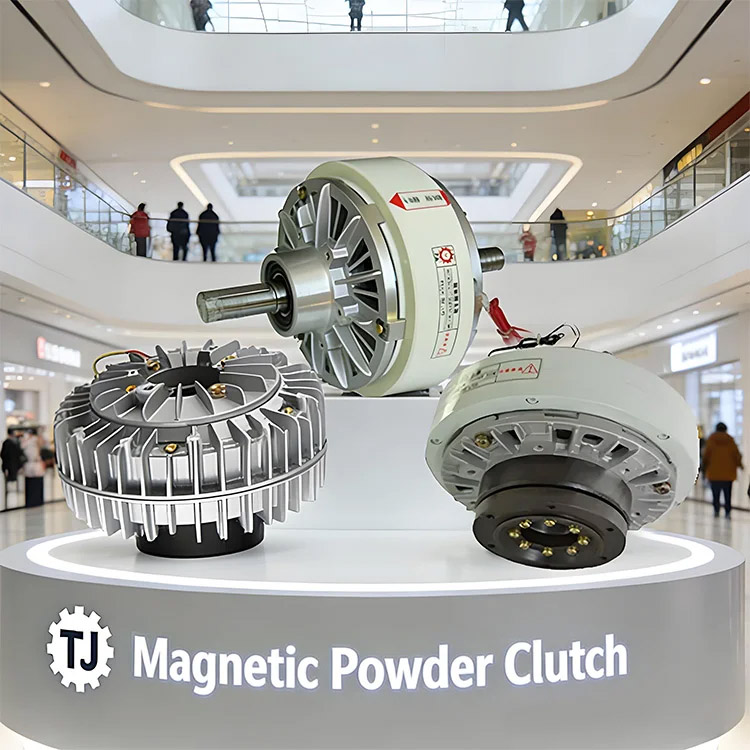
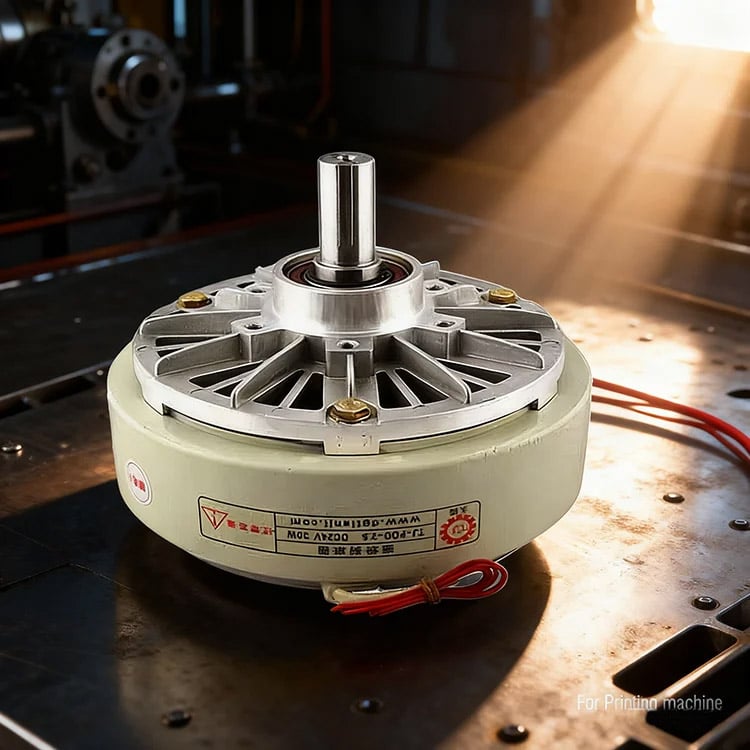
The versatility of magnetic clutches and brakes positions them as universal solutions compatible with diverse industrial applications spanning multiple sectors and operational requirements. This adaptability originates from the scalable nature of electromagnetic technology, where designers can configure coil sizes, friction materials, and housing dimensions to meet specific torque, speed, and environmental demands. Manufacturers offer magnetic clutches and brakes in configurations ranging from miniature units for laboratory equipment to massive assemblies for heavy industrial machinery, ensuring suitable options regardless of application scale. The torque capacity spectrum extends from fractional horsepower applications requiring delicate control to industrial drives transmitting hundreds of horsepower, accommodating everything from precision medical devices to steel mill equipment. Mounting flexibility allows integration into virtually any machine architecture, with face-mount, shaft-mount, and flange-mount configurations adapting to existing equipment designs. This mechanical compatibility simplifies both new machine development and retrofit installations where magnetic clutches and brakes replace aging mechanical systems. Electrical compatibility spans common industrial voltages and control signal standards, enabling straightforward integration with existing control systems without specialized interface equipment. Many models accept standard voltage inputs while offering optional configurations for international power standards or specialized requirements. The operational speed range accommodates applications from slow-moving conveyors operating at mere revolutions per minute to high-speed printing presses exceeding thousands of RPM, demonstrating the technology's bandwidth. Environmental adaptations include sealed designs for washdown environments in food processing, explosion-proof housings for hazardous locations, and temperature-rated components for extreme climates. These specialized configurations extend magnetic clutches and brakes into applications where environmental conditions would rapidly destroy conventional mechanical systems. In the packaging industry, these devices control product indexing, carton folding, and wrapper tensioning across equipment handling diverse products from delicate pharmaceuticals to robust building materials. Printing operations utilize magnetic clutches and brakes for web tensioning, registration control, and emergency stopping across flexographic, gravure, and digital printing technologies. Textile machinery employs them for precise yarn tensioning, loom control, and fabric take-up management. Material handling systems integrate magnetic clutches and brakes into conveyor drives, sorting equipment, and automated storage systems where reliable cycling and precise positioning are essential. Metal forming equipment benefits from the controlled engagement that prevents shock loading during press cycling and stamping operations. Agricultural machinery incorporates these devices for implement engagement, enabling operators to activate attachments instantly from the cab. This cross-industry applicability means that expertise developed in one sector transfers readily to others, simplifying training and support while creating economies of scale in manufacturing that benefit all customers through competitive pricing and broad availability.

 EN
EN