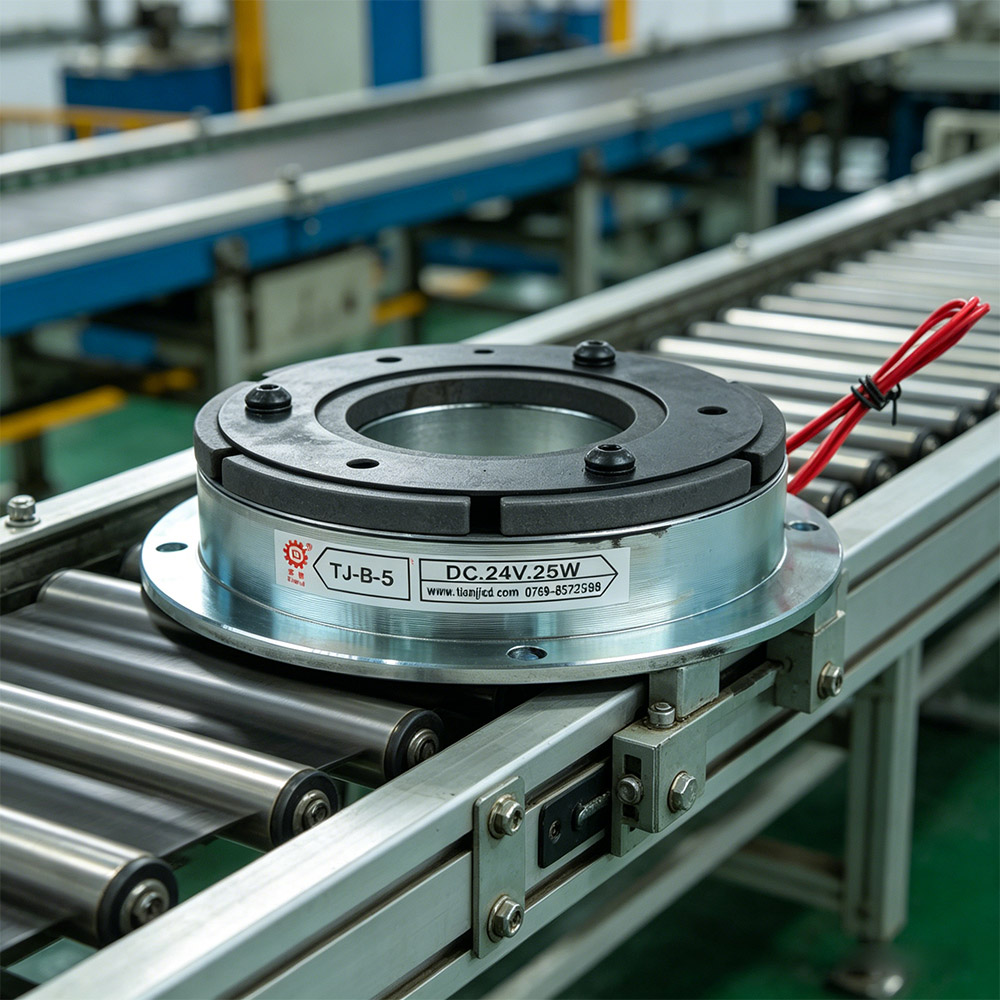
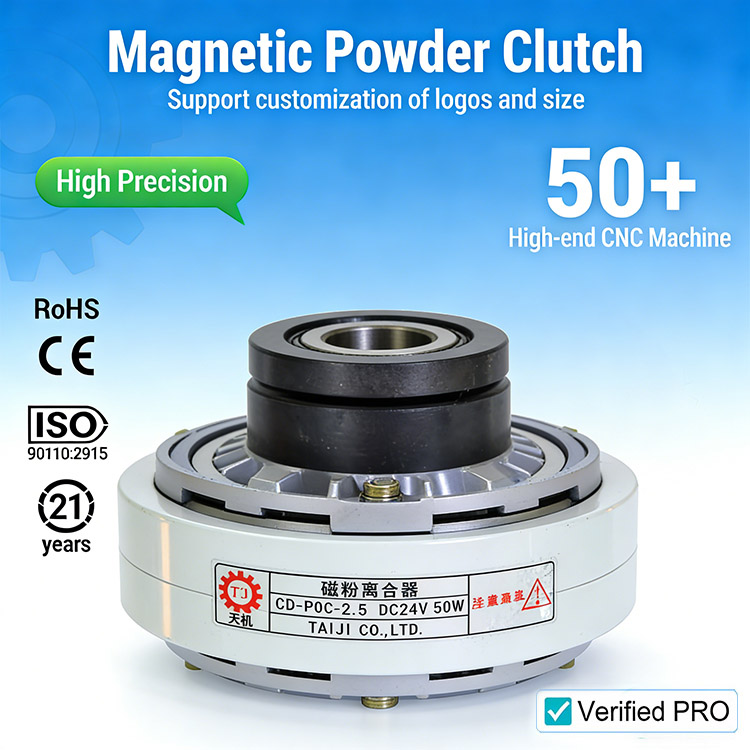
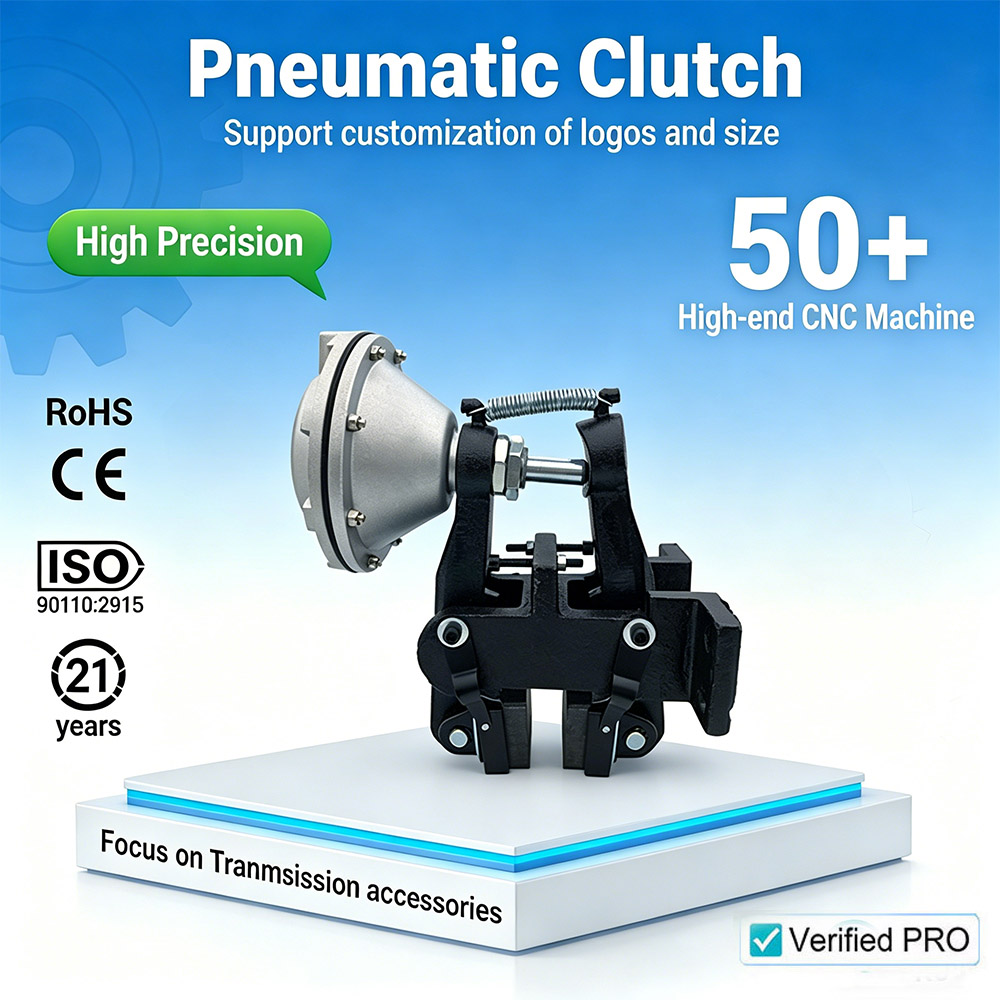
Clutch Magnetic Ring: Advanced Electromagnetic Engagement Technology for Automotive and Industrial Applications

All Categories

clutch magnetic ring

The clutch magnetic ring represents a pivotal component in modern automotive and industrial transmission systems, serving as an essential element that facilitates smooth power transfer and engagement control. This sophisticated device utilizes electromagnetic principles to enable or disable the connection between rotating shafts, providing precise control over mechanical power transmission. The clutch magnetic ring operates through the generation of magnetic fields that either attract or release friction surfaces, allowing for seamless engagement and disengagement of mechanical components without requiring direct physical contact in its activation mechanism. In automotive applications, the clutch magnetic ring plays a crucial role in air conditioning compressors, power steering systems, and various auxiliary drive mechanisms where on-demand power delivery is necessary. The component consists of a precisely engineered ring-shaped structure embedded with magnetic materials or electromagnetic coils that respond to electrical signals, creating the force necessary to actuate clutch mechanisms. Manufacturing processes for the clutch magnetic ring involve careful selection of magnetic materials with optimal properties, including high coercivity, appropriate remanence levels, and excellent temperature stability to ensure consistent performance across varying operational conditions. The technological advancement in clutch magnetic ring design has led to improvements in response time, durability, and energy efficiency, making these components increasingly valuable in applications requiring frequent engagement cycles or precise torque control. Modern clutch magnetic rings incorporate advanced materials such as rare-earth magnets or specially formulated electromagnetic steel alloys that provide superior magnetic flux density while maintaining compact dimensions. The integration of the clutch magnetic ring into mechanical systems offers engineers flexibility in designing transmission solutions that can adapt to changing operational requirements, providing both manual and automated control possibilities that enhance overall system performance and user experience across diverse industrial sectors.

Popular Products

The clutch magnetic ring delivers substantial practical benefits that directly impact operational efficiency and cost management for businesses and individual users alike. First and foremost, this component significantly reduces mechanical wear compared to traditional friction-based engagement systems because the magnetic activation mechanism eliminates the need for constant physical contact during the switching process, which translates to extended service life and reduced maintenance requirements. Users experience fewer breakdowns and lower replacement costs over the operational lifetime of equipment equipped with clutch magnetic rings, providing tangible financial savings that improve the total cost of ownership. The precise control offered by the clutch magnetic ring enables smoother engagement and disengagement cycles, eliminating the jerky movements and shock loads that characterize conventional clutch systems, which protects connected machinery from stress-related damage and extends the lifespan of entire mechanical assemblies. Energy efficiency represents another compelling advantage, as the clutch magnetic ring only consumes electrical power during state changes rather than maintaining continuous energy draw, resulting in reduced fuel consumption in vehicles and lower electricity costs in industrial applications. The rapid response time of the clutch magnetic ring allows systems to adapt quickly to changing operational demands, improving productivity in manufacturing environments and enhancing driver comfort in automotive applications through instantaneous engagement of auxiliary systems when needed. Installation and integration prove straightforward because the clutch magnetic ring typically fits into standardized mounting configurations, minimizing modification requirements and reducing installation time and labor costs. The component operates reliably across wide temperature ranges, maintaining consistent performance in harsh environments where conventional clutches might fail or require frequent adjustment, providing peace of mind for operators in demanding industrial settings or extreme climate conditions. Noise reduction constitutes an often-overlooked benefit, as the magnetic engagement mechanism operates more quietly than mechanical alternatives, creating more pleasant working environments and reducing noise pollution in both industrial and automotive settings. The clutch magnetic ring also enables automated control integration, allowing systems to be incorporated into sophisticated control networks that optimize performance based on real-time operational data, unlocking opportunities for improved efficiency through intelligent system management that would be difficult or impossible with purely mechanical clutch solutions.

Tips And Tricks

Transmission Pain Points in Printing/Textile/Chemical Machinery: How Electromagnetic Clutches Improve Equipment Stability?

08

Dec

Transmission Pain Points in Printing/Textile/Chemical Machinery: How Electromagnetic Clutches Improve Equipment Stability?

Struggling with transmission instability in printing, textile, or chemical machinery? TJ-A electromagnetic clutches eliminate slip, boost throughput 15–20%, and ensure asbestos-free safety. Discover how top global manufacturers achieve 99.8% reliability—request a spec sheet today.
View More
High-Quality Web Guide Control Systems From a Leading Domestic Manufacturer With 20 Years of Expertise

08

Dec

High-Quality Web Guide Control Systems From a Leading Domestic Manufacturer With 20 Years of Expertise

Discover high-precision web guide control systems from a trusted domestic manufacturer with 20 years of R&D expertise. Reduce waste, boost efficiency, and ensure reliability. Request a quote today.
View More
The Pain of Non-Standard Transmission in Special Working Conditions

09

Apr

The Pain of Non-Standard Transmission in Special Working Conditions

Struggling with standard transmission failures in extreme temps, dust, or tight spaces? TianJi’s 20-year R&D delivers reliable custom clutches & brakes—engineered for your exact specs. Get a free technical consultation today.
View More

Get Your Custom Quote

Tell us your requirements and get a tailored solution for your project.
Name
Mobile
Email
Please include
Message
0/1000

clutch magnetic ring

Superior Durability Through Advanced Magnetic Technology

Superior Durability Through Advanced Magnetic Technology

The clutch magnetic ring achieves exceptional longevity through its innovative use of magnetic force for engagement control, fundamentally changing how mechanical components interact during power transmission cycles. Unlike traditional clutches that rely on friction surfaces pressing together with significant force, the clutch magnetic ring uses electromagnetic attraction or permanent magnet positioning to control engagement, which means the critical activation mechanism experiences virtually no wear during normal operation. This design philosophy extends component life dramatically because the surfaces that do experience friction contact only engage when the magnetic field has already brought them into proximity, reducing sliding friction and the associated heat generation that degrades conventional clutch materials. The magnetic materials incorporated into the clutch magnetic ring maintain their properties for decades under normal operating conditions, with rare-earth magnet formulations showing minimal degradation even after millions of operational cycles. Engineering teams select materials specifically for their resistance to demagnetization from temperature exposure, mechanical shock, and stray magnetic fields that might be present in complex mechanical environments. The electromagnetic coils used in active clutch magnetic ring designs feature robust insulation systems that withstand temperature extremes and vibration, ensuring reliable electrical performance throughout the component's service life. Manufacturing quality control processes for the clutch magnetic ring include rigorous testing of magnetic properties, dimensional accuracy, and material integrity to guarantee that each unit meets exacting specifications before leaving the factory. The protective coatings applied to clutch magnetic ring surfaces provide corrosion resistance that preserves both aesthetic appearance and functional performance in environments where moisture, chemicals, or contaminants might otherwise cause degradation. Users benefit from this durability through reduced downtime, as equipment fitted with clutch magnetic rings requires less frequent service interventions and experiences fewer unexpected failures that disrupt operations. The maintenance cost savings accumulate substantially over years of operation, making the initial investment in clutch magnetic ring technology economically attractive for fleet operators, facility managers, and equipment owners who prioritize lifecycle costs over purchase price alone.
Precision Control for Optimal Performance

Precision Control for Optimal Performance

The clutch magnetic ring delivers unmatched precision in controlling mechanical engagement, offering responsiveness and accuracy that mechanical linkages simply cannot achieve. This precision stems from the fundamental physics of magnetic field generation and collapse, which occurs in milliseconds when electrical current flows through electromagnetic coils or when permanent magnets move into effective range of ferromagnetic materials. The instantaneous nature of magnetic force changes allows the clutch magnetic ring to engage or disengage power transmission almost immediately upon receiving control signals, enabling sophisticated timing strategies that optimize engine efficiency in automotive applications or synchronize machinery operations in industrial settings. Electronic control systems interface seamlessly with the clutch magnetic ring, accepting input from sensors that monitor temperature, speed, load, and other operational parameters to determine the optimal engagement state at any given moment. This integration capability transforms simple mechanical clutches into intelligent system components that contribute to overall performance optimization rather than merely serving as on-off switches for power transmission. The proportional control possible with certain clutch magnetic ring designs allows gradual engagement that smooths power delivery during startup or when connecting loads that require gentle acceleration to prevent damage or spillage. Engineers appreciate the repeatability of clutch magnetic ring performance, as the magnetic forces generated remain consistent across millions of cycles, ensuring that engagement characteristics do not drift over time as mechanical linkages might due to wear or adjustment changes. The clutch magnetic ring responds identically to control inputs whether the component is new or has been in service for years, providing predictable behavior that simplifies system calibration and reduces the need for periodic adjustments. Temperature compensation features incorporated into advanced clutch magnetic ring control systems maintain consistent engagement force despite thermal expansion of materials or changes in magnetic properties across the operational temperature range. The precise control offered by the clutch magnetic ring enables energy recovery strategies in hybrid vehicles and industrial systems, where momentary disengagement and re-engagement must occur with perfect timing to capture kinetic energy or redirect power flows without losses. This level of control precision contributes directly to efficiency improvements that translate into fuel savings, reduced emissions, and lower operating costs across the service life of equipped vehicles and machinery.
Versatile Applications Across Multiple Industries

Versatile Applications Across Multiple Industries

The clutch magnetic ring demonstrates remarkable adaptability, finding critical roles in diverse applications ranging from compact automotive accessories to heavy industrial machinery, which speaks to the fundamental versatility of its operating principles and design flexibility. In automotive air conditioning systems, the clutch magnetic ring enables compressors to engage only when cooling is needed, preventing unnecessary engine load and fuel consumption while providing instant climate control response when drivers activate cooling systems. Power steering applications utilize the clutch magnetic ring to connect hydraulic pumps to engine-driven pulleys on demand, supporting emerging technologies that blend traditional hydraulic assistance with electric systems for improved efficiency. Industrial conveyor systems incorporate clutch magnetic rings to control drive engagement for individual belt sections, allowing operators to activate only the portions of material handling systems actually needed for current production requirements, reducing energy waste and mechanical wear on idle sections. Agricultural equipment manufacturers specify clutch magnetic rings for implement drives that must engage and disengage frequently as tractors perform varied tasks across different field conditions, providing farmers with reliable control systems that withstand dust, moisture, and vibration inherent in farming operations. Marine propulsion systems employ clutch magnetic rings in auxiliary drive applications where reliability in saltwater environments and resistance to corrosion are paramount, with specialized coating systems protecting the magnetic components from harsh maritime conditions. HVAC systems in commercial buildings benefit from clutch magnetic ring technology in cooling tower fans and large circulation pumps, where the ability to modulate equipment operation based on actual thermal load requirements produces significant energy savings over systems that run continuously at full capacity. Manufacturing automation relies on clutch magnetic rings in robotic systems and CNC machinery where precise timing of power engagement enables complex sequential operations and protects expensive tooling from damage that might occur with less controllable engagement mechanisms. The renewable energy sector has discovered applications for the clutch magnetic ring in wind turbine systems, where controlled engagement of generators and mechanical brakes must occur reliably across extreme temperature variations and after extended periods of inactivity. This broad application spectrum reflects the fundamental advantages of magnetic engagement technology and demonstrates why engineers across industries continue to specify the clutch magnetic ring when designing new systems or upgrading existing equipment to meet modern performance and efficiency standards.
email goToTop