Magnetic Clutch - Advanced Electromagnetic Power Transmission Solutions for Industrial Applications

All Categories

magnetic clutch

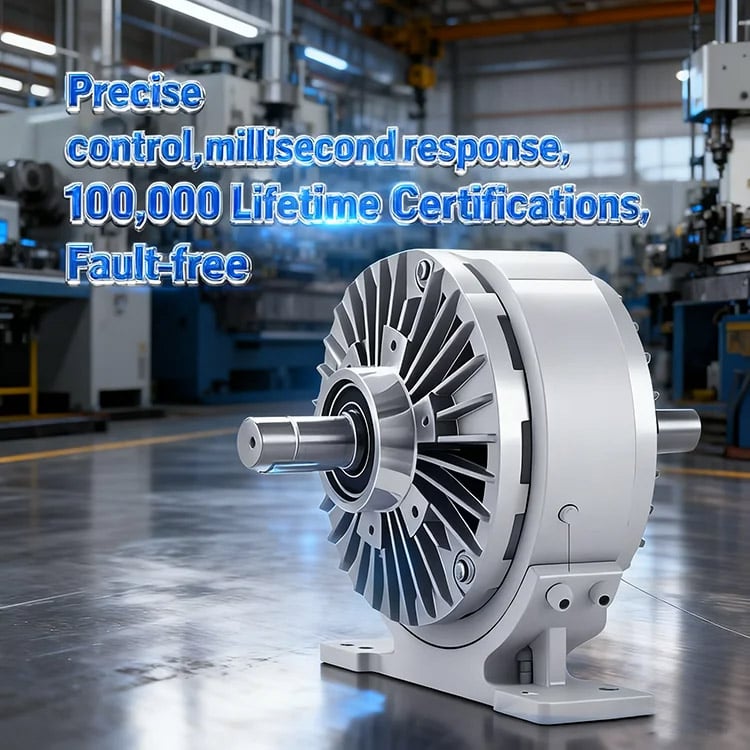
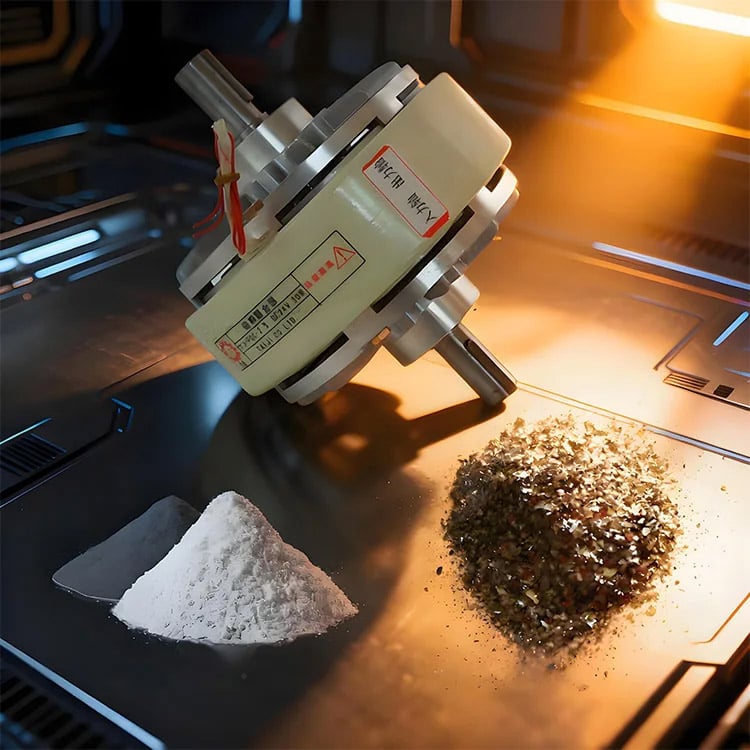
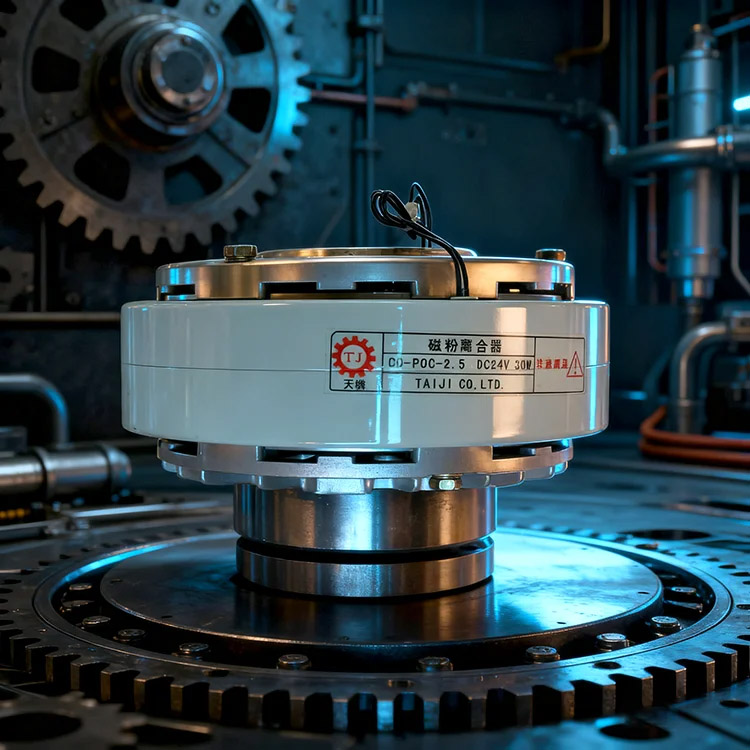
A magnetic clutch represents an innovative power transmission device that harnesses electromagnetic force to connect and disconnect rotating shafts without physical contact or friction-based engagement. This sophisticated mechanism operates through electromagnetic induction, creating a magnetic field that enables smooth torque transfer between driving and driven components. The magnetic clutch functions as an essential intermediary in mechanical systems, allowing operators to control power flow with remarkable precision and reliability. At its core, the device consists of a rotor assembly, an electromagnetic coil, and an armature plate that work in perfect harmony to facilitate seamless power transmission. When electrical current flows through the coil, it generates a powerful magnetic field that attracts the armature to the rotor, establishing a solid connection that transmits rotational force. Conversely, when the current ceases, the magnetic field dissipates, and a spring mechanism separates the components, instantly disengaging the connection. This electromagnetic operation principle offers superior performance compared to conventional mechanical alternatives. The magnetic clutch finds extensive application across diverse industries, including automotive air conditioning systems, industrial machinery, printing equipment, packaging lines, and precision manufacturing processes. Modern designs incorporate advanced materials such as high-grade steel alloys and specialized friction surfaces that enhance durability and heat dissipation capabilities. The technology features rapid engagement speeds, typically measured in milliseconds, ensuring instantaneous response to control signals. Temperature-resistant construction allows continuous operation in challenging environments where heat buildup might compromise conventional clutches. The modular design facilitates straightforward integration into existing systems, while adjustable torque ratings accommodate various load requirements. Engineers appreciate the magnetic clutch for its ability to provide slip-free engagement, eliminating gradual wear associated with friction-based systems. The electromagnetic control mechanism enables remote operation and automation integration, making it ideal for contemporary industrial applications demanding precision timing and reliable performance under demanding operational conditions.

Popular Products

The magnetic clutch delivers exceptional operational benefits that directly translate into cost savings and improved productivity for users across multiple applications. First and foremost, this technology eliminates physical wear on engagement surfaces during normal operation, significantly extending service life compared to traditional friction clutches that constantly degrade through contact. Users experience reduced maintenance requirements, as there are no worn pads or plates requiring regular replacement, which means less downtime and lower long-term operating costs. The instant engagement capability ensures precise control over power transmission, allowing operators to start and stop machinery with pinpoint accuracy that enhances production quality and reduces material waste. This quick response time proves particularly valuable in automated systems where timing precision directly impacts output quality and efficiency. Energy efficiency stands as another compelling advantage, since the magnetic clutch consumes electrical power only during engagement, unlike hydraulic or pneumatic alternatives that require continuous energy input to maintain pressure. The clean operation without oil or hydraulic fluid eliminates environmental concerns and reduces facility contamination risks, creating safer working environments and simplifying compliance with environmental regulations. Smooth engagement characteristics prevent shock loads on connected machinery, protecting expensive equipment from damaging stress spikes that shorten component lifespan and cause unexpected failures. Operators benefit from quieter operation compared to mechanical alternatives, as electromagnetic engagement produces minimal noise, improving workplace conditions and reducing sound pollution in industrial settings. The ability to integrate with electronic control systems enables sophisticated automation strategies, allowing seamless coordination with programmable logic controllers and computer-based management systems. Heat dissipation occurs naturally during disengaged states, preventing temperature buildup that could damage sensitive components or surrounding equipment. The compact design maximizes space efficiency, particularly important in applications where installation area comes at a premium. Users gain flexibility through adjustable torque transmission settings that accommodate varying load conditions without physical modifications. The reliable performance in harsh environments, including exposure to dust, moisture, and temperature fluctuations, ensures consistent operation where conventional clutches might fail. Remote operation capabilities enhance safety by allowing operators to control machinery from protected locations, reducing workplace injury risks. The predictable performance characteristics simplify system design and troubleshooting, while standardized mounting configurations facilitate replacement and upgrades. Overall, the magnetic clutch represents a smart investment that pays dividends through reduced maintenance, enhanced reliability, improved safety, and superior operational control that directly supports business objectives and competitive advantage in demanding industrial applications.

Latest News

Transmission Pain Points in Printing/Textile/Chemical Machinery: How Electromagnetic Clutches Improve Equipment Stability?

08

Dec

Transmission Pain Points in Printing/Textile/Chemical Machinery: How Electromagnetic Clutches Improve Equipment Stability?

Struggling with transmission instability in printing, textile, or chemical machinery? TJ-A electromagnetic clutches eliminate slip, boost throughput 15–20%, and ensure asbestos-free safety. Discover how top global manufacturers achieve 99.8% reliability—request a spec sheet today.
View More
High-Quality Web Guide Control Systems From a Leading Domestic Manufacturer With 20 Years of Expertise

08

Dec

High-Quality Web Guide Control Systems From a Leading Domestic Manufacturer With 20 Years of Expertise

Discover high-precision web guide control systems from a trusted domestic manufacturer with 20 years of R&D expertise. Reduce waste, boost efficiency, and ensure reliability. Request a quote today.
View More
The Pain of Non-Standard Transmission in Special Working Conditions

09

Apr

The Pain of Non-Standard Transmission in Special Working Conditions

Struggling with standard transmission failures in extreme temps, dust, or tight spaces? TianJi’s 20-year R&D delivers reliable custom clutches & brakes—engineered for your exact specs. Get a free technical consultation today.
View More

Get Your Custom Quote

Tell us your requirements and get a tailored solution for your project.
Name
Mobile
Email
Please include
Message
0/1000

magnetic clutch

Zero-Contact Electromagnetic Engagement Technology

Zero-Contact Electromagnetic Engagement Technology

The revolutionary zero-contact engagement mechanism represents the cornerstone advantage of magnetic clutch technology, fundamentally transforming how power transmission occurs in modern machinery. Unlike conventional clutches that rely on friction surfaces pressing together, the magnetic clutch employs electromagnetic force to create a secure connection without any physical rubbing or grinding between components. This innovative approach eliminates the primary cause of wear in traditional systems, where constant friction gradually degrades contact surfaces, producing debris and requiring periodic replacement. When electric current energizes the electromagnetic coil, it generates a powerful magnetic field that pulls the armature plate toward the rotor assembly with precisely controlled force. This magnetic attraction creates a firm bond capable of transmitting substantial torque while maintaining complete separation during disengaged states. The absence of friction-based contact means that engagement can occur thousands or even millions of times without meaningful degradation of critical components. Manufacturing facilities benefit enormously from this extended operational lifespan, as equipment remains productive for years without costly clutch rebuilds or replacements that interrupt production schedules. The electromagnetic principle also enables infinitely variable engagement speed control through current modulation, allowing gradual connection for delicate applications or instant engagement when rapid response becomes necessary. This versatility proves invaluable across diverse applications, from gentle positioning systems requiring smooth acceleration to high-speed production lines demanding instantaneous power connection. The technology operates effectively across wide temperature ranges, as electromagnetic properties remain stable under conditions that would cause conventional friction materials to deteriorate or fail completely. Engineers designing new equipment appreciate the predictable performance characteristics, which simplify calculations and ensure consistent behavior throughout the product lifecycle. Maintenance teams value the diagnostic simplicity, as electromagnetic systems provide clear electrical signatures that indicate proper function or reveal developing problems before catastrophic failure occurs. The clean operation without friction dust or debris maintains pristine working environments, particularly critical in food processing, pharmaceutical manufacturing, and electronics assembly where contamination cannot be tolerated. Furthermore, the zero-contact design eliminates break-in periods required by friction clutches, delivering full performance immediately upon installation and reducing commissioning time for new installations or equipment upgrades.
Precision Control with Instantaneous Response Capability

Precision Control with Instantaneous Response Capability

The magnetic clutch delivers unparalleled precision control through its instantaneous response capability, a critical feature that sets it apart from mechanical, hydraulic, and pneumatic alternatives in demanding applications. Response times measured in mere milliseconds enable equipment to start, stop, and change operating modes with exceptional accuracy, directly impacting production quality and operational efficiency. This rapid engagement occurs because electromagnetic field generation happens at nearly the speed of light, limited only by the inductance characteristics of the coil design and the physical movement distance of the armature plate. Manufacturing processes requiring synchronized operation between multiple machines benefit tremendously from this quick response, as timing precision ensures perfect coordination that maintains product quality and prevents costly errors. Packaging lines, printing presses, and textile machinery exemplify applications where split-second timing differences determine whether production runs smoothly or generates defective output requiring disposal or rework. The digital nature of electromagnetic control enables seamless integration with modern automation systems, allowing programmable logic controllers to orchestrate complex sequences with absolute reliability. Operators can implement sophisticated control strategies including timed engagement cycles, load-sensing activation, emergency stop functions, and coordinated multi-machine operation through standard industrial control protocols. This integration capability transforms the magnetic clutch from a simple on-off device into an intelligent system component that actively participates in optimizing overall equipment effectiveness. The ability to precisely control engagement timing also reduces mechanical stress on connected components, as engineers can program gentle starts that protect gears, bearings, and drive shafts from shock loading that causes premature failure. Energy consumption optimization becomes possible through intelligent engagement strategies that activate power transmission only when actually needed, rather than maintaining continuous connection with associated losses. Testing and diagnostic procedures benefit from the precise control characteristics, as technicians can execute controlled engagement sequences that reveal system behavior and identify developing problems before they cause operational disruptions. The repeatability of electromagnetic engagement ensures consistent performance across millions of cycles, eliminating the variability introduced by wear, temperature changes, and hydraulic pressure fluctuations that plague alternative technologies. Quality assurance teams appreciate this consistency, as it removes clutch performance as a variable affecting product specifications. The instantaneous disengagement capability proves equally important, allowing emergency stops that prevent equipment damage or safety incidents by immediately cutting power transmission when sensors detect abnormal conditions.
Maintenance-Free Operation with Extended Service Life

Maintenance-Free Operation with Extended Service Life

The maintenance-free operational characteristics of the magnetic clutch deliver substantial long-term value through dramatically reduced service requirements and extended equipment lifespan that translates directly into lower total cost of ownership. Traditional clutch systems demand regular inspection, adjustment, and replacement of worn friction materials, consuming valuable maintenance resources and causing production interruptions that impact profitability. The magnetic clutch eliminates these requirements entirely through its non-contact operating principle, where electromagnetic engagement prevents the gradual degradation that necessitates periodic service. Manufacturing facilities operating continuous production schedules particularly benefit from this maintenance elimination, as unexpected clutch failures that halt production lines cannot occur when the fundamental wear mechanism has been removed from the system. The robust construction typically features sealed bearing assemblies that retain lubrication throughout their design life, advanced electromagnetic coils with thermal protection that prevents overheating damage, and corrosion-resistant materials that withstand harsh industrial environments without deterioration. This durability extends operational periods between major overhauls from months to years, and in many applications, the magnetic clutch remains functional throughout the entire service life of the host equipment. Financial managers appreciate the predictable operating costs, as the elimination of consumable friction materials removes significant line items from maintenance budgets and allows more accurate long-term financial planning. The extended service intervals also reduce spare parts inventory requirements, freeing warehouse space and capital previously tied up in replacement components. Environmental benefits accompany the maintenance reduction, as fewer replacement parts mean less manufacturing resource consumption, reduced transportation impacts, and decreased waste generation from discarded worn components. The simplified maintenance requirements enable operation in remote or difficult-to-access locations where regular service would prove impractical or prohibitively expensive, expanding application possibilities for the technology. Production planners gain flexibility through the elimination of mandatory maintenance windows, allowing schedules to be optimized around market demand rather than equipment service needs. The reliable performance over extended periods also reduces the specialized knowledge requirements for maintenance staff, as complex clutch adjustment procedures and friction material selection expertise become unnecessary. Quality and consistency improve when equipment operates without the performance degradation curve associated with wearing clutch components, ensuring that the first product manufactured after installation meets the same specifications as items produced years later. The magnetic clutch represents a strategic investment in operational excellence, delivering reliability, cost efficiency, and performance consistency that supports competitive advantage in increasingly demanding global markets.
email goToTop