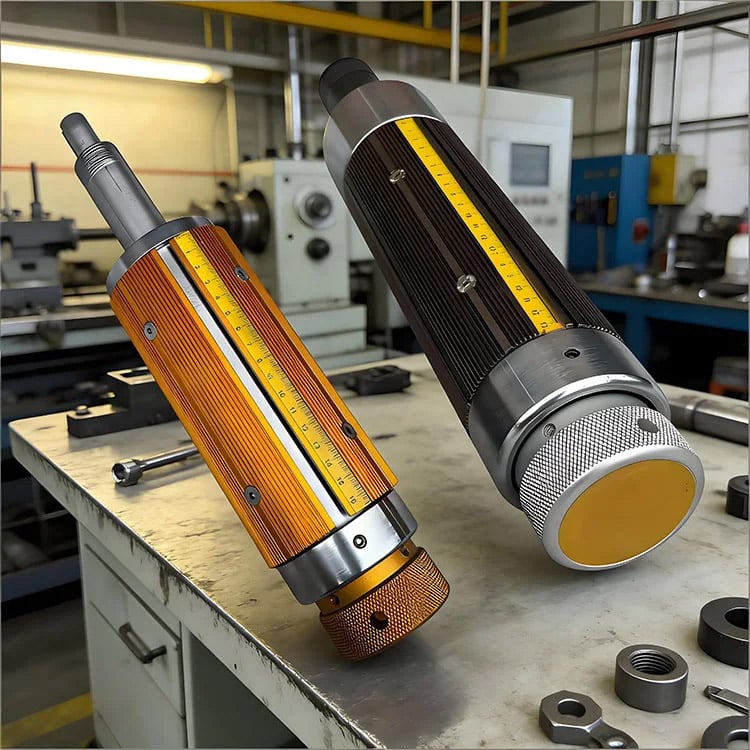
magnetic clutch compressor
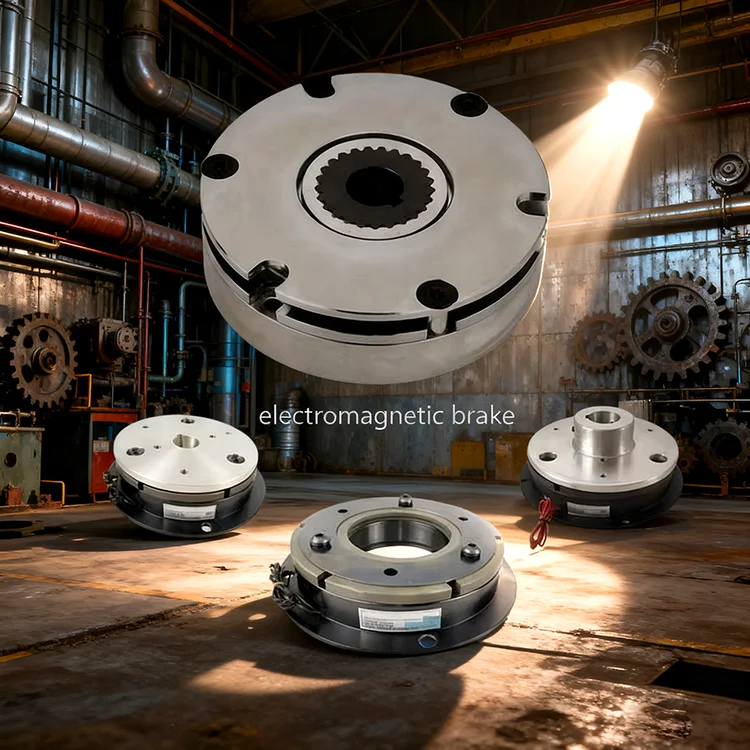
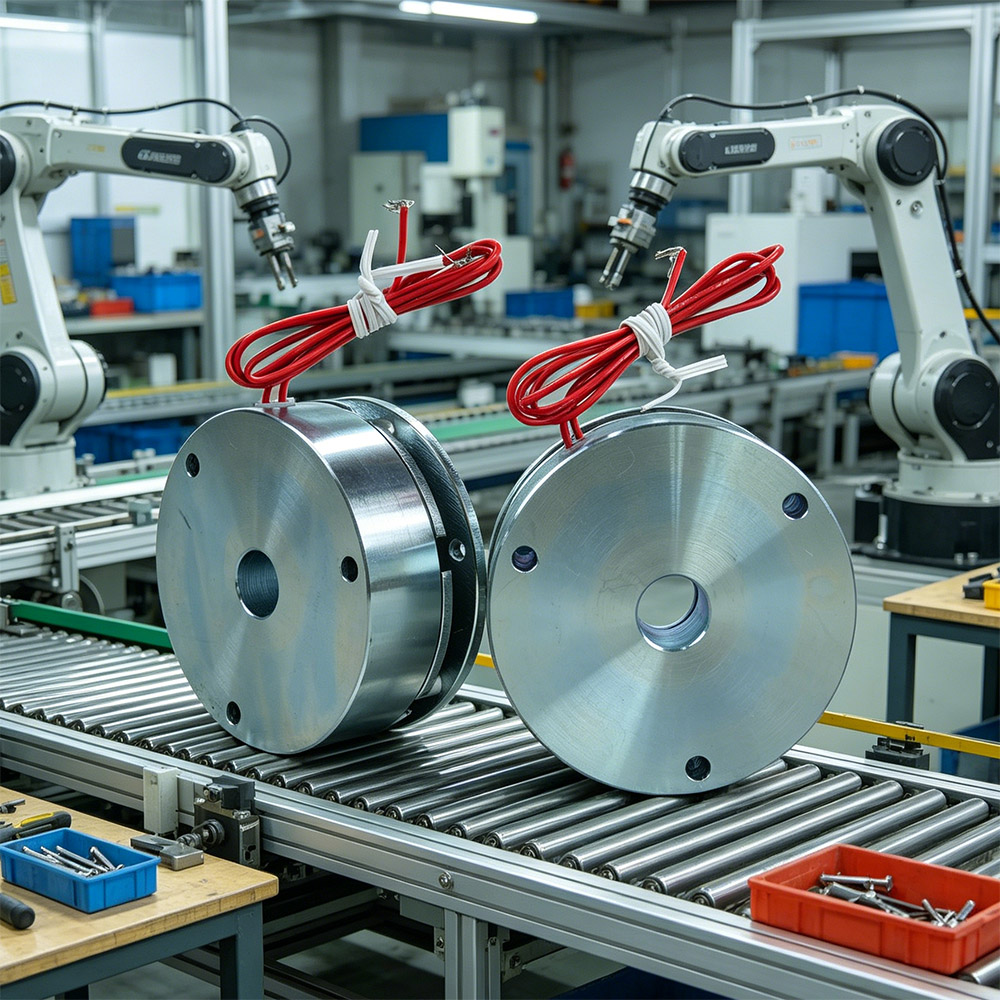
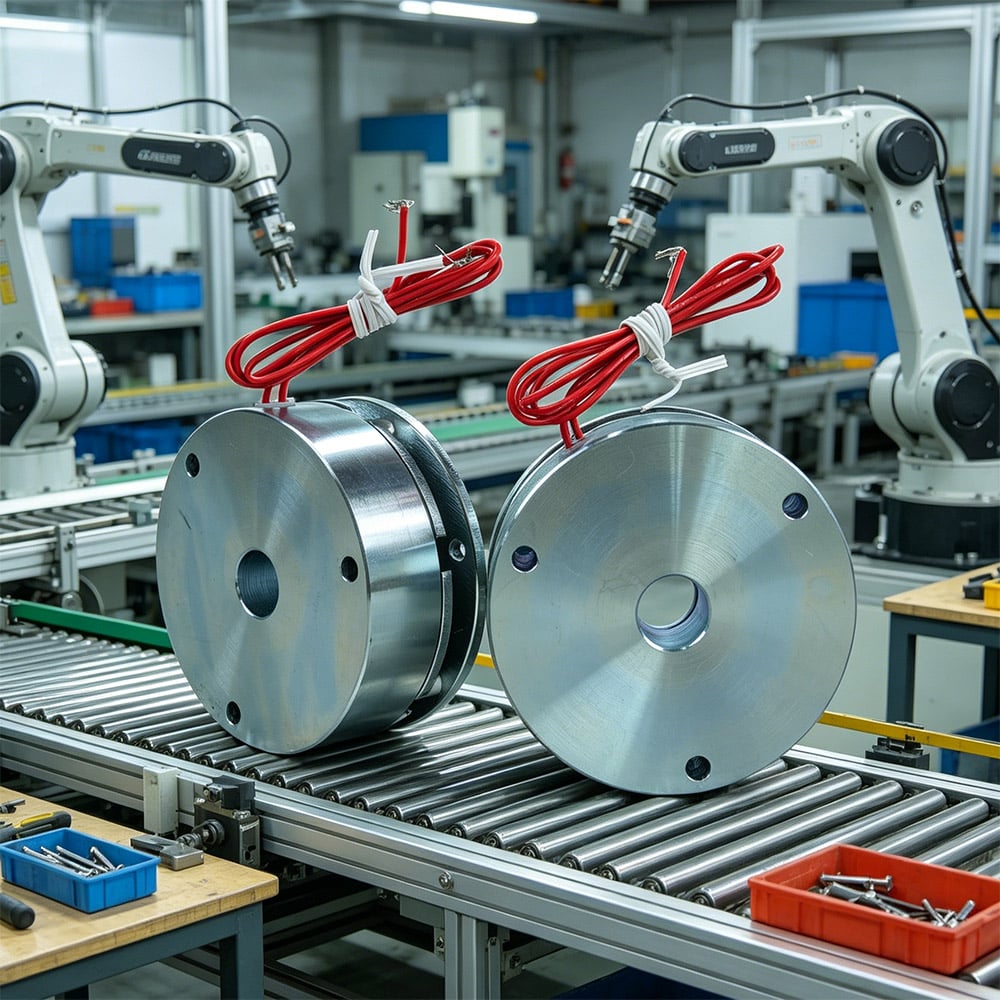
The magnetic clutch compressor represents a sophisticated cooling solution that has become essential in modern automotive air conditioning systems and various industrial applications. This innovative device operates by using an electromagnetic clutch mechanism to engage and disengage the compressor from the engine's power source, providing precise control over the cooling cycle. The magnetic clutch compressor functions as the heart of any air conditioning system, compressing refrigerant gas and circulating it throughout the cooling circuit to achieve desired temperature levels. When the air conditioning system requires cooling, an electrical current activates the electromagnetic coil within the clutch assembly, creating a magnetic field that pulls the clutch plate toward the pulley. This engagement connects the compressor shaft to the engine's rotating power, allowing the compressor to operate. When cooling is no longer needed, the electrical current stops, the magnetic field dissipates, and a spring mechanism disengages the clutch, allowing the pulley to spin freely without driving the compressor. This on-demand operation distinguishes the magnetic clutch compressor from continuously running alternatives. The technological features of this system include precision-engineered bearings that ensure smooth operation, durable electromagnetic coils designed for thousands of engagement cycles, and heat-resistant materials that withstand extreme operating temperatures. The compressor housing typically contains multiple pistons or scrolls that compress the refrigerant efficiently. Applications for the magnetic clutch compressor span across passenger vehicles, commercial trucks, buses, agricultural equipment, construction machinery, and specialized industrial cooling systems. The versatility of this technology makes it suitable for environments ranging from desert heat to arctic cold. Modern magnetic clutch compressor designs incorporate advanced metallurgy and electronic controls that enhance reliability and performance while reducing maintenance requirements and extending service life significantly.

 EN
EN