miniature magnetic clutch
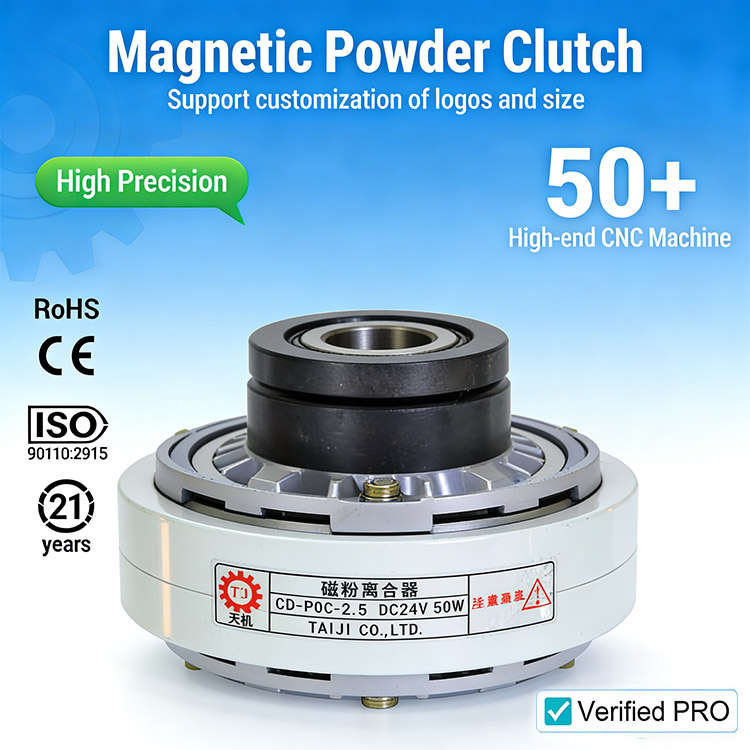
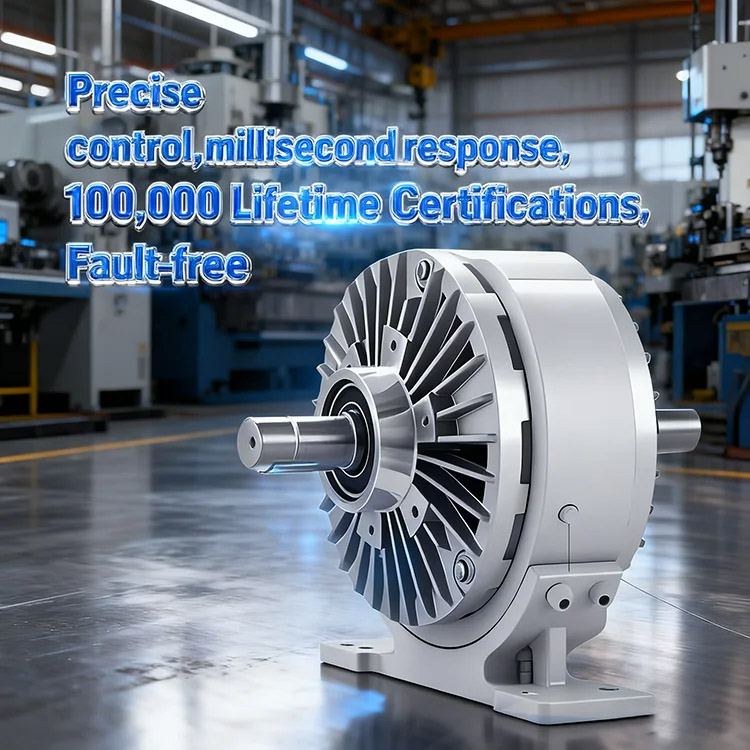
A miniature magnetic clutch represents an innovative electromagnetic device designed to transmit torque between rotating shafts through magnetic force rather than mechanical friction. This compact component operates on the principle of electromagnetic induction, where an electrical current energizes a coil to create a magnetic field that engages the clutch mechanism. The miniature magnetic clutch serves as a critical interface between power sources and driven equipment, enabling precise control over motion transfer in space-constrained applications. Its main functions include seamless engagement and disengagement of rotating components, torque limitation to protect downstream machinery, and smooth power transmission without physical contact between input and output elements. The technological features of a miniature magnetic clutch encompass rapid response times, typically measured in milliseconds, allowing for quick activation and deactivation cycles essential in automated systems. These devices incorporate high-grade permanent magnets or electromagnets that generate sufficient holding force despite their reduced dimensions. Advanced designs feature optimized thermal management systems to dissipate heat generated during operation, ensuring consistent performance under varying load conditions. The construction typically includes precision-machined components such as armature plates, rotor assemblies, and field coils, all manufactured to tight tolerances for reliable operation. Applications for the miniature magnetic clutch span numerous industries, including robotics where precise motion control is paramount, medical equipment requiring sterile and quiet operation, printing machinery demanding accurate registration, packaging systems needing synchronized movements, textile equipment, precision instrumentation, automated assembly lines, and aerospace applications where weight reduction is critical. In automation systems, the miniature magnetic clutch enables programmable control of mechanical processes, facilitating complex manufacturing sequences. The device proves particularly valuable in scenarios requiring frequent start-stop cycles, overload protection, or remote actuation capabilities, making it an indispensable component in modern mechanical and electromechanical systems where space efficiency and performance reliability cannot be compromised.

 EN
EN