disc brake parking brake
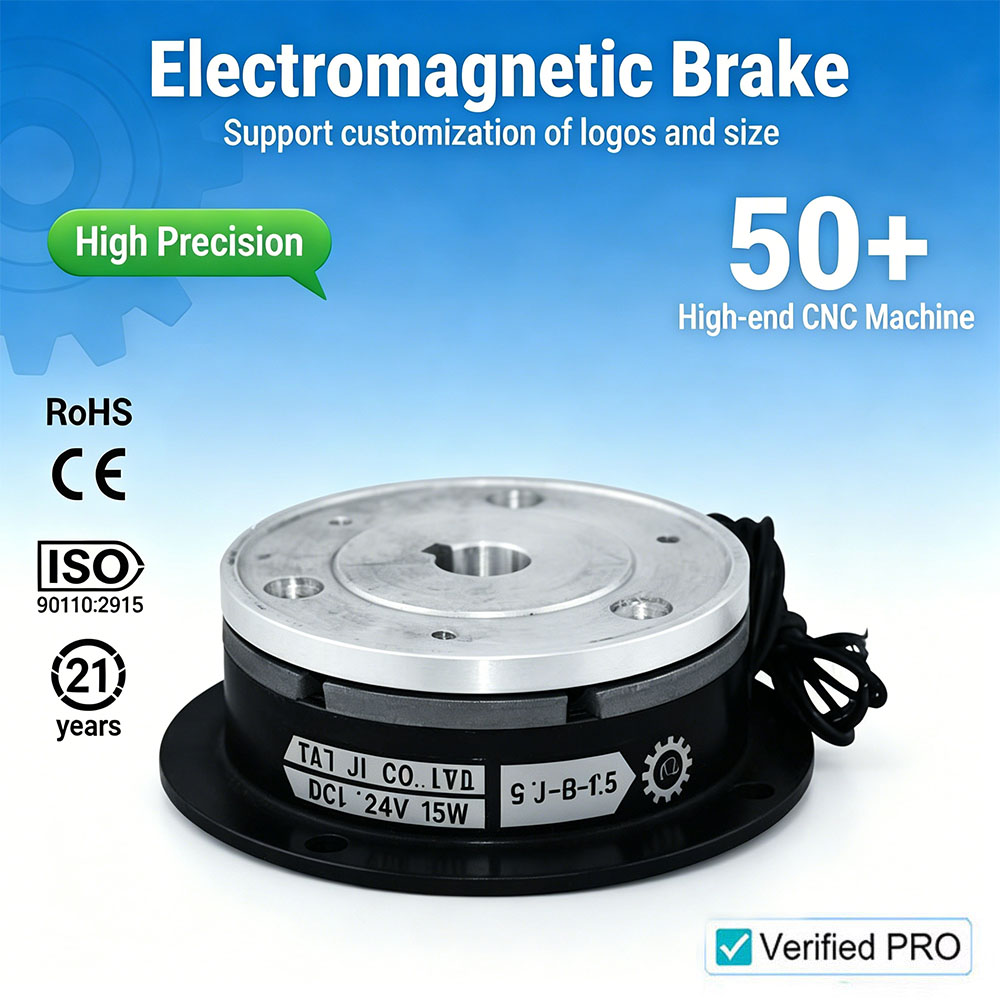
The disc brake parking brake represents a significant advancement in automotive braking technology, combining the reliable stopping power of disc brakes with the secure holding capabilities of a parking brake system. This integrated braking solution has become increasingly popular in modern vehicles due to its superior performance characteristics and efficient design. The disc brake parking brake system operates by applying clamping force to the brake disc through specialized caliper mechanisms, ensuring that vehicles remain stationary when parked on various inclines and surfaces. Unlike traditional drum-based parking brakes, this system utilizes the same disc brake components used during regular driving, which contributes to improved consistency and reduced maintenance requirements. The main functions of a disc brake parking brake include securing vehicles in stationary positions, preventing rollback on slopes, and providing emergency stopping capability when needed. Technological features of this braking system encompass electronic actuation mechanisms, automatic engagement options, and intelligent integration with vehicle stability control systems. Many contemporary disc brake parking brake systems incorporate electronic parking brake technology, which allows drivers to activate the parking function with a simple button press rather than pulling a manual lever. This electronic integration enables additional safety features such as automatic hold functions, hill start assist, and dynamic brake release during acceleration. The application scope of disc brake parking brake systems extends across passenger vehicles, commercial trucks, SUVs, and high-performance sports cars. Automotive manufacturers have widely adopted this technology because it offers space-saving benefits in vehicle cabin design, eliminates cable-stretching issues common in conventional systems, and provides more precise control over braking force application. The disc brake parking brake has proven particularly valuable in vehicles with automatic transmissions, where the parking brake serves as an essential secondary holding mechanism that complements the transmission park position.

 EN
EN