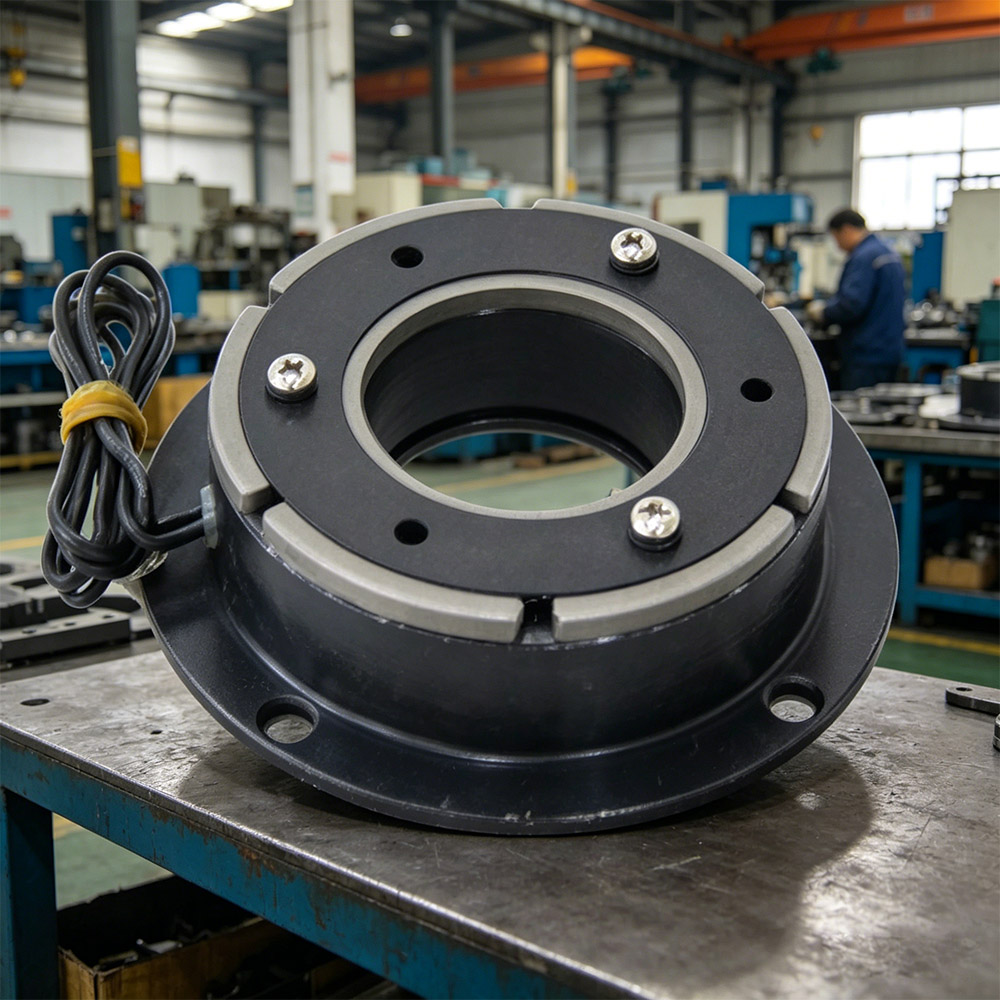
sistema ng elektromagnetikong pagsasara
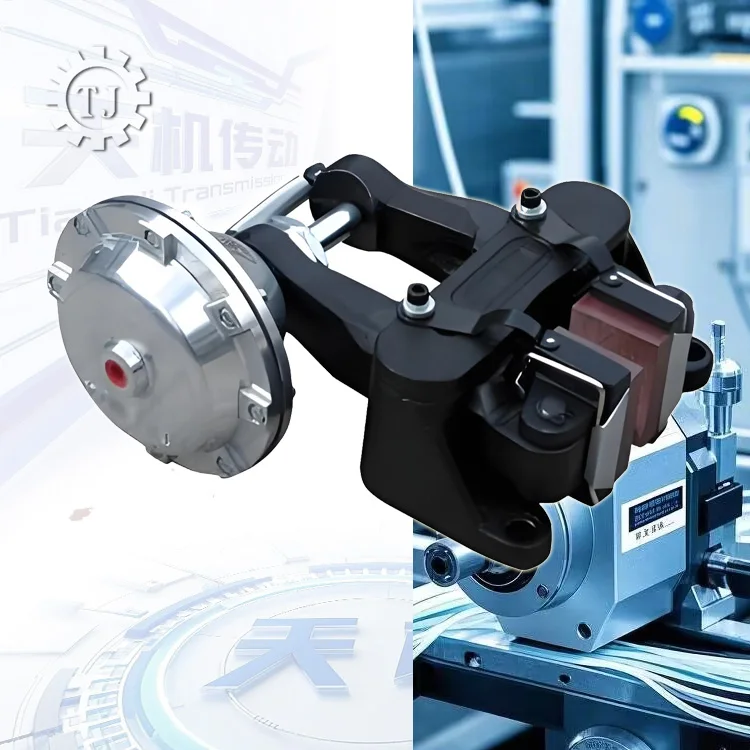
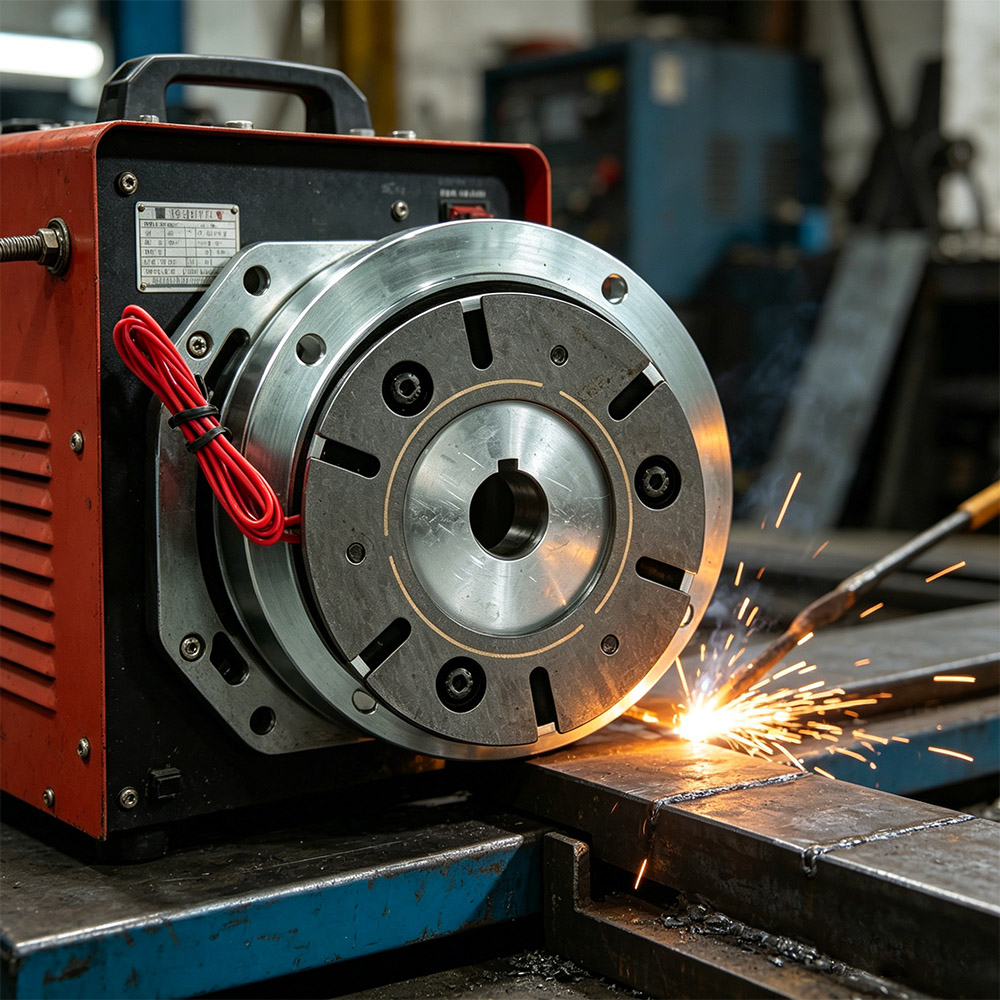
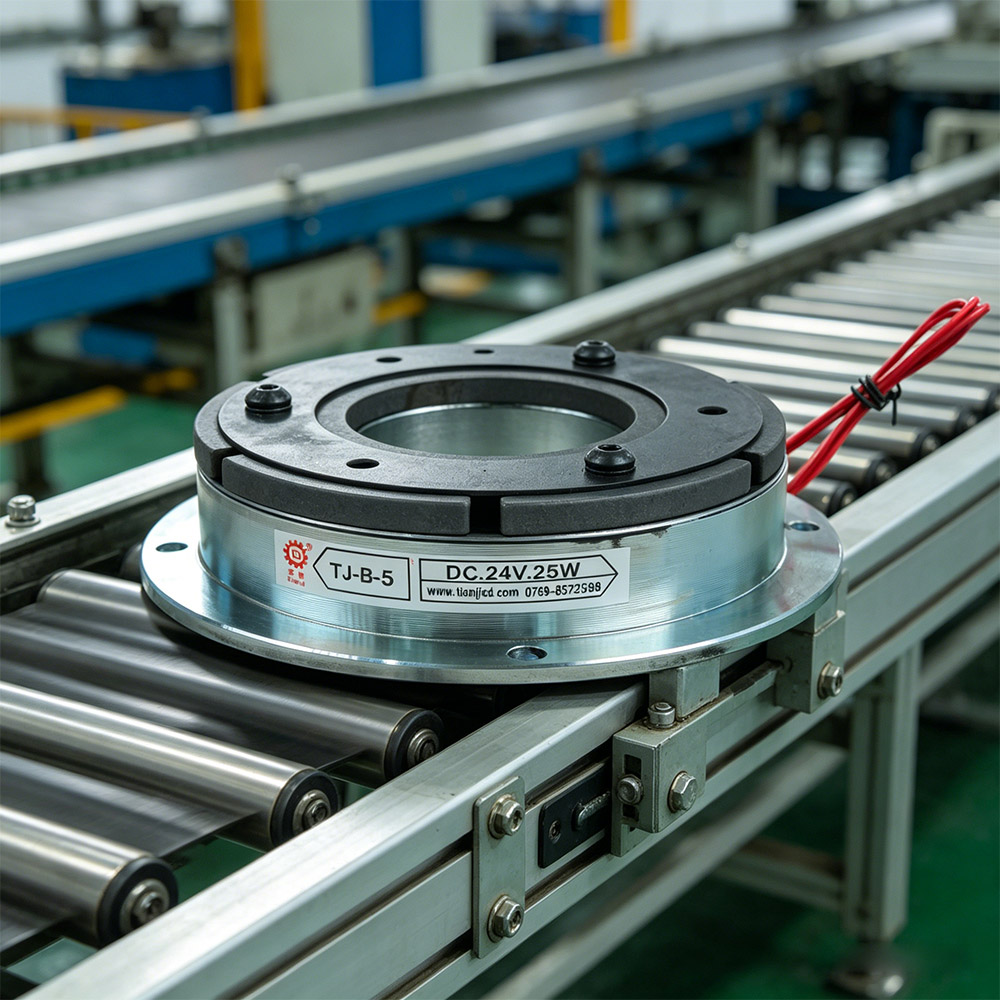
Ang sistemang pambabagal na elektromagnetiko ay kumakatawan sa isang makabagong unlad sa teknolohiyang pangkaligtasan ng sasakyan na gumagamit ng puwersang elektromagnetiko upang pabagal o itigil ang mga gumagalaw na sasakyan at makina. Ang inobatibong solusyon sa pambabagal na ito ay gumagana batay sa prinsipyo ng induksiyong elektromagnetiko, kung saan ang kasalukuyang elektriko ay nagpapagawa ng mga magnetic field na lumilikha ng resistensya laban sa mga umiikot na bahagi. Hindi tulad ng tradisyonal na mga mekanismong pambabagal na nakabase sa friction, ang sistemang pambabagal na elektromagnetiko ay nagbabago ng kinetic energy sa electrical energy, na maaaring dissipated bilang init o i-store para sa susunod na paggamit. Ang mga pangunahing tungkulin ng teknolohiyang ito ay ang pagbibigay ng maaasahang puwersa sa pambabagal, ang pagbawas ng wear sa mga mekanikal na bahagi, at ang pag-aalok ng mga regenerative capability sa ilang aplikasyon. Ang mga katangiang teknolohikal nito ay kinabibilangan ng pagbuo ng eddy current, kontrol sa magnetic flux, at mga electronic management system na nagreregula ng puwersa ng pambabagal batay sa bilis at kondisyon ng karga. Ang mga modernong sistemang pambabagal na elektromagnetiko ay seamless na nakaiintegrate sa mga vehicle control unit, na nagpapahintulot ng eksaktong modulation ng intensity ng pambabagal at sumusuporta sa mga advanced driver assistance feature. Ang mga aplikasyon nito ay sakop ang maraming industriya, kabilang ang railway transportation kung saan ang mga tren ay nakikinabang sa frictionless braking, mga komersyal na sasakyan na nangangailangan ng madalas na pagpapahinto, mga industrial machinery na gumagana sa matitinding kapaligiran, at mga hybrid o electric vehicle na naghahanap ng energy recovery habang nababagal. Ang sistema ay binubuo ng mga electromagnet na nakakabit sa mga stationary component at mga conductive disc o drum na nakakabit sa mga rotating assembly. Kapag dumadaloy ang elektrikal na kasalukuyan sa loob ng mga electromagnet, lumilikha sila ng malalakas na magnetic field na nag-iinduce ng eddy currents sa mga umiikot na conductor, na nagbubuo ng mga magkasalungat na magnetic force na tumututol sa galaw. Ang contactless na operasyon na ito ay nagtatanggal ng pisikal na wear sa pagitan ng mga surface ng pambabagal, na nagpapahaba ng mga interval ng serbisyo at binabawasan ang mga gastos sa pagpapanatili. Ang sistemang pambabagal na elektromagnetiko ay nagbibigay din ng pare-parehong performance sa iba’t ibang kondisyon ng kapaligiran, na panatag na epektibo sa mga sitwasyon na may kahalumigmigan, alikabok, o ekstremong temperatura—kung saan ang konbensyonal na mga pambabagal ay maaaring mawalan ng kahusayan o mas mabilis na mapinsala.

 EN
EN