Superior Performance Across All Operating Conditions
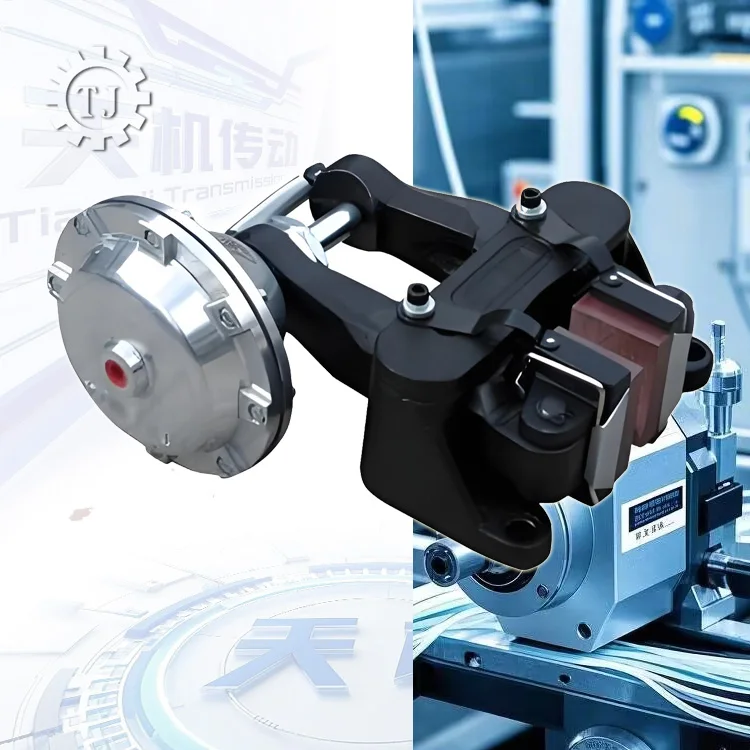
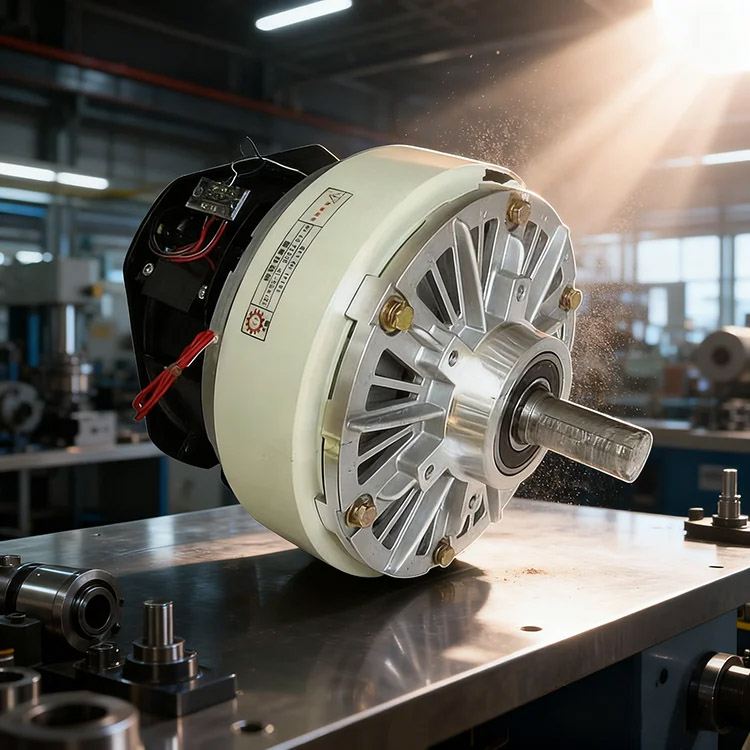
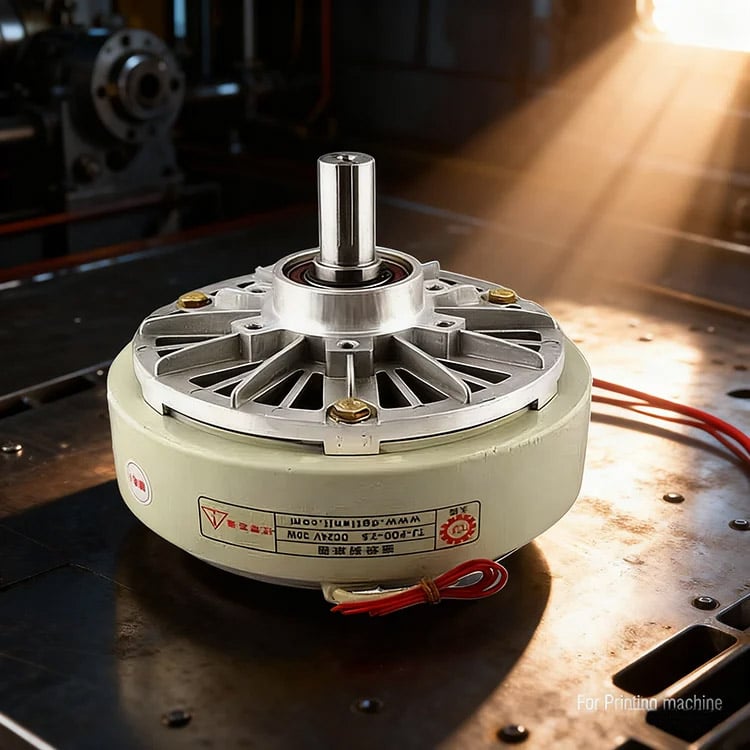
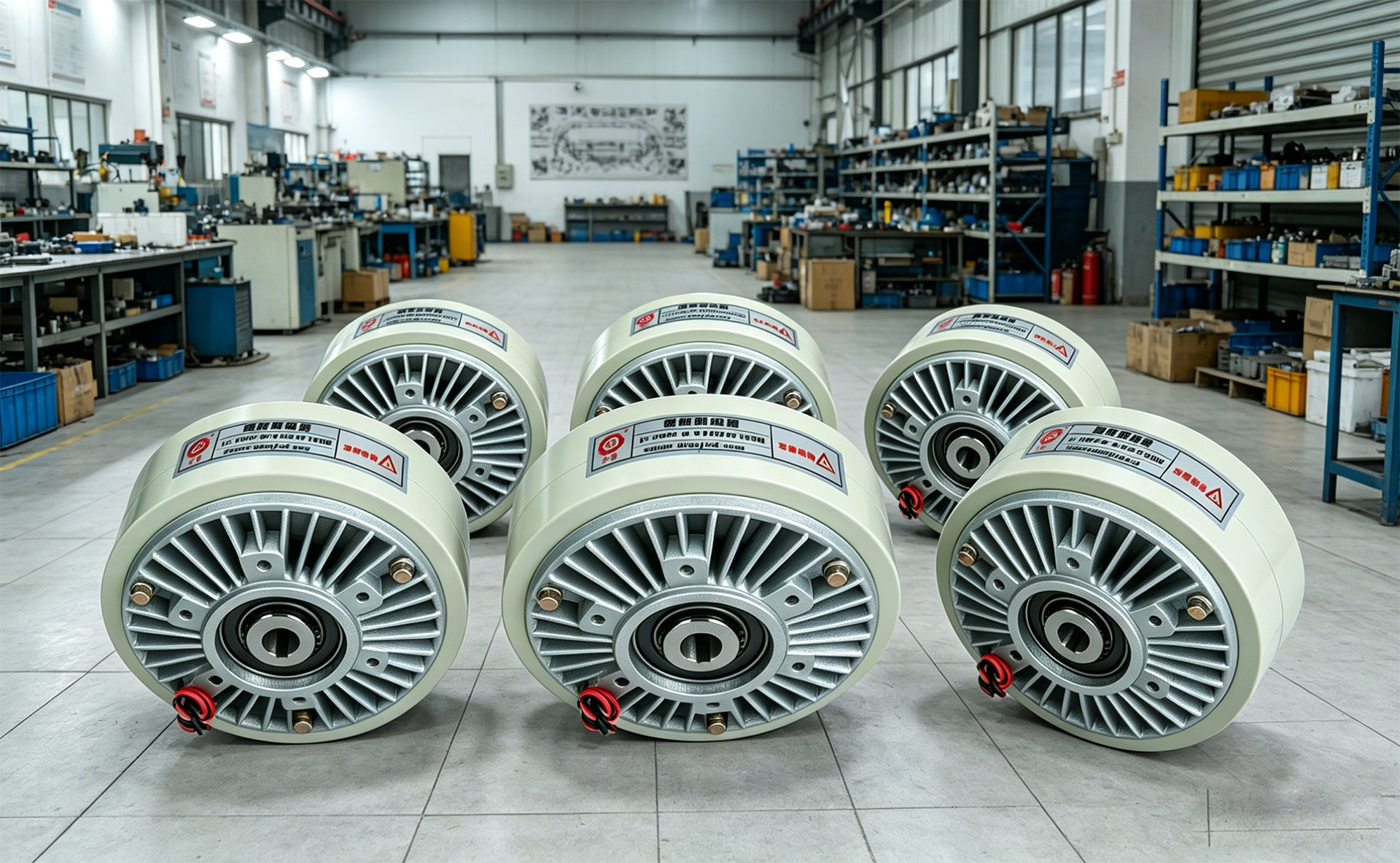
Environmental versatility represents a critical strength of the magnetic brake system that distinguishes it from traditional braking technologies. Conventional friction brakes suffer significant performance variations depending on operating conditions, creating inconsistency and potential safety concerns. When friction brakes get wet, their stopping power diminishes dramatically, sometimes dangerously. High temperatures from extended use cause brake fade, reducing effectiveness precisely when braking demand is highest. Dust, dirt, and contaminants can infiltrate mechanical brake assemblies, accelerating wear and compromising performance. The magnetic brake system transcends these limitations through its fundamental operating principle. Since electromagnetic forces generate the braking action without relying on friction coefficients between surfaces, water presence has no adverse effect on performance. Rain, humidity, or wet conditions that would compromise friction brakes leave magnetic brake systems completely unaffected. This weather independence ensures consistent, reliable operation regardless of climate or environmental exposure. Temperature stability further enhances the magnetic brake system's superiority in demanding applications. Friction brakes generate substantial heat during operation, which can lead to brake fade, warping of components, and accelerated wear. The magnetic brake system manages thermal loads more effectively, maintaining steady performance even during prolonged or repeated braking cycles. Some advanced designs actually improve efficiency at higher temperatures due to enhanced electromagnetic properties. For equipment operating in temperature extremes, whether scorching industrial environments or freezing outdoor conditions, magnetic brake systems deliver unwavering reliability. Contamination resistance provides another practical advantage for real-world applications. Manufacturing facilities, construction sites, and outdoor installations expose equipment to dust, debris, and various particulates. These contaminants infiltrate friction brake assemblies, creating abrasive conditions that accelerate wear and degrade performance. The sealed nature of magnetic brake systems prevents environmental intrusion, maintaining optimal operation in the dirtiest conditions. This contamination immunity proves particularly valuable in food processing, pharmaceutical manufacturing, and cleanroom environments where friction brake dust would create unacceptable contamination. The predictable, consistent performance of magnetic brake systems across all conditions simplifies system design, eliminates the need for environmental compensation mechanisms, and provides users with confidence that their equipment will perform reliably regardless of circumstances.

 EN
EN