Magnetic Brake System: Advanced Contactless Braking Technology for Industrial and Commercial Applications

All Categories

magnetic brake system

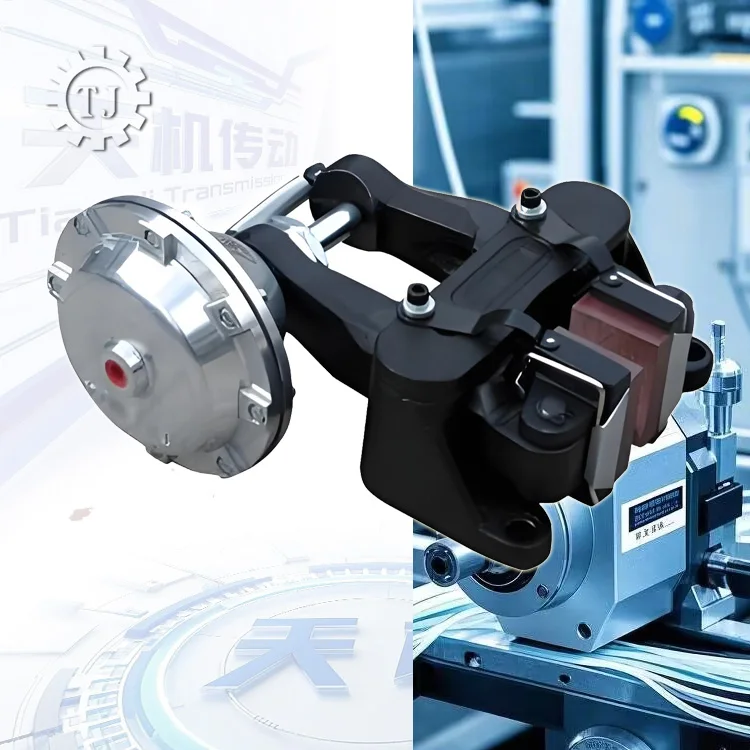
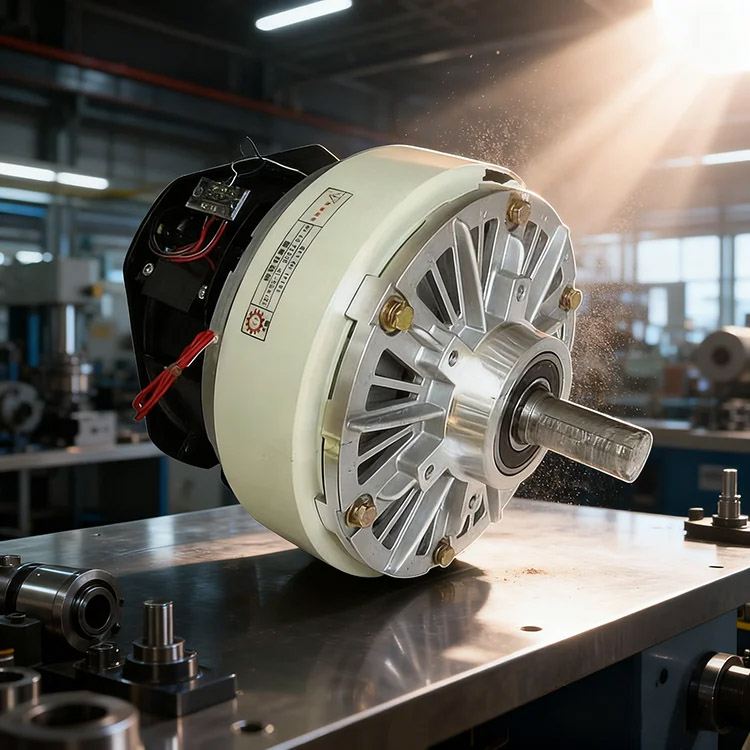
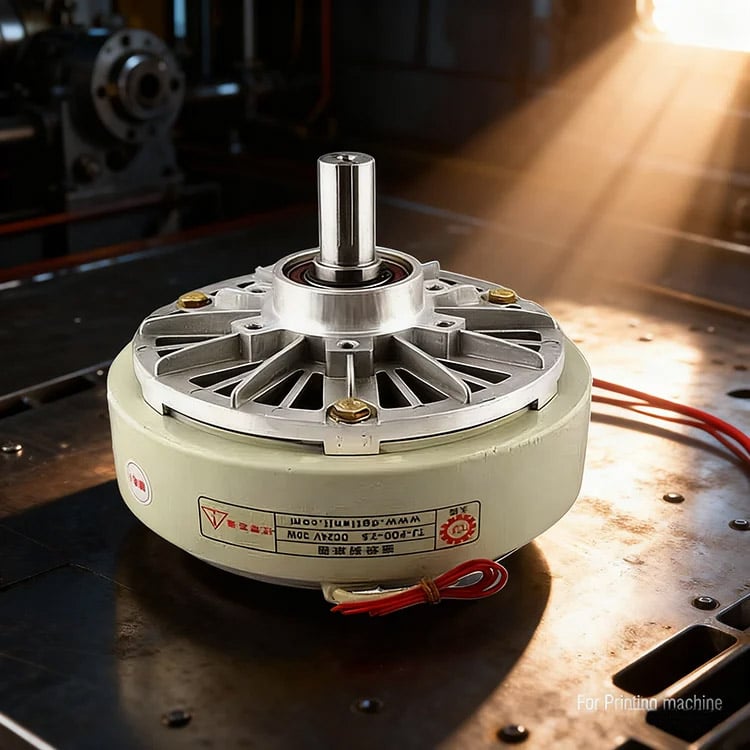
The magnetic brake system represents a revolutionary advancement in braking technology that uses electromagnetic force to slow down or stop moving components without physical contact. This sophisticated braking solution operates on the principle of electromagnetic induction, where magnets create resistance against rotating metal parts, generating controlled deceleration. Unlike traditional friction-based brakes, the magnetic brake system eliminates the need for physical contact between components, resulting in minimal wear and exceptional longevity. The main functions of this technology include precise speed control, emergency stopping capabilities, and consistent performance across various operating conditions. The magnetic brake system excels in applications requiring smooth, controlled deceleration without the jerky movements associated with conventional brakes. Its technological features encompass adjustable braking force, rapid response times, and the ability to operate effectively in harsh environments including extreme temperatures, dusty conditions, and wet surroundings. The system typically consists of permanent magnets or electromagnets positioned near a conductive rotor or rail, creating eddy currents that oppose motion. This non-contact operation means virtually zero maintenance requirements compared to traditional alternatives. Applications for the magnetic brake system span numerous industries, from fitness equipment like exercise bikes and rowing machines to industrial machinery, amusement park rides, elevators, and railway systems. In manufacturing facilities, these systems control conveyor speeds and provide emergency stops for heavy equipment. The entertainment industry relies on magnetic brake systems for safe deceleration of roller coasters and other high-speed attractions. Transportation sectors implement this technology in trains and trams for smooth, reliable braking. Medical equipment manufacturers integrate magnetic brake systems into diagnostic machines and patient handling equipment where quiet, smooth operation is essential. The versatility and reliability of the magnetic brake system make it an increasingly popular choice across diverse sectors seeking superior performance and reduced operational costs.

New Product Releases

Choosing a magnetic brake system delivers numerous practical benefits that directly impact your bottom line and operational efficiency. First and foremost, the absence of physical contact between braking components means you will experience dramatically reduced maintenance costs. Traditional brakes require regular replacement of pads, shoes, or bands that wear down through friction, but magnetic brake systems maintain their effectiveness for years without component replacement. This translates to less downtime for maintenance and lower long-term operating expenses. The silent operation of magnetic brake systems creates a more pleasant environment for workers and end-users alike. Without the squealing, grinding, or other noises associated with friction brakes, your facility remains quieter and more professional. This becomes particularly valuable in settings like gyms, hospitals, or office buildings where noise pollution affects user experience. The consistent performance of magnetic brake systems across varying conditions ensures reliable operation regardless of temperature fluctuations, humidity levels, or environmental contaminants. You will not experience the performance degradation that occurs with traditional brakes when they get wet or overheat during extended use. The smooth, progressive braking action provides superior control and comfort. Users appreciate the seamless deceleration without the sudden jolts or vibrations that characterize mechanical brakes, enhancing safety and user satisfaction. Energy efficiency represents another significant advantage, as magnetic brake systems can be designed to recover energy during braking, converting kinetic energy into electrical power that feeds back into your system. This regenerative capability reduces overall energy consumption and operating costs. The compact design of many magnetic brake systems allows for easier integration into space-constrained applications, giving engineers greater flexibility in product design. Installation proves simpler than complex mechanical brake assemblies, reducing initial setup time and costs. The longevity of magnetic brake systems means fewer replacement cycles over the equipment lifetime, minimizing waste and supporting sustainability goals. Environmental friendliness extends beyond durability, as these systems produce no brake dust or particulate matter that contaminates surroundings or requires cleanup. For businesses seeking reliable, cost-effective braking solutions, magnetic brake systems deliver proven performance that pays dividends through reduced maintenance, improved user experience, and lower total cost of ownership over the equipment lifespan.

Practical Tips

Transmission Pain Points in Printing/Textile/Chemical Machinery: How Electromagnetic Clutches Improve Equipment Stability?

08

Dec

Transmission Pain Points in Printing/Textile/Chemical Machinery: How Electromagnetic Clutches Improve Equipment Stability?

Struggling with transmission instability in printing, textile, or chemical machinery? TJ-A electromagnetic clutches eliminate slip, boost throughput 15–20%, and ensure asbestos-free safety. Discover how top global manufacturers achieve 99.8% reliability—request a spec sheet today.
View More
High-Quality Web Guide Control Systems From a Leading Domestic Manufacturer With 20 Years of Expertise

08

Dec

High-Quality Web Guide Control Systems From a Leading Domestic Manufacturer With 20 Years of Expertise

Discover high-precision web guide control systems from a trusted domestic manufacturer with 20 years of R&D expertise. Reduce waste, boost efficiency, and ensure reliability. Request a quote today.
View More
The Pain of Non-Standard Transmission in Special Working Conditions

09

Apr

The Pain of Non-Standard Transmission in Special Working Conditions

Struggling with standard transmission failures in extreme temps, dust, or tight spaces? TianJi’s 20-year R&D delivers reliable custom clutches & brakes—engineered for your exact specs. Get a free technical consultation today.
View More

Get Your Custom Quote

Tell us your requirements and get a tailored solution for your project.
Name
Mobile
Email
Please include
Message
0/1000

magnetic brake system

Zero-Contact Technology Eliminates Wear and Maintenance

Zero-Contact Technology Eliminates Wear and Maintenance

The fundamental advantage that sets the magnetic brake system apart from conventional alternatives lies in its revolutionary zero-contact design philosophy. Traditional braking mechanisms rely on physical friction between moving components, such as brake pads pressing against rotors or shoes engaging drums. This physical contact inevitably produces wear, requiring periodic replacement of consumable components and regular maintenance interventions. The magnetic brake system eliminates this entire category of problems through its contactless operation principle. By generating electromagnetic fields that interact with conductive materials, the system creates braking force without any components touching each other. This means the brake elements never wear down, never require adjustment, and never need replacement due to friction-related degradation. The practical implications for equipment owners are profound and immediately apparent in operational budgets. Maintenance schedules become dramatically simplified, with routine brake inspections and component replacements eliminated from the calendar. Labor costs associated with brake servicing disappear, freeing technicians to focus on other priorities. Parts inventory requirements shrink as brake pads, shoes, and related consumables no longer need stocking. The reduction in maintenance interventions also means less equipment downtime, translating to higher productivity and availability. For operations running multiple shifts or continuous processes, this enhanced uptime delivers measurable financial returns. The magnetic brake system maintains consistent performance characteristics throughout its service life, without the gradual degradation typical of friction brakes as components wear. Users experience the same smooth, reliable braking on day one thousand as they did on day one. This consistency proves especially valuable in precision applications where repeatable performance is essential. The elimination of wear also means no degradation in safety margins over time, providing peace of mind for operators and maintenance managers. Environmental benefits accompany the maintenance reduction, as fewer replacement parts mean less manufacturing impact, reduced shipping requirements, and minimal waste generation. Companies pursuing sustainability objectives find the magnetic brake system aligns perfectly with their environmental goals while simultaneously delivering economic advantages.
Superior Performance Across All Operating Conditions

Superior Performance Across All Operating Conditions

Environmental versatility represents a critical strength of the magnetic brake system that distinguishes it from traditional braking technologies. Conventional friction brakes suffer significant performance variations depending on operating conditions, creating inconsistency and potential safety concerns. When friction brakes get wet, their stopping power diminishes dramatically, sometimes dangerously. High temperatures from extended use cause brake fade, reducing effectiveness precisely when braking demand is highest. Dust, dirt, and contaminants can infiltrate mechanical brake assemblies, accelerating wear and compromising performance. The magnetic brake system transcends these limitations through its fundamental operating principle. Since electromagnetic forces generate the braking action without relying on friction coefficients between surfaces, water presence has no adverse effect on performance. Rain, humidity, or wet conditions that would compromise friction brakes leave magnetic brake systems completely unaffected. This weather independence ensures consistent, reliable operation regardless of climate or environmental exposure. Temperature stability further enhances the magnetic brake system's superiority in demanding applications. Friction brakes generate substantial heat during operation, which can lead to brake fade, warping of components, and accelerated wear. The magnetic brake system manages thermal loads more effectively, maintaining steady performance even during prolonged or repeated braking cycles. Some advanced designs actually improve efficiency at higher temperatures due to enhanced electromagnetic properties. For equipment operating in temperature extremes, whether scorching industrial environments or freezing outdoor conditions, magnetic brake systems deliver unwavering reliability. Contamination resistance provides another practical advantage for real-world applications. Manufacturing facilities, construction sites, and outdoor installations expose equipment to dust, debris, and various particulates. These contaminants infiltrate friction brake assemblies, creating abrasive conditions that accelerate wear and degrade performance. The sealed nature of magnetic brake systems prevents environmental intrusion, maintaining optimal operation in the dirtiest conditions. This contamination immunity proves particularly valuable in food processing, pharmaceutical manufacturing, and cleanroom environments where friction brake dust would create unacceptable contamination. The predictable, consistent performance of magnetic brake systems across all conditions simplifies system design, eliminates the need for environmental compensation mechanisms, and provides users with confidence that their equipment will perform reliably regardless of circumstances.
Precision Control and Enhanced User Experience

Precision Control and Enhanced User Experience

The magnetic brake system delivers an exceptional level of control precision that elevates user experience and expands application possibilities. Traditional mechanical brakes operate in a relatively binary fashion, either engaged or disengaged, with limited modulation capability. Even sophisticated friction brake systems struggle to provide truly smooth, progressive braking action, often producing jerky deceleration or grabbing sensations that compromise control and comfort. The magnetic brake system transforms this aspect of equipment operation through its inherently adjustable and infinitely variable braking characteristics. By modulating the electromagnetic field strength, operators or control systems can dial in precisely the desired braking force, from gentle deceleration to rapid emergency stops. This granular control enables smooth speed adjustments that feel natural and responsive to users. In fitness equipment applications, exercisers appreciate the fluid resistance changes that magnetic brake systems provide, allowing seamless transitions between intensity levels without jarring interruptions to their workout rhythm. The smooth operation contributes to a premium user experience that distinguishes high-quality equipment from basic alternatives. In industrial applications, the precision control of magnetic brake systems enables sophisticated automation and process optimization. Manufacturing equipment can implement complex speed profiles with exact deceleration rates, improving product quality and process consistency. Conveyor systems benefit from gentle stops that prevent product damage and reduce stress on mechanical components throughout the system. The rapid response time of magnetic brake systems further enhances control capabilities, with electromagnetic fields activating in milliseconds compared to the mechanical lag inherent in friction brake engagement. This instantaneous response enables emergency stop functions that activate faster than human reaction times, enhancing safety in hazardous environments. The progressive nature of magnetic braking also reduces mechanical stress on equipment structures and foundations. Sudden stops from friction brakes transmit shock loads through machinery, accelerating wear on bearings, couplings, and support structures. The smooth deceleration profile of magnetic brake systems minimizes these dynamic loads, extending the service life of the entire equipment assembly. Noise reduction represents another user experience advantage, with silent operation creating pleasant environments in gyms, offices, hospitals, and residential settings. The absence of squealing, grinding, or other brake noises contributes to professional atmospheres and improved user satisfaction across all application categories.
email goToTop