Electric Magnetic Brake Solutions - High-Performance Electromagnetic Braking Systems

All Categories

electric magnetic brake

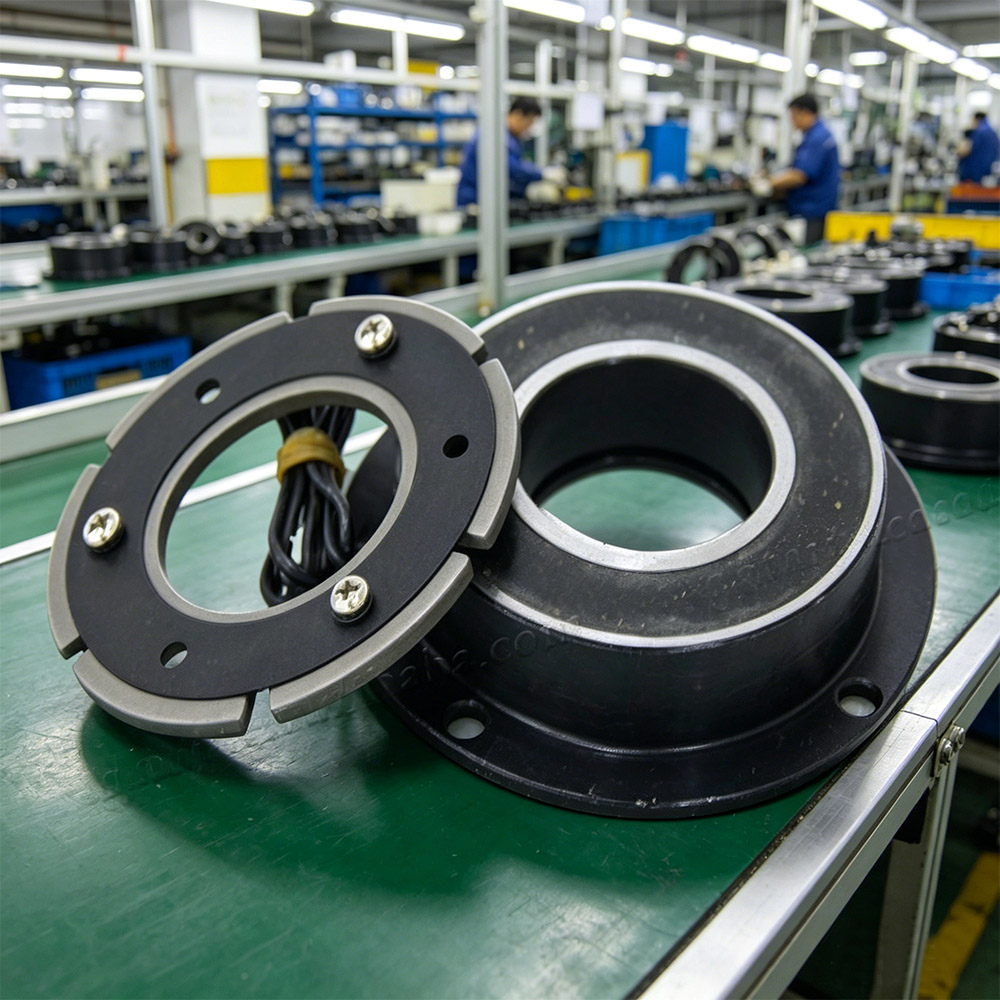
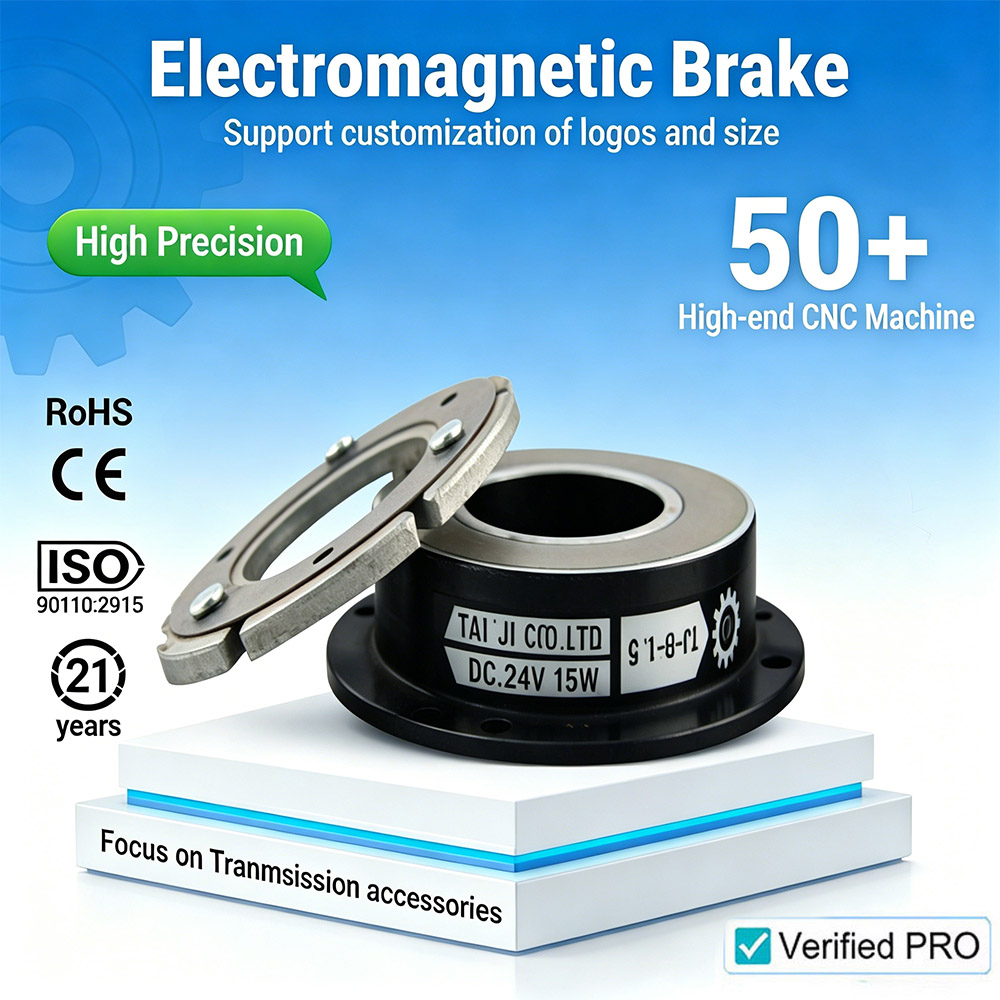
An electric magnetic brake represents a sophisticated braking solution that harnesses electromagnetic force to control and stop mechanical motion with exceptional precision and reliability. This advanced braking system operates on the fundamental principle of electromagnetism, where electrical energy is converted into magnetic force to create controlled resistance against rotating components. The electric magnetic brake has become an indispensable component in modern industrial machinery, automation systems, and various transportation applications. The primary function of this braking technology involves generating a magnetic field when electric current flows through the brake coil, creating immediate clamping force against the brake disc or drum. This instantaneous response capability makes it superior to traditional mechanical braking methods. The technological features of electric magnetic brakes include rapid engagement and disengagement times, typically measured in milliseconds, ensuring precise control over starting and stopping operations. These brakes incorporate specialized friction materials designed to withstand high temperatures and repeated cycles without significant degradation. The electromagnetic coil assembly is engineered for optimal magnetic flux distribution, maximizing braking torque while minimizing energy consumption. Modern electric magnetic brake designs often integrate advanced cooling mechanisms to dissipate heat effectively during continuous operation. Applications span across diverse industries including manufacturing assembly lines, packaging machinery, printing presses, conveyor systems, robotics, material handling equipment, and elevator installations. In renewable energy sectors, these brakes secure wind turbine operations during maintenance or emergency situations. The electric magnetic brake technology proves particularly valuable in applications requiring frequent start-stop cycles, precise positioning, or immediate emergency stopping capabilities. Their compact design allows integration into space-constrained environments while maintaining robust performance characteristics. The electric magnetic brake system can be customized with various voltage specifications, torque ratings, and mounting configurations to meet specific operational requirements across different industrial sectors.

Popular Products

The electric magnetic brake delivers numerous practical benefits that directly impact operational efficiency and cost management for businesses across various sectors. One significant advantage is the instantaneous response time this braking system provides. Unlike hydraulic or pneumatic alternatives that require pressure buildup, the electric magnetic brake activates within milliseconds of receiving the electrical signal, enabling immediate stopping action that enhances workplace safety and prevents product damage during production processes. This quick response capability translates directly into reduced material waste and improved product quality in high-speed manufacturing environments. The maintenance requirements for this braking technology are substantially lower compared to conventional friction-based systems. The electric magnetic brake operates with minimal moving parts, reducing wear and tear that typically necessitates frequent servicing. This characteristic means fewer production interruptions, lower maintenance costs, and extended operational lifespan that can reach years of continuous service without major component replacement. Businesses appreciate the predictable maintenance schedules and reduced downtime associated with these reliable systems. Energy efficiency represents another compelling advantage, as the electric magnetic brake consumes power only during engagement or disengagement cycles. Once activated, the brake maintains holding force without continuous electrical input, resulting in significant energy savings over extended operating periods. This efficiency becomes particularly valuable in facilities running multiple machines simultaneously, where cumulative energy conservation impacts the bottom line. The precise control capabilities enable operators to achieve accurate positioning and smooth deceleration profiles, protecting both machinery and processed materials from shock loads that cause premature equipment failure. Installation simplicity offers practical value, as the electric magnetic brake typically requires only electrical connections without complex hydraulic lines or compressed air systems. This straightforward integration reduces installation time and eliminates additional infrastructure costs associated with supporting systems. The compact footprint allows engineers to incorporate these brakes into existing machinery without extensive modifications, facilitating upgrades to older equipment. Operational consistency across varying environmental conditions provides reliability that businesses depend upon. The electric magnetic brake maintains performance integrity across wide temperature ranges and diverse humidity levels, ensuring predictable stopping power regardless of external factors. This consistency eliminates the performance variations common with temperature-sensitive hydraulic fluids or moisture-affected pneumatic systems. The quiet operation of electric magnetic brakes contributes to improved working environments, reducing noise pollution that affects employee comfort and productivity. The absence of hydraulic fluid eliminates environmental contamination risks and simplifies compliance with workplace safety regulations.

Latest News

Transmission Pain Points in Printing/Textile/Chemical Machinery: How Electromagnetic Clutches Improve Equipment Stability?

08

Dec

Transmission Pain Points in Printing/Textile/Chemical Machinery: How Electromagnetic Clutches Improve Equipment Stability?

Struggling with transmission instability in printing, textile, or chemical machinery? TJ-A electromagnetic clutches eliminate slip, boost throughput 15–20%, and ensure asbestos-free safety. Discover how top global manufacturers achieve 99.8% reliability—request a spec sheet today.
View More
High-Quality Web Guide Control Systems From a Leading Domestic Manufacturer With 20 Years of Expertise

08

Dec

High-Quality Web Guide Control Systems From a Leading Domestic Manufacturer With 20 Years of Expertise

Discover high-precision web guide control systems from a trusted domestic manufacturer with 20 years of R&D expertise. Reduce waste, boost efficiency, and ensure reliability. Request a quote today.
View More
The Pain of Non-Standard Transmission in Special Working Conditions

09

Apr

The Pain of Non-Standard Transmission in Special Working Conditions

Struggling with standard transmission failures in extreme temps, dust, or tight spaces? TianJi’s 20-year R&D delivers reliable custom clutches & brakes—engineered for your exact specs. Get a free technical consultation today.
View More

Get Your Custom Quote

Tell us your requirements and get a tailored solution for your project.
Name
Mobile
Email
Please include
Message
0/1000

electric magnetic brake

Superior Response Speed and Precision Control

Superior Response Speed and Precision Control

The electric magnetic brake distinguishes itself through exceptional response speed that fundamentally transforms operational capabilities in demanding industrial applications. When electrical current energizes the electromagnetic coil, the magnetic field develops almost instantaneously, creating immediate clamping force against the friction surface. This rapid activation occurs within 20 to 50 milliseconds for most industrial models, a timeframe impossible to achieve with traditional mechanical or fluid-powered braking systems. This lightning-fast response enables machinery to execute precise positioning tasks with repeatability measured in fractions of a millimeter, critical for automated assembly operations where component placement accuracy determines product quality. The precision control extends beyond simple stopping functions to include graduated braking force modulation. By varying the electrical current supplied to the electric magnetic brake coil, operators can fine-tune the braking torque to match specific application requirements. This adjustability allows smooth deceleration profiles that protect delicate products from sudden stops while maintaining productivity in high-speed operations. Manufacturing facilities processing fragile materials such as glass, electronics, or pharmaceutical products benefit immensely from this controlled deceleration capability that prevents breakage and reduces waste. The consistent performance characteristics across millions of operating cycles ensure that positioning accuracy remains stable throughout the brake's service life. Unlike friction brakes that experience gradual performance degradation as materials wear, the electric magnetic brake maintains uniform response times and braking force because the electromagnetic principles governing its operation remain constant. This reliability eliminates the need for frequent recalibration procedures that interrupt production schedules. Emergency stopping situations particularly showcase the value of rapid response capabilities. When safety sensors detect hazardous conditions, the electric magnetic brake can halt dangerous machinery movement before injuries occur or equipment damage escalates. This protective function has prevented countless workplace accidents across industries where rotating machinery poses risks to personnel. The precision control also enables sophisticated motion profiles in automated systems, where multiple axes must coordinate movements with exacting timing. Robotic applications rely on the predictable engagement characteristics of electric magnetic brakes to achieve synchronized operations that would be impossible with less responsive braking technologies.
Exceptional Durability and Minimal Maintenance Requirements

Exceptional Durability and Minimal Maintenance Requirements

The electric magnetic brake demonstrates remarkable durability characteristics that deliver substantial long-term value through reduced maintenance demands and extended operational lifespan. The fundamental design eliminates many failure points common in competing braking technologies, resulting in robust performance under challenging industrial conditions. The electromagnetic coil assembly, when properly specified for the application, can endure millions of activation cycles without significant performance degradation. This longevity stems from the absence of mechanical linkages, springs, or complex adjustment mechanisms that typically require periodic servicing in conventional brake systems. The friction materials used in modern electric magnetic brake construction incorporate advanced compounds specifically engineered for extended wear resistance. These materials maintain consistent friction coefficients across wide temperature ranges and throughout their service life, ensuring predictable braking performance that operators can depend upon. The gradual wear that does occur happens at predictable rates, allowing maintenance personnel to schedule replacement during planned downtime rather than responding to unexpected failures that disrupt production. The sealed construction of quality electric magnetic brake units protects internal components from environmental contaminants that accelerate wear in exposed systems. Dust, moisture, and chemical vapors that might infiltrate other brake types cannot penetrate the protective housing, preserving the electromagnetic coil and friction surfaces from corrosive damage. This environmental resilience proves especially valuable in harsh industrial settings such as foundries, chemical processing facilities, or outdoor installations where exposure to elements is unavoidable. The simplified maintenance procedures required for electric magnetic brakes reduce the specialized knowledge necessary for servicing, allowing general maintenance personnel to perform routine inspections without extensive training. Visual inspection of friction material thickness and electrical connection integrity comprises the majority of preventive maintenance activities, tasks that consume minimal time and require no sophisticated diagnostic equipment. When component replacement becomes necessary, the modular design of most electric magnetic brake systems enables quick changeouts that minimize machinery downtime. Replacement friction discs or electromagnetic coil assemblies can typically be installed within an hour, contrasting sharply with hydraulic systems that may require fluid draining, line disconnection, and extensive reassembly procedures. The cost predictability associated with minimal maintenance requirements helps businesses accurately budget operational expenses. Unexpected repair costs that plague complex braking systems become rare occurrences, while scheduled maintenance activities align with regular production breaks, preserving manufacturing efficiency and revenue generation.
Versatile Application Flexibility and Integration Capability

Versatile Application Flexibility and Integration Capability

The electric magnetic brake offers exceptional versatility that enables successful deployment across an extraordinarily diverse range of industrial applications and machinery types. This adaptability stems from the availability of numerous configuration options, mounting styles, and performance specifications that can be precisely matched to specific operational requirements. Manufacturers produce electric magnetic brake models ranging from compact units generating minimal holding torque for small precision equipment to massive industrial versions capable of controlling tremendous rotational forces in heavy machinery. This spectrum of capabilities ensures appropriate solutions exist for virtually any mechanical power transmission application requiring controlled stopping or holding functions. The electrical operating characteristics accommodate various power supply infrastructures commonly found in industrial facilities. Standard models operate on common voltages including 24 VDC, 90 VDC, 115 VAC, and 230 VAC configurations, eliminating the need for specialized power conversion equipment in most installations. This electrical flexibility simplifies integration into existing control systems and automation architectures. The electric magnetic brake interfaces seamlessly with modern programmable logic controllers, motion controllers, and safety systems through standard electrical connections. Control engineers can implement sophisticated braking strategies including gradual deceleration ramps, position-dependent braking force modulation, and coordinated multi-axis stopping sequences by simply programming appropriate electrical signals to the brake units. Mechanical mounting versatility further enhances application flexibility, with manufacturers offering face-mounted, shaft-mounted, and base-mounted configurations to suit different machinery layouts. This variety allows engineers to retrofit electric magnetic brakes into existing equipment without extensive mechanical modifications, preserving capital investments in established production machinery while upgrading braking performance. The compact form factors available enable installation in space-constrained environments where traditional braking systems simply cannot fit, opening possibilities for machinery miniaturization and improved facility layouts. Custom engineering services provided by specialized manufacturers extend versatility even further, creating application-specific electric magnetic brake solutions for unique requirements. These custom designs might incorporate special friction materials for extreme temperature environments, corrosion-resistant housings for food processing or pharmaceutical applications, or integrated position sensors for closed-loop control systems. The technology adapts to specialized needs in marine equipment, aerospace ground support systems, entertainment industry motion control, and medical device manufacturing, demonstrating the fundamental flexibility of electromagnetic braking principles across diverse operational contexts.
email goToTop