Electro Magnetic Brake Systems: Advanced Braking Technology for Industrial Applications

All Categories

electro magnetic brake

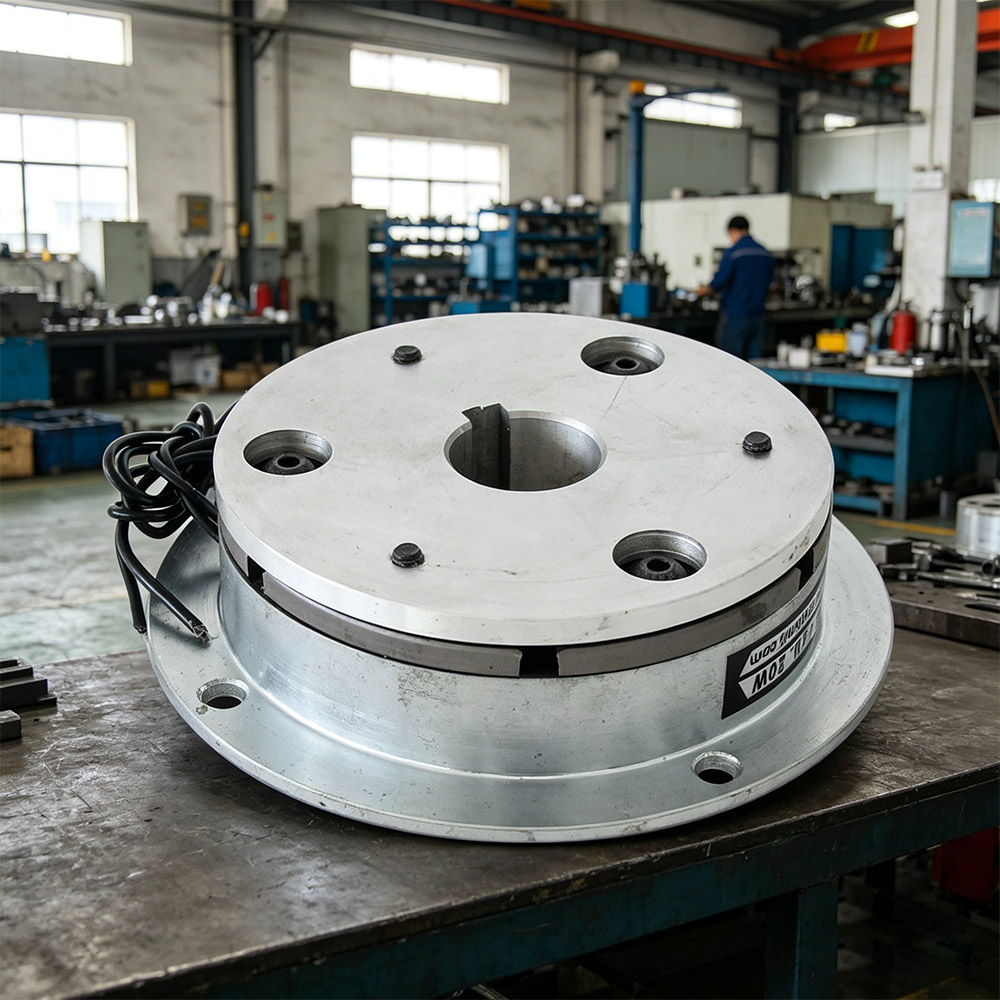
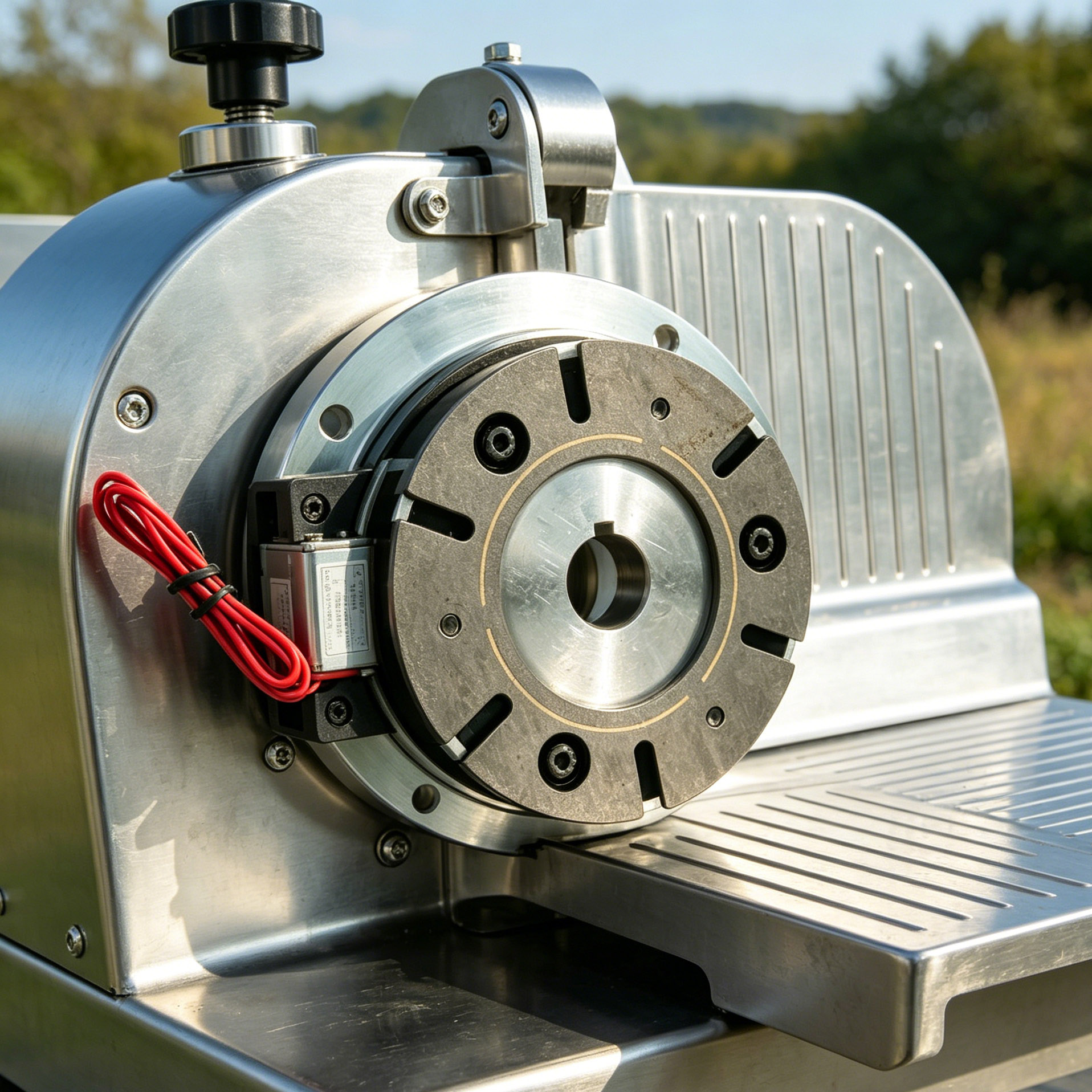
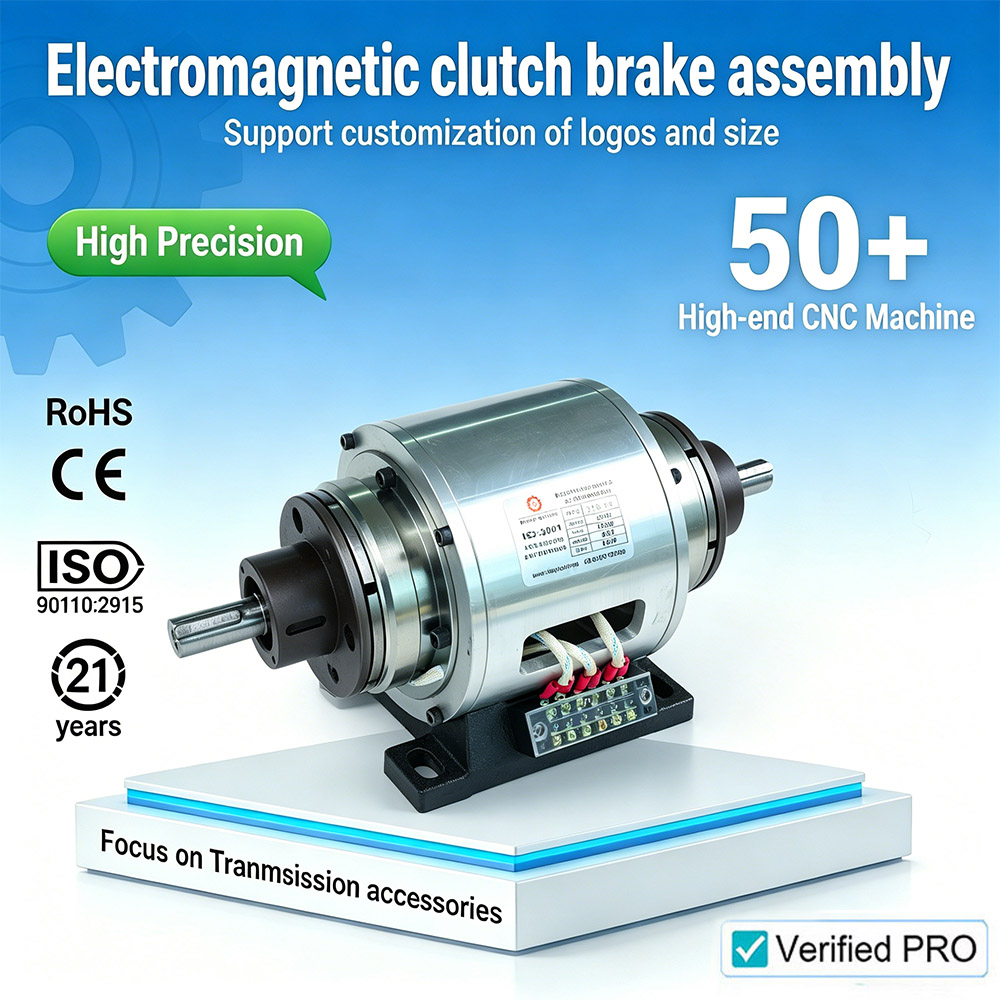
An electro magnetic brake represents a sophisticated braking technology that utilizes electromagnetic force to create stopping power in various mechanical systems. Unlike traditional friction-based braking mechanisms, this innovative system employs magnetic fields to generate braking torque, offering precise control and reliable performance across numerous industrial applications. The fundamental principle behind an electro magnetic brake involves converting electrical energy into magnetic force, which then creates resistance to stop or slow down rotating components. When electrical current flows through the coil within the brake assembly, it generates a powerful magnetic field that either attracts an armature plate or creates eddy currents in a rotating disc, producing the necessary braking force. The main functions of an electro magnetic brake include providing immediate stopping power, maintaining holding force when machinery is stationary, and enabling smooth deceleration in automated systems. These brakes excel in applications requiring rapid response times and precise control, making them indispensable in modern manufacturing environments. Technologically, electro magnetic brakes feature advanced coil designs, heat-dissipating materials, and robust construction that ensures consistent performance under demanding conditions. The system typically comprises several key components: an electromagnetic coil, an armature or rotor assembly, mounting hardware, and electrical connections. Many modern versions incorporate smart sensors and control electronics that monitor performance parameters and adjust braking force automatically. The applications of electro magnetic brake technology span multiple industries, including packaging machinery, printing presses, material handling equipment, textile manufacturing, food processing lines, and automated assembly systems. In robotics and CNC machinery, these brakes provide the precision stopping required for accurate positioning. Transportation systems, including trains and elevators, utilize larger versions for safe and controlled deceleration. The versatility of electro magnetic brake designs allows engineers to customize solutions for specific torque requirements, space constraints, and environmental conditions, ensuring optimal performance across diverse operational scenarios.

New Product Releases

The electro magnetic brake delivers exceptional advantages that directly benefit operations and bottom-line results for businesses across industries. First and foremost, these braking systems respond incredibly quickly to control signals, activating within milliseconds to stop machinery precisely when needed. This rapid response time enhances safety by reducing the risk of accidents and protecting workers from injury. The speed advantage also improves production efficiency, as machines can start and stop more frequently without wasting time waiting for brakes to engage or release. Another significant benefit comes from the minimal maintenance requirements of electro magnetic brake systems. Unlike conventional friction brakes that wear down brake pads and require frequent replacement, electromagnetic versions contain no contact friction materials that deteriorate over time. This design dramatically reduces maintenance costs and eliminates unexpected downtime caused by worn brake components. Facilities can operate continuously for longer periods without interrupting production schedules for brake servicing. The clean operation of these systems presents another practical advantage, particularly valuable in food processing, pharmaceutical manufacturing, and electronics assembly environments. Traditional brakes generate dust and particles from friction material wear, potentially contaminating products and requiring extensive cleaning protocols. Electro magnetic brake technology produces no dust or debris, maintaining pristine working conditions and protecting product quality. Energy efficiency represents another compelling benefit, as these brakes consume electrical power only during activation and require no continuous energy input to maintain holding force in certain designs. This characteristic reduces operational costs and supports sustainability initiatives. The precise control capability of electro magnetic brake systems enables smooth, gradual deceleration that protects delicate products from damage and extends the service life of machinery by reducing mechanical stress. Operators can fine-tune braking force to match specific application requirements, optimizing performance for different materials, speeds, and load conditions. Installation flexibility provides additional value, as compact designs fit into tight spaces where conventional brakes cannot accommodate. The systems integrate seamlessly with modern automation controls, programmable logic controllers, and industrial networks, enabling sophisticated control strategies and remote monitoring capabilities. Noise reduction is yet another advantage, as electro magnetic brake operation remains remarkably quiet compared to traditional mechanical braking that often produces loud squealing or grinding sounds. This creates more pleasant working environments and meets increasingly strict noise regulations in industrial facilities. The consistent, repeatable performance of these braking systems ensures uniform product quality and reliable machine operation, eliminating variations that occur as friction brakes wear unevenly. Organizations investing in electro magnetic brake technology gain competitive advantages through improved productivity, reduced operating costs, enhanced product quality, and safer working conditions that collectively strengthen their market position.

Practical Tips

Transmission Pain Points in Printing/Textile/Chemical Machinery: How Electromagnetic Clutches Improve Equipment Stability?

08

Dec

Transmission Pain Points in Printing/Textile/Chemical Machinery: How Electromagnetic Clutches Improve Equipment Stability?

Struggling with transmission instability in printing, textile, or chemical machinery? TJ-A electromagnetic clutches eliminate slip, boost throughput 15–20%, and ensure asbestos-free safety. Discover how top global manufacturers achieve 99.8% reliability—request a spec sheet today.
View More
High-Quality Web Guide Control Systems From a Leading Domestic Manufacturer With 20 Years of Expertise

08

Dec

High-Quality Web Guide Control Systems From a Leading Domestic Manufacturer With 20 Years of Expertise

Discover high-precision web guide control systems from a trusted domestic manufacturer with 20 years of R&D expertise. Reduce waste, boost efficiency, and ensure reliability. Request a quote today.
View More
The Pain of Non-Standard Transmission in Special Working Conditions

09

Apr

The Pain of Non-Standard Transmission in Special Working Conditions

Struggling with standard transmission failures in extreme temps, dust, or tight spaces? TianJi’s 20-year R&D delivers reliable custom clutches & brakes—engineered for your exact specs. Get a free technical consultation today.
View More

Get Your Custom Quote

Tell us your requirements and get a tailored solution for your project.
Name
Mobile
Email
Please include
Message
0/1000

electro magnetic brake

Superior Response Time and Precision Control

Superior Response Time and Precision Control

The electro magnetic brake stands out in the market due to its remarkable response speed and precision control capabilities that fundamentally transform how machinery operates in demanding production environments. When milliseconds matter, this technology delivers instantaneous activation that conventional mechanical braking systems simply cannot match. The electromagnetic principle enables the brake to engage the moment electrical current reaches the coil, eliminating the mechanical delays inherent in hydraulic or pneumatic systems that require pressure buildup or linkage movement. This lightning-fast response proves critical in applications where materials move at high speeds and must stop at exact positions for processing, cutting, or assembly operations. Consider a high-speed packaging line where products travel rapidly along conveyors and must halt precisely at filling stations. The electro magnetic brake ensures each package stops exactly where needed, maintaining consistent spacing and enabling accurate filling without spillage or waste. The precision extends beyond simple stopping to include controlled deceleration profiles that protect fragile items from damage caused by abrupt stops. Engineers can program gradual braking curves that gently slow rotating components, preventing shock loads that would otherwise break delicate materials or stress mechanical systems. This controllability becomes particularly valuable in textile manufacturing, where sudden stops could snap threads or damage fabric, and in printing operations, where precise registration requires exact stopping positions to align multiple colors perfectly. The system's ability to maintain consistent performance regardless of speed or load conditions ensures reliable operation across varying production demands. Whether machinery runs at maximum capacity or slower speeds, the electro magnetic brake delivers identical response characteristics, eliminating the performance variations that plague friction-dependent systems as they heat up or wear down. Temperature stability represents another dimension of precision, as the electromagnetic principle remains largely unaffected by moderate temperature fluctuations that would alter the friction coefficient of conventional brakes. Advanced control electronics integrated with modern electro magnetic brake designs enable sophisticated features like soft-start engagement that gradually increases braking force to minimize mechanical stress, and load-sensing adjustment that automatically varies braking power based on detected weight or momentum. These intelligent capabilities optimize machinery protection while maximizing throughput, creating operational efficiencies that directly impact profitability and competitiveness in today's demanding manufacturing landscape.
Extended Service Life and Minimal Maintenance Requirements

Extended Service Life and Minimal Maintenance Requirements

The electro magnetic brake revolutionizes equipment ownership economics through its exceptional durability and remarkably low maintenance demands that slash operational costs while maximizing uptime. Unlike traditional friction braking systems that rely on physical contact between brake pads and rotors, generating wear with every application, electromagnetic technology operates through non-contact magnetic force in many designs, eliminating the primary wear mechanism that necessitates frequent component replacement. This fundamental design advantage translates directly into extended service intervals that can span years rather than months, dramatically reducing the labor costs associated with brake maintenance and the inventory expenses of stocking replacement parts. Facilities operating multiple machines equipped with conventional brakes face constant cycles of inspection, adjustment, and replacement that consume maintenance resources and create scheduling challenges. Switching to electro magnetic brake systems effectively eliminates these recurring tasks, freeing maintenance personnel to focus on value-adding activities rather than routine brake servicing. The economic impact extends beyond direct maintenance savings to encompass avoided downtime costs that represent the largest expense category for many manufacturing operations. When traditional brakes fail or require replacement, production lines must stop, workers sit idle, delivery commitments face jeopardy, and customer relationships suffer strain. The superior reliability of electro magnetic brake technology minimizes these disruptions, enabling facilities to maintain consistent production schedules and meet customer demands reliably. The absence of friction-generated contamination provides additional value in industries where cleanliness determines product quality and regulatory compliance. Food processing facilities, pharmaceutical manufacturers, and semiconductor fabrication plants invest heavily in maintaining contamination-free environments. Traditional brakes constantly shed particles that settle on equipment, products, and surfaces, necessitating extensive cleaning protocols and creating contamination risks. Electro magnetic brake systems eliminate this pollution source entirely, reducing cleaning requirements and enhancing product safety. Environmental sealing capabilities further extend service life by protecting internal components from moisture, dust, and chemical exposure that would corrode or damage conventional brake mechanisms. Robust construction using high-quality materials ensures these systems withstand harsh industrial environments including temperature extremes, vibration, and shock loading without performance degradation. The long-term cost-of-ownership calculation decisively favors electro magnetic brake technology when accounting for purchase price, installation costs, energy consumption, maintenance expenses, downtime impacts, and replacement frequency over typical machinery lifespans of ten to twenty years.
Seamless Integration with Modern Automation Systems

Seamless Integration with Modern Automation Systems

The electro magnetic brake excels as a cornerstone component in advanced automation architectures, offering unparalleled integration capabilities that enable sophisticated control strategies and intelligent manufacturing operations. Modern industrial facilities increasingly rely on interconnected systems where machines communicate seamlessly, sharing data and coordinating activities to optimize overall performance. The electro magnetic brake fits perfectly into this ecosystem through straightforward electrical interfaces that connect directly to programmable logic controllers, motion controllers, and industrial network protocols including Ethernet/IP, Profinet, and Modbus. This connectivity enables centralized control where operators monitor and adjust braking parameters across entire facilities from single workstations, implementing coordinated stopping sequences that synchronize multiple machines for complex production choreography. Real-time feedback capabilities built into advanced electro magnetic brake systems provide continuous performance data including activation status, temperature readings, and diagnostic information that feeds into predictive maintenance programs. These systems detect developing issues before they cause failures, triggering maintenance alerts that enable proactive servicing during planned downtime rather than emergency repairs during production shifts. Integration extends to safety systems where electro magnetic brake controls interlock with emergency stop circuits, light curtains, and safety scanners to provide fail-safe machinery shutdown when hazardous conditions arise. The fast response times discussed earlier become even more valuable when combined with automated safety monitoring that detects dangerous situations and triggers immediate braking without human intervention delays. Programmability represents another integration advantage, allowing engineers to customize braking behavior for different production recipes, materials, or operating modes. A single machine might run various products requiring different stopping profiles, and the electro magnetic brake adjusts automatically when the control system signals a recipe change. This flexibility eliminates manual adjustments and reduces changeover times that impact productivity. Remote monitoring and control capabilities enabled by network integration support modern operational models where engineering teams provide centralized support for geographically distributed facilities. Specialists can diagnose issues, adjust parameters, and optimize performance for machines located anywhere in the world without traveling to sites, reducing support costs and accelerating problem resolution. The digital nature of electro magnetic brake control enables precise documentation and traceability that quality management systems demand, automatically logging every braking event with timestamps and parameters that create auditable records proving compliance with production specifications and regulatory requirements. As manufacturing continues evolving toward Industry 4.0 concepts emphasizing connectivity, data analytics, and artificial intelligence, the electro magnetic brake stands ready as an enabling technology that bridges traditional mechanical systems with digital intelligence layers.
email goToTop