DC Magnetic Brake Solutions: Precision Control, Durability & Versatile Industrial Applications

All Categories

dc magnetic brake

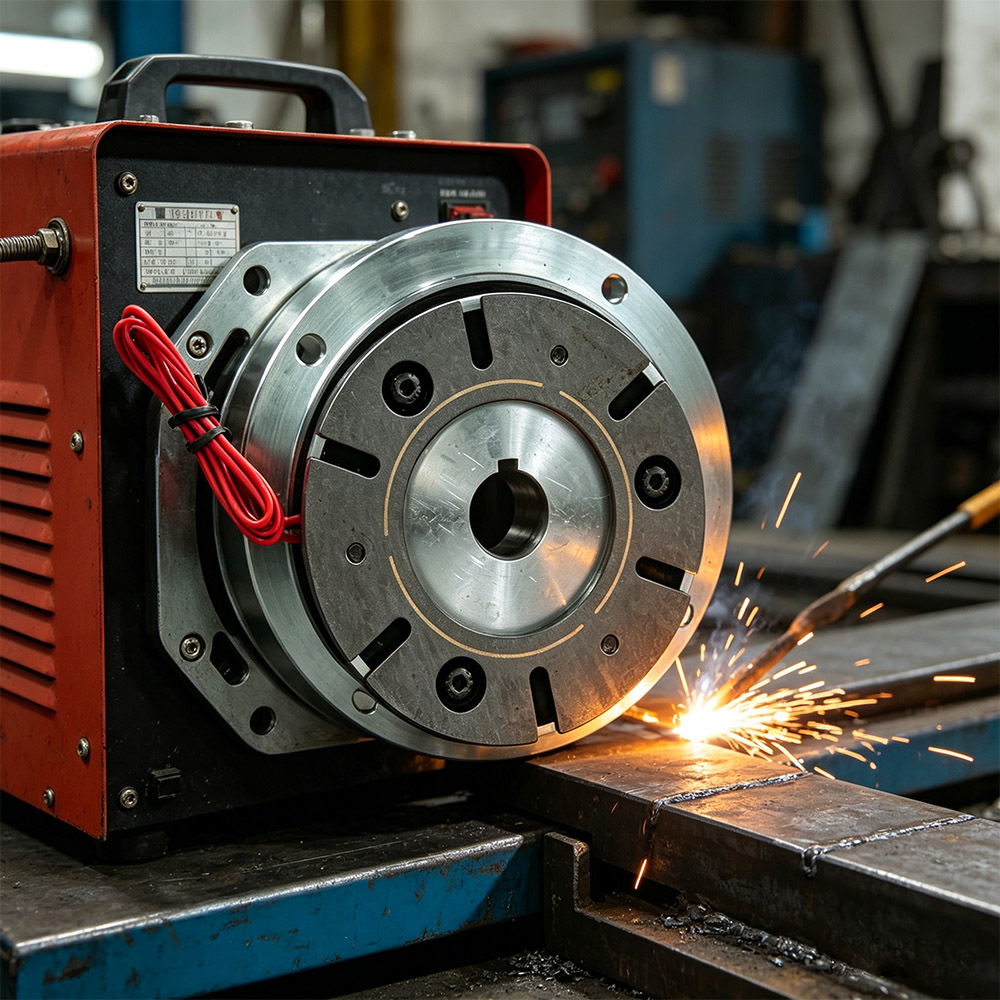
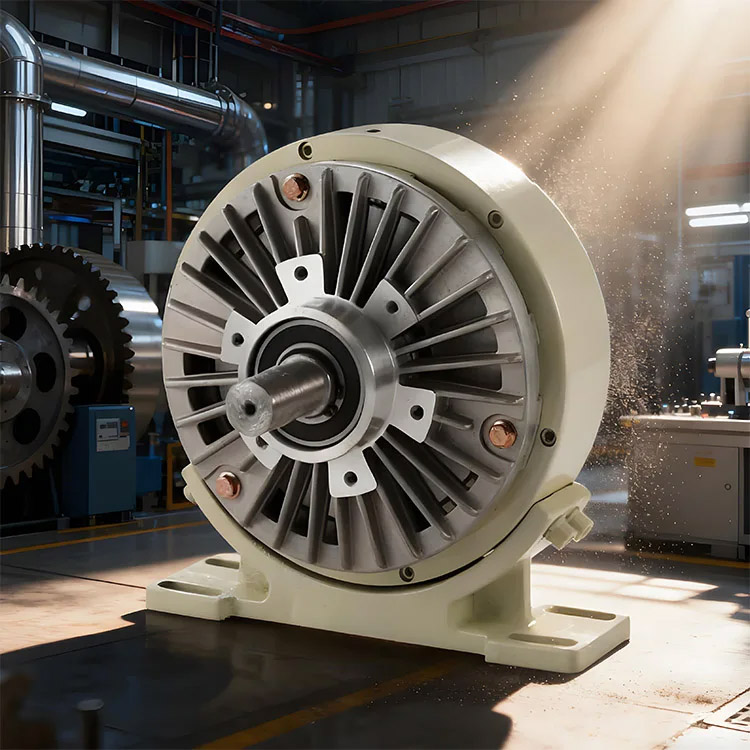
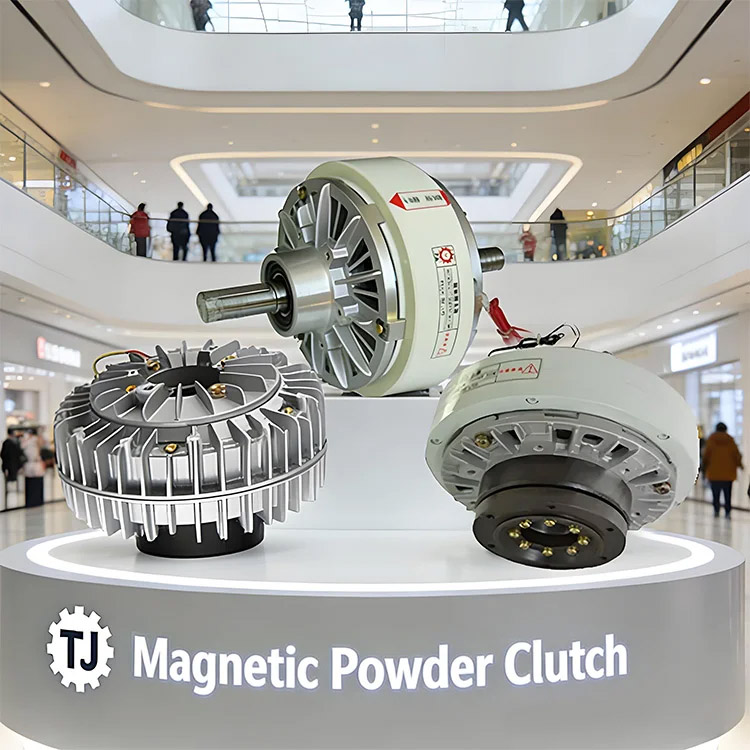
A dc magnetic brake represents an essential braking solution that utilizes direct current electromagnetic principles to create controlled stopping power in various mechanical systems. This sophisticated braking mechanism operates by generating a magnetic field when direct current flows through its electromagnetic coil, which then attracts an armature plate to create friction against a braking surface. The dc magnetic brake has become increasingly popular across industrial applications due to its precise control capabilities and reliable performance characteristics. Unlike traditional friction-based braking systems, this technology offers instantaneous response times and consistent stopping force regardless of environmental conditions. The fundamental design incorporates a coil assembly, an armature mechanism, friction components, and a mounting structure that can be integrated into existing machinery with minimal modifications. When electric current passes through the coil windings, it generates magnetic flux that pulls the armature toward the electromagnet face, creating the necessary friction to slow or stop rotating equipment. The braking torque can be precisely adjusted by varying the input voltage or current levels, providing operators with exceptional control over deceleration rates. These braking systems find extensive use in automated production lines, elevator systems, crane operations, conveyor mechanisms, and packaging equipment where safety and precision matter most. The dc magnetic brake construction typically features heat-resistant materials capable of withstanding repeated engagement cycles without degradation in performance. Modern iterations incorporate advanced thermal management designs that dissipate heat efficiently, extending component lifespan and maintaining consistent braking characteristics even during intensive operation periods. The versatility of this braking technology allows engineers to select from various configurations including spring-applied designs, permanent magnet versions, and electromagnetic release models depending on specific application requirements and safety considerations.

New Product Releases

The dc magnetic brake delivers numerous practical benefits that directly impact operational efficiency and workplace safety. First and foremost, these braking systems provide immediate response when activated, eliminating the dangerous delays associated with mechanical or hydraulic alternatives. This instantaneous action proves critical in emergency situations where every millisecond counts toward preventing equipment damage or protecting personnel from injury. The precision control offered by dc magnetic brake technology allows operators to fine-tune braking force simply by adjusting electrical input parameters, enabling smooth deceleration profiles that protect delicate products and reduce mechanical stress on connected components. Maintenance requirements remain minimal compared to conventional brake designs because there are fewer moving parts subject to wear, and the electromagnetic components demonstrate exceptional durability under normal operating conditions. Cost savings accumulate over the equipment lifecycle as replacement intervals extend and downtime decreases substantially. Energy efficiency stands out as another compelling advantage since these brakes only consume power during active engagement, unlike some continuously energized systems that waste electricity maintaining holding force. The compact physical footprint enables integration into space-constrained applications where bulky hydraulic systems cannot fit, expanding design possibilities for machine builders and retrofit projects alike. Noise reduction benefits emerge because electromagnetic engagement occurs smoothly without the harsh mechanical clashing sounds typical of traditional brake mechanisms, creating quieter work environments that improve employee comfort and satisfaction. Temperature stability ensures consistent performance across varying ambient conditions, as the magnetic force generation remains largely unaffected by moderate thermal fluctuations that compromise other brake technologies. Installation procedures prove straightforward for qualified technicians, reducing setup time and labor costs during initial equipment commissioning or upgrade projects. The absence of hydraulic fluids eliminates contamination risks in sensitive manufacturing environments like food processing facilities or pharmaceutical production areas where cleanliness standards must be maintained strictly. Diagnostic capabilities improve operational visibility because electrical parameters can be monitored continuously through integrated sensors, enabling predictive maintenance strategies that prevent unexpected failures before they disrupt production schedules. Safety features inherent to dc magnetic brake designs include fail-safe configurations where spring mechanisms apply braking force automatically upon power loss, ensuring loads remain secured even during electrical outages or system malfunctions. This reliability factor provides peace of mind for facility managers responsible for worker protection and asset security.

Latest News

Transmission Pain Points in Printing/Textile/Chemical Machinery: How Electromagnetic Clutches Improve Equipment Stability?

08

Dec

Transmission Pain Points in Printing/Textile/Chemical Machinery: How Electromagnetic Clutches Improve Equipment Stability?

Struggling with transmission instability in printing, textile, or chemical machinery? TJ-A electromagnetic clutches eliminate slip, boost throughput 15–20%, and ensure asbestos-free safety. Discover how top global manufacturers achieve 99.8% reliability—request a spec sheet today.
View More
High-Quality Web Guide Control Systems From a Leading Domestic Manufacturer With 20 Years of Expertise

08

Dec

High-Quality Web Guide Control Systems From a Leading Domestic Manufacturer With 20 Years of Expertise

Discover high-precision web guide control systems from a trusted domestic manufacturer with 20 years of R&D expertise. Reduce waste, boost efficiency, and ensure reliability. Request a quote today.
View More
The Pain of Non-Standard Transmission in Special Working Conditions

09

Apr

The Pain of Non-Standard Transmission in Special Working Conditions

Struggling with standard transmission failures in extreme temps, dust, or tight spaces? TianJi’s 20-year R&D delivers reliable custom clutches & brakes—engineered for your exact specs. Get a free technical consultation today.
View More

Get Your Custom Quote

Tell us your requirements and get a tailored solution for your project.
Name
Mobile
Email
Please include
Message
0/1000

dc magnetic brake

Instantaneous Response and Precision Control Capabilities

Instantaneous Response and Precision Control Capabilities

The dc magnetic brake excels in delivering instantaneous response characteristics that set it apart from competing braking technologies in demanding industrial environments. When electrical current energizes the electromagnetic coil, magnetic field generation occurs within milliseconds, creating immediate attraction force that engages the braking mechanism without perceptible delay. This rapid activation proves invaluable in automated manufacturing systems where split-second timing determines production quality and worker safety outcomes. The precision control dimension extends beyond simple on-off functionality, as operators can modulate braking torque continuously by varying input voltage or current levels according to specific operational requirements. This variable force capability enables smooth acceleration and deceleration profiles that protect fragile products from impact damage while simultaneously reducing mechanical stress on drive trains, bearings, and structural components. Engineers appreciate the predictable performance characteristics because the relationship between electrical input and braking output follows consistent patterns that simplify system design calculations and control algorithm development. The electromagnetic principles underlying dc magnetic brake operation ensure that braking force remains proportional to coil energization across the useful operating range, providing linear response curves that facilitate accurate motion control in positioning applications. Advanced control systems can implement sophisticated braking profiles that optimize cycle times while maintaining product integrity, something difficult to achieve with less responsive brake technologies. The absence of mechanical linkages between control inputs and braking actuation eliminates backlash and compliance issues that introduce positioning errors in precision machinery. Temperature compensation features available in premium dc magnetic brake models maintain consistent torque output even as component temperatures fluctuate during extended operation periods, ensuring reliable performance throughout production shifts. The integration with modern programmable logic controllers and motion control systems proceeds seamlessly because standardized electrical interfaces simplify wiring and communication protocols. Diagnostic feedback capabilities enable real-time monitoring of brake engagement status, coil resistance, and temperature conditions, empowering maintenance teams to identify developing problems before complete failures occur. This predictive approach minimizes unplanned downtime and extends equipment service life significantly compared to reactive maintenance strategies.
Exceptional Durability and Minimal Maintenance Requirements

Exceptional Durability and Minimal Maintenance Requirements

The dc magnetic brake demonstrates remarkable durability characteristics that translate directly into reduced maintenance expenses and extended equipment uptime for industrial operators. The electromagnetic actuation mechanism contains no wearing friction components in the energization pathway, meaning the coil assembly and magnetic circuit maintain their functional properties through millions of operating cycles without degradation. Friction materials selected for modern dc magnetic brake applications incorporate advanced composite formulations engineered to withstand extreme temperatures and mechanical stresses while delivering consistent coefficient of friction values across their service life. Manufacturers specify these friction elements for tens of thousands of engagement cycles before replacement becomes necessary, dramatically exceeding the lifespan of conventional brake pads and shoes. The sealed construction employed in quality dc magnetic brake designs protects internal components from environmental contaminants including dust, moisture, and chemical vapors that accelerate wear in exposed mechanical systems. This protection proves especially valuable in harsh industrial settings where airborne particulates and corrosive atmospheres challenge equipment reliability. Heat dissipation engineering incorporated into brake housing designs channels thermal energy away from critical components, preventing hot spots that cause premature material failure and performance deterioration. Ventilation features and heat sink geometries maximize convective cooling without requiring external fans or liquid cooling systems that add complexity and maintenance burden. The simplicity of the electromagnetic operating principle means fewer potential failure modes compared to complex hydraulic or pneumatic brake systems with multiple seals, valves, and pressure regulators. Electrical connections utilize industrial-grade terminals and insulation materials rated for vibration resistance and thermal cycling, ensuring reliable current delivery throughout the brake service life. Inspection intervals extend considerably because wear progression occurs gradually and predictably, allowing condition-based maintenance scheduling rather than conservative time-based replacement strategies that waste remaining component life. When service does become necessary, modular construction facilitates rapid friction element replacement without complete brake disassembly, minimizing maintenance duration and associated production losses. The dc magnetic brake components resist corrosion through protective coatings and material selections that withstand exposure to industrial atmospheres, reducing cosmetic deterioration and maintaining structural integrity over decades of service.
Versatile Application Range and Flexible Integration Options

Versatile Application Range and Flexible Integration Options

The dc magnetic brake technology adapts to an exceptionally broad spectrum of industrial applications through flexible design configurations and scalable torque capacities. Small fractional horsepower models provide precise holding and positioning functions in laboratory equipment, medical devices, and office automation machinery where compact dimensions and quiet operation are essential. Mid-range dc magnetic brake units serve packaging lines, printing presses, and textile machinery requiring reliable intermittent braking with moderate torque specifications. Heavy-duty industrial versions deliver substantial stopping power for crane hoists, mining equipment, and steel processing machinery where safety-critical braking must operate flawlessly under extreme conditions. The voltage compatibility extends across standard industrial power systems including twelve volt, twenty-four volt, forty-eight volt, and higher DC supplies, enabling integration into existing electrical infrastructure without requiring specialized power conversion equipment. Mounting flexibility accommodates diverse machine configurations through face-mount, flange-mount, and shaft-mount options that adapt to spatial constraints and mechanical interface requirements. Custom bracket designs and adapter plates further expand installation possibilities when standard mounting arrangements cannot accommodate unique equipment geometries. The dc magnetic brake functions effectively across temperature ranges from sub-zero cold storage environments to elevated temperatures found near furnaces and heat-treating operations, provided appropriate thermal management provisions are implemented. Duty cycle capabilities span continuous holding applications where brakes remain engaged for extended periods to high-frequency cycling operations involving hundreds of engagements per hour. Response time specifications meet demands of both gradual deceleration requirements and emergency stopping scenarios where maximum braking force must apply within fractions of a second. Environmental sealing options protect against water ingress in outdoor applications and food-grade washdown areas where moisture exposure occurs regularly. Hazardous location certifications enable dc magnetic brake deployment in explosive atmospheres where ignition source control maintains worker safety and regulatory compliance. Integration with safety systems including light curtains, emergency stop circuits, and interlock mechanisms proceeds straightforwardly through standardized electrical interfaces and proven wiring practices. Retrofit applications benefit from dimensional interchangeability with legacy brake technologies, allowing performance upgrades without extensive machine modifications or production downtime.
email goToTop