Magnetic Metal Brake Systems - Precision Electromagnetic Braking Solutions for Industrial Applications

All Categories

magnetic metal brake

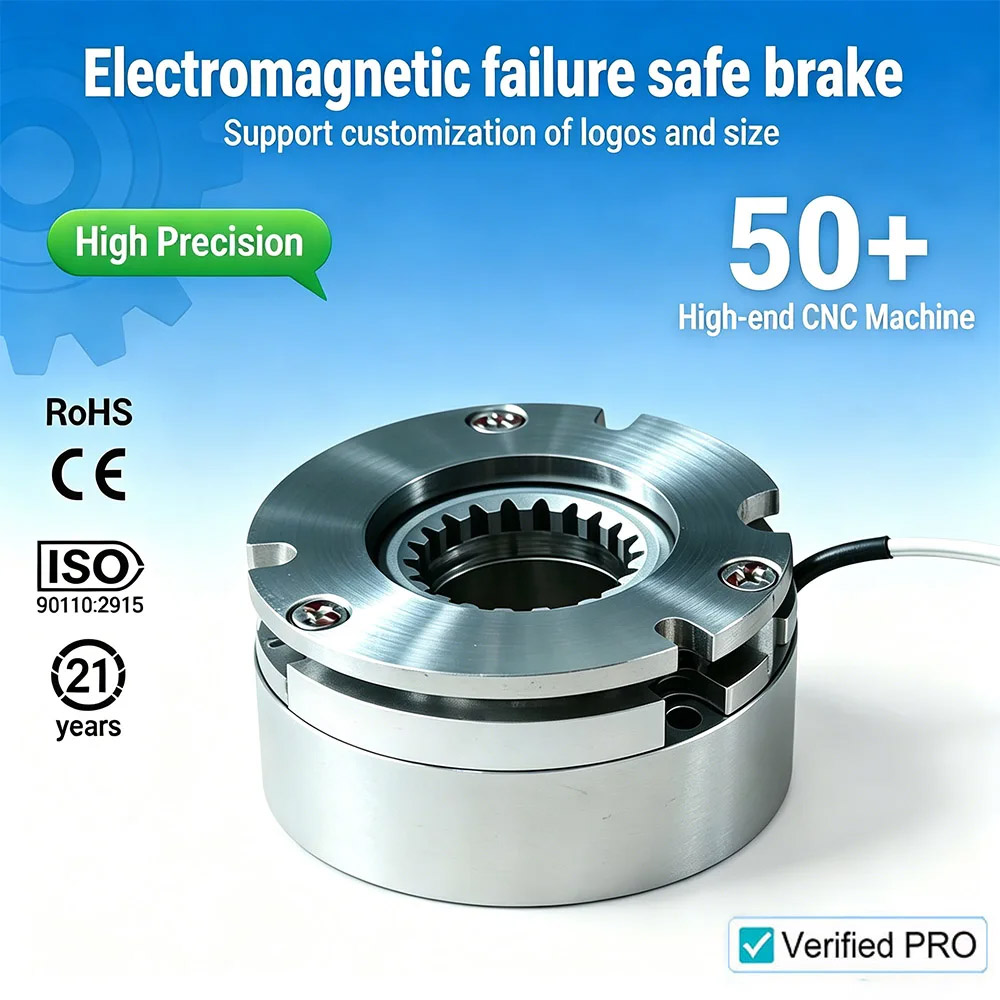
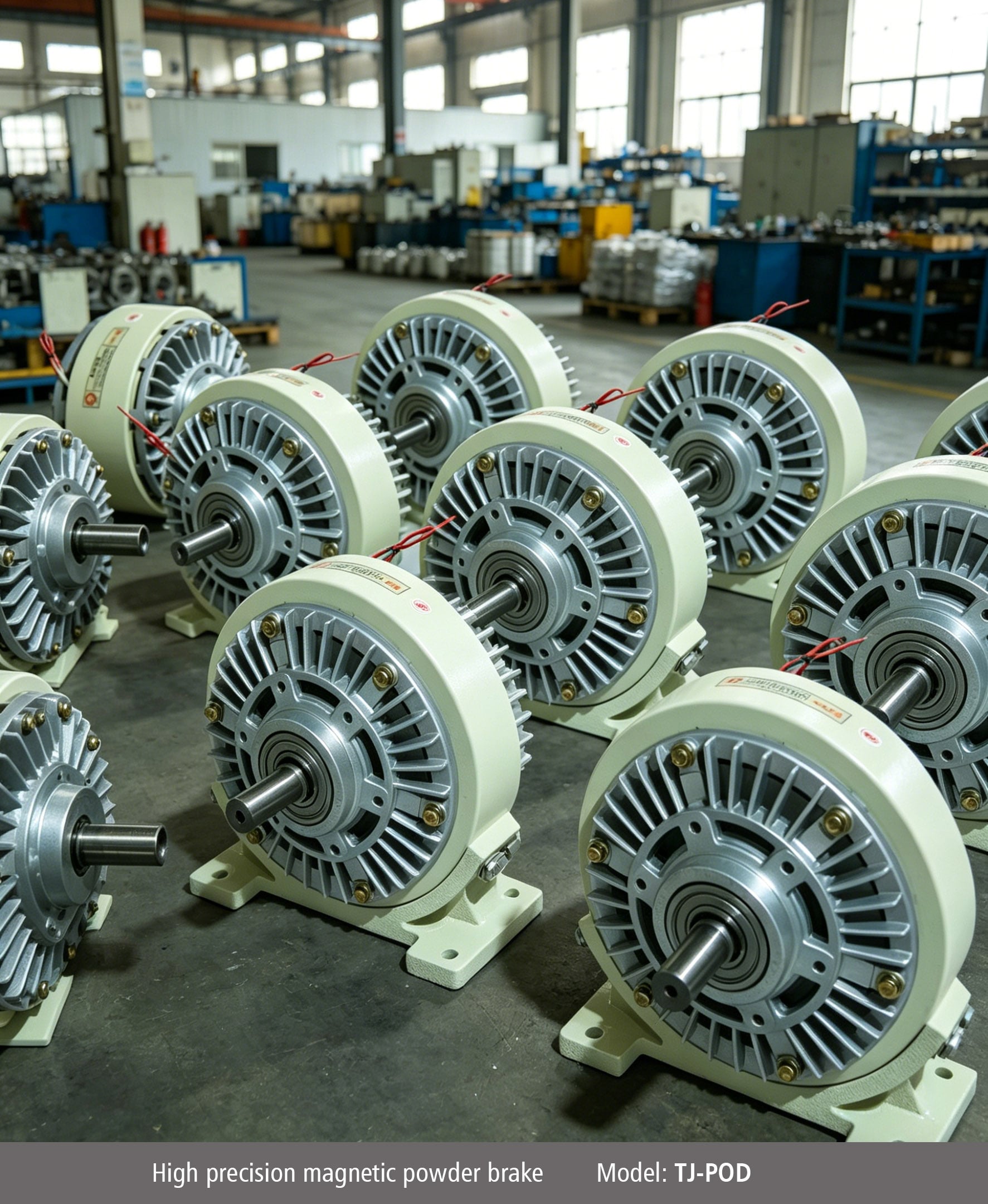
The magnetic metal brake represents a sophisticated braking solution that leverages electromagnetic principles to deliver precise, controllable stopping power across numerous industrial applications. This advanced braking system operates by generating magnetic fields that interact with conductive metal components, producing eddy currents that create opposing forces to slow or stop rotating machinery. Unlike conventional friction-based brakes that rely on physical contact between brake pads and rotors, the magnetic metal brake employs contactless electromagnetic technology to achieve smooth, reliable deceleration. The primary functions of this innovative system include speed regulation, emergency stopping, tension control, and load holding in various mechanical configurations. The magnetic metal brake excels in applications requiring consistent performance, minimal maintenance, and extended operational lifespan. Its technological features encompass adjustable braking torque, rapid response times, heat dissipation capabilities, and compatibility with automated control systems. The design typically incorporates permanent magnets or electromagnets positioned strategically around a conductive metal disc or drum, creating magnetic flux patterns that induce resistance when relative motion occurs. This resistance generates controlled braking force proportional to the rotational speed and magnetic field strength. Applications for the magnetic metal brake span diverse industries including material handling systems, printing machinery, packaging equipment, textile production, cable manufacturing, conveyor systems, and automated assembly lines. The technology proves particularly valuable in situations demanding precise speed control, smooth deceleration curves, and protection against mechanical shock. Manufacturing facilities benefit from reduced downtime, lower replacement costs, and improved operational safety when implementing magnetic metal brake solutions. The system integrates seamlessly with programmable logic controllers and motion control platforms, enabling sophisticated automation strategies and real-time performance monitoring.

New Product Recommendations

The magnetic metal brake delivers exceptional reliability that translates directly into reduced operational costs for your business. You avoid the frequent replacement cycles associated with traditional friction brakes because there are no physical pads wearing down through constant contact. This contactless operation means your equipment runs longer between maintenance intervals, keeping production lines moving and minimizing expensive downtime. The smooth, progressive braking action protects your machinery from jarring stops that can damage sensitive components or disrupt product quality. You gain precise control over deceleration rates, allowing operators to fine-tune performance parameters to match specific application requirements without complicated adjustments. The system responds almost instantaneously to control signals, providing the quick reaction times necessary for emergency stops and safety protocols. Heat generation remains manageable because the magnetic metal brake dissipates thermal energy efficiently through its structural design, preventing the temperature-related performance degradation common in friction-based alternatives. Your maintenance teams appreciate the simplicity of working with these systems since there are no brake pads to inspect, no hydraulic fluids to monitor, and no complex mechanical linkages requiring constant adjustment. Installation flexibility allows integration into existing equipment configurations without major modifications, reducing implementation costs and project timelines. The consistent torque characteristics mean predictable performance across varying load conditions, eliminating the uncertainty that comes from worn friction materials or contaminated braking surfaces. You experience quieter operation compared to mechanical brakes, creating a more pleasant work environment and reducing noise pollution concerns. Energy efficiency improves because the system only consumes power during active braking events when using electromagnetic variants, rather than maintaining constant pressure like some hydraulic systems. The compact design footprint enables installation in space-constrained applications where traditional brake assemblies simply cannot fit. Operators benefit from the linear relationship between control input and braking force, making the system intuitive to use and reducing training requirements. The magnetic metal brake adapts easily to automated processes through standard industrial communication protocols, supporting your transition toward smart manufacturing and Industry 4.0 initiatives. Environmental advantages include elimination of brake dust particles and absence of hydraulic fluid leak risks, supporting your sustainability goals and regulatory compliance efforts.

Tips And Tricks

Transmission Pain Points in Printing/Textile/Chemical Machinery: How Electromagnetic Clutches Improve Equipment Stability?

08

Dec

Transmission Pain Points in Printing/Textile/Chemical Machinery: How Electromagnetic Clutches Improve Equipment Stability?

Struggling with transmission instability in printing, textile, or chemical machinery? TJ-A electromagnetic clutches eliminate slip, boost throughput 15–20%, and ensure asbestos-free safety. Discover how top global manufacturers achieve 99.8% reliability—request a spec sheet today.
View More
High-Quality Web Guide Control Systems From a Leading Domestic Manufacturer With 20 Years of Expertise

08

Dec

High-Quality Web Guide Control Systems From a Leading Domestic Manufacturer With 20 Years of Expertise

Discover high-precision web guide control systems from a trusted domestic manufacturer with 20 years of R&D expertise. Reduce waste, boost efficiency, and ensure reliability. Request a quote today.
View More
The Pain of Non-Standard Transmission in Special Working Conditions

09

Apr

The Pain of Non-Standard Transmission in Special Working Conditions

Struggling with standard transmission failures in extreme temps, dust, or tight spaces? TianJi’s 20-year R&D delivers reliable custom clutches & brakes—engineered for your exact specs. Get a free technical consultation today.
View More

Get Your Custom Quote

Tell us your requirements and get a tailored solution for your project.
Name
Mobile
Email
Please include
Message
0/1000

magnetic metal brake

Superior Longevity Through Contactless Technology

Superior Longevity Through Contactless Technology

The fundamental advantage that sets the magnetic metal brake apart from conventional alternatives lies in its contactless operational principle, which dramatically extends service life while maintaining consistent performance. Traditional friction brakes depend on physical contact between opposing surfaces, creating wear that inevitably degrades performance and necessitates regular component replacement. Every braking cycle removes microscopic material from brake pads, rotors, and drums, accumulating into significant deterioration over weeks or months of operation. This wear pattern forces maintenance schedules built around predictable component failure, creating planned downtime and ongoing parts expenses. The magnetic metal brake eliminates this entire category of wear because electromagnetic forces act across air gaps without any surfaces grinding against each other. The conductive metal disc or drum experiences induced currents rather than physical abrasion, preserving dimensional accuracy and surface integrity indefinitely under normal operating conditions. Manufacturers report operational lifespans measured in years rather than months, with some installations exceeding a decade of continuous service without requiring major component replacement. This longevity delivers compounding economic benefits as facilities avoid not only parts costs but also the labor expenses associated with frequent brake servicing. Production managers gain scheduling flexibility because maintenance intervals extend dramatically, allowing service activities to align with planned shutdowns rather than dictating emergency stops. The consistent gap between magnetic components and conductive surfaces means performance characteristics remain stable throughout the equipment lifespan, unlike friction brakes that exhibit changing torque curves as pad materials wear and surface conditions evolve. Quality control benefits emerge because the predictable, unchanging braking behavior eliminates a variable that might otherwise contribute to product inconsistencies. Engineering teams appreciate the design simplicity that comes from removing wear-prone friction interfaces, reducing the total part count and potential failure modes within the overall system architecture. The absence of particulate generation from brake wear supports cleaner manufacturing environments, particularly critical in industries like food processing, pharmaceuticals, and electronics where contamination control drives facility design.
Precision Control for Demanding Applications

Precision Control for Demanding Applications

Modern manufacturing processes demand exacting control over machinery motion, making the precision capabilities of the magnetic metal brake invaluable for applications where stopping accuracy directly impacts product quality and operational efficiency. The electromagnetic principles underlying this technology create a direct, mathematically predictable relationship between control input signals and resulting braking torque. Engineers can calculate expected deceleration profiles with confidence, then observe actual performance that matches theoretical predictions within tight tolerances. This predictability enables sophisticated motion control strategies where multiple axes must coordinate precisely, such as in web handling systems that maintain constant tension across material being processed. The magnetic metal brake responds to control signal changes within milliseconds, providing the dynamic performance necessary for high-speed production lines where split-second timing differences translate into defects or waste. Operators working with tension-sensitive materials like thin films, fabrics, or paper products rely on the smooth, flutter-free braking characteristics that prevent the jerking motions which cause tears, wrinkles, or registration errors. The adjustable nature of magnetic braking force allows single equipment designs to accommodate diverse product specifications simply by modifying control parameters rather than swapping mechanical components. Production changeovers that might require hours with conventional brake systems complete in minutes when facilities implement magnetic metal brake solutions with stored parameter profiles for different products. The linear torque response simplifies control algorithm development because programmers avoid compensating for the non-linear friction characteristics and stick-slip behaviors that complicate conventional brake control. Integration with closed-loop feedback systems becomes straightforward, enabling automatic compensation for load variations, temperature changes, or other environmental factors that might otherwise affect braking performance. Quality assurance teams appreciate the repeatability inherent in electromagnetic systems, where identical control inputs produce virtually identical results across millions of cycles. The gentle, progressive engagement possible with magnetic metal brake technology protects delicate products from the shock loads that can occur when friction brakes grab suddenly, reducing damage rates and improving yield percentages.
Low Maintenance Requirements Reduce Total Ownership Costs

Low Maintenance Requirements Reduce Total Ownership Costs

The economic advantages of magnetic metal brake systems extend far beyond initial purchase price, delivering substantial total cost of ownership reductions through minimal maintenance requirements and extended replacement intervals. Maintenance departments traditionally allocate significant resources to brake system servicing, including scheduled inspections, pad replacements, rotor resurfacing, fluid changes, and adjustment procedures that consume technician hours and spare parts budgets. The magnetic metal brake eliminates most of these recurring activities because the contactless design prevents the wear mechanisms that drive conventional brake maintenance. Facilities implementing this technology report maintenance cost reductions exceeding seventy percent compared to friction brake alternatives over equivalent operating periods. The time savings prove equally valuable as technicians redirect efforts toward higher-value activities rather than repetitive brake servicing. Production continuity improves because unplanned brake failures become extremely rare events rather than expected occurrences requiring contingency planning. The robust construction typical of magnetic metal brake assemblies withstands harsh industrial environments including temperature extremes, humidity, vibration, and contamination that accelerate deterioration in friction-based systems. Sealed enclosures protect critical components from dust, moisture, and chemical exposure, extending service intervals even in challenging applications. When maintenance does become necessary, the modular design philosophy employed by leading manufacturers enables quick component replacement without requiring specialized tools or extensive disassembly. Spare parts inventories shrink dramatically because facilities stock fewer brake-related components, freeing warehouse space and reducing capital tied up in consumables. The diagnostic simplicity inherent in electromagnetic systems allows maintenance personnel to identify and resolve issues quickly through straightforward electrical testing rather than subjective assessments of wear patterns or contamination levels. Predictive maintenance strategies become more effective because the magnetic metal brake provides clear electrical signatures that change in measurable ways before performance degradation becomes operationally significant. Thermal monitoring reveals developing problems early, enabling scheduled interventions during planned downtime rather than reactive repairs following unexpected failures. The compatibility with standard industrial automation components means replacement parts remain available from multiple suppliers rather than requiring manufacturer-specific friction materials with limited sourcing options.
email goToTop