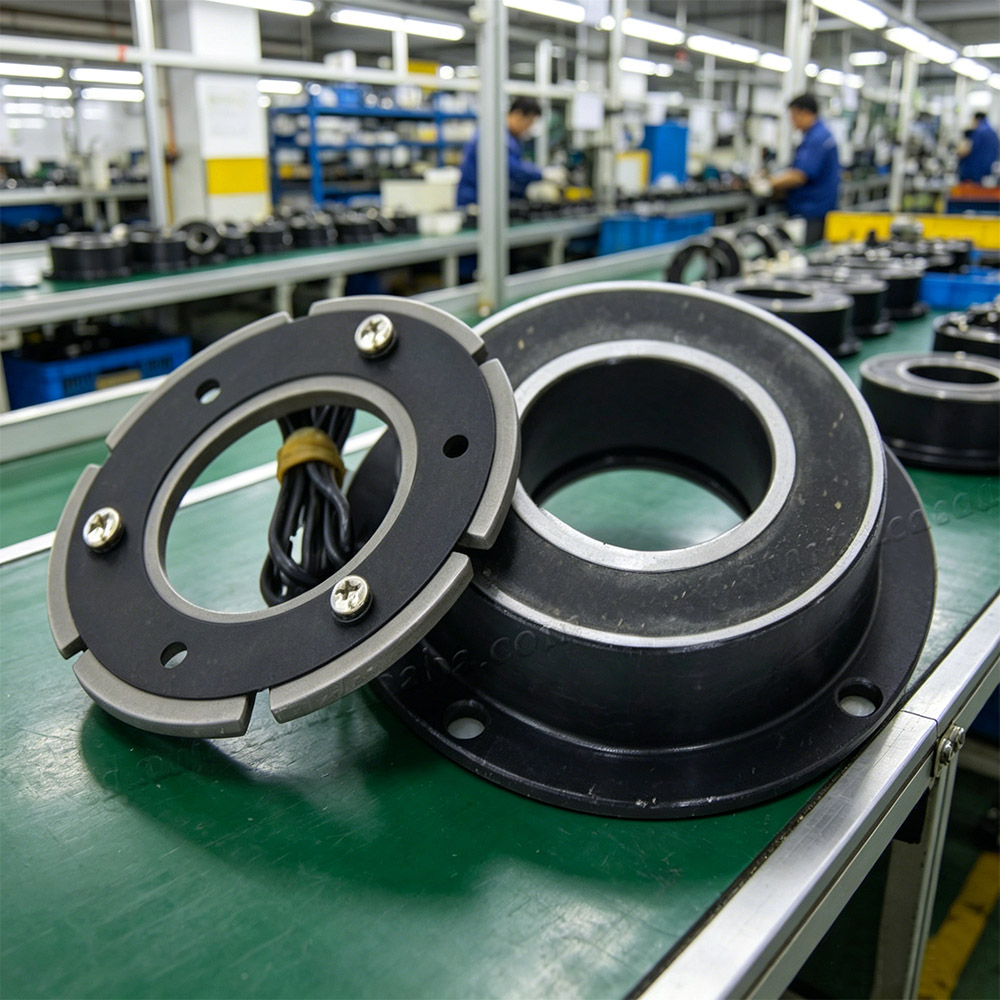
Electro Magnetic Brake System: Advanced Braking Technology for Industrial Applications

All Categories

electro magnetic brake system

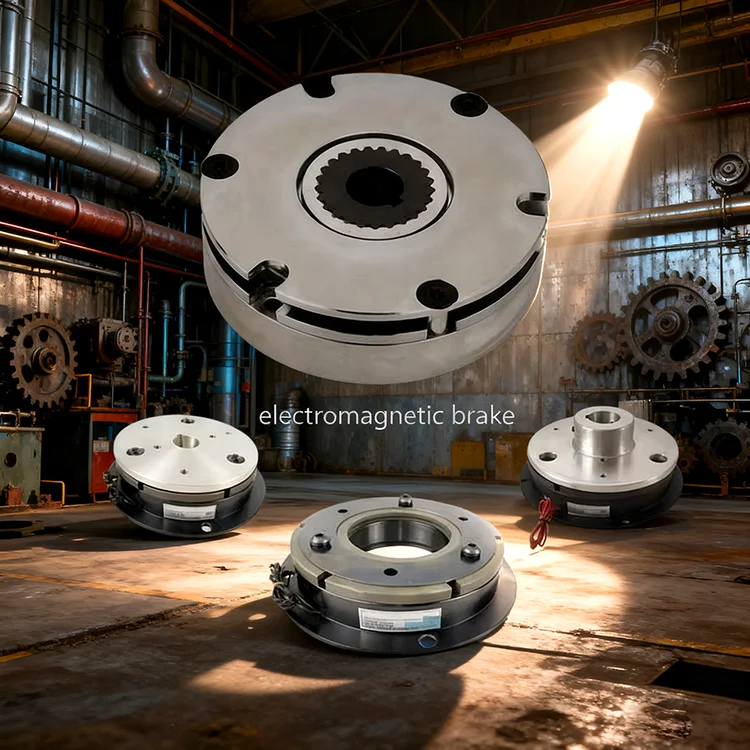
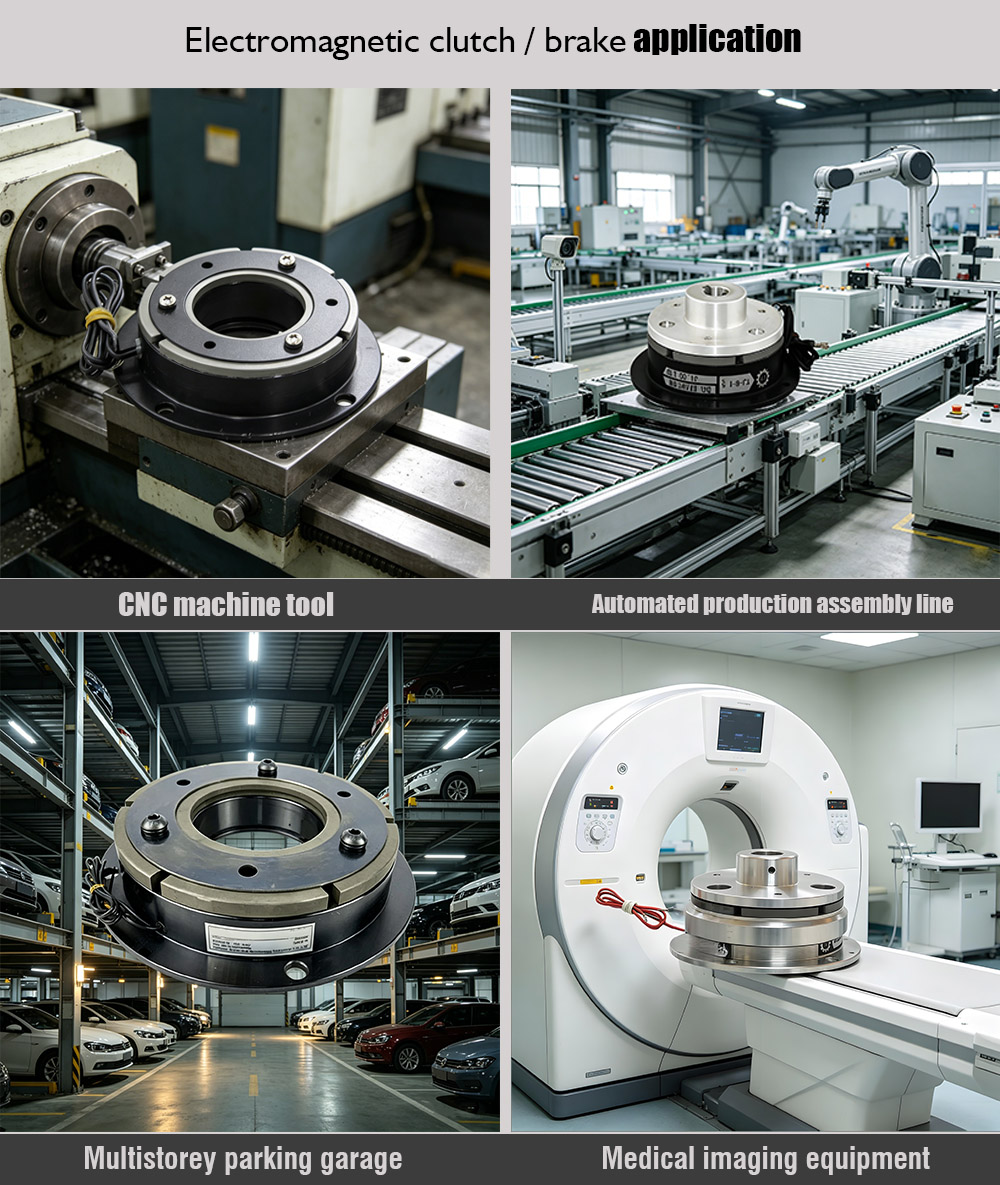
An electro magnetic brake system represents a sophisticated braking technology that utilizes electromagnetic force to achieve efficient and reliable stopping power across various mechanical applications. This innovative system operates on the fundamental principle of electromagnetic induction, where electrical energy converts into magnetic force to create controlled braking action. Unlike traditional friction-based braking mechanisms, the electro magnetic brake system employs electromagnets that generate a magnetic field when electric current flows through coiled wires. This magnetic field interacts with a metal disc or drum attached to the rotating shaft, producing eddy currents that generate opposing force and bring the motion to a controlled stop. The primary functions of this technology include providing instantaneous response times, delivering consistent braking performance regardless of environmental conditions, and offering precise control over deceleration rates. Technological features that distinguish this system include its non-contact operation in certain configurations, elimination of mechanical wear in specific designs, adjustable braking force through current regulation, and integration capabilities with modern electronic control systems. The electro magnetic brake system finds extensive applications across manufacturing industries, material handling equipment, elevator systems, electric vehicles, industrial machinery, conveyor systems, and automated production lines. In railway applications, this technology provides supplementary braking force alongside traditional systems. The automotive sector increasingly adopts electromagnetic braking for electric and hybrid vehicles, where regenerative capabilities contribute to energy efficiency. Medical equipment, testing machinery, and precision instruments benefit from the smooth and controllable stopping action this system delivers. The versatility of the electro magnetic brake system makes it indispensable in situations requiring rapid response, frequent stopping cycles, or operation in challenging environments where conventional brakes might fail or deteriorate quickly. As industries continue advancing toward automation and electrification, this braking technology plays an increasingly vital role in ensuring safety, efficiency, and operational reliability across diverse sectors.

Popular Products

The electro magnetic brake system delivers numerous practical benefits that directly impact your operational efficiency and bottom line. First and foremost, this technology responds almost instantaneously when activated, typically within milliseconds, which means your equipment stops exactly when needed without dangerous delays. This rapid response time significantly enhances workplace safety by preventing accidents and protecting both personnel and valuable machinery from damage. You will notice substantial cost savings over time because many electromagnetic brake configurations eliminate physical contact between components, dramatically reducing wear and tear. This translates into fewer replacement parts, less frequent maintenance schedules, and minimal downtime for repairs. Your maintenance teams will appreciate the simplicity of these systems, as they require far less attention compared to traditional braking mechanisms that constantly need adjustments, lubrication, and component replacements due to friction-related degradation. The electro magnetic brake system operates reliably across extreme temperature ranges, from freezing conditions to high-heat environments, maintaining consistent performance where conventional brakes might fail or operate unpredictably. This environmental resilience means your operations continue smoothly regardless of weather conditions or industrial heat generation. You gain precise control over braking intensity by simply adjusting the electrical current supplied to the system, allowing fine-tuned deceleration that protects sensitive products, prevents load shifting, and ensures smooth operation. This adjustability proves invaluable in applications requiring variable stopping force for different loads or operational speeds. Energy efficiency represents another significant advantage, particularly in electric vehicle applications where regenerative braking capabilities recover energy during deceleration and return it to the battery system, extending operational range and reducing power consumption. Your facility benefits from quieter operations since electromagnetic braking generates minimal noise compared to traditional friction brakes that often produce squealing, grinding, or other disruptive sounds. The system integrates seamlessly with modern automation and control systems, enabling programmable braking sequences, remote monitoring, fault detection, and predictive maintenance capabilities that optimize overall system performance. You eliminate contamination concerns associated with brake dust and friction material particles that can compromise product quality in clean-room environments or food processing facilities. The compact design of many electromagnetic brake units saves valuable space in equipment layouts, allowing more efficient use of your facility footprint. Long-term reliability means your investment continues delivering value for years with minimal degradation in performance, providing predictable operational costs and reducing unexpected failures that disrupt production schedules. These combined advantages make the electro magnetic brake system a smart choice for forward-thinking operations seeking enhanced safety, reduced costs, and improved operational efficiency.

Latest News

Transmission Pain Points in Printing/Textile/Chemical Machinery: How Electromagnetic Clutches Improve Equipment Stability?

08

Dec

Transmission Pain Points in Printing/Textile/Chemical Machinery: How Electromagnetic Clutches Improve Equipment Stability?

Struggling with transmission instability in printing, textile, or chemical machinery? TJ-A electromagnetic clutches eliminate slip, boost throughput 15–20%, and ensure asbestos-free safety. Discover how top global manufacturers achieve 99.8% reliability—request a spec sheet today.
View More
High-Quality Web Guide Control Systems From a Leading Domestic Manufacturer With 20 Years of Expertise

08

Dec

High-Quality Web Guide Control Systems From a Leading Domestic Manufacturer With 20 Years of Expertise

Discover high-precision web guide control systems from a trusted domestic manufacturer with 20 years of R&D expertise. Reduce waste, boost efficiency, and ensure reliability. Request a quote today.
View More
The Pain of Non-Standard Transmission in Special Working Conditions

09

Apr

The Pain of Non-Standard Transmission in Special Working Conditions

Struggling with standard transmission failures in extreme temps, dust, or tight spaces? TianJi’s 20-year R&D delivers reliable custom clutches & brakes—engineered for your exact specs. Get a free technical consultation today.
View More

Get Your Custom Quote

Tell us your requirements and get a tailored solution for your project.
Name
Mobile
Email
Please include
Message
0/1000

electro magnetic brake system

Lightning-Fast Response Time Ensures Maximum Safety

Lightning-Fast Response Time Ensures Maximum Safety

The electro magnetic brake system distinguishes itself through exceptionally rapid activation that fundamentally transforms safety standards in industrial and transportation applications. When you initiate braking, electrical current instantly flows to the electromagnetic coils, generating a magnetic field within mere milliseconds. This near-instantaneous response eliminates the mechanical delays inherent in traditional braking systems where physical components must move, engage, and build up friction before effective stopping begins. In critical situations where every fraction of a second counts, this speed advantage can mean the difference between a safe stop and a catastrophic accident. Manufacturing environments with high-speed machinery particularly benefit from this characteristic, as equipment can halt precisely when sensors detect anomalies, preventing damage to products, tools, or the machines themselves. Workers operating near automated systems gain an additional layer of protection since emergency stop functions activate without perceptible lag. The consistency of this rapid response remains unaffected by factors that compromise conventional brakes, such as worn pads, contaminated surfaces, or mechanical linkage slack that develops over time. Transportation applications including elevators and lifting equipment provide passengers and operators with reliable emergency stopping capability that functions identically whether the system is brand new or has operated for thousands of cycles. The predictable activation time allows engineers to calculate exact stopping distances with confidence, enabling precise positioning in automated systems and ensuring adequate safety margins in motion control applications. This reliability extends to extreme operating conditions where temperature fluctuations, moisture, or contaminants might cause unpredictable behavior in friction-based alternatives. The electro magnetic brake system maintains its lightning-fast response in freezing warehouses, steamy processing plants, or dusty construction environments. Advanced implementations incorporate monitoring systems that verify electromagnetic brake functionality in real-time, providing immediate alerts if response time deviates from specified parameters. This proactive approach to safety management allows maintenance intervention before performance degradation affects operations. The combination of speed, consistency, and reliability makes this technology essential for applications where human safety depends on dependable stopping power that never hesitates and never fails when called upon to prevent injury or equipment damage.
Minimal Maintenance Requirements Reduce Operational Costs

Minimal Maintenance Requirements Reduce Operational Costs

The electro magnetic brake system delivers remarkable economic advantages through its exceptionally low maintenance demands compared to conventional braking technologies. Traditional friction brakes require constant attention as pads wear down, surfaces glaze, adjustments drift, and lubrication degrades, creating ongoing labor costs and parts expenses that accumulate substantially over equipment lifetimes. In contrast, electromagnetic braking eliminates or minimizes many wearing components, dramatically extending service intervals and reducing maintenance burden. The absence of physical contact in certain configurations means no friction materials gradually deteriorate and require replacement on fixed schedules. Your maintenance personnel redirect their time and expertise toward more value-adding activities rather than routine brake servicing. The electromagnetic components themselves demonstrate exceptional longevity, with properly specified coils operating reliably for years without performance degradation. Sealed units protect internal components from environmental contamination that would quickly compromise traditional brake assemblies, eliminating cleaning and rebuilding cycles. When maintenance does become necessary, procedures typically involve simple electrical testing and occasional component replacement rather than complex mechanical adjustments requiring specialized skills and precision measurements. This simplicity reduces training requirements for maintenance staff and minimizes the risk of improper service that could compromise braking performance. Downtime associated with brake maintenance drops significantly since electromagnetic systems often allow for condition monitoring and predictive maintenance approaches that schedule service during planned shutdowns rather than forcing unplanned production interruptions. The financial impact extends beyond direct maintenance costs to include reduced inventory requirements, as your facility stocks fewer brake-related spare parts and consumables. Energy costs decrease in applications utilizing regenerative capabilities, where braking action generates electricity that returns to your power system rather than dissipating as waste heat. The extended operational life of the electro magnetic brake system means longer intervals between major equipment overhauls or replacements, improving return on capital investments. Industries operating continuous processes particularly value this reliability, as unplanned brake failures that halt production lines can cost thousands of dollars per hour in lost output, wasted materials, and missed delivery commitments. The predictable performance and minimal maintenance characteristics allow accurate long-term budgeting without unexpected repair expenses disrupting financial planning. Environmental compliance benefits emerge from eliminating brake dust and friction material disposal concerns, avoiding potential regulatory costs and environmental remediation expenses. These combined cost advantages make the electromagnetic brake system increasingly attractive as organizations seek technologies that reduce total cost of ownership while maintaining or improving operational performance and safety standards.
Precise Control and Adjustability Optimize Performance

Precise Control and Adjustability Optimize Performance

The electro magnetic brake system provides unmatched precision and adjustability that empowers operators to optimize braking performance for diverse operational requirements and varying conditions. Unlike mechanical brakes with fixed characteristics determined by spring tension and friction coefficients, electromagnetic systems allow real-time adjustment of braking force simply by modulating the electrical current supplied to the electromagnetic coils. This fundamental capability transforms how equipment responds to different loads, speeds, and operational scenarios. When handling delicate products, you reduce braking intensity to ensure gentle deceleration that prevents damage, shifting, or quality issues. For heavy loads or emergency situations, you increase electromagnetic force to achieve maximum stopping power. This adaptability eliminates compromise inherent in fixed-force mechanical systems that must balance competing requirements and often perform suboptimally across their operating range. Advanced implementations incorporate programmable controllers that automatically adjust braking characteristics based on sensor inputs including load weight, travel speed, and environmental conditions. This intelligent adaptation ensures optimal performance without requiring operator intervention or expertise. The smooth, controllable deceleration profiles possible with electromagnetic technology reduce mechanical stress on equipment structures, extend component lifetimes, and improve product quality by eliminating sudden jolts that cause load shifting or material damage. Precision positioning applications benefit enormously from the fine control available, as equipment stops exactly at programmed locations with repeatability measured in fractions of an inch. This accuracy proves essential in automated assembly systems, robotic work cells, and material handling equipment where precise part placement determines production quality and efficiency. The electromagnetic brake system integrates seamlessly with modern motion control architectures, accepting commands from programmable logic controllers, industrial computers, and networked control systems. This connectivity enables sophisticated operational sequences where braking coordinates with other machine functions to optimize cycle times and throughput. Remote adjustment capabilities allow engineers to fine-tune performance from central control rooms, implementing improvements across multiple machines without physical access to individual units. The system accommodates varying duty cycles, from infrequent emergency stops to continuous cycling in high-speed production equipment, simply through appropriate specification and current control strategies. Temperature compensation features maintain consistent performance as components warm during operation, preventing the performance drift that affects friction materials as they heat. The ability to monitor electrical parameters provides diagnostic information unavailable with mechanical systems, enabling predictive maintenance approaches that identify developing issues before they cause failures. This combination of precise control, intelligent adaptation, and seamless integration makes the electro magnetic brake system the preferred choice for applications demanding optimization, flexibility, and performance that evolves with operational requirements rather than remaining static throughout equipment life.
email goToTop