בקרת דיוק אלקטרומגנטית לאמינות בלתי מתחרה
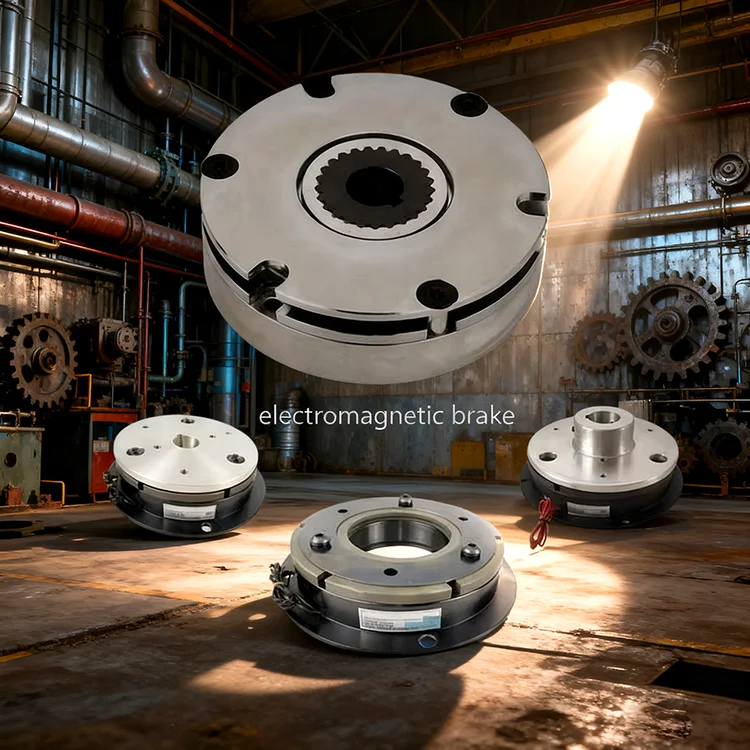
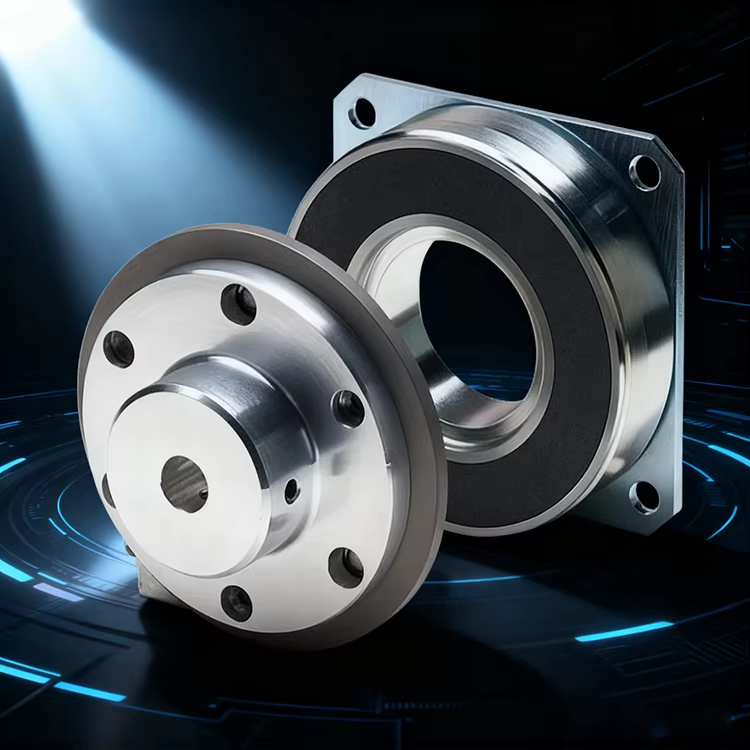
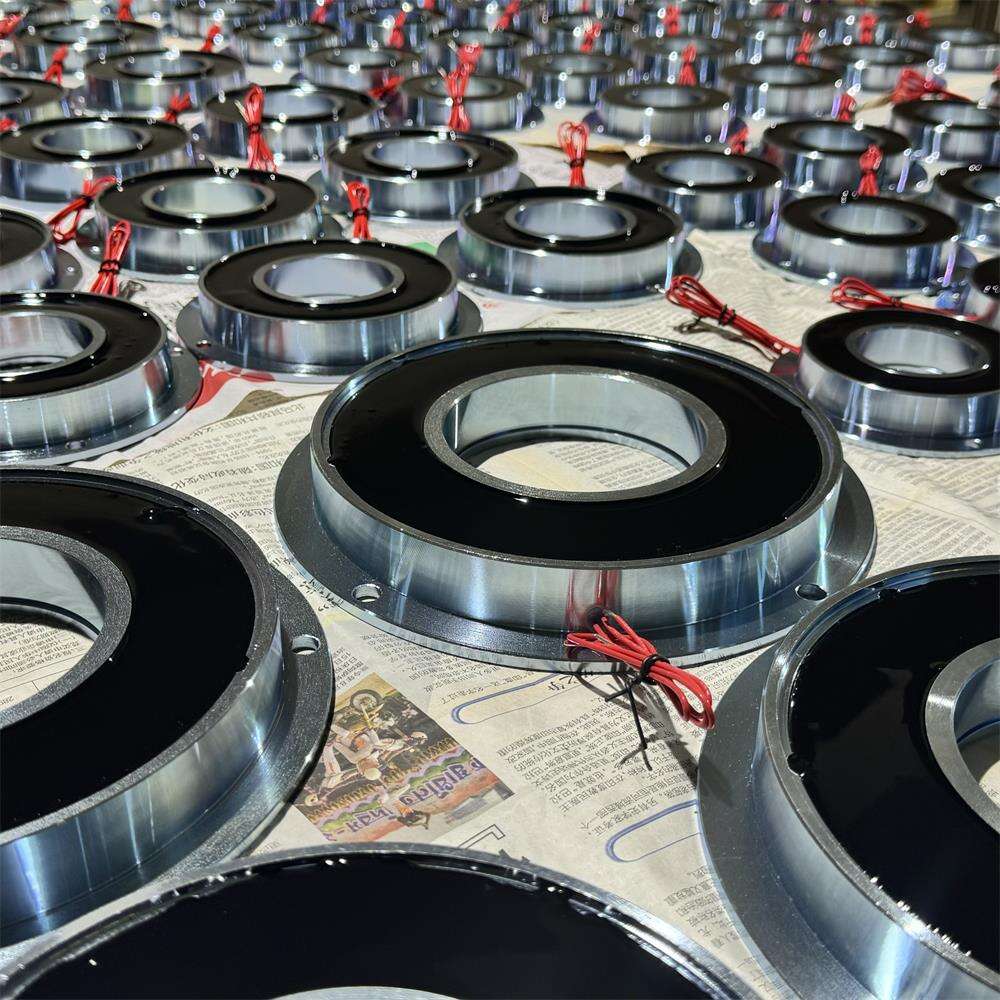
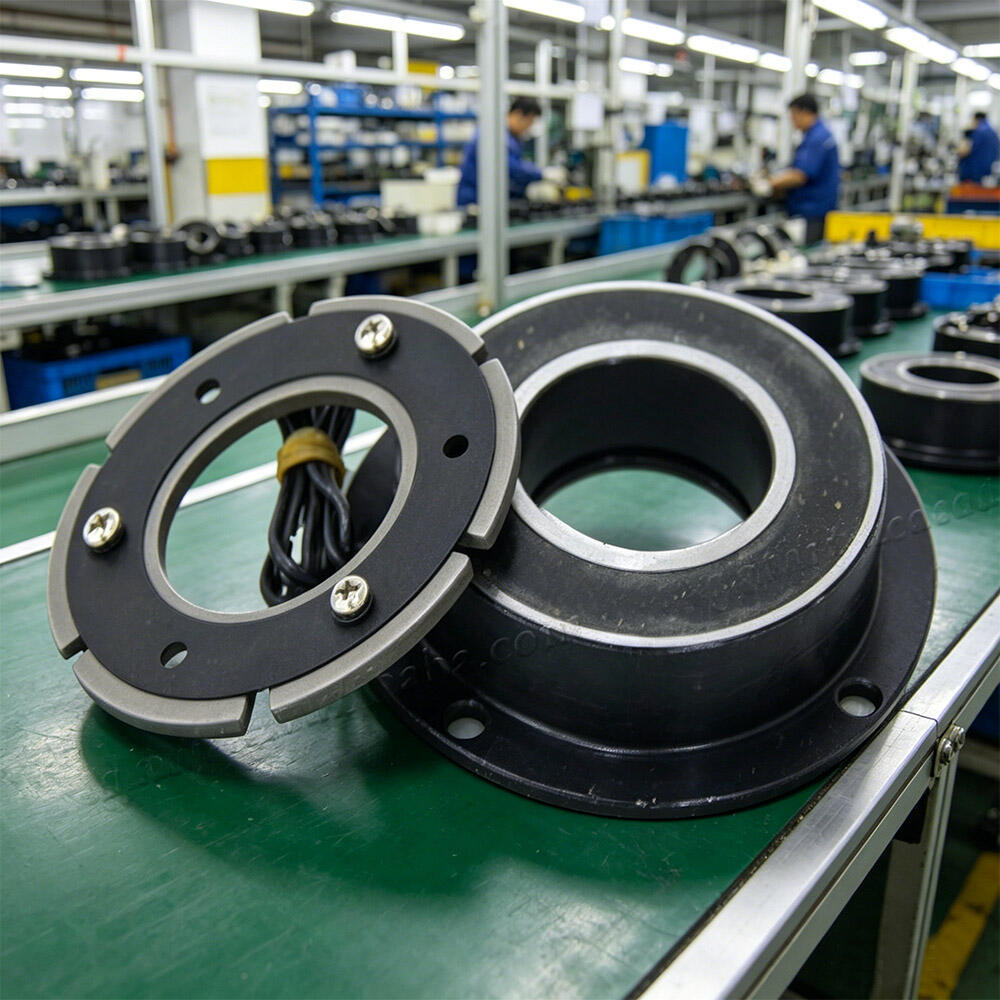
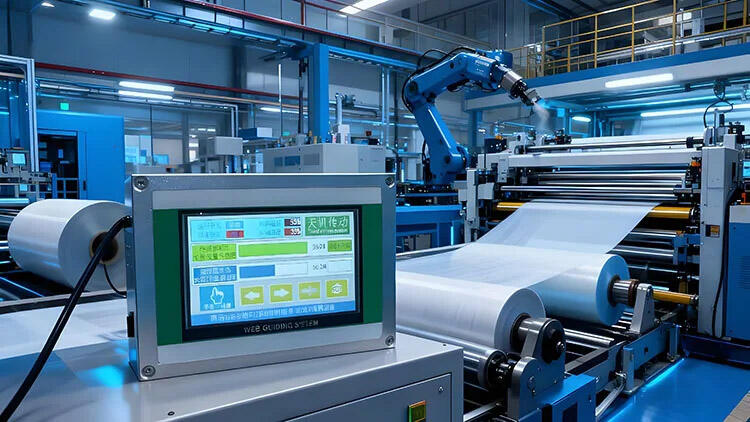
מנגנון הבקרה האלקטרומגנטי שבלב בלמי תוף מגנטיים מספק דיוק ואמינות שמערכות הבלימה המכניות פשוט אינן יכולות להתחרות בהן, ונותן למשתמשים שליטה מדויקת על תנועת הציוד בכל תנאי הפעלה. כאשר זרם חשמלי זורם דרך רכיב הסליל האלקטרומגנטי, נוצר שדה מגנטי חזק שמושך את הארמטורה בכוח עקבי וניתן לחיזוי, ללא תלות בטמפרטורת הסביבה, באחוזי הלחות או משתנים סביבתיים אחרים שפוגעים במערכות מכאניות טהורות. הפעלת הבלם באמצעות כוח אלקטרומגנטי זו מבטלת את הרווח, ההחלקה והסחיפה בהגדרות שמאפיינת מערכות בקרת בלמים המופעלות בכבלים או באמצעות ציריות, ומבטיחה שכל פקודה להפעלת הבלם תניב תוצאות זהות עם חוזק ייחודי. התאימות הדיגיטלית של בלמי התוף המגנטיים משנה את הדרך שבה מפעילים מתנהלים עם הציוד, ומאפשרת פעולת לחצן, הפעלה מרחוק ממרחבי הבקרה, שילוב עם חיישני תנועה ורצפי בלימה מתוכנתים שממפים את זרמי הייצור באופן אופטימלי, מבלי שיהיה צורך בנוכחות המפעיל בכל מיקום של מכונה. מערכות הבטיחות נהנות רבות מהיכולת הזו של בקרת חשמל, מאחר שבלמי התוף המגנטיים מגיבים מיידית לסגירת חירום, קלטים מחישנים קרובים ופריצות במעגלי בטיחות, ויוצרים שכבות הגנה מרובות שמניעות פציעות ופגיעות בציוד. הבקרה הפרופורציונלית האפשרית באמצעות טכניקות של מתח משתנה או מודולציה של רוחב הגל (PWM) מאפשרת פרופילים חלקים של תאוצה ובלימה ששמורים על מוצרים עדינים בעת הפעלתם, מפחיתים את המתח המכאני על רכיבי הפעלה ומאפשרים מיקום מדויק שלא ניתן להשיג באופן עקבי באמצעות בלימה ידנית. בניגוד לבלמים הידראוליים שדורשים תחזוקת משאבות וניהול נוזלים, או למערכות פנאומטיות התלויות בקיבולת המניע ובאיכות האוויר, בלמי התוף המגנטיים ניזונים ישירות מהספק החשמלי הסטנדרטי שכבר קיים במתקנים תעשייתיים, מה שמקל על ההתקנה ואילוץ כל קטגוריות המערכות המשניות. האופי העצמאי של הפעלת האלקטרומגנט מבטיח שהביצועים נשארים עקביים לאורך זמן שירות הבלם, ללא צורך בהתאמות מחזוריים כדי לפצות על התארכת כבלים, wearing של ציריות או דעיכה של חותמות הידראוליות שפוגעות בטכנולוגיות חלופיות. יכולות האבחון מייצגות ממד נוסף של בקרת דיוק, מאחר שמעקב אחר זרם הזרם במהלך הפעלת הבלם חושף מצבים של סחיפה, בריאות הסליל ובעיות מכניות לפני שיגרמו לתקלות, ומאפשר אסטרטגיות תחזוקה חיזויית שמתכננות את השירות בזמן עצירה מתוכנן, ולא כתגובה לתקלות לא צפויות. העיצוב האלקטרומגנטי גם מקל על שילוב של מספר בלמים, ומאפשר לאות בקרה יחיד להפעיל בו זמנית מספר בלמי תוף מגנטיים בסינכרון מושלם – דבר חיוני ליישומים כמו מניפלי תקרה, שבהם כוח בלימה מאוזן מונע תנודות עומס ולחץ מבנייני.

 EN
EN