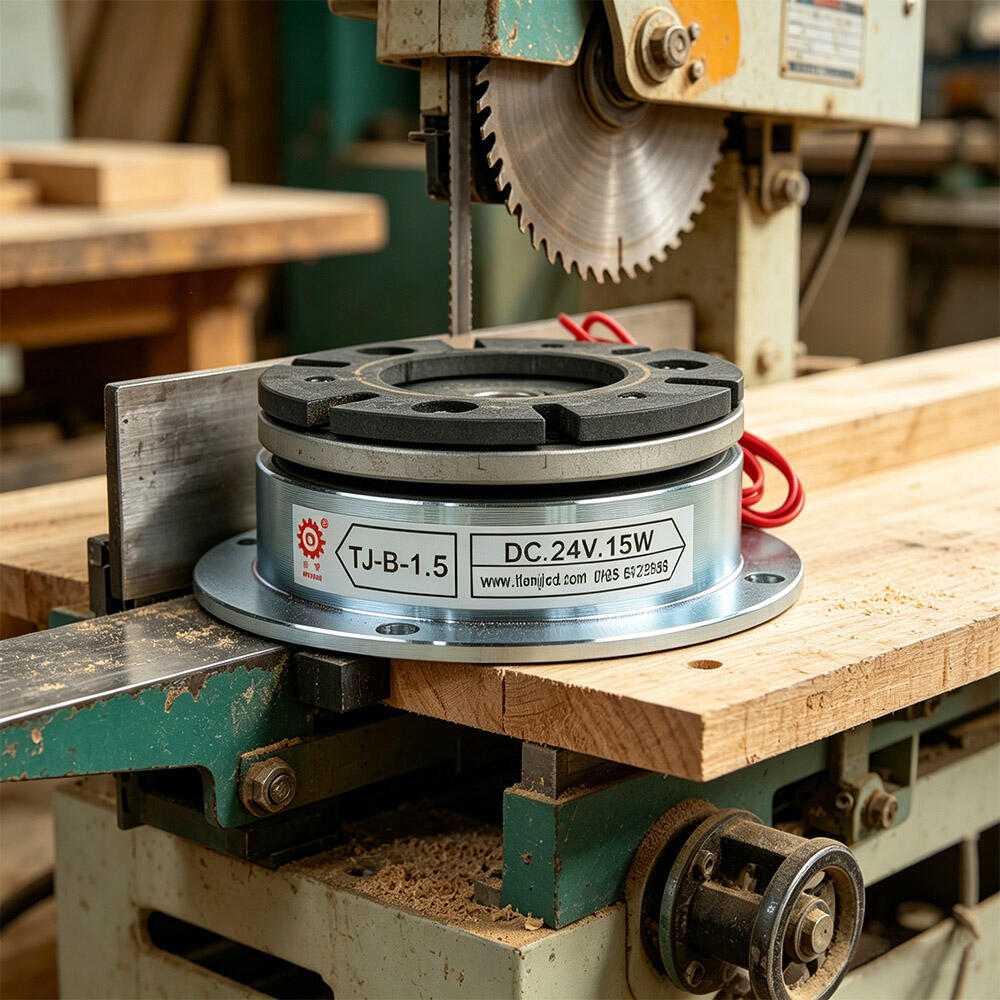
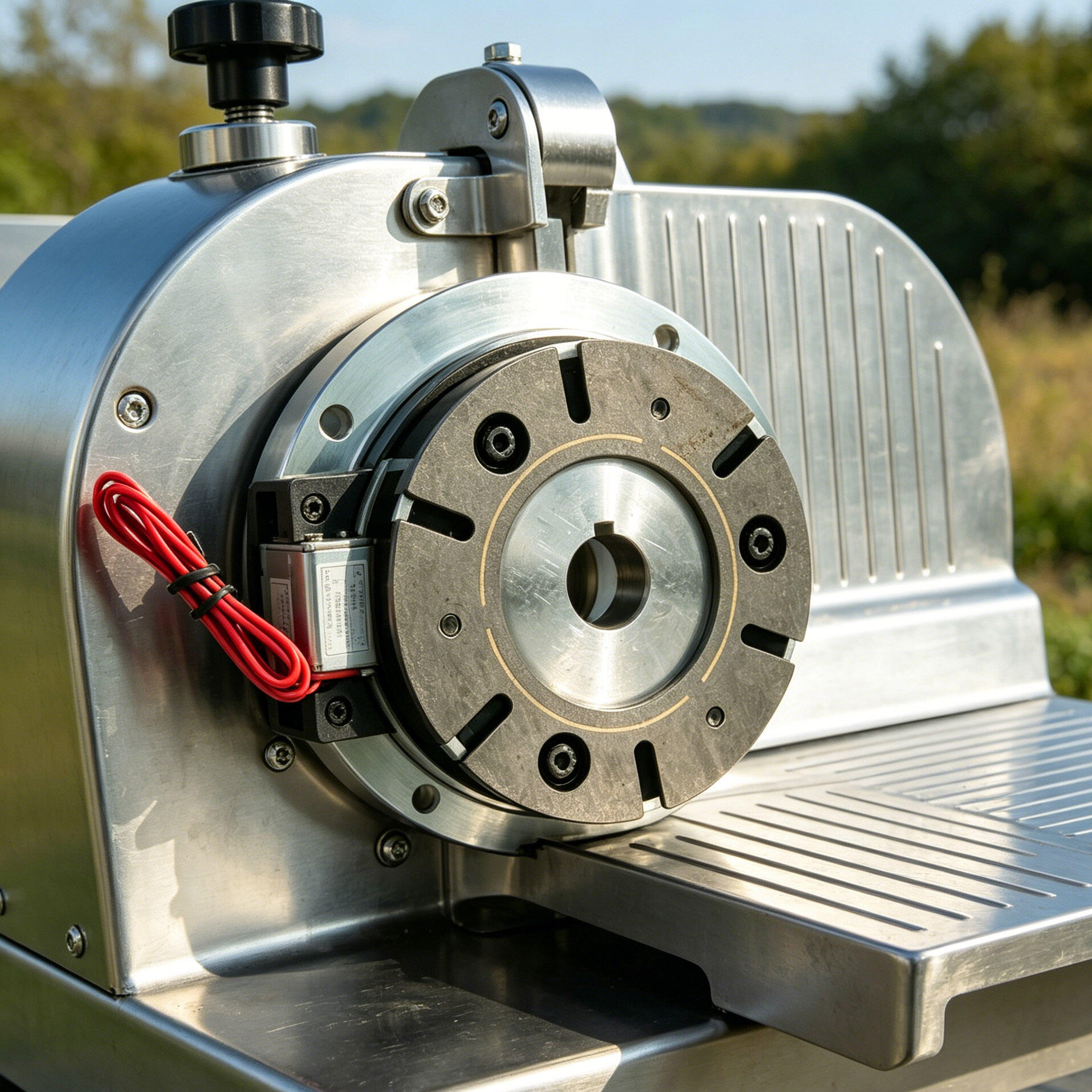
High-Performance Electromagnetic Brake Parts - Precision Braking Solutions for Industrial Applications

All Categories

electromagnetic brake parts

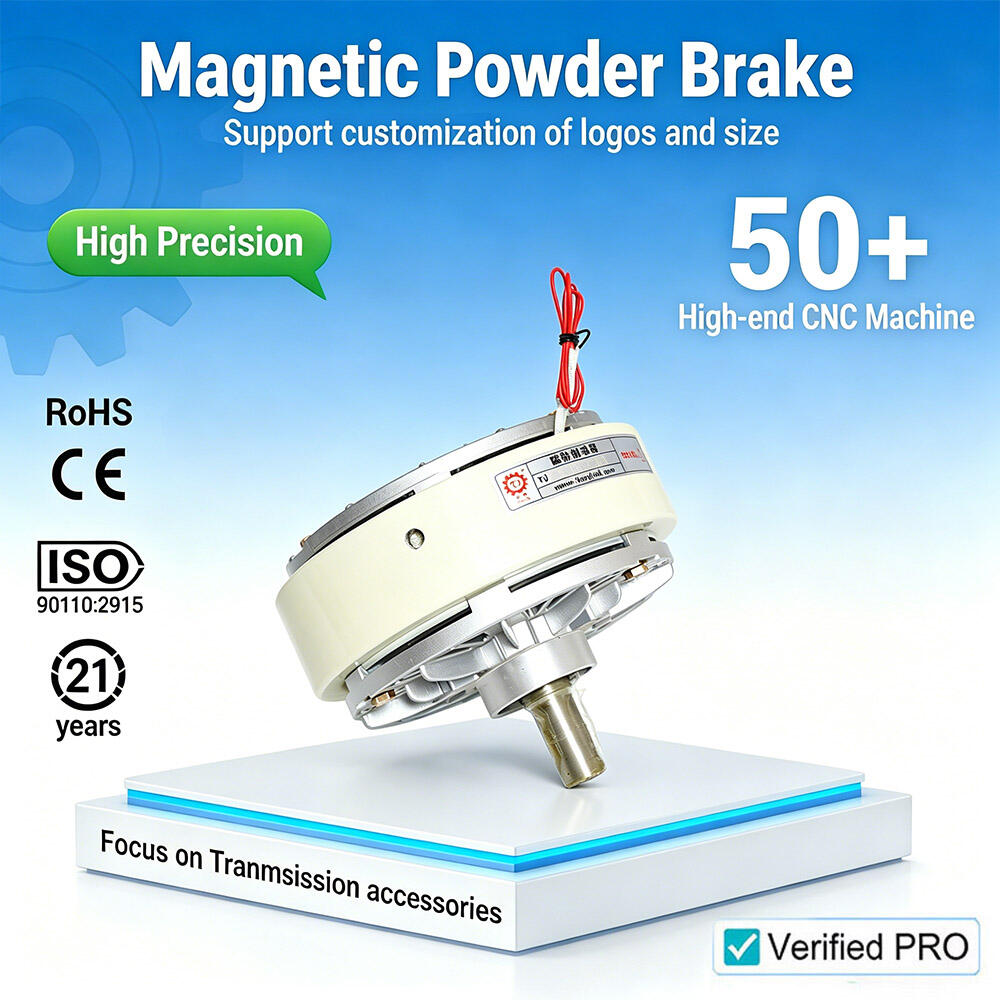
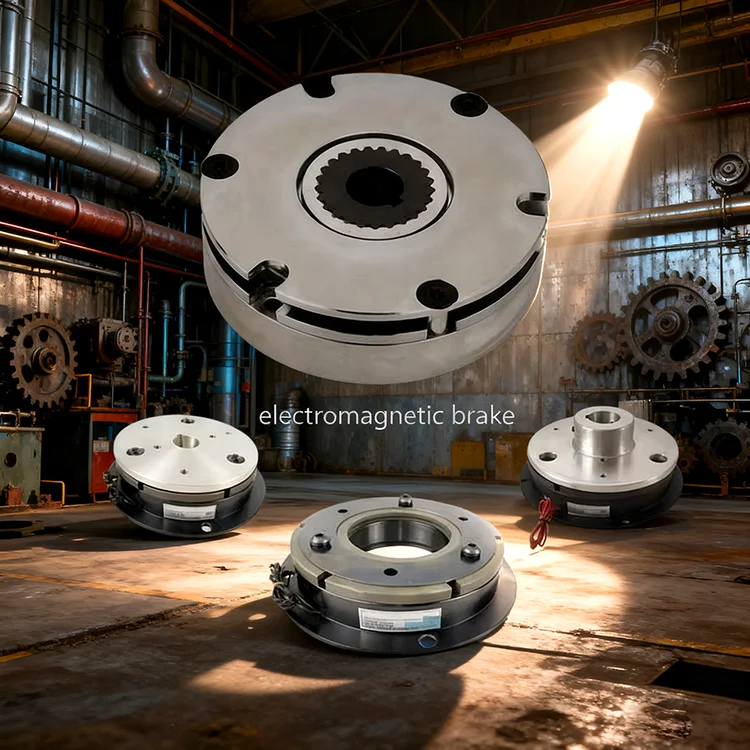
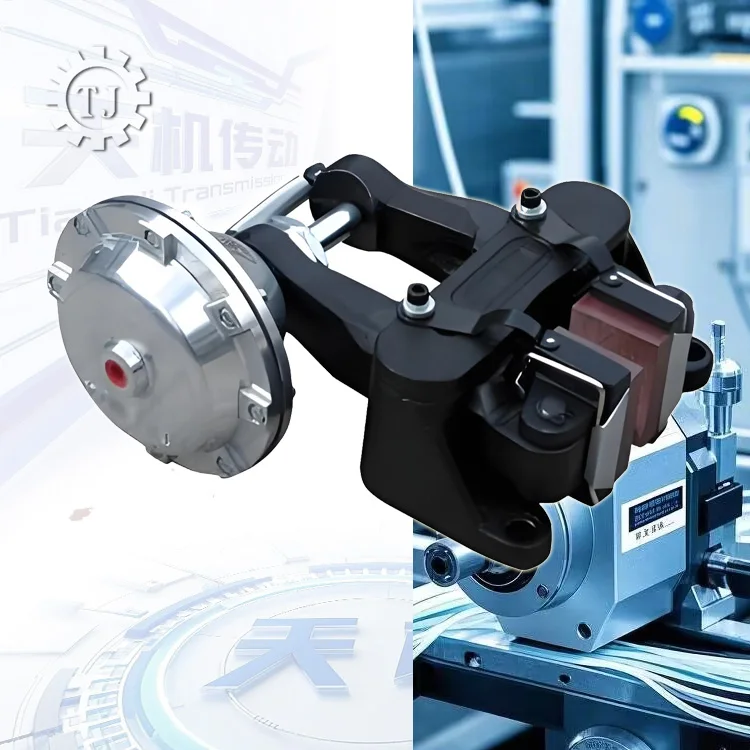
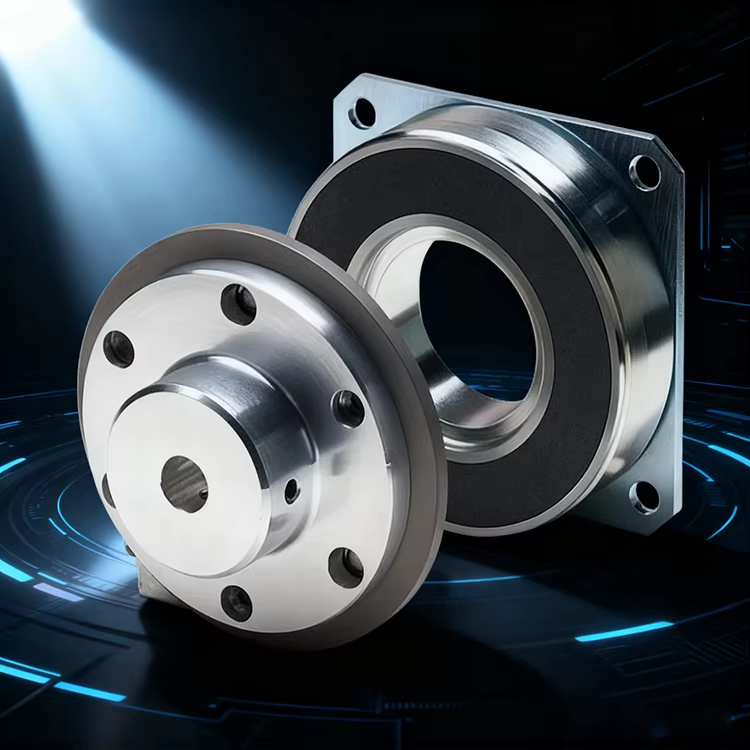
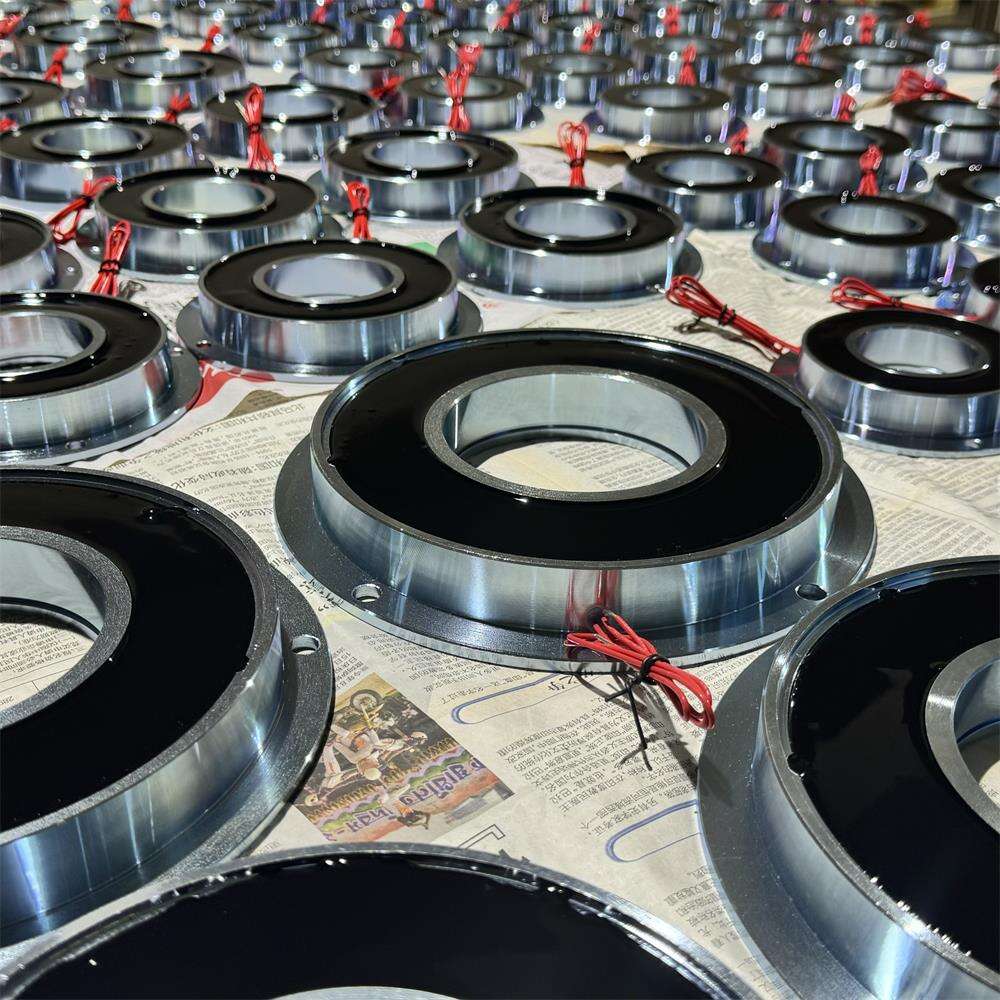
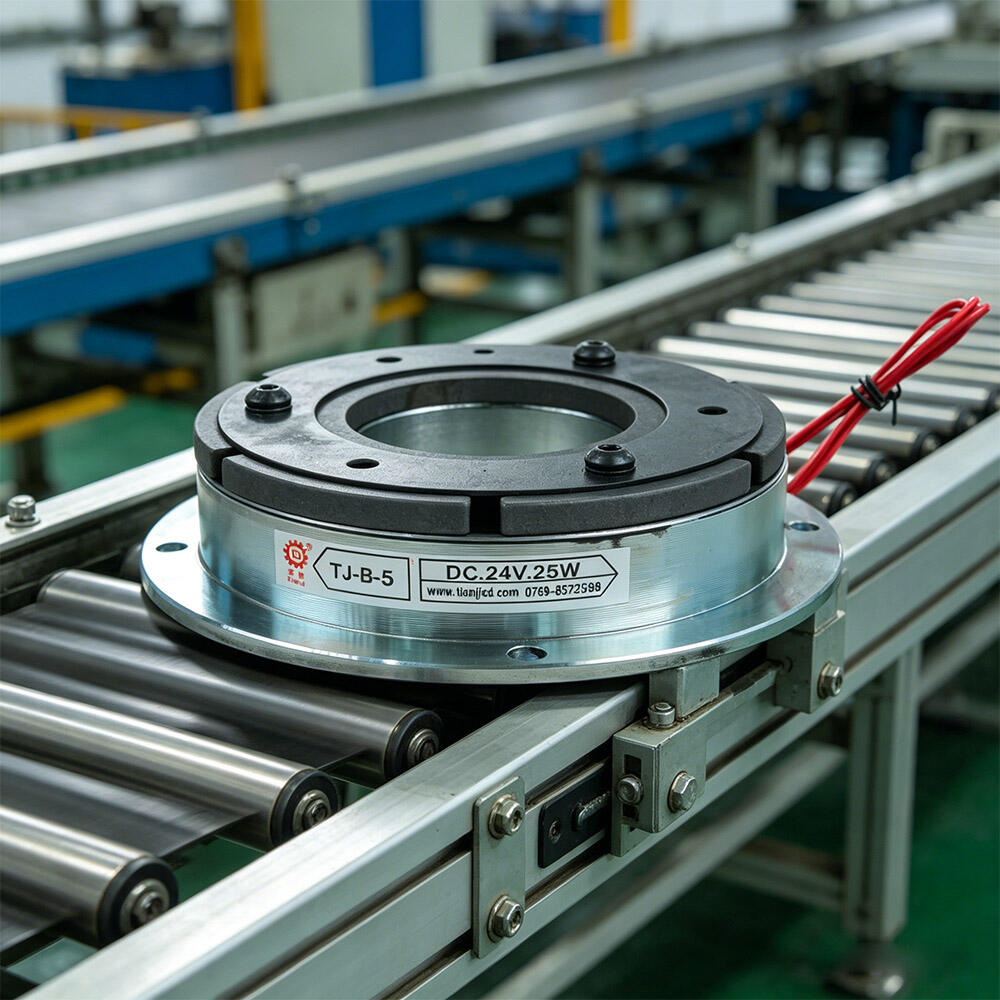
Electromagnetic brake parts represent a critical advancement in modern braking technology, offering precise control and reliable stopping power across diverse industrial and commercial applications. These sophisticated components utilize electromagnetic force to create friction and deceleration, converting electrical energy into mechanical braking action with exceptional efficiency. The fundamental principle involves an electromagnetic coil that, when energized, generates a magnetic field to engage the braking mechanism. When the power supply is disconnected, spring force or other mechanical means disengage the brake, allowing free rotation. This design ensures fail-safe operation in many configurations. The main functions of electromagnetic brake parts include providing controlled deceleration, maintaining stationary positions under load, enabling emergency stopping, and facilitating precise positioning in automated systems. Technological features distinguish these components from traditional mechanical brakes through their rapid response times, typically measured in milliseconds, which enables precise control in high-speed operations. The absence of hydraulic fluids eliminates maintenance concerns related to leakage and fluid degradation, while the electrical actuation allows for seamless integration with programmable logic controllers and automated control systems. Electromagnetic brake parts find extensive applications across numerous industries, including material handling equipment such as cranes, hoists, and conveyors where load holding and controlled lowering are essential. Manufacturing automation relies heavily on these components for robotic systems, CNC machinery, and assembly line equipment requiring exact positioning. The elevator and escalator industry depends on electromagnetic brake parts for passenger safety and smooth operation. Wind turbines utilize these braking systems for rotor control and emergency shutdown procedures. Medical equipment, printing machinery, packaging systems, and transportation vehicles all benefit from the precision and reliability that electromagnetic brake parts deliver in their respective operational contexts.

New Products

Choosing electromagnetic brake parts for your equipment delivers numerous practical benefits that directly impact operational efficiency and bottom-line performance. First and foremost, these components offer exceptional response speed that traditional braking systems simply cannot match. When your operations require split-second timing, electromagnetic brake parts activate within milliseconds, enabling precise control that prevents product damage and improves production quality. This instantaneous response translates to higher throughput in automated processes where every fraction of a second counts toward productivity. The maintenance advantages present significant cost savings over the equipment lifecycle. Unlike hydraulic or pneumatic brake systems that require regular fluid changes, seal replacements, and leak inspections, electromagnetic brake parts operate as sealed units with minimal service requirements. This reduction in maintenance frequency means less downtime, lower labor costs, and improved equipment availability. Your maintenance teams can focus on value-adding activities rather than routine brake servicing. Energy efficiency represents another compelling advantage, as electromagnetic brake parts consume power only during engagement or disengagement transitions. Many designs feature spring-applied configurations that hold braking force without continuous power consumption, dramatically reducing energy costs in applications requiring prolonged holding periods. This efficiency aligns with sustainability initiatives while lowering operational expenses. The integration capabilities of electromagnetic brake parts simplify system design and enhance functionality. Direct compatibility with modern control systems enables sophisticated features like adjustable braking torque, soft-start sequences, and programmable stopping profiles. Your engineers can implement complex motion control strategies without additional mechanical complexity, reducing component count and potential failure points. Consistent performance across varying conditions ensures reliable operation regardless of temperature fluctuations, humidity changes, or contamination exposure that would compromise other braking technologies. The sealed construction protects internal components from environmental factors, maintaining predictable braking characteristics throughout the service life. Operators experience improved safety through fail-safe designs that automatically engage brakes during power failures, protecting personnel and equipment from uncontrolled motion. This inherent safety feature often satisfies regulatory requirements without additional safety devices. The compact footprint of electromagnetic brake parts allows design flexibility, fitting into space-constrained applications where traditional braking systems prove impractical. Designers appreciate the installation simplicity and standardized mounting configurations that accelerate project timelines and reduce engineering costs.

Latest News

Transmission Pain Points in Printing/Textile/Chemical Machinery: How Electromagnetic Clutches Improve Equipment Stability?

08

Dec

Transmission Pain Points in Printing/Textile/Chemical Machinery: How Electromagnetic Clutches Improve Equipment Stability?

Struggling with transmission instability in printing, textile, or chemical machinery? TJ-A electromagnetic clutches eliminate slip, boost throughput 15–20%, and ensure asbestos-free safety. Discover how top global manufacturers achieve 99.8% reliability—request a spec sheet today.
View More
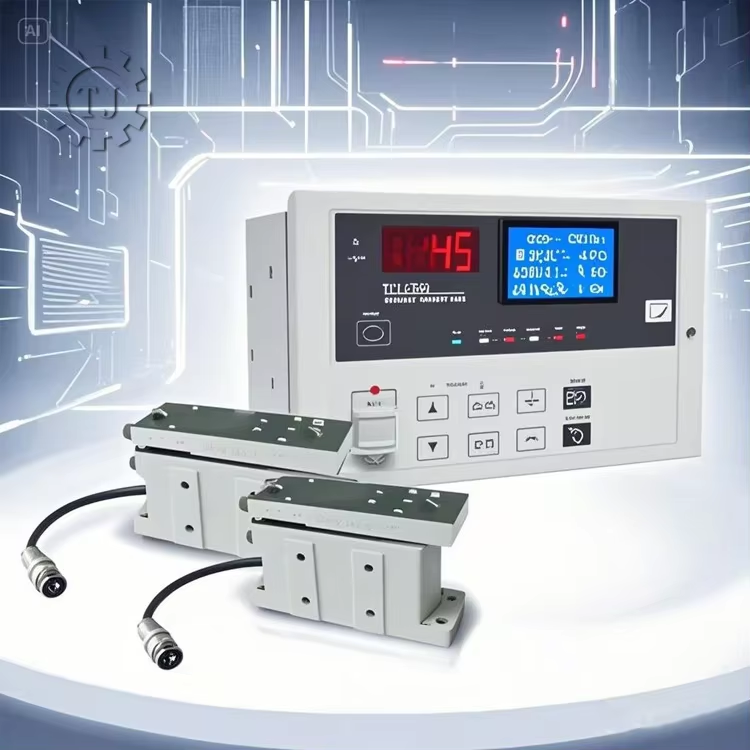
High-Quality Web Guide Control Systems From a Leading Domestic Manufacturer With 20 Years of Expertise

08

Dec

High-Quality Web Guide Control Systems From a Leading Domestic Manufacturer With 20 Years of Expertise

Discover high-precision web guide control systems from a trusted domestic manufacturer with 20 years of R&D expertise. Reduce waste, boost efficiency, and ensure reliability. Request a quote today.
View More
The Pain of Non-Standard Transmission in Special Working Conditions

09

Apr

The Pain of Non-Standard Transmission in Special Working Conditions

Struggling with standard transmission failures in extreme temps, dust, or tight spaces? TianJi’s 20-year R&D delivers reliable custom clutches & brakes—engineered for your exact specs. Get a free technical consultation today.
View More

Get Your Custom Quote

Tell us your requirements and get a tailored solution for your project.
Name
Mobile
Email
Please include
Message
0/1000

electromagnetic brake parts

Precision Control for Enhanced Operational Accuracy

Precision Control for Enhanced Operational Accuracy

The precision control capabilities of electromagnetic brake parts revolutionize how industries approach motion management and positioning accuracy. Unlike mechanical braking systems that rely on gradual friction buildup, electromagnetic brake parts deliver instantaneous and repeatable braking force that can be precisely calibrated to match specific application requirements. This precision stems from the direct relationship between electrical input and magnetic force generation, creating a linear and predictable braking response. In manufacturing environments where product quality depends on exact positioning, such as robotic assembly lines or CNC machining centers, electromagnetic brake parts ensure components stop at precisely the intended location every single cycle. This repeatability eliminates the position drift common with worn mechanical brakes, maintaining tight tolerances throughout extended production runs. The ability to modulate braking force through electrical control opens possibilities for sophisticated motion profiles that enhance process quality. Gradual deceleration prevents shock loads that could damage delicate products or sensitive equipment, while programmable braking curves optimize cycle times without compromising safety. Industries processing fragile materials particularly benefit from this controlled stopping capability, as sudden stops often result in product breakage or deformation. Packaging operations utilize this precision to synchronize multiple motion axes, ensuring consistent sealing, cutting, and forming operations that meet quality standards. The medical device manufacturing sector relies on electromagnetic brake parts to maintain sterile conditions through sealed designs while achieving the positioning accuracy required for surgical instrument production and diagnostic equipment assembly. Printing and converting industries depend on precise registration control that electromagnetic brake parts provide, enabling high-quality output at maximum production speeds. The elimination of mechanical linkages and hydraulic circuits reduces compliance in the braking system, translating electrical signals directly into braking action without the lag or variability inherent in other technologies. This direct actuation enables closed-loop control strategies where feedback sensors continuously monitor position and velocity, allowing the control system to make real-time adjustments that compensate for load variations, temperature effects, or wear progression. Your operations gain the flexibility to implement adaptive control algorithms that optimize performance as conditions change, maintaining consistent output quality without manual intervention.
Extended Service Life with Minimal Maintenance Requirements

Extended Service Life with Minimal Maintenance Requirements

The operational longevity and minimal maintenance demands of electromagnetic brake parts deliver substantial economic advantages throughout equipment lifecycles. Traditional friction brakes experience continuous wear during every braking cycle, gradually degrading performance until replacement becomes necessary. Electromagnetic brake parts employ advanced materials and engineering designs that significantly extend wear life while maintaining consistent braking characteristics. The friction surfaces utilize specialized compounds engineered for electromagnetic brake applications, offering superior resistance to thermal degradation and mechanical wear compared to conventional brake materials. These materials maintain stable friction coefficients across wide temperature ranges, ensuring predictable braking performance from initial installation through years of service. The sealed construction protects critical components from environmental contamination that accelerates wear in exposed braking systems. Dust, moisture, and chemical exposure cannot penetrate the protective housing, preserving the integrity of electromagnetic coils, friction surfaces, and mechanical components. Industries operating in harsh environments particularly appreciate this protection, as equipment continues performing reliably despite conditions that would rapidly degrade alternative braking technologies. Reduced component count compared to complex mechanical or hydraulic brake assemblies means fewer parts subject to wear or failure, directly improving system reliability. The absence of hydraulic seals, fluid reservoirs, and pneumatic cylinders eliminates entire categories of potential failure modes, simplifying troubleshooting and reducing spare parts inventory requirements. When maintenance does become necessary, the modular design of many electromagnetic brake parts facilitates quick replacement with minimal disassembly. Technicians can often exchange complete brake units in minutes rather than hours, minimizing production interruptions and reducing labor costs. Predictable wear patterns enable condition-based maintenance strategies where monitoring systems track actual component condition rather than relying on conservative time-based replacement schedules. This approach maximizes component utilization while preventing unexpected failures through timely intervention before critical wear limits are reached. The consistent performance characteristics throughout the service life mean that process parameters established during commissioning remain valid for extended periods, eliminating the need for frequent readjustments that consume engineering time and risk quality variations. Documentation and training requirements decrease as maintenance personnel work with standardized electromagnetic brake parts across multiple equipment types, building expertise that translates to faster troubleshooting and more effective preventive maintenance programs.
Versatile Integration Across Diverse Industrial Applications

Versatile Integration Across Diverse Industrial Applications

The remarkable versatility of electromagnetic brake parts enables successful implementation across an extraordinarily wide spectrum of industrial applications, from compact medical devices to massive mining equipment. This adaptability stems from the fundamental scalability of electromagnetic principles, allowing manufacturers to design brake components ranging from miniature units providing precise holding torque for instrument positioning to massive industrial brakes controlling multi-ton loads. The electrical actuation inherently supports integration with modern automation architectures, accepting control signals from programmable logic controllers, motion controllers, and industrial networks without requiring signal conversion or interface modules. This native compatibility accelerates system design and commissioning while enabling sophisticated control strategies that leverage the full capabilities of contemporary automation platforms. Material handling operations represent one of the most demanding applications for electromagnetic brake parts, where cranes, hoists, and conveyors operate continuously under varying loads and environmental conditions. The fail-safe designs automatically engage brakes during power interruptions, preventing load drops that could cause injuries or equipment damage. Variable braking torque accommodates different load weights, optimizing stopping distances and reducing mechanical stress on structural components. Conveyor systems benefit from distributed braking where multiple electromagnetic brake parts provide zone control, enabling selective stopping and accumulation that improves material flow efficiency. The entertainment industry relies on electromagnetic brake parts for stage machinery, camera positioning systems, and motion simulators where silent operation and precise control create immersive experiences. The minimal acoustic signature compared to mechanical or pneumatic brakes preserves audio quality in performance venues and recording studios. Renewable energy applications showcase the capability of electromagnetic brake parts to function reliably in extreme conditions. Wind turbines incorporate these components for blade pitch control and rotor braking, operating through temperature extremes, vibration, and corrosive offshore atmospheres while maintaining safety-critical functions. Solar tracking systems utilize electromagnetic brake parts to maintain panel orientation during high winds, protecting equipment investments while maximizing energy capture during normal operations. Transportation applications range from rail vehicles to airport ground support equipment, where consistent braking performance ensures passenger safety and operational reliability. The ability to customize electromagnetic brake parts for specific voltage requirements, mounting configurations, and environmental specifications means that system designers can optimize component selection for each unique application rather than compromising performance to accommodate standardized mechanical alternatives. This customization extends to specialized coatings, seal materials, and mounting hardware that address industry-specific requirements such as food-grade compliance for processing equipment or explosion-proof certifications for hazardous locations.
email goToTop