Wheel Disc Brake Systems: Advanced Technology for Superior Vehicle Safety and Performance

All Categories

wheel disc brake

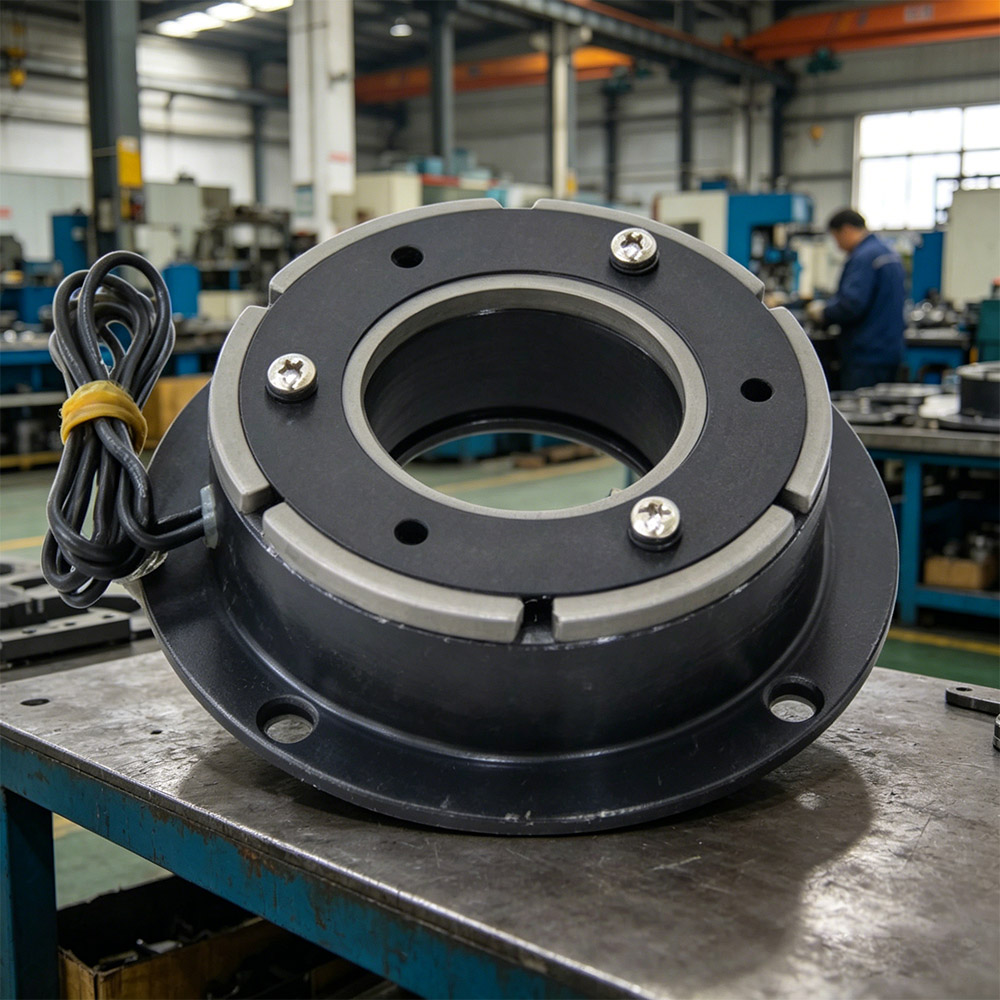
The wheel disc brake represents a fundamental advancement in automotive braking technology, serving as a critical safety component in modern vehicles. This braking system operates through a sophisticated mechanism where brake pads clamp onto a rotating disc, also known as a rotor, which is attached directly to the wheel hub. When drivers apply pressure to the brake pedal, hydraulic fluid transfers this force to the brake calipers, which then squeeze the brake pads against the disc surface, creating friction that converts kinetic energy into thermal energy, ultimately slowing or stopping the vehicle. The wheel disc brake has become the preferred choice for manufacturers and consumers alike due to its superior performance characteristics and reliability. The main functions of the wheel disc brake extend beyond simple vehicle deceleration. It provides consistent stopping power across various driving conditions, maintains performance during repeated braking applications, and offers predictable pedal feel that drivers can rely upon in emergency situations. The technological features of modern wheel disc brake systems include ventilated rotor designs that enhance heat dissipation, advanced friction materials in brake pads that optimize stopping distances, and precision-engineered calipers that ensure even pressure distribution. Many contemporary wheel disc brake assemblies incorporate corrosion-resistant coatings and materials that extend component lifespan while maintaining aesthetic appeal. Applications for wheel disc brake technology span the entire automotive spectrum, from compact passenger cars to heavy-duty commercial vehicles, performance sports cars, and electric vehicles. The versatility of this braking solution makes it adaptable to different vehicle weights, speeds, and usage patterns, ensuring optimal safety and control regardless of the application environment.

New Product Releases

The wheel disc brake delivers remarkable stopping power that significantly enhances vehicle safety during everyday driving and emergency situations. When you press the brake pedal, the system responds immediately, providing quick deceleration that can prevent accidents and give you confidence behind the wheel. This responsive nature means you maintain better control over your vehicle in unpredictable traffic conditions, wet weather, or when navigating steep descents. The design allows for consistent performance even after multiple braking events, unlike older braking technologies that tend to fade when heated repeatedly. Heat management stands as one of the most practical benefits of the wheel disc brake system. The exposed rotor design allows air to flow freely around the braking surface, carrying away heat generated during friction. This natural cooling process prevents performance degradation that could compromise your safety. During long downhill drives or repeated stop-and-go traffic, your brakes maintain their effectiveness without experiencing the reduced stopping power that plagues less efficient systems. This thermal stability translates directly into peace of mind, knowing your brakes will perform when you need them most. Maintenance simplicity represents another tangible advantage for vehicle owners. The wheel disc brake design positions components in accessible locations, making inspections straightforward and reducing service time. You can visually check brake pad thickness without disassembling major parts, allowing early detection of wear before it becomes problematic. Replacement procedures require fewer specialized tools and less technical expertise compared to alternative systems, which often translates into lower labor costs during service appointments. The modular nature of disc brake components means individual parts can be replaced without affecting the entire assembly, providing cost-effective maintenance options. Weather resistance gives the wheel disc brake a distinct edge in reliability across different climates. Water and debris naturally shed from the rotor surface due to centrifugal force during wheel rotation, preventing contamination that could reduce braking efficiency. In rainy conditions, the first brake application clears moisture from the disc surface, ensuring subsequent stops deliver full performance. This self-cleaning characteristic eliminates concerns about reduced braking effectiveness in adverse weather, a common limitation of enclosed braking systems. The wheel disc brake also contributes to improved vehicle handling through reduced unsprung weight and balanced braking distribution, allowing for better steering response and stability during cornering while braking simultaneously.

Tips And Tricks

Transmission Pain Points in Printing/Textile/Chemical Machinery: How Electromagnetic Clutches Improve Equipment Stability?

08

Dec

Transmission Pain Points in Printing/Textile/Chemical Machinery: How Electromagnetic Clutches Improve Equipment Stability?

Struggling with transmission instability in printing, textile, or chemical machinery? TJ-A electromagnetic clutches eliminate slip, boost throughput 15–20%, and ensure asbestos-free safety. Discover how top global manufacturers achieve 99.8% reliability—request a spec sheet today.
View More
High-Quality Web Guide Control Systems From a Leading Domestic Manufacturer With 20 Years of Expertise

08

Dec

High-Quality Web Guide Control Systems From a Leading Domestic Manufacturer With 20 Years of Expertise

Discover high-precision web guide control systems from a trusted domestic manufacturer with 20 years of R&D expertise. Reduce waste, boost efficiency, and ensure reliability. Request a quote today.
View More
The Pain of Non-Standard Transmission in Special Working Conditions

09

Apr

The Pain of Non-Standard Transmission in Special Working Conditions

Struggling with standard transmission failures in extreme temps, dust, or tight spaces? TianJi’s 20-year R&D delivers reliable custom clutches & brakes—engineered for your exact specs. Get a free technical consultation today.
View More

Get Your Custom Quote

Tell us your requirements and get a tailored solution for your project.
Name
Mobile
Email
Please include
Message
0/1000

wheel disc brake

Superior Heat Dissipation Technology for Consistent Performance

Superior Heat Dissipation Technology for Consistent Performance

The wheel disc brake incorporates advanced thermal management engineering that fundamentally transforms how your vehicle handles repeated braking demands. At the core of this capability lies the exposed rotor design, which maximizes surface area contact with ambient air, creating natural convection currents that continuously remove heat from the braking system. This architectural advantage becomes particularly valuable during demanding driving scenarios such as mountain descents, towing heavy loads, or spirited driving on winding roads where brakes face continuous thermal stress. Unlike enclosed braking mechanisms that trap heat within their housing, the wheel disc brake operates in an open environment where cooling occurs naturally and efficiently. Many modern implementations feature ventilated rotor designs with internal vanes that pump air through the disc when it rotates, functioning as a centrifugal fan that accelerates heat removal beyond passive cooling alone. This active thermal management prevents the critical temperature thresholds where brake fade occurs, ensuring that your tenth brake application delivers identical stopping power to your first. The practical implications for drivers are substantial and measurable. During emergency braking situations that require maximum deceleration, the wheel disc brake maintains consistent friction coefficients even as temperatures rise rapidly, providing predictable pedal feel and stopping distances that could mean the difference between a near miss and a collision. For commercial applications such as delivery vehicles or taxis that experience constant stop-and-go driving, the superior heat dissipation extends component lifespan by preventing thermal damage to rotors and pads, reducing replacement frequency and lowering total ownership costs. Performance enthusiasts benefit from sustained braking power during track sessions or aggressive canyon driving, where thermal capacity directly limits how hard they can push their vehicles. The engineering refinements in contemporary wheel disc brake systems include specialized rotor materials with enhanced thermal conductivity, ceramic matrix brake pads that maintain friction properties across wider temperature ranges, and thermal barrier coatings that protect surrounding components from heat radiation, creating a comprehensive thermal management ecosystem that prioritizes both performance and longevity.
Simplified Maintenance Access Reducing Ownership Costs

Simplified Maintenance Access Reducing Ownership Costs

The wheel disc brake architecture provides exceptional accessibility that streamlines maintenance procedures and empowers vehicle owners with transparency regarding their braking system condition. This design philosophy places critical wear components in positions where visual inspection requires minimal disassembly, typically visible through wheel spoke openings or after removing just the wheel itself. This accessibility transforms brake maintenance from a mysterious black-box service item into an understandable system that owners can monitor between professional service intervals. The practical advantage manifests in multiple ways throughout the ownership experience. During routine tire rotations or seasonal wheel changes, quick visual assessments of brake pad thickness, rotor condition, and caliper integrity become standard practice, enabling early detection of wear patterns before they compromise safety or damage additional components. This proactive monitoring capability prevents scenarios where worn brake pads damage rotors, transforming what would have been a pad replacement into a more expensive rotor and pad combination service. The modular component design of the wheel disc brake system means that individual elements can be serviced independently without disturbing unrelated parts, reducing labor complexity and associated costs. When brake pads reach their service life, replacement procedures involve straightforward steps that competent home mechanics can accomplish with basic tools, eliminating dependency on specialized equipment or proprietary service procedures. This serviceability extends to rotor replacement, caliper rebuilds, and hydraulic component servicing, where standardized mounting interfaces and connection methods create consistency across different vehicle applications. Professional service facilities benefit equally from this accessible architecture, as reduced disassembly time translates directly into lower labor charges passed on to customers, making quality brake service more affordable and encouraging proper maintenance intervals. The transparent nature of the wheel disc brake system also facilitates accurate service quotations, as technicians can quickly assess actual component condition rather than estimating based on mileage alone, preventing unnecessary part replacements and building trust between service providers and customers. Educational aspects should not be overlooked, as the visible operation of the wheel disc brake helps drivers understand the relationship between component condition and vehicle safety, fostering informed decision-making about maintenance timing and part quality selection that ultimately enhances road safety for everyone.
All-Weather Reliability Through Self-Cleaning Operation

All-Weather Reliability Through Self-Cleaning Operation

The wheel disc brake demonstrates exceptional performance consistency across diverse environmental conditions through its inherent self-cleaning mechanism that automatically removes contaminants from braking surfaces during normal operation. This capability stems from the exposed rotor configuration combined with rotational dynamics that create natural purging forces, distinguishing this braking technology from alternatives that accumulate debris and moisture in enclosed spaces. When your vehicle encounters rain, snow, mud, or road salt, these contaminants inevitably contact the brake rotor surface, but the wheel disc brake design prevents accumulation that could compromise stopping power. The centrifugal forces generated during wheel rotation actively fling water droplets and loose particles away from the friction surface before they can interfere with brake pad contact. This continuous cleaning action operates passively without requiring driver intervention or auxiliary systems, functioning automatically whether you are commuting through urban streets or navigating unpaved rural roads. The first brake application after exposure to wet conditions typically clears any remaining surface moisture through the wiping action of the brake pads against the rotor, restoring full friction coefficient within the first revolution of disc rotation. This rapid moisture evacuation characteristic provides drivers with confidence that their brakes will respond predictably even immediately after driving through standing water or during the first stop on a rainy morning. For regions experiencing harsh winters where road salt application is standard practice, the wheel disc brake offers substantial durability advantages because the open architecture prevents salt accumulation in crevices where it would accelerate corrosion in enclosed systems. While surface rust may develop on rotors during extended stationary periods, the abrasive action during the first few brake applications removes this superficial oxidation, restoring clean metal-to-friction-material contact without permanent performance degradation. The practical implications extend to vehicle reliability and maintenance cost reduction, as the self-cleaning characteristic minimizes contamination-related service issues that plague braking systems without this inherent advantage. Off-road enthusiasts and vehicles operating in agricultural or construction environments particularly benefit from this contamination resistance, as mud, dust, and debris that would disable less robust braking systems are continuously expelled from the wheel disc brake assembly, maintaining operational readiness regardless of environmental challenges. This environmental adaptability ensures that the wheel disc brake delivers consistent, dependable stopping power across the full spectrum of operating conditions that vehicles encounter throughout their service lives, from desert heat to arctic cold, from pristine highways to muddy trails, providing the reliability that modern drivers rightfully expect from safety-critical vehicle systems.
email goToTop