pad disc brake
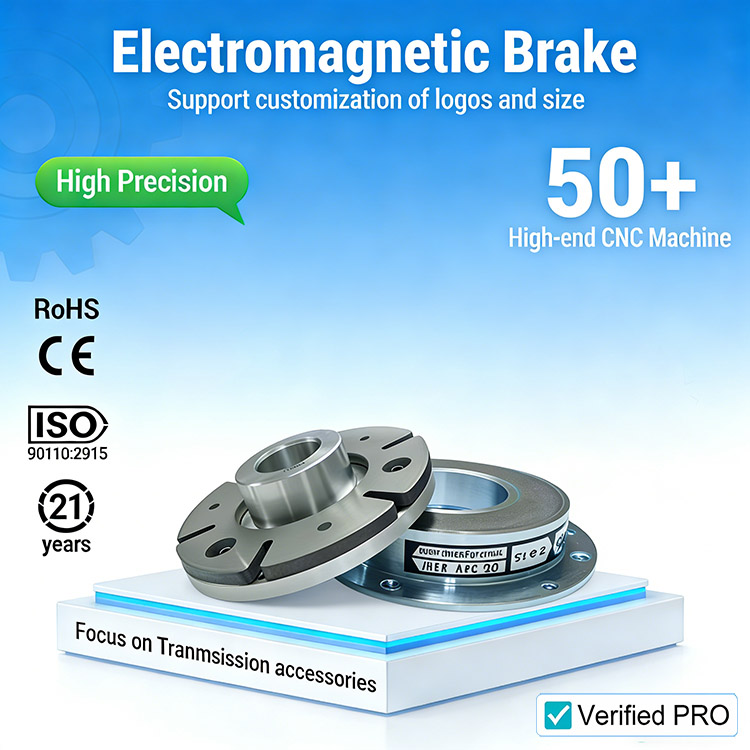
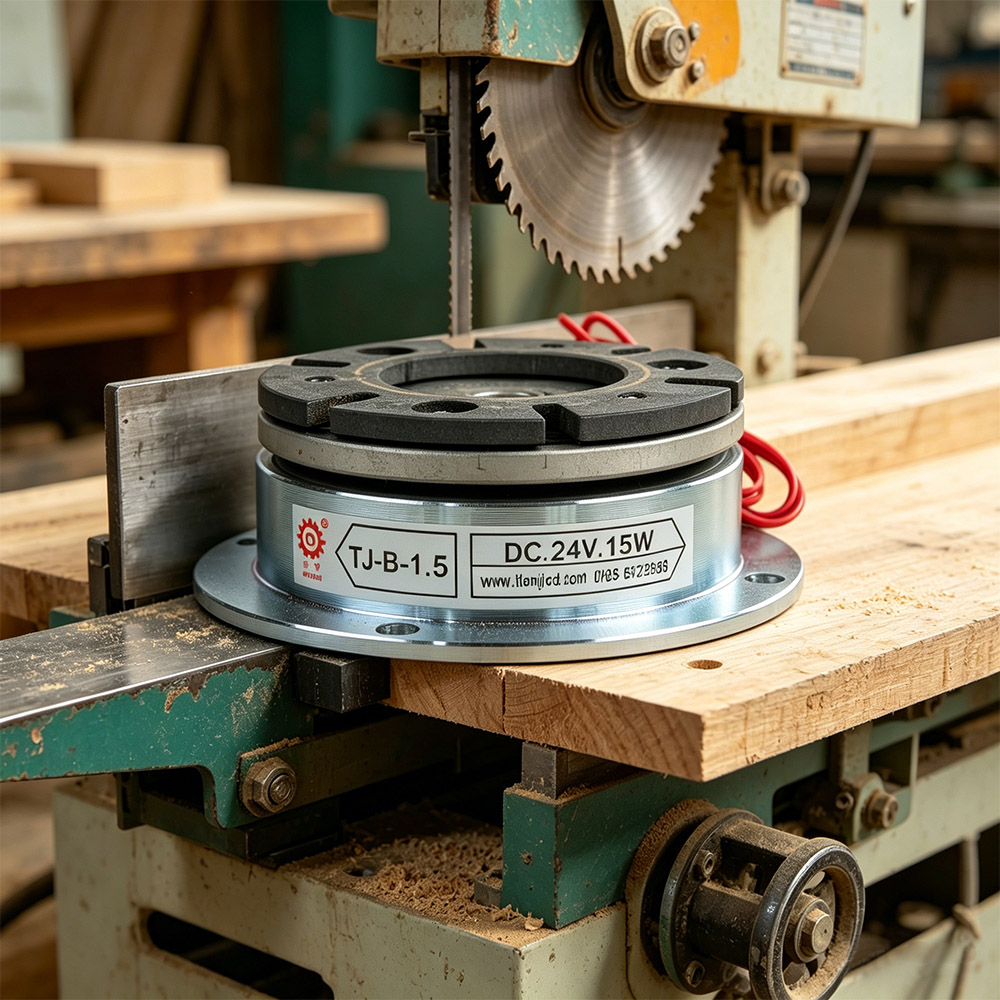
The pad disc brake represents a crucial component in modern braking systems, serving as the primary mechanism for converting kinetic energy into thermal energy to slow down or stop vehicles and machinery. This essential safety device operates through a sophisticated yet reliable design that has become the standard in automotive, industrial, and transportation applications worldwide. The pad disc brake consists of several key components working in harmony: brake pads, disc rotors, calipers, and hydraulic or mechanical actuating systems. When the operator engages the braking system, hydraulic pressure forces the brake pads against the rotating disc, creating friction that effectively reduces speed. The main functions of the pad disc brake extend beyond simple deceleration. It provides consistent stopping power across various operating conditions, maintains vehicle stability during emergency braking, and offers precise control for smooth deceleration in everyday driving situations. The technological features of modern pad disc brake systems incorporate advanced materials science and engineering principles. Contemporary brake pads utilize composite materials that balance friction coefficients, heat dissipation, and wear resistance. The disc rotors feature ventilated designs that channel air through internal passages, enhancing cooling efficiency and preventing brake fade during intensive use. Applications for pad disc brake technology span numerous sectors including passenger vehicles, commercial trucks, motorcycles, industrial machinery, railway systems, and performance racing equipment. The versatility of this braking solution makes it adaptable to different weight classes, speed requirements, and environmental conditions. From compact city cars to heavy-duty construction equipment, the pad disc brake delivers reliable performance. The system's design allows for easy inspection and maintenance, contributing to lower ownership costs and enhanced safety compliance across industries.

 EN
EN