Premium Brakes and Discs: Advanced Safety Technology for Superior Stopping Power and Reliability

All Categories

brakes and discs

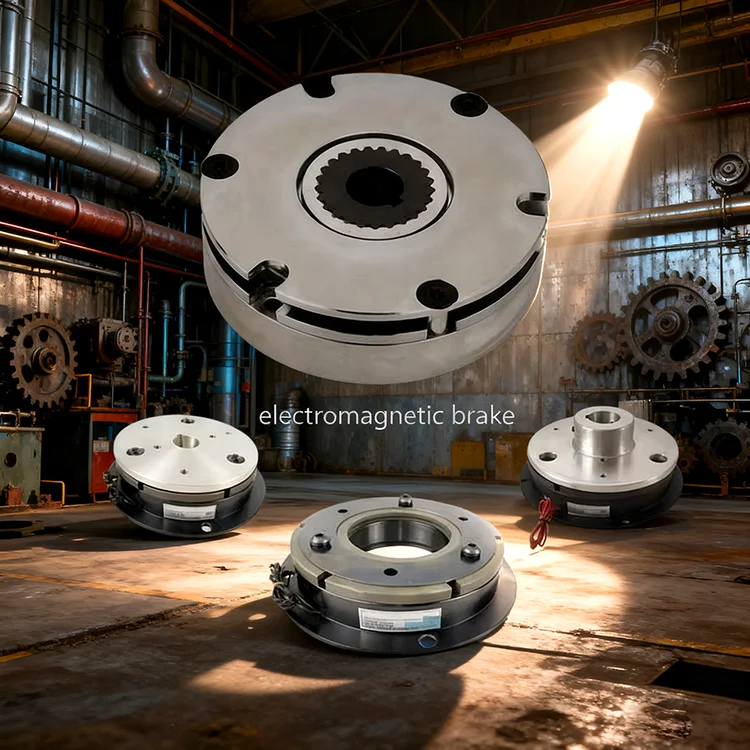
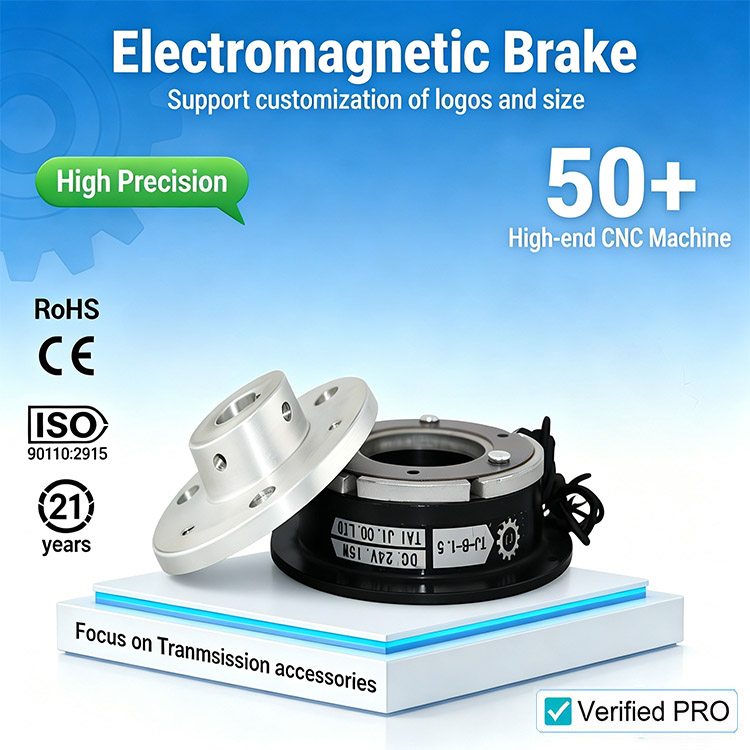
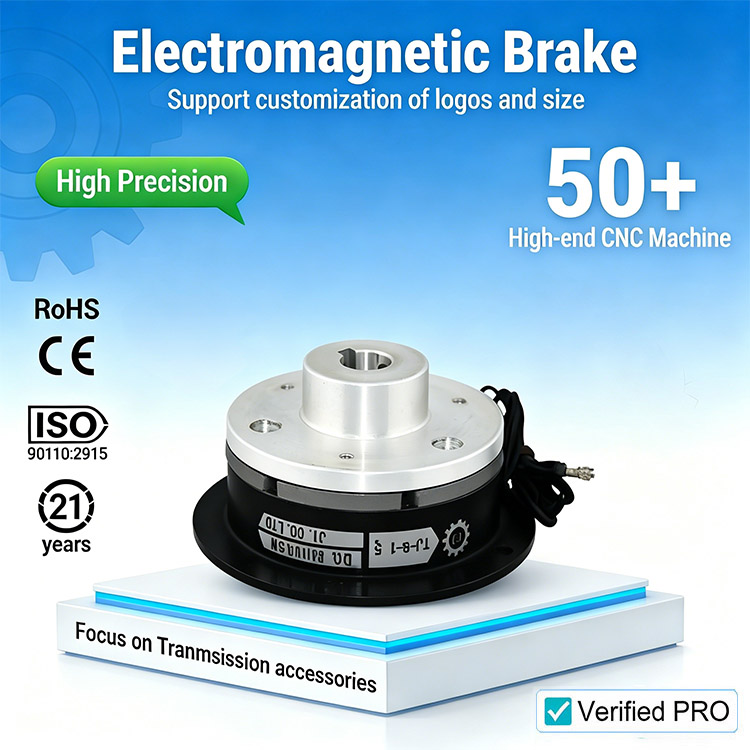
Brakes and discs represent essential safety components in modern vehicles, responsible for converting kinetic energy into thermal energy to decelerate or stop moving machinery. The braking system consists of multiple integrated parts working harmoniously, with brake discs serving as the primary friction surface against which brake pads clamp to generate stopping power. These components undergo rigorous engineering processes to ensure optimal performance under extreme conditions. Contemporary brakes and discs utilize advanced metallurgical compositions, incorporating materials such as carbon-ceramic compounds, reinforced cast iron, and specialized alloys designed to withstand temperatures exceeding 600 degrees Celsius during intense braking scenarios. The fundamental operation involves hydraulic pressure transmitting force from the pedal through fluid-filled lines to calipers, which then squeeze brake pads against the rotating disc surface. This mechanical action creates friction that slows wheel rotation, ultimately bringing vehicles to controlled stops. Modern brakes and discs feature ventilated designs with internal cooling channels that dissipate heat efficiently, preventing brake fade during sustained use. The technological evolution has introduced cross-drilled and slotted patterns on disc surfaces, enhancing gas evacuation and maintaining consistent contact between pads and rotors. These innovations address common challenges like water dispersion during wet conditions and debris removal during operation. Applications extend beyond automotive uses to include industrial machinery, railway systems, aerospace equipment, and high-performance motorsports where precision stopping power determines safety margins. Manufacturing standards require precise tolerances measured in micrometers to ensure balanced rotation and uniform wear patterns. Quality brakes and discs undergo extensive testing protocols including thermal cycling, fatigue resistance evaluation, and friction coefficient measurements across varied temperature ranges. The integration of electronic systems like ABS anti-lock braking and EBD electronic brake distribution has transformed traditional braking into sophisticated safety networks that optimize stopping distances while maintaining directional stability during emergency maneuvers.

New Products

Investing in quality brakes and discs delivers tangible safety improvements that protect drivers, passengers, and surrounding traffic participants during daily operation. Superior stopping power means shorter distances required to bring vehicles to complete halts, which proves critical during unexpected obstacles or emergency situations on busy roads. This performance advantage stems from engineered friction materials that maintain consistent grip across temperature ranges, unlike inferior products that lose effectiveness when heated. Enhanced durability translates directly into cost savings over ownership periods, as premium brakes and discs resist wear significantly longer than economy alternatives, reducing replacement frequency and associated labor expenses. Drivers experience smoother operation with reduced noise and vibration, creating more comfortable driving environments free from annoying squealing sounds or steering wheel pulsations that indicate warped components. The thermal management capabilities of advanced brakes and discs prevent dangerous fade scenarios where repeated braking causes performance degradation, maintaining reliable stopping power during mountain descents or towing heavy loads. Corrosion resistance built into modern manufacturing processes ensures components maintain structural integrity despite exposure to road salt, moisture, and environmental contaminants that accelerate deterioration in standard parts. Improved wet weather performance addresses one of the most challenging driving conditions, as specialized surface treatments and ventilation designs quickly disperse water films that otherwise compromise friction between pads and rotors. Balanced rotor construction eliminates vibrations that cause uneven tire wear and stress suspension components, extending the service life of related systems throughout the vehicle. The installation of quality brakes and discs often improves vehicle resale value, as discerning buyers recognize the importance of well-maintained safety systems and appreciate evidence of proper component selection. Performance enthusiasts benefit from increased heat capacity that allows spirited driving without concern for brake system limitations, enabling confident cornering and late braking without fade. Environmental considerations favor modern brakes and discs engineered to produce less particulate dust, contributing to cleaner air quality while keeping wheels cleaner between washing. Maintenance intervals extend considerably with premium components, reducing service visits and minimizing vehicle downtime that disrupts daily schedules. The precision manufacturing tolerances ensure proper fitment that eliminates installation complications and guarantees optimal performance from the first application. Warranty coverage typically extends longer for quality brakes and discs, providing peace of mind and financial protection against premature failure.

Latest News

Transmission Pain Points in Printing/Textile/Chemical Machinery: How Electromagnetic Clutches Improve Equipment Stability?

08

Dec

Transmission Pain Points in Printing/Textile/Chemical Machinery: How Electromagnetic Clutches Improve Equipment Stability?

Struggling with transmission instability in printing, textile, or chemical machinery? TJ-A electromagnetic clutches eliminate slip, boost throughput 15–20%, and ensure asbestos-free safety. Discover how top global manufacturers achieve 99.8% reliability—request a spec sheet today.
View More
High-Quality Web Guide Control Systems From a Leading Domestic Manufacturer With 20 Years of Expertise

08

Dec

High-Quality Web Guide Control Systems From a Leading Domestic Manufacturer With 20 Years of Expertise

Discover high-precision web guide control systems from a trusted domestic manufacturer with 20 years of R&D expertise. Reduce waste, boost efficiency, and ensure reliability. Request a quote today.
View More
The Pain of Non-Standard Transmission in Special Working Conditions

09

Apr

The Pain of Non-Standard Transmission in Special Working Conditions

Struggling with standard transmission failures in extreme temps, dust, or tight spaces? TianJi’s 20-year R&D delivers reliable custom clutches & brakes—engineered for your exact specs. Get a free technical consultation today.
View More

Get Your Custom Quote

Tell us your requirements and get a tailored solution for your project.
Name
Mobile
Email
Please include
Message
0/1000

brakes and discs

Advanced Thermal Dissipation Technology

Advanced Thermal Dissipation Technology

The revolutionary thermal management system integrated into modern brakes and discs represents a quantum leap in stopping power reliability and component longevity. This sophisticated engineering addresses the fundamental challenge facing all friction-based braking systems: heat generation during energy conversion. When vehicles decelerate, kinetic energy transforms into thermal energy, with temperatures at the friction interface routinely exceeding 500 degrees Celsius during normal driving and surpassing 800 degrees during aggressive use. Without effective heat dissipation, this thermal buildup causes brake fade, a dangerous condition where stopping power diminishes precisely when drivers need it most. Advanced brakes and discs employ directional vane designs cast between rotor faces, creating internal air passages that function as centrifugal pumps. As wheels rotate, these curved vanes draw cool air from the hub center and expel heated air at the outer circumference, generating continuous airflow that carries away thermal energy. The vane geometry follows complex aerodynamic principles optimized through computational fluid dynamics, maximizing cooling efficiency without compromising structural strength. Surface area calculations factor prominently in thermal design, with larger diameter discs and increased thickness providing greater heat absorption capacity before reaching critical temperatures. Specialized metallurgical compositions contribute to thermal performance through enhanced heat conductivity that spreads concentrated hot spots across broader surface areas, preventing localized overheating that causes warping and cracking. Cross-drilled holes penetrating rotor faces serve multiple functions: they reduce overall mass for decreased rotational inertia, provide escape routes for outgassing from pad materials, and create turbulent air patterns that enhance convective cooling. Slotted patterns machined into friction surfaces continuously refresh pad contact areas by shaving away glazed material layers and maintaining optimal surface roughness for consistent friction coefficients. The thermal capacity advantages become particularly evident during sustained braking scenarios such as mountain driving, where conventional systems overheat and fade while advanced brakes and discs maintain steady performance throughout extended descents.
Precision Engineering for Optimal Performance

Precision Engineering for Optimal Performance

The manufacturing excellence behind premium brakes and discs establishes performance standards that separate reliable safety components from marginal alternatives that compromise vehicle operation. Precision begins at the metallurgical level, where carefully controlled alloy compositions balance competing requirements for strength, thermal conductivity, wear resistance, and damping characteristics. Foundry processes employ vacuum casting techniques that eliminate porosity and inclusions which would otherwise create weak points vulnerable to crack propagation under thermal cycling stress. Cooling rate management during solidification determines grain structure, with controlled protocols producing fine, uniform crystalline formations that enhance mechanical properties and resist thermal distortion. Machining operations follow casting, with computer-controlled equipment removing material to exacting tolerances measured in thousandths of millimeters. Surface finish specifications ensure friction faces achieve optimal roughness profiles that balance initial bite characteristics with long-term wear patterns. Dynamic balancing procedures verify that rotating assemblies remain concentric within micron-level tolerances, eliminating vibrations that cause pedal pulsation and uneven pad wear. Hub mounting interfaces undergo precision boring operations that guarantee perpendicular alignment relative to friction surfaces, preventing runout conditions where discs wobble during rotation. Quality control protocols subject sample brakes and discs to destructive testing including thermal shock resistance evaluation, where components undergo rapid heating and cooling cycles that simulate years of service in compressed timeframes. Dimensional verification occurs throughout production using coordinate measuring machines that map three-dimensional geometry and confirm conformance to engineering specifications. Non-destructive testing methods like ultrasonic inspection detect internal flaws invisible to visual examination, ensuring only defect-free components reach customers. The precision engineering investment pays dividends through consistent performance, extended service life, and trouble-free operation that justifies premium pricing through superior value delivery. Installation ease benefits from accurate dimensions that ensure proper fitment without modification, reducing labor time and eliminating compatibility concerns that plague inferior products requiring shimming or adaptation to achieve acceptable results.
Multi-Environment Versatility and Reliability

Multi-Environment Versatility and Reliability

The operational flexibility of contemporary brakes and discs accommodates diverse driving conditions ranging from daily commuting through extreme weather to high-performance applications demanding maximum capability. This versatility stems from comprehensive engineering that addresses varied environmental challenges without compromising core functionality. Urban driving presents frequent stop-and-go scenarios where brakes and discs experience numerous moderate-intensity applications interspersed with cooling periods, requiring friction materials that maintain consistent behavior during thermal cycling between ambient and operating temperatures. Highway operation involves infrequent but potentially intense braking from elevated speeds, demanding substantial energy absorption capacity and resistance to single-event thermal shock. Wet weather introduces moisture that forms lubricating films between pads and rotors, significantly reducing friction coefficients unless designs incorporate water dispersion features. Modern brakes and discs address this challenge through strategic surface modifications including slots that channel water away from contact patches and ventilation that promotes rapid drying through increased airflow. Winter conditions compound moisture challenges with ice formation, road salt exposure, and temperature extremes that affect material properties. Corrosion protection coatings on non-friction surfaces prevent rust formation that causes aesthetic deterioration and potential structural compromise. Mountain environments test thermal capacity through sustained descents where gravitational potential energy converts continuously into heat, while altitude reduces air density and diminishes convective cooling effectiveness. Performance driving demands maximum heat capacity, fade resistance, and consistent pedal feel under repeated hard applications from high speeds. Racing applications push requirements further with ultra-high temperature capability and minimal weight to reduce unsprung mass. The material science advances enabling this versatility include ceramic matrix composites offering extreme temperature resistance, carbon-carbon compounds providing exceptional specific heat capacity, and treated cast iron alloys balancing performance with cost-effectiveness. Surface engineering through thermal spraying, shot peening, and specialized coatings enhances properties beyond base material capabilities. The comprehensive approach to environmental adaptation ensures reliable braking performance regardless of operating conditions, climate zones, or driving styles, delivering safety and confidence across the complete vehicle usage spectrum.
email goToTop