Magnetic Powder Brake: Precision Torque Control Solutions for Industrial Applications

All Categories

magnetic powder brake

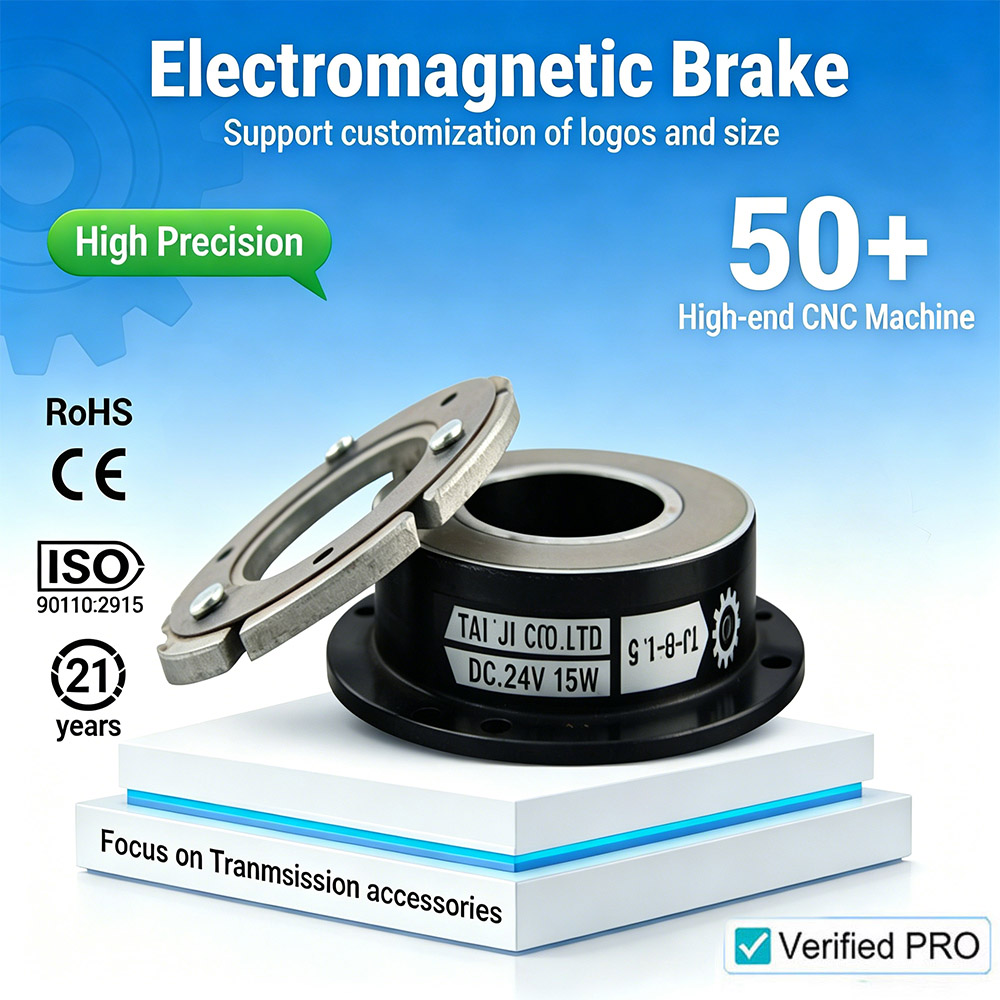
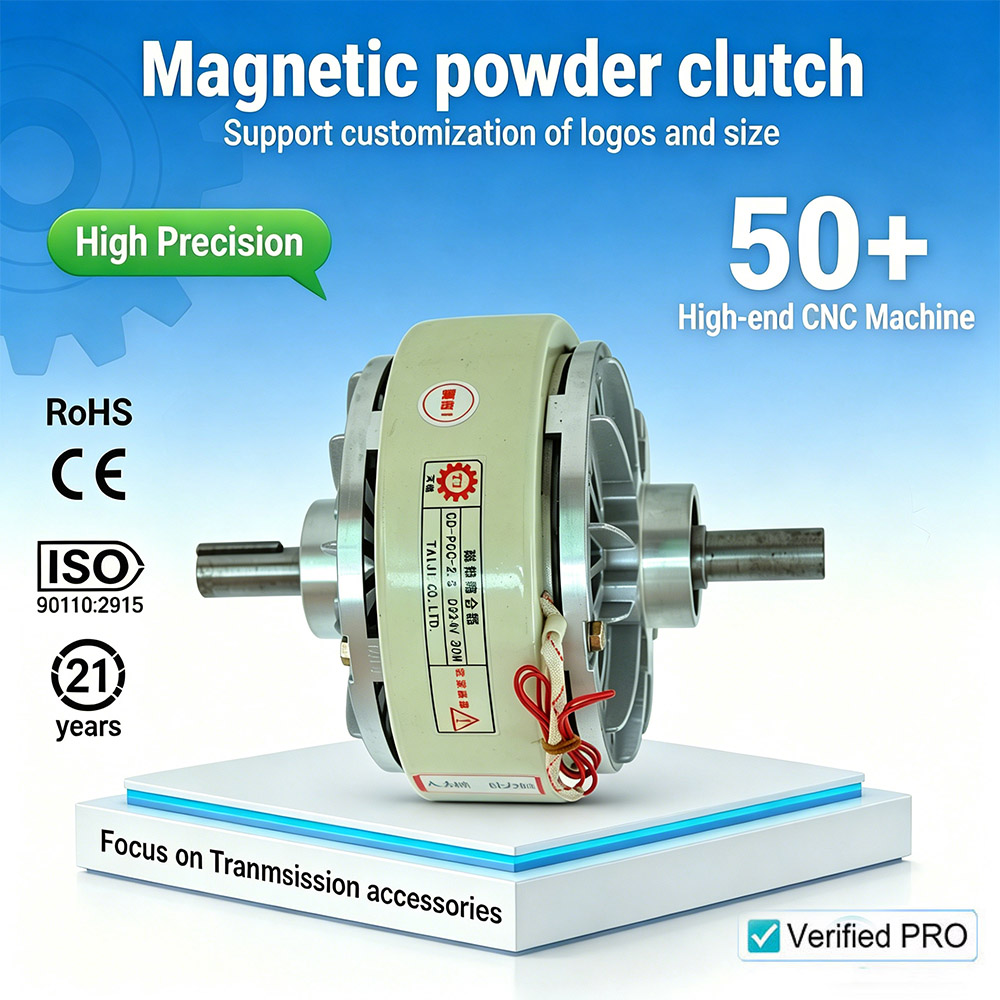
A magnetic powder brake represents an advanced braking technology that utilizes magnetic fields and fine metallic particles to create precise, controllable torque. This electromagnetic device operates through the interaction between magnetic powder suspended within a gap and the magnetic flux generated by an electromagnetic coil. When electrical current flows through the coil, it magnetizes the powder particles, causing them to form chains that link the rotating and stationary components together, thereby producing resistance and braking force. The magnetic powder brake stands out as a superior solution for applications requiring smooth, stepless torque control across a wide operational range. Unlike conventional friction-based systems, this technology delivers consistent performance without the jerking or grabbing that often accompanies traditional braking methods. The design incorporates a rotating drum or disc assembly, a stationary electromagnetic housing, and specially formulated magnetic powder that fills the gap between these elements. As current increases, the magnetic field strengthens, causing more powder particles to align and interlock, which proportionally increases the braking torque. This direct relationship between input current and output torque makes the magnetic powder brake exceptionally responsive and predictable. The system excels in tension control applications, where maintaining constant force on moving materials is critical for quality outcomes. Industries spanning from packaging and printing to wire processing and textile manufacturing rely on this technology to ensure their production lines operate with precision and reliability. The magnetic powder brake also functions effectively as a load simulator in testing environments, where it can replicate real-world resistance conditions for evaluating motors, engines, and transmission systems. Its ability to dissipate heat efficiently through specially designed cooling fins or forced air systems ensures sustained performance even during prolonged operation under demanding conditions.

New Products

The magnetic powder brake delivers exceptional precision in torque control, allowing operators to fine-tune braking force with remarkable accuracy to match specific application requirements. This precision translates directly into improved product quality, as materials being processed experience consistent tension without fluctuations that could cause defects or waste. The technology responds instantaneously to electrical input changes, providing real-time adjustment capabilities that keep pace with dynamic production environments where speeds and loads constantly vary. Unlike mechanical brake systems that suffer from wear and require frequent replacement of friction components, the magnetic powder brake operates without physical contact between primary moving parts, dramatically extending service life and reducing maintenance demands. This contactless operation means you spend less time on equipment servicing and more time on productive manufacturing activities. The smooth, stepless torque adjustment eliminates the jarring stops and starts common with clutch-based systems, protecting delicate materials from damage and extending the lifespan of connected machinery by reducing mechanical stress. Heat dissipation capabilities built into quality magnetic powder brake designs ensure stable performance across extended operating periods, preventing the thermal degradation that compromises many alternative braking technologies. The compact form factor of these devices allows integration into space-constrained installations where bulky mechanical braking assemblies simply will not fit. Electrical control compatibility means the magnetic powder brake integrates seamlessly with modern automation systems, programmable logic controllers, and computerized tension management platforms, enabling sophisticated process control strategies that optimize production efficiency. The technology operates quietly compared to friction brakes, creating a more comfortable working environment and reducing noise pollution in manufacturing facilities. Energy efficiency stands as another compelling advantage, as the system only consumes power proportional to the required braking torque, rather than maintaining constant energy draw regardless of load conditions. Installation simplicity accelerates project timelines, with straightforward mounting procedures and electrical connections that minimize setup complexity. The magnetic powder brake adapts readily to various speed ranges, maintaining effectiveness from near-zero speeds through high-velocity applications, providing versatility that single-purpose braking systems cannot match. Temperature stability ensures consistent torque output despite ambient condition variations, delivering reliable performance in both climate-controlled facilities and challenging industrial environments subject to temperature swings.

Tips And Tricks

Transmission Pain Points in Printing/Textile/Chemical Machinery: How Electromagnetic Clutches Improve Equipment Stability?

08

Dec

Transmission Pain Points in Printing/Textile/Chemical Machinery: How Electromagnetic Clutches Improve Equipment Stability?

Struggling with transmission instability in printing, textile, or chemical machinery? TJ-A electromagnetic clutches eliminate slip, boost throughput 15–20%, and ensure asbestos-free safety. Discover how top global manufacturers achieve 99.8% reliability—request a spec sheet today.
View More
High-Quality Web Guide Control Systems From a Leading Domestic Manufacturer With 20 Years of Expertise

08

Dec

High-Quality Web Guide Control Systems From a Leading Domestic Manufacturer With 20 Years of Expertise

Discover high-precision web guide control systems from a trusted domestic manufacturer with 20 years of R&D expertise. Reduce waste, boost efficiency, and ensure reliability. Request a quote today.
View More
The Pain of Non-Standard Transmission in Special Working Conditions

09

Apr

The Pain of Non-Standard Transmission in Special Working Conditions

Struggling with standard transmission failures in extreme temps, dust, or tight spaces? TianJi’s 20-year R&D delivers reliable custom clutches & brakes—engineered for your exact specs. Get a free technical consultation today.
View More

Get Your Custom Quote

Tell us your requirements and get a tailored solution for your project.
Name
Mobile
Email
Please include
Message
0/1000

magnetic powder brake

Superior Torque Control Precision for Enhanced Production Quality

Superior Torque Control Precision for Enhanced Production Quality

The magnetic powder brake achieves torque control precision that fundamentally transforms manufacturing processes requiring exact tension management. This precision stems from the direct electromagnetic relationship between applied current and generated braking force, creating a linear response curve that simplifies calibration and operation. When you need to maintain specific tension on film, foil, wire, or textile materials during processing, the magnetic powder brake responds to control signals within milliseconds, automatically compensating for speed variations and diameter changes that would otherwise cause tension fluctuations. This rapid response capability proves invaluable in high-speed production lines where even momentary tension variations can create costly defects. The technology enables tension control accuracy within one percent of setpoint values, a level of precision that mechanical systems struggle to achieve even under ideal conditions. Such accuracy becomes especially critical when processing expensive materials where waste directly impacts profitability, or when producing products with stringent quality specifications that reject items with minor defects. The electromagnetic principle underlying the magnetic powder brake eliminates the stick-slip phenomena that plague friction-based alternatives, where static friction exceeds dynamic friction, causing jerky motion that damages sensitive materials. Instead, the magnetic coupling between powder particles creates uniform resistance across the entire speed range, from initial startup through maximum operating velocity. This consistency allows production engineers to develop reliable process parameters that remain stable across production runs, batches, and shifts, reducing variability that complicates quality control. The precision also extends to low-speed applications where traditional brakes often fail to provide adequate control resolution, making the magnetic powder brake ideal for inching operations, precise positioning tasks, and delicate material handling procedures. Advanced designs incorporate temperature compensation mechanisms that adjust current delivery based on operating temperature, maintaining consistent torque output despite heat buildup during extended operation. This temperature stability ensures that tension control parameters established during initial setup remain accurate throughout production runs lasting hours or days, eliminating the drift that requires constant operator intervention with less sophisticated systems.
Exceptional Durability with Minimal Maintenance Requirements

Exceptional Durability with Minimal Maintenance Requirements

The magnetic powder brake architecture delivers outstanding operational longevity by eliminating the contact wear that limits the service life of conventional friction brake systems. Traditional brakes rely on pads, shoes, or bands that press against rotating surfaces, generating heat through friction while simultaneously wearing away material from both contact surfaces. This wear necessitates regular inspection, adjustment, and eventual replacement of consumable components, creating recurring maintenance costs and production downtime. The magnetic powder brake operates on an entirely different principle that avoids these limitations. The magnetic powder particles suspended in the working gap never make solid mechanical contact with either the rotating drum or stationary housing, instead forming flexible magnetic chains that transmit torque through electromagnetic forces. This contactless torque transmission means the primary functional components experience no wear under normal operating conditions, potentially delivering years of reliable service without requiring replacement parts. The only components subject to wear are the sealed bearings supporting the rotating assembly, and these standard industrial bearings typically offer service lives exceeding tens of thousands of operating hours before replacement becomes necessary. The magnetic powder itself demonstrates remarkable durability, resisting breakdown and degradation even after millions of magnetic alignment cycles. Quality formulations of this specialized powder incorporate particles engineered for specific size distributions, magnetic properties, and surface characteristics that optimize performance while maximizing longevity. The sealed chamber containing the powder protects against contamination from external dust, moisture, and chemical exposure that could compromise performance. This environmental isolation extends component life while ensuring consistent operation across varying facility conditions. Maintenance procedures for the magnetic powder brake primarily involve periodic inspection of electrical connections, verification of cooling system function, and occasional cleaning of external surfaces, tasks that require minimal time and technical expertise compared to rebuilding friction brake assemblies. The extended maintenance intervals reduce spare parts inventory requirements, simplify maintenance scheduling, and decrease the specialized training needed for maintenance personnel, delivering tangible cost savings that accumulate substantially over the equipment's operational lifetime.
Seamless Integration with Modern Automation and Control Systems

Seamless Integration with Modern Automation and Control Systems

The magnetic powder brake excels in contemporary manufacturing environments through its inherent compatibility with digital control systems, programmable automation platforms, and networked industrial communication protocols. This integration capability transforms the device from a simple braking component into an intelligent process control element that actively participates in sophisticated production management strategies. The electrical control interface accepts standard analog signals such as zero to ten volt DC or four to twenty milliamp current loops, allowing direct connection to industrial controllers, tension transducers, and process monitoring systems without requiring specialized signal conditioning equipment. This straightforward connectivity accelerates installation while reducing system complexity and potential failure points. Advanced implementations incorporate digital communication capabilities supporting protocols like Modbus, Profibus, or Ethernet-based industrial networks, enabling bidirectional data exchange that provides real-time operating status, diagnostic information, and remote configuration capabilities. Such connectivity allows integration into Industry 4.0 manufacturing concepts where equipment communicates performance metrics to centralized monitoring systems, enabling predictive maintenance strategies that schedule service based on actual operating conditions rather than arbitrary time intervals. The proportional relationship between control signal and output torque simplifies programming, as control algorithms can directly calculate required current based on desired tension without complex lookup tables or compensation factors. This linearity also facilitates closed-loop tension control implementations where feedback from load cells or dancer rolls automatically adjusts brake current to maintain constant tension despite speed changes, material property variations, or roll diameter fluctuations during unwinding operations. The magnetic powder brake responds to control signal changes within milliseconds, providing the dynamic response necessary for high-performance tension control in demanding applications like high-speed printing presses, precision slitting operations, or delicate film coating processes. Integration extends beyond basic control functions to encompass safety systems, with emergency stop circuits capable of rapidly energizing the brake to maximum torque for quick停止, protecting personnel and equipment during abnormal conditions. Diagnostic capabilities built into sophisticated control systems monitor brake temperature, current draw, and performance characteristics, alerting operators to developing issues before they cause production disruptions, quality problems, or equipment damage that would necessitate costly emergency repairs.
email goToTop