Dual Disk Brake Systems: Superior Stopping Power, Safety, and Performance Technology

All Categories

dual disk brake

A dual disk brake represents an advanced braking configuration that incorporates two separate brake disks working in tandem to deliver superior stopping power and enhanced safety performance. This sophisticated braking system has become increasingly popular across various vehicle categories, from motorcycles and ATVs to high-performance automobiles and heavy-duty machinery. The fundamental design principle behind the dual disk brake involves mounting two brake rotors, typically one on each side of a wheel or on the front wheels of a vehicle, which are engaged simultaneously by corresponding brake calipers when the operator applies braking force. The main functions of this braking system extend beyond simple deceleration, encompassing heat dissipation management, balanced braking force distribution, and consistent performance under demanding conditions. Technologically, the dual disk brake features precision-engineered components including ventilated or slotted rotors that promote air circulation, multi-piston calipers that ensure even pad contact, and high-friction brake pad materials designed to withstand extreme temperatures. The system operates through hydraulic or mechanical actuation, converting the operator's input into clamping force that creates friction between the pads and rotors, effectively converting kinetic energy into thermal energy. Applications for this braking technology span numerous industries and vehicle types, with particularly widespread adoption in performance motorcycles where front-end braking demands are substantial, sport utility vehicles requiring reliable stopping power for heavy loads, racing vehicles where split-second deceleration is critical, and industrial equipment where safety standards mandate redundant braking capability. The dual disk brake configuration has proven especially valuable in situations demanding rapid heat dissipation, as the presence of two rotors effectively doubles the surface area available for cooling compared to single-disk systems, thereby reducing the risk of brake fade during prolonged or aggressive use.

New Products

Choosing a dual disk brake system delivers remarkable benefits that directly impact your daily driving experience and long-term vehicle safety. The most immediate advantage you will notice is the dramatically improved stopping power, as two brake disks working together provide significantly more friction surface than a single disk, allowing your vehicle to decelerate more quickly and confidently, especially during emergency situations or when carrying heavy loads. This enhanced braking capability translates into shorter stopping distances, giving you precious extra meters that could make the difference between a close call and an accident. Another practical benefit centers on heat management, where the dual disk brake excels by distributing thermal energy across two separate rotors rather than concentrating it on one, meaning each disk operates at lower temperatures during demanding use. This temperature reduction directly prevents brake fade, that dangerous condition where your brakes become less effective due to overheating, ensuring consistent performance whether you are navigating steep mountain descents or making repeated stops in heavy traffic. The system also delivers better balance and stability during braking, as the symmetrical application of braking force on both sides of the wheel prevents the vehicle from pulling to one side, giving you more predictable handling and greater control, particularly valuable when braking on slippery or uneven surfaces. Maintenance advantages also deserve consideration, since wear is distributed across four brake pads and two rotors instead of being concentrated on fewer components, effectively extending the service life of individual parts and reducing the frequency of replacements. Cost-effectiveness emerges over time through this extended component lifespan and the reduced risk of expensive repairs caused by brake system failures. Safety represents perhaps the most compelling advantage, as the dual disk brake provides an inherent redundancy where if one disk experiences issues, the second continues functioning, maintaining at least partial braking capability rather than complete system failure. This redundancy offers peace of mind, particularly for families, commercial operators, and anyone who depends on their vehicle for essential transportation. The improved modulation and feel provided by dual disk brakes also enhance your ability to apply precisely the right amount of braking force for any situation, from gentle slowing to maximum emergency stopping, giving you finer control and more confidence in every driving scenario.

Practical Tips

Transmission Pain Points in Printing/Textile/Chemical Machinery: How Electromagnetic Clutches Improve Equipment Stability?

08

Dec

Transmission Pain Points in Printing/Textile/Chemical Machinery: How Electromagnetic Clutches Improve Equipment Stability?

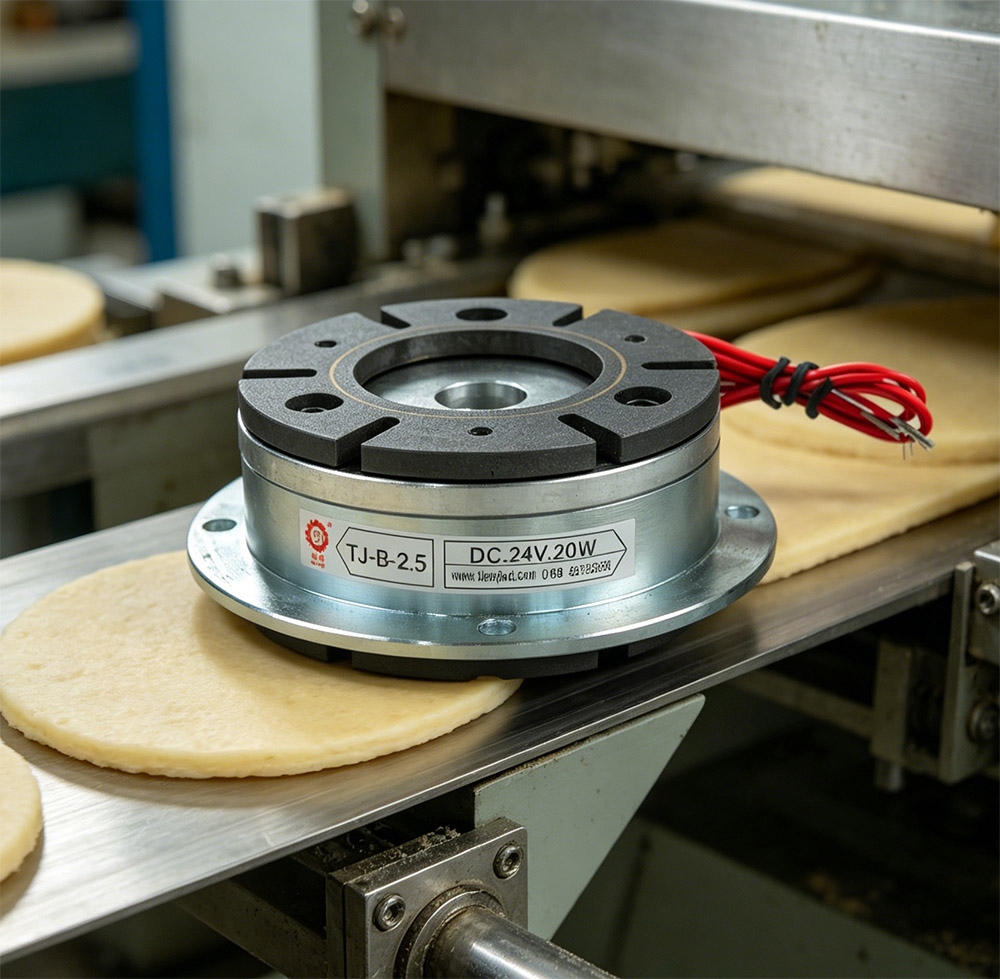
Struggling with transmission instability in printing, textile, or chemical machinery? TJ-A electromagnetic clutches eliminate slip, boost throughput 15–20%, and ensure asbestos-free safety. Discover how top global manufacturers achieve 99.8% reliability—request a spec sheet today.
View More
High-Quality Web Guide Control Systems From a Leading Domestic Manufacturer With 20 Years of Expertise

08

Dec

High-Quality Web Guide Control Systems From a Leading Domestic Manufacturer With 20 Years of Expertise

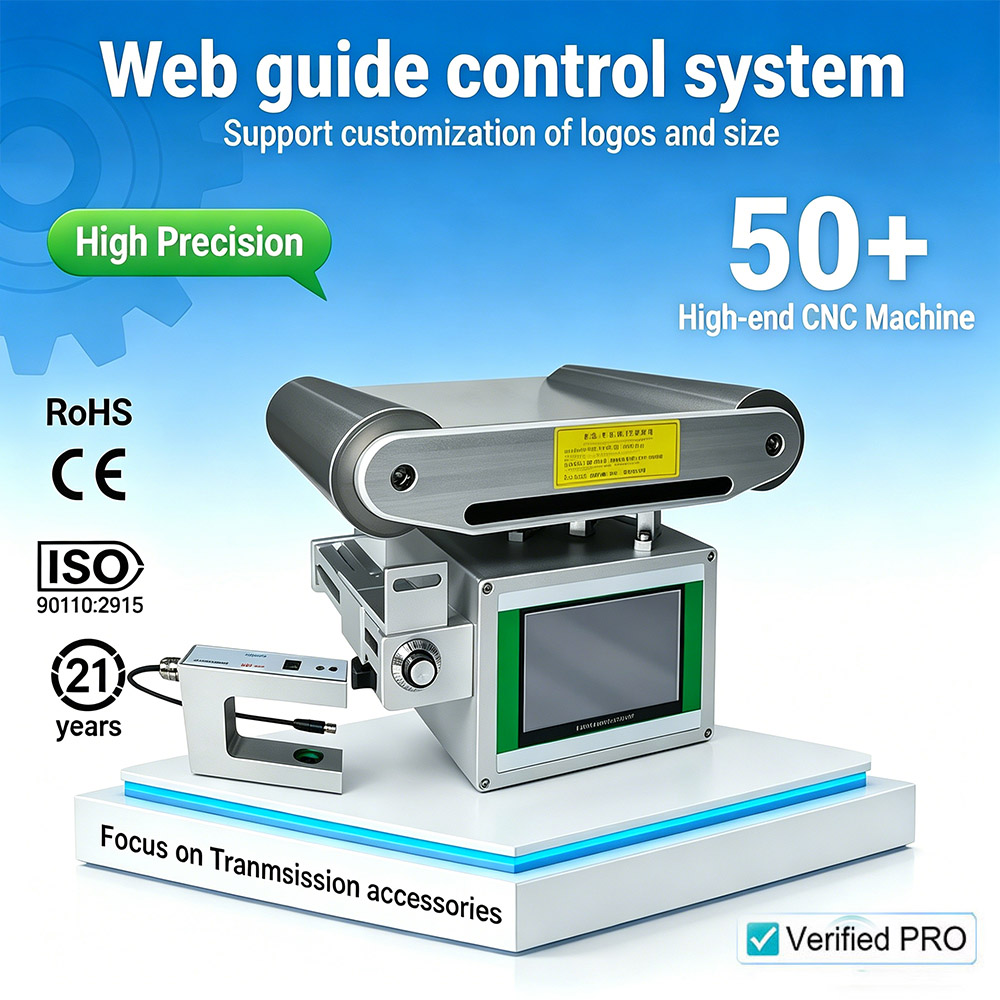
Discover high-precision web guide control systems from a trusted domestic manufacturer with 20 years of R&D expertise. Reduce waste, boost efficiency, and ensure reliability. Request a quote today.
View More
The Pain of Non-Standard Transmission in Special Working Conditions

09

Apr

The Pain of Non-Standard Transmission in Special Working Conditions

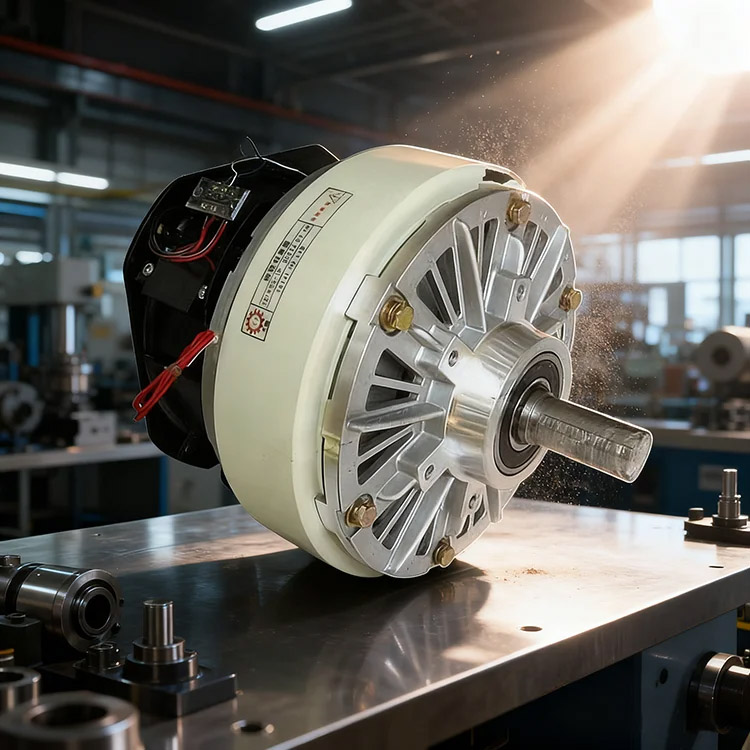
Struggling with standard transmission failures in extreme temps, dust, or tight spaces? TianJi’s 20-year R&D delivers reliable custom clutches & brakes—engineered for your exact specs. Get a free technical consultation today.
View More

Get Your Custom Quote

Tell us your requirements and get a tailored solution for your project.
Name
Mobile
Email
Please include
Message
0/1000

dual disk brake

Superior Heat Dissipation Technology for Consistent Performance

Superior Heat Dissipation Technology for Consistent Performance

The dual disk brake system incorporates advanced heat dissipation technology that stands as one of its most valuable features, addressing one of the most critical challenges in braking system design. When you apply your brakes, friction between the pads and rotors converts your vehicle's motion into heat energy, and this thermal buildup can reach extreme temperatures, sometimes exceeding 500 degrees Celsius during aggressive use. With a conventional single-disk setup, this tremendous heat concentrates on one rotor, potentially causing brake fade where the braking power diminishes dangerously just when you need it most. The dual disk brake solves this problem elegantly by dividing the thermal load between two separate rotors, effectively cutting the temperature each disk experiences nearly in half. This distribution is not merely about having twice the metal mass, though that certainly helps, but rather about creating two independent cooling zones that each benefit from airflow and radiation cooling. Modern dual disk brake designs often incorporate ventilated rotors with internal vaning that creates a centrifugal pumping effect, drawing cool air into the center of the rotor and expelling hot air at the edges, functioning like a spinning fan that actively cools itself during operation. Some premium configurations feature cross-drilled or slotted patterns on the rotor surface, which serve multiple purposes including providing escape channels for hot gases and water, creating fresh friction surfaces as the pads traverse the slots, and increasing the surface area available for heat radiation. The practical implications for you as a user are substantial and immediate. Whether you drive in mountainous terrain requiring prolonged descents, tow heavy trailers demanding frequent speed control, participate in performance driving where repeated hard braking is necessary, or simply want maximum safety margins during emergency stops, the superior heat management of dual disk brakes ensures your stopping power remains consistent and reliable. You will never experience that frightening sensation of pressing the brake pedal harder and harder while feeling your vehicle's response diminish. This thermal efficiency also protects other brake system components from heat-related degradation, as lower operating temperatures extend the life of brake fluid, seals, calipers, and even wheel bearings, delivering long-term reliability and reduced maintenance costs that make the dual disk brake an investment that pays dividends throughout your vehicle's lifetime.
Enhanced Braking Force Distribution for Maximum Safety

Enhanced Braking Force Distribution for Maximum Safety

The dual disk brake configuration provides exceptional braking force distribution that fundamentally improves vehicle safety and handling characteristics in ways that single-disk systems simply cannot match. The engineering principle behind this advantage relates to how braking forces interact with vehicle dynamics and weight transfer. When you press the brake pedal, weight shifts forward in your vehicle due to deceleration, loading the front wheels with additional force while unloading the rear. This weight transfer means front brakes must handle substantially more work than rear brakes, often absorbing 60 to 70 percent of total braking energy in typical vehicles. A dual disk brake setup on the front axle addresses this demand by providing two separate friction interfaces that share the braking load equally across both sides of the vehicle's centerline. This bilateral symmetry creates balanced braking forces that prevent the vehicle from pulling to one side during stops, a phenomenon that occurs when braking power differs between left and right wheels. Such pulling can prove particularly dangerous on slippery surfaces or during emergency maneuvers where maintaining directional control is critical. The dual disk brake ensures that whether you are braking in a straight line or during cornering, the forces applied remain balanced and predictable. Beyond simple left-right balance, the system provides superior overall clamping force because two calipers working simultaneously generate more total pressure than a single caliper could reasonably produce without becoming excessively large and heavy. This multiplication of force means you achieve maximum deceleration with less pedal effort, important for all drivers but especially valuable for those with limited physical strength or in panic situations where fine motor control diminishes. The distributed force application also reduces stress on individual components, as each caliper, pad, and rotor handles only half the total workload, operating well within design limits even during maximum braking events. This stress reduction translates directly into improved reliability and longevity, as components subjected to less extreme forces experience less fatigue and wear over time. For vehicles operating in demanding conditions such as commercial delivery vehicles making hundreds of stops daily, emergency vehicles requiring maximum performance on every call, or recreational vehicles tackling challenging terrain, this enhanced force distribution represents not just a performance advantage but a fundamental safety feature that protects occupants, cargo, and other road users by ensuring braking capability remains optimal regardless of conditions or usage intensity.
Extended Component Lifespan and Maintenance Efficiency

Extended Component Lifespan and Maintenance Efficiency

One of the most compelling yet often overlooked advantages of the dual disk brake system lies in its ability to extend component lifespan while simultaneously improving maintenance efficiency and reducing long-term ownership costs. This benefit emerges from fundamental physics and practical engineering considerations that favor distributed wear patterns over concentrated stress. In a single-disk brake system, all braking energy for that wheel must be absorbed by one rotor and one set of pads, subjecting these components to maximum stress, heat, and wear with every application. Over time, this concentrated punishment leads to accelerated degradation, requiring more frequent replacements and increasing the likelihood of premature failure. The dual disk brake transforms this equation by dividing the workload between two complete brake assemblies, meaning each rotor and pad set handles approximately half the total braking duty. This reduction in individual component stress yields more than just a proportional increase in lifespan because wear mechanisms often accelerate non-linearly at higher stress and temperature levels. By keeping each component operating in a more moderate range of temperature and mechanical stress, the dual disk brake helps each part avoid the accelerated wear zones where degradation occurs exponentially faster. You will find that brake pads last considerably longer before reaching replacement thickness, rotors maintain proper surface finish and dimensional specifications through more braking cycles, and calipers experience less thermal distortion and seal degradation. The maintenance efficiency advantages extend beyond simple part longevity to encompass practical service benefits. When maintenance does become necessary, the modular nature of dual disk brake systems often allows you to service one side while the other remains operational, providing flexibility in maintenance scheduling that single-disk configurations cannot offer. The standardized components used in many dual disk brake applications also mean replacement parts are often more readily available and competitively priced due to higher production volumes and wider application across vehicle platforms. For commercial operators, fleet managers, and budget-conscious individual owners, these factors translate into measurably lower total cost of ownership. The reduced frequency of service intervals means less vehicle downtime, fewer labor charges, and better scheduling predictability. The improved reliability resulting from components operating within comfortable performance envelopes means fewer unexpected failures and emergency repairs that disrupt schedules and budgets. Additionally, when components do require replacement, the fact that wear is more evenly distributed means you are less likely to encounter situations where one severely worn component has damaged adjacent parts, reducing the scope and cost of repair work. This comprehensive approach to longevity and maintenance efficiency makes the dual disk brake not merely a performance upgrade but a sound economic decision that delivers measurable returns throughout your vehicle's operational life.
email goToTop