điều khiển lực căng từ tính
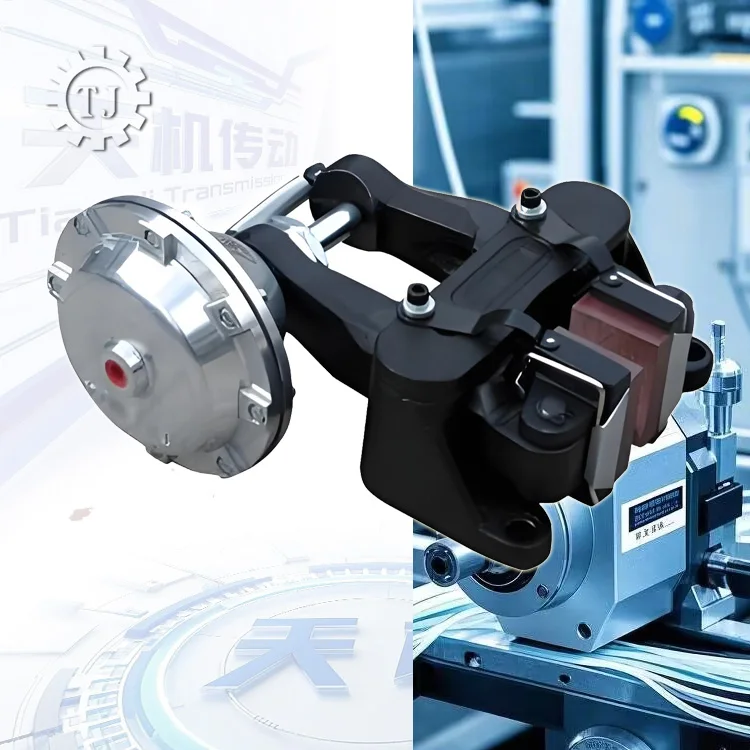
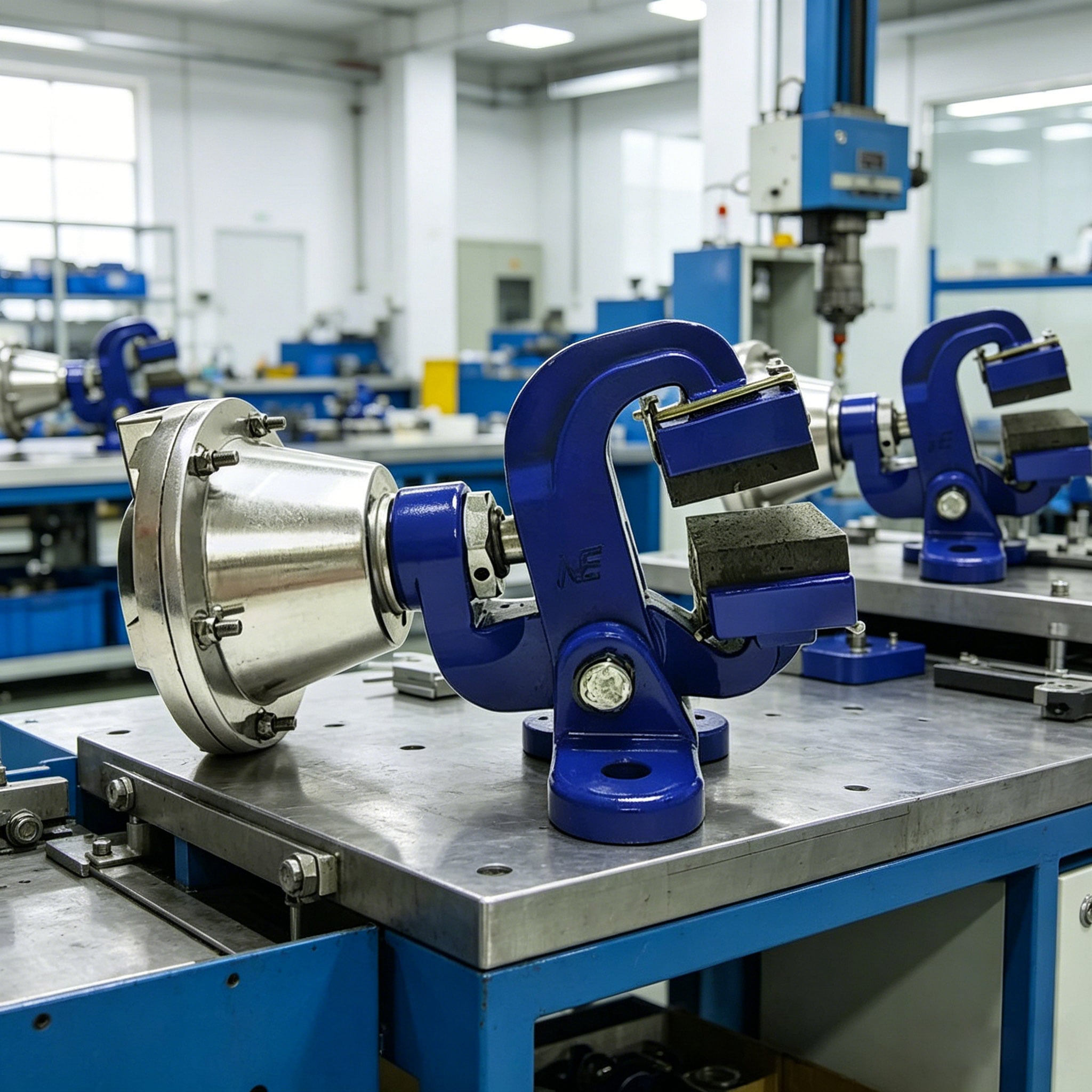
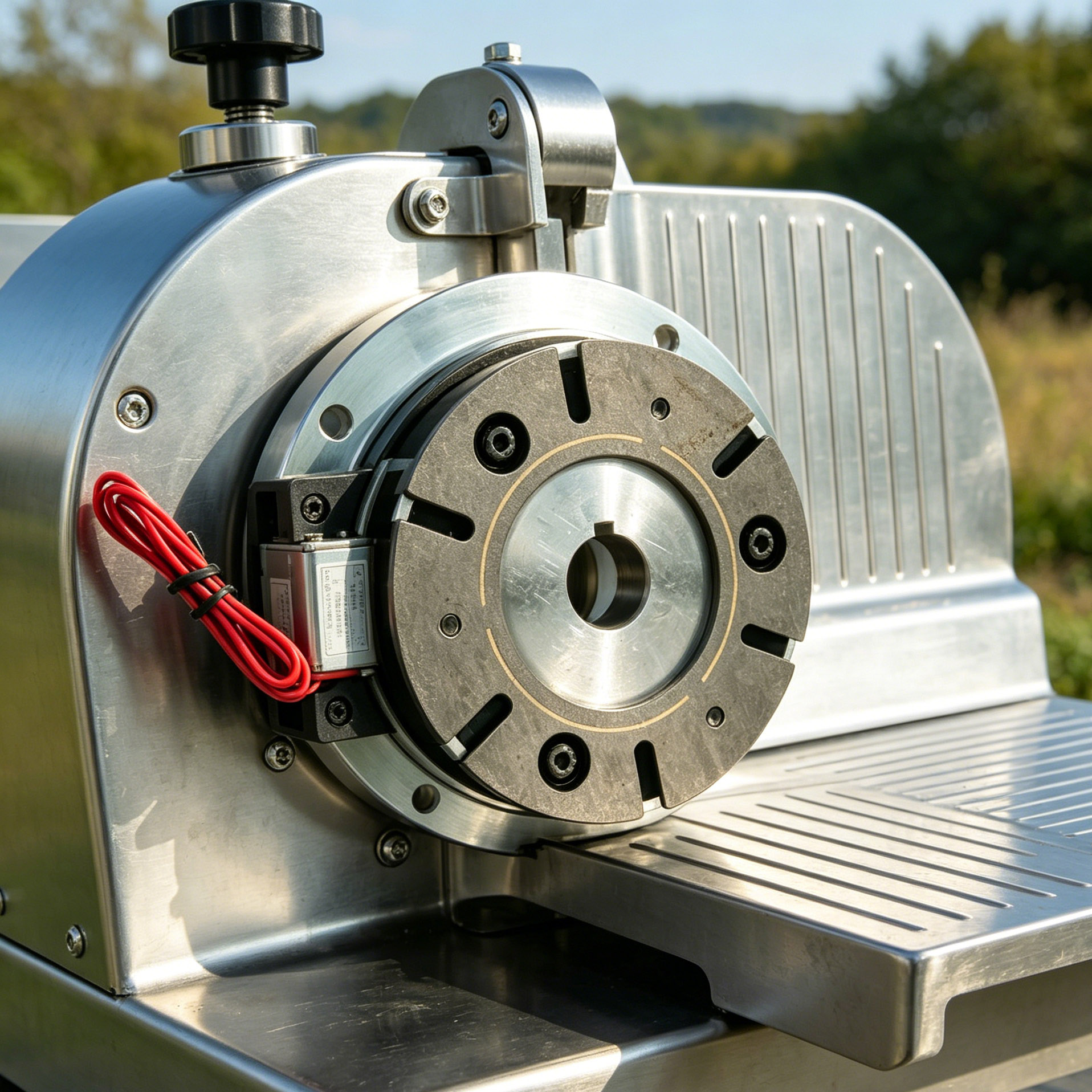
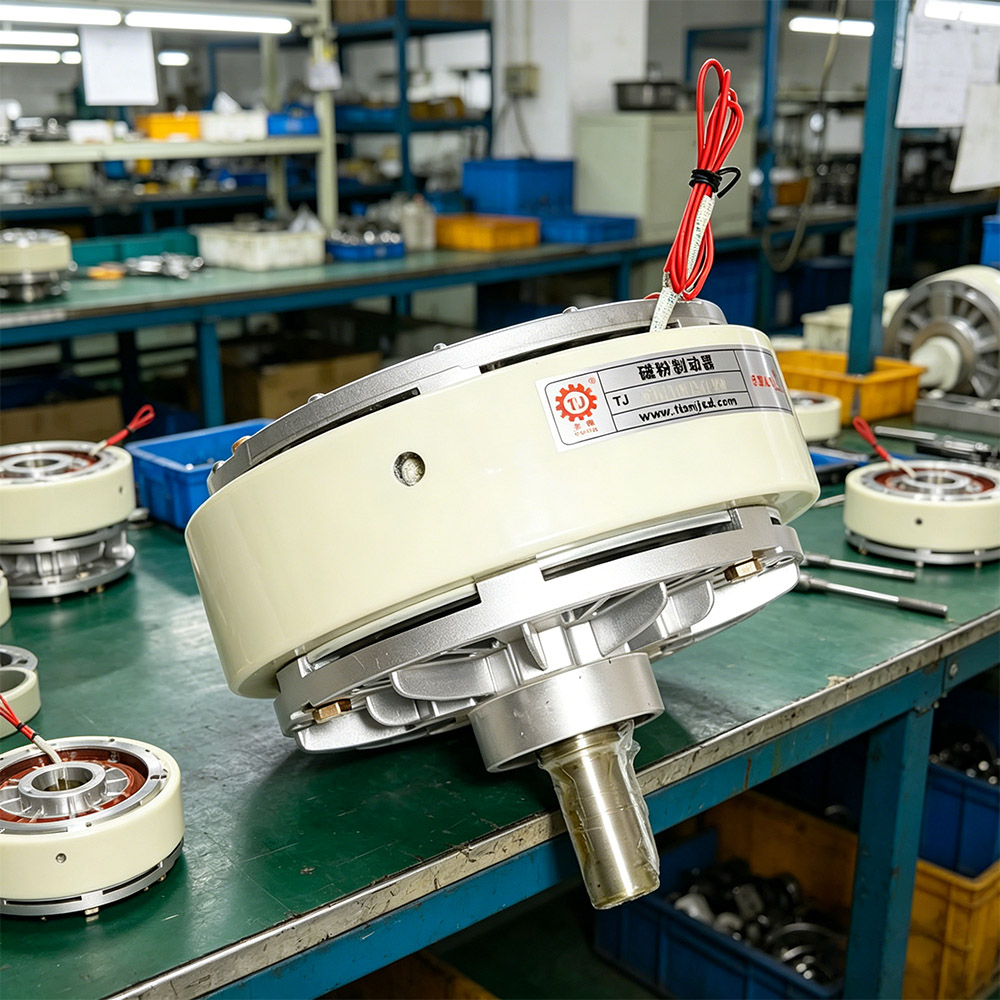
Điều khiển lực căng bằng nam châm là một công nghệ tinh vi nhằm duy trì mức lực căng ổn định và chính xác trong suốt các quy trình công nghiệp khác nhau, đặc biệt trong các hoạt động sản xuất liên quan đến màng phim, lá kim loại, dây dẫn, dệt may, giấy và các vật liệu dạng cuộn liên tục khác. Hệ thống điều khiển tiên tiến này vận dụng nguyên lý lực từ để tự động điều chỉnh lực căng của vật liệu, từ đó khắc phục nhiều hạn chế vốn tồn tại trong các phương pháp điều khiển lực căng cơ học truyền thống. Chức năng chính của hệ thống điều khiển lực căng bằng nam châm là đảm bảo lực căng đồng đều trong suốt quá trình sản xuất, ngăn ngừa hư hại vật liệu, giảm thiểu phế phẩm và nâng cao chất lượng sản phẩm tổng thể. Hệ thống hoạt động bằng cách tạo ra các trường từ được kiểm soát, sinh ra lực cản tỷ lệ thuận với yêu cầu về tốc độ và tải trọng của quy trình. Khác với các hệ thống dựa trên ma sát thông thường, hệ thống điều khiển lực căng bằng nam châm thường hoạt động không tiếp xúc, giúp giảm đáng kể hao mòn và nhu cầu bảo trì. Các tính năng công nghệ bao gồm: thiết lập mô-men xoắn có thể điều chỉnh, thời gian phản hồi nhanh trước các biến đổi lực căng, giao diện điều khiển kỹ thuật số cho các điều chỉnh chính xác và khả năng tương thích với môi trường sản xuất tự động. Các hệ thống điều khiển lực căng bằng nam châm hiện đại tích hợp cảm biến và cơ chế phản hồi liên tục giám sát mức lực căng và thực hiện điều chỉnh tức thì nhằm bù trừ cho sự thay đổi tính chất vật liệu, sự thay đổi đường kính cuộn hoặc dao động tốc độ. Những hệ thống này được ứng dụng rộng rãi trong nhiều ngành công nghiệp khác nhau, bao gồm in ấn, bao bì, chuyển đổi (converting), kéo dây, sản xuất dệt may và lắp ráp điện tử. Trong các hoạt động in ấn, điều khiển lực căng bằng nam châm đảm bảo độ chuẩn xác vị trí in ổn định và ngăn ngừa đứt cuộn trong quá trình sản xuất tốc độ cao. Các nhà sản xuất bao bì dựa vào công nghệ này để duy trì lực căng phù hợp khi xử lý các loại màng và lá kim loại mỏng, dễ hư hỏng. Ngành chuyển đổi (converting) hưởng lợi từ việc cải thiện chất lượng mép và giảm độ giãn vật liệu. Trong các quy trình kéo dây, công nghệ này giúp đạt được kiểm soát kích thước tốt hơn và bề mặt hoàn thiện chất lượng cao hơn. Các nhà sản xuất dệt may duy trì độ đồng đều về chất lượng vải trong suốt các công đoạn dệt và hoàn tất. Tính linh hoạt của hệ thống điều khiển lực căng bằng nam châm cho phép tích hợp dễ dàng với thiết bị hiện có, đồng thời mang lại khả năng hiệu suất vượt trội, trực tiếp góp phần nâng cao năng suất và giảm chi phí vận hành cho các nhà sản xuất ở nhiều lĩnh vực khác nhau.

 EN
EN