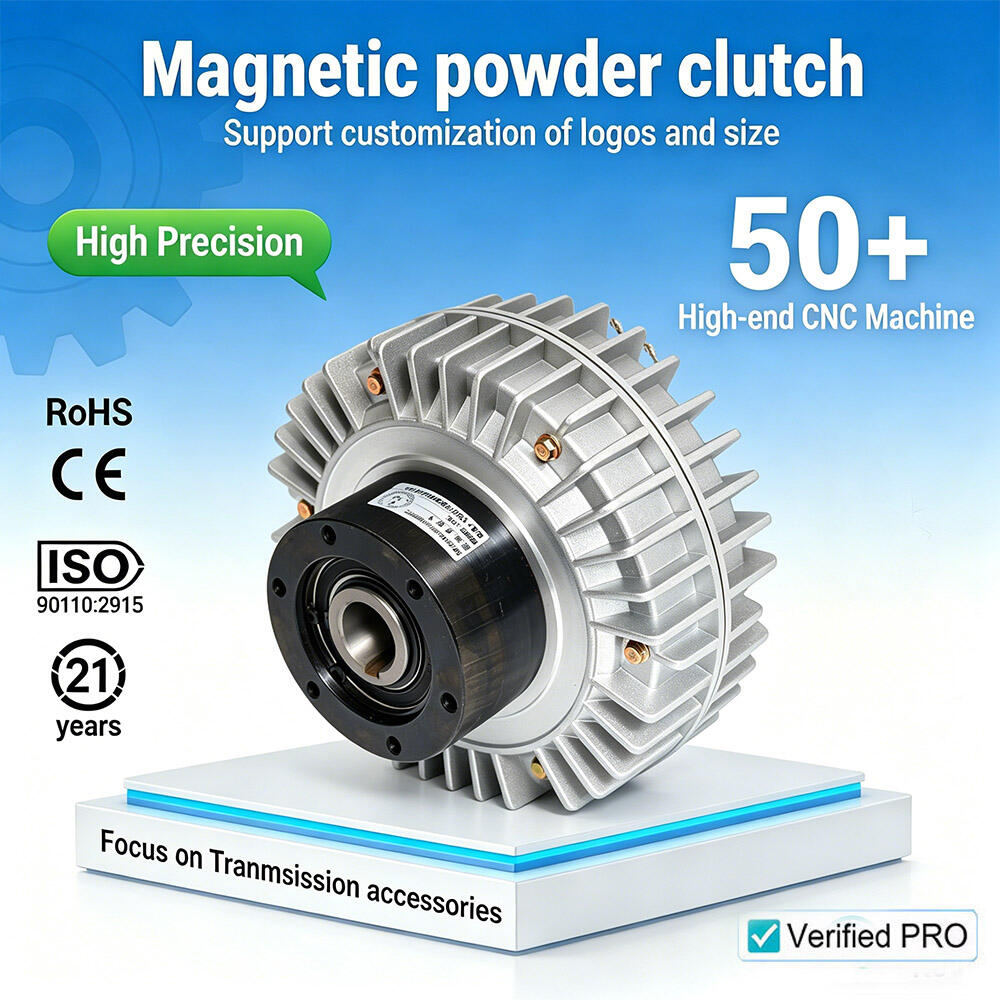
Hindi maikakailang Kagalingan sa Pagkontrol ng Torque at Pamamahala ng Tensyon
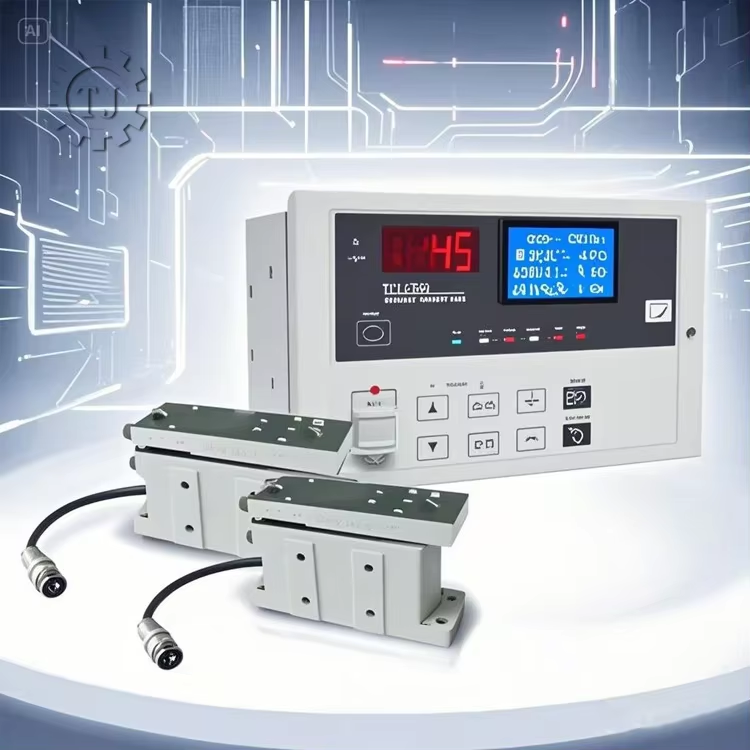
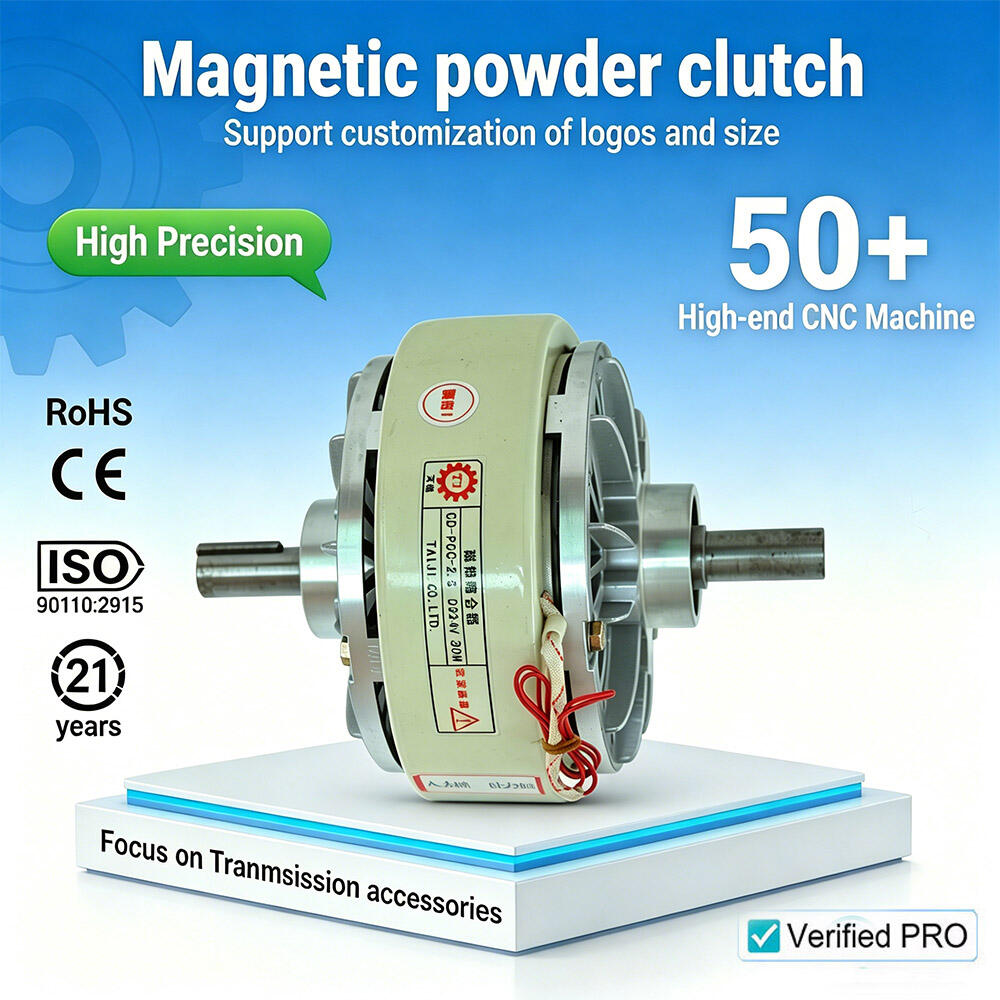
Ang magnetic particle clutch ay nagbibigay ng kahusayan na nagpapabago sa paraan kung paano tinatayo ng mga tagagawa ang mga operasyong sensitibo sa tensyon. Sa sentro ng kakayahan na ito ay ang ugnayan sa pagitan ng lakas ng electromagnetic field at ng pag-uugali ng mga particle sa pagkakabit. Kapag inilalapat mo ang kuryente sa coil, ang intensidad ng magnetic field ay direktang nauugnay sa antas ng pagbuo ng chain ng mga particle, na lumilikha ng perpektong linear na ugnayan sa pagitan ng input signal at ng output torque. Ang ganitong linearidad ay nangangahulugan na maaari mong hulaan at kontrolin ang tensyon gamit ang eksaktong kalkulasyon, na nagpapahintulot sa iyo na iprogram ang tiyak na mga halaga sa iyong mga system ng kontrol at makamit ang paulit-ulit na resulta sa libu-libong siklo ng produksyon. Ang mga industriya na nangangasiwa ng delikadong materyales tulad ng manipis na film, foil, papel, o tela ay napakalaking nakikinabang sa kahusayang ito. Ang sobrang tensyon ay pumuputol o pumapahaba sa mga materyales nang lampas sa katanggap-tanggap na toleransya, na nagdudulot ng mahal na basura at mga pagkaantala sa produksyon. Samantala, ang kulang sa tensyon ay nagdudulot ng mga ugat (wrinkles), maling pag-align, o hindi sapat na pag-ikot (winding), na parehong problema para sa mga pamantayan ng kalidad. Ang magnetic particle clutch ay nawawala ang mga isyung ito sa pamamagitan ng pagpapanatili ng tensyon sa loob ng napakapitik na toleransya—madalas ay nasa loob lamang ng isang porsyento ng mga itinakdang halaga. Ang mga modernong digital controller na pinagsasama sa mga clutch na ito ay nagpapahintulot sa mga operator na iprogram ang mga kumplikadong profile ng tensyon na awtomatikong umaadjust sa buong proseso ng produksyon. Halimbawa, kapag iniiikot ang materyal sa mga core na tumataas ang diameter, ang sistema ay kumokompensate sa pagbabago ng radius sa pamamagitan ng pagmamodulate ng output torque, upang mapanatili ang pare-parehong web tension mula simula hanggang wakas. Ang ganitong intelligent na adaptation ay nangangailangan ng paulit-ulit na manu-manong adjustment sa mga konbensyonal na sistema, na nagdudulot ng pagkakamali at pagkakaiba-iba dahil sa tao. Ang kakayanan ng stepless adjustment ay nangangahulugan na ang transisyon sa pagitan ng iba’t ibang antas ng tensyon ay mangyayari nang maayos, nang walang mga hiwalay na hakbang na karaniwan sa mga mekanikal na sistema. Ang iyong mga materyales ay nakakaranas ng gradwal na pagbabago na nagpapanatili ng kanilang integridad at anyo—na lalo pang mahalaga sa mga aplikasyon tulad ng laminating, coating, o printing kung saan ang biglang pagbabago ng tensyon ay nagdudulot ng mga nakikitang depekto. Ang quality control ay naging mas madali at mas maasahan kapag maaari mong idokumento ang eksaktong mga setting ng torque para sa bawat espesipikasyon ng produkto, na lumilikha ng mga prosesong muling maisasagawa upang tupdin ang mga kinakailangan sa sertipikasyon at mga inaasahan ng customer. Ang kahusayan ay umaabot din sa mga operasyong mabagal ang bilis kung saan ang maraming mekanikal na clutch ay nahihirapan na mapanatili ang pare-parehong engagement. Kung tumatakbo man ito sa napakabagal na bilis habang nasa setup o sa buong bilis ng produksyon, ang magnetic particle clutch ay nagbibigay ng proporsyonal na kontrol ng torque sa buong saklaw ng bilis, na nagbibigay ng versatility na umaangkop sa iba’t ibang pangangailangan ng operasyon sa loob lamang ng isang instalasyon.

 EN
EN