Clutch Magnetic Solutions: Precision Electromagnetic Power Transmission Technology

All Categories

clutch magnetic

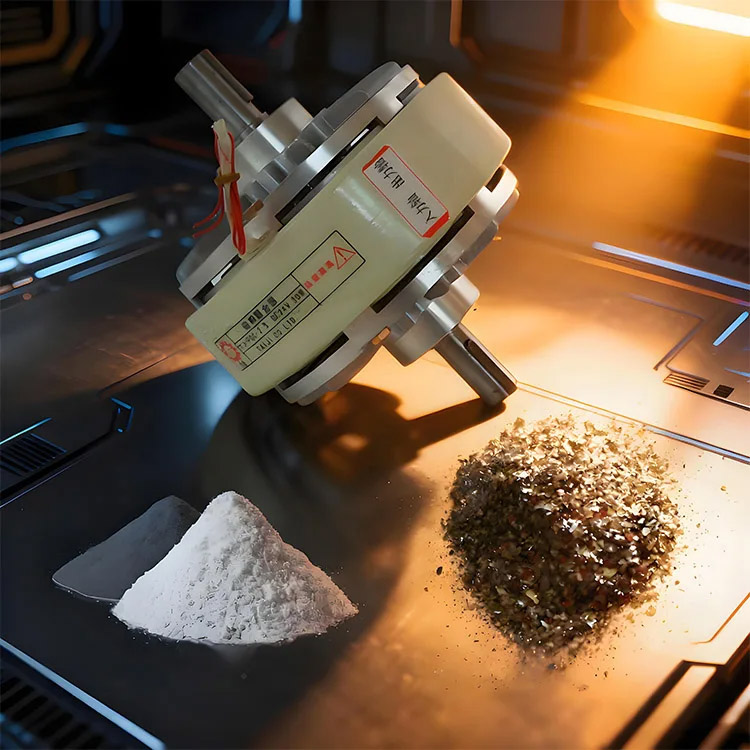
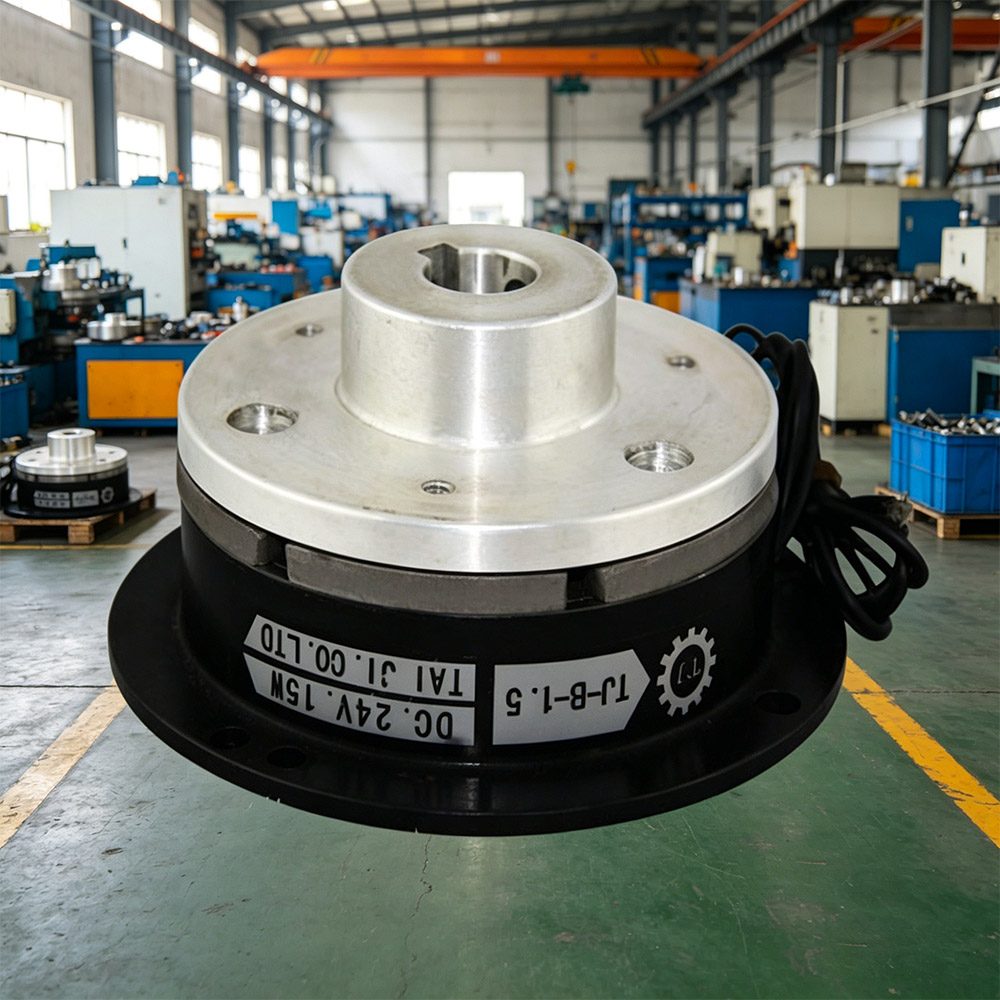
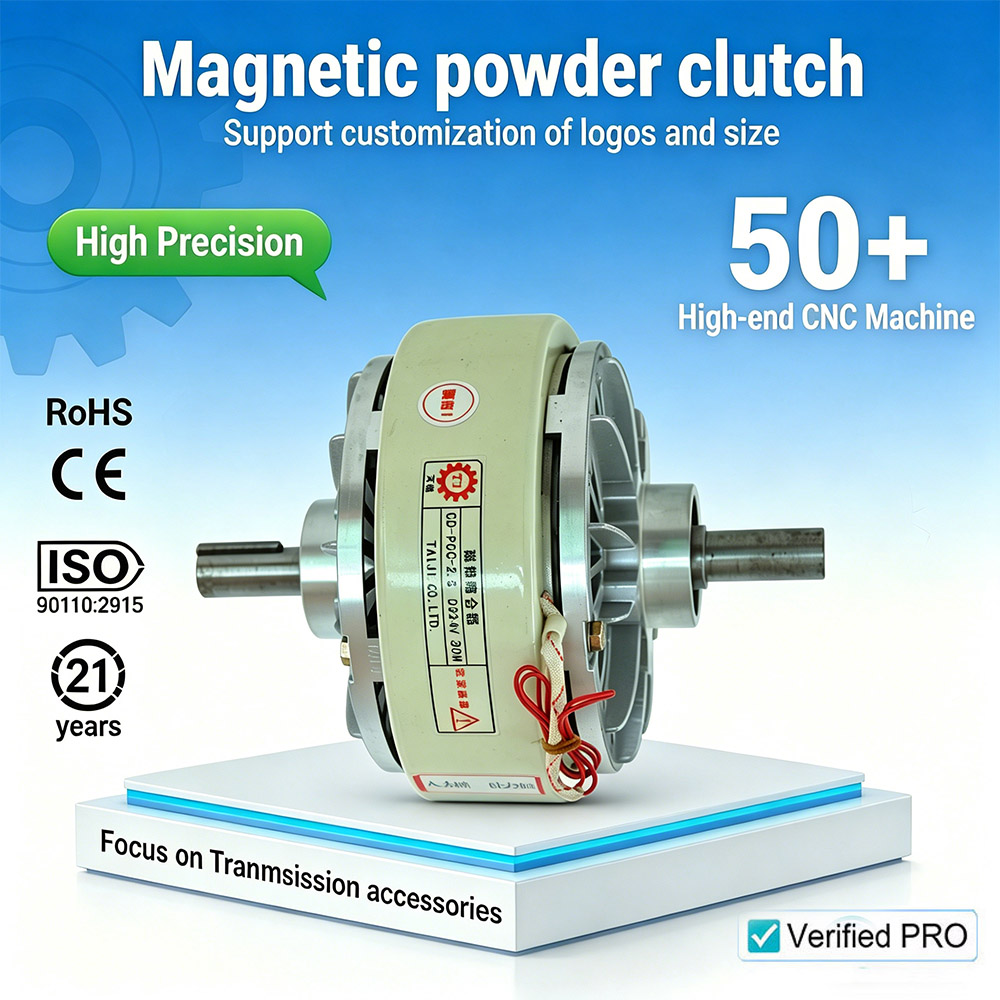
A clutch magnetic represents an innovative electromagnetic power transmission device that enables smooth engagement and disengagement of mechanical components without physical contact. This sophisticated technology utilizes electromagnetic fields to control torque transfer between rotating shafts, offering precise control over power delivery in various industrial and commercial applications. The clutch magnetic operates through the principle of electromagnetic induction, where an electrical current generates a magnetic field that creates coupling force between input and output components. When electricity flows through the coil assembly, it produces magnetic flux that magnetizes the rotor assembly, creating a strong attraction force that transmits torque from the driving shaft to the driven shaft. This electromagnetic coupling mechanism provides several distinct advantages over traditional mechanical clutches, including reduced wear, lower maintenance requirements, and enhanced operational precision. The clutch magnetic finds extensive use across multiple industries, from automotive manufacturing to industrial automation, printing machinery, packaging equipment, and material handling systems. Its main functions include providing stepless speed regulation, enabling soft starts for heavy loads, protecting equipment from overload conditions, and facilitating remote control operations. The technological features of a clutch magnetic encompass rapid response times, typically within milliseconds, allowing for precise control of engagement and disengagement cycles. These devices offer exceptional durability because they eliminate friction-based wear that plagues conventional clutches. The absence of mechanical contact during operation significantly extends service life while reducing maintenance intervals. Modern clutch magnetic systems incorporate advanced control electronics that enable integration with programmable logic controllers and automated systems, making them ideal for contemporary smart manufacturing environments. The versatility of clutch magnetic technology allows manufacturers to customize specifications according to specific application requirements, including torque capacity, operating voltage, response speed, and environmental protection ratings. These adaptable characteristics make clutch magnetic solutions suitable for applications ranging from light-duty precision equipment to heavy industrial machinery requiring substantial torque transmission capabilities.

Popular Products

The clutch magnetic delivers substantial practical benefits that directly impact operational efficiency and cost-effectiveness for businesses across various sectors. One primary advantage involves the elimination of mechanical wear components, which translates to significantly reduced maintenance costs and extended equipment lifespan. Traditional friction-based clutches require regular replacement of wear plates, pressure plates, and friction discs, whereas a clutch magnetic operates without physical contact between components, effectively eliminating these recurring expenses. This contactless operation also means businesses experience less downtime for maintenance activities, keeping production lines running smoothly and maximizing productivity. Another compelling benefit is the precise control capability that clutch magnetic technology provides. Operators can adjust engagement smoothly and gradually, preventing sudden jolts or shock loads that could damage connected machinery or materials being processed. This smooth power transmission proves especially valuable when handling delicate materials or operating precision equipment where sudden movements could compromise product quality. The clutch magnetic responds instantly to control signals, enabling rapid start-stop cycles without the hesitation or delay associated with mechanical systems. This responsiveness enhances overall system performance and allows for more sophisticated automation sequences. Energy efficiency represents another significant advantage, as the clutch magnetic only consumes electrical power during engagement and disengagement transitions. Once fully engaged, the magnetic coupling maintains torque transfer with minimal energy input, reducing operational costs compared to systems that require continuous power consumption. The ability to implement soft-start functionality protects motors and connected equipment from excessive inrush currents and mechanical stress during startup, extending the service life of expensive components throughout the entire system. Safety benefits also merit consideration, as the clutch magnetic can be configured with overload protection that automatically disengages when torque exceeds predetermined limits, preventing equipment damage and potential workplace accidents. Remote operation capability allows personnel to control equipment from safe distances, particularly valuable in hazardous environments or applications involving extreme temperatures. The clutch magnetic generates minimal heat during operation compared to friction clutches, reducing cooling requirements and improving overall system efficiency. Installation simplicity provides additional value, as these devices typically mount easily into existing systems without requiring extensive modifications. The compact design of modern clutch magnetic units saves valuable space in crowded machinery installations while delivering impressive torque capacity relative to their physical dimensions. Quiet operation eliminates the noise pollution associated with mechanical engagement systems, creating more pleasant working environments and meeting increasingly stringent workplace noise regulations. The versatility of clutch magnetic systems allows single equipment platforms to serve multiple applications simply by adjusting control parameters, providing flexibility that helps businesses adapt to changing production requirements without substantial capital investments.

Tips And Tricks

Transmission Pain Points in Printing/Textile/Chemical Machinery: How Electromagnetic Clutches Improve Equipment Stability?

08

Dec

Transmission Pain Points in Printing/Textile/Chemical Machinery: How Electromagnetic Clutches Improve Equipment Stability?

Struggling with transmission instability in printing, textile, or chemical machinery? TJ-A electromagnetic clutches eliminate slip, boost throughput 15–20%, and ensure asbestos-free safety. Discover how top global manufacturers achieve 99.8% reliability—request a spec sheet today.
View More
High-Quality Web Guide Control Systems From a Leading Domestic Manufacturer With 20 Years of Expertise

08

Dec

High-Quality Web Guide Control Systems From a Leading Domestic Manufacturer With 20 Years of Expertise

Discover high-precision web guide control systems from a trusted domestic manufacturer with 20 years of R&D expertise. Reduce waste, boost efficiency, and ensure reliability. Request a quote today.
View More
The Pain of Non-Standard Transmission in Special Working Conditions

09

Apr

The Pain of Non-Standard Transmission in Special Working Conditions

Struggling with standard transmission failures in extreme temps, dust, or tight spaces? TianJi’s 20-year R&D delivers reliable custom clutches & brakes—engineered for your exact specs. Get a free technical consultation today.
View More

Get Your Custom Quote

Tell us your requirements and get a tailored solution for your project.
Name
Mobile
Email
Please include
Message
0/1000

clutch magnetic

Instant Response and Precision Control for Enhanced Production Efficiency

Instant Response and Precision Control for Enhanced Production Efficiency

The clutch magnetic delivers exceptional precision through its instantaneous response capability, fundamentally transforming how manufacturers approach production control and equipment operation. This remarkable feature stems from the electromagnetic operating principle, where electrical signals translate directly into mechanical action without the delays inherent in mechanical linkages. When control systems send engagement commands, the clutch magnetic responds within milliseconds, creating immediate magnetic coupling that transfers torque between components with remarkable accuracy. This rapid response enables manufacturers to implement sophisticated production sequences that demand precise timing and coordination between multiple machine elements. In packaging operations, for example, the clutch magnetic synchronizes material feeding, cutting, and folding actions with exceptional accuracy, ensuring consistent product quality even at high production speeds. The precision control extends beyond simple on-off functionality, as variable voltage input allows operators to modulate engagement force progressively, creating smooth acceleration curves that protect sensitive materials and reduce mechanical stress on connected components. This graduated engagement proves invaluable in applications involving fragile products, where sudden movements could cause damage or quality defects. The clutch magnetic enables operators to fine-tune performance parameters to match specific material characteristics or production requirements, optimizing output quality while maintaining high throughput rates. Manufacturing environments benefit tremendously from this controllability, as it facilitates seamless integration with modern automation systems and programmable controllers. The clutch magnetic accepts standard control signals, making it compatible with existing factory control infrastructure without requiring specialized interfaces or complex programming. This integration capability allows manufacturers to implement advanced production strategies, including adaptive control algorithms that automatically adjust engagement parameters based on real-time feedback from sensors monitoring product quality, material properties, or equipment performance. The precision inherent in clutch magnetic operation also reduces waste by minimizing positioning errors and ensuring consistent product dimensions throughout production runs. In printing applications, this precision ensures accurate registration between multiple color passes, eliminating misprints and reducing material waste. The ability to execute rapid, repeatable engagement cycles without degradation over time maintains production consistency that would be impossible with wear-prone mechanical systems. The clutch magnetic maintains its precise response characteristics throughout its service life because electromagnetic properties remain stable, unlike friction materials that change performance as they wear.
Maintenance-Free Operation Reducing Total Ownership Costs

Maintenance-Free Operation Reducing Total Ownership Costs

The clutch magnetic revolutionizes equipment maintenance paradigms by virtually eliminating routine service requirements that plague conventional mechanical power transmission systems. This maintenance-free characteristic stems from the fundamental operating principle, where electromagnetic forces create coupling without any physical contact between rotating components. Traditional clutches rely on friction materials that progressively wear during each engagement cycle, necessitating periodic inspection, adjustment, and eventual replacement of consumable components. These maintenance activities incur direct costs for replacement parts and labor, plus indirect costs from production interruptions and equipment downtime. The clutch magnetic eliminates these concerns entirely, as the absence of wearing components means operators can expect years of continuous service without intervention. This reliability advantage proves particularly valuable in remote or difficult-to-access installations where service calls involve significant logistical challenges and expenses. Mining operations, offshore platforms, and automated warehouses exemplify environments where maintenance-free operation delivers substantial value by reducing service frequency and associated costs. The sealed construction typical of quality clutch magnetic units protects internal components from environmental contamination, further enhancing reliability in harsh industrial settings. Unlike mechanical clutches that suffer performance degradation from dust, moisture, or chemical exposure affecting friction surfaces, the clutch magnetic maintains consistent performance because its electromagnetic operation remains unaffected by external contaminants. This environmental resilience expands application possibilities into industries where traditional clutches fail prematurely, including food processing facilities requiring frequent washdowns, chemical plants with corrosive atmospheres, and outdoor equipment exposed to weather extremes. The longevity of clutch magnetic systems directly impacts total cost of ownership calculations, as the initial investment amortizes over extended service periods without the recurring expenses associated with mechanical alternatives. Financial analyses consistently demonstrate superior return on investment for clutch magnetic installations when evaluating lifecycle costs rather than simply comparing initial purchase prices. Beyond direct cost savings, the maintenance-free nature of clutch magnetic systems reduces inventory requirements, as facilities no longer need to stock replacement friction discs, pressure plates, or other consumable components. This inventory reduction frees working capital and eliminates the risk of production stoppages due to unavailable spare parts. The predictable performance of clutch magnetic technology also simplifies maintenance planning, as operators can schedule inspections based on actual operating hours rather than responding to unpredictable wear patterns. The elimination of maintenance-related production interruptions enhances overall equipment effectiveness metrics, allowing manufacturers to achieve higher capacity utilization from existing assets without capital expenditures for additional machinery.
Overload Protection Safeguarding Expensive Equipment Investment

Overload Protection Safeguarding Expensive Equipment Investment

The clutch magnetic incorporates intelligent overload protection capabilities that serve as an invaluable safeguard for expensive machinery and connected equipment, preventing catastrophic failures that could result in extensive damage and costly production interruptions. This protective function operates through precise monitoring of torque transmission, where control systems continuously evaluate the magnetic coupling force required to maintain power transfer under current load conditions. When operating conditions cause torque demands to exceed predetermined safe thresholds, the clutch magnetic can automatically reduce coupling strength or completely disengage, interrupting power flow before excessive forces damage vulnerable components. This automatic protection responds far more quickly than human operators could react, preventing damage that occurs in fractions of a second when equipment encounters jam conditions, material blockages, or other abnormal situations. Manufacturing environments commonly experience unexpected load conditions, such as when foreign objects enter processing machinery, material characteristics vary outside normal parameters, or mechanical components bind due to misalignment or lubrication failures. The clutch magnetic acts as a mechanical fuse in these situations, sacrificing power transmission to preserve the integrity of motors, gearboxes, and process equipment that represent substantial capital investments. This protection extends equipment service life significantly by preventing the cumulative damage from repeated overload events that gradually weaken mechanical components even when individual incidents do not cause immediate failure. The adjustable nature of overload protection thresholds allows engineers to calibrate protection levels precisely for specific applications, balancing equipment protection against the need to handle normal load variations inherent in production processes. In heavy industrial applications, such as steel processing or mining equipment, the clutch magnetic protects multi-million dollar machinery from damage caused by material jams or equipment malfunctions, with protection response times measured in milliseconds preventing damage propagation. The financial implications of this protection capability extend beyond avoiding repair costs, as unplanned equipment failures typically cause extensive production downtime while replacement parts are sourced and repairs completed. The clutch magnetic minimizes these business interruptions by preventing failures rather than simply detecting them after damage occurs. Safety considerations also factor prominently, as equipment failures can create hazardous conditions for personnel working nearby, with flying debris, sudden equipment movements, or release of stored energy presenting injury risks. The protective disengagement of a clutch magnetic contains these hazards by interrupting power transmission before forces reach dangerous levels. This safety enhancement helps facilities maintain compliance with occupational safety regulations while protecting their most valuable assets, their employees. The diagnostic capabilities of modern clutch magnetic systems provide additional value by recording overload events and operating parameters, giving maintenance teams insights into equipment performance trends and potential developing problems before they cause failures.
email goToTop