Pneumatic Air Shaft Solutions: Advanced Technology for Efficient Material Handling and Roll Processing

All Categories

pneumatic air shaft

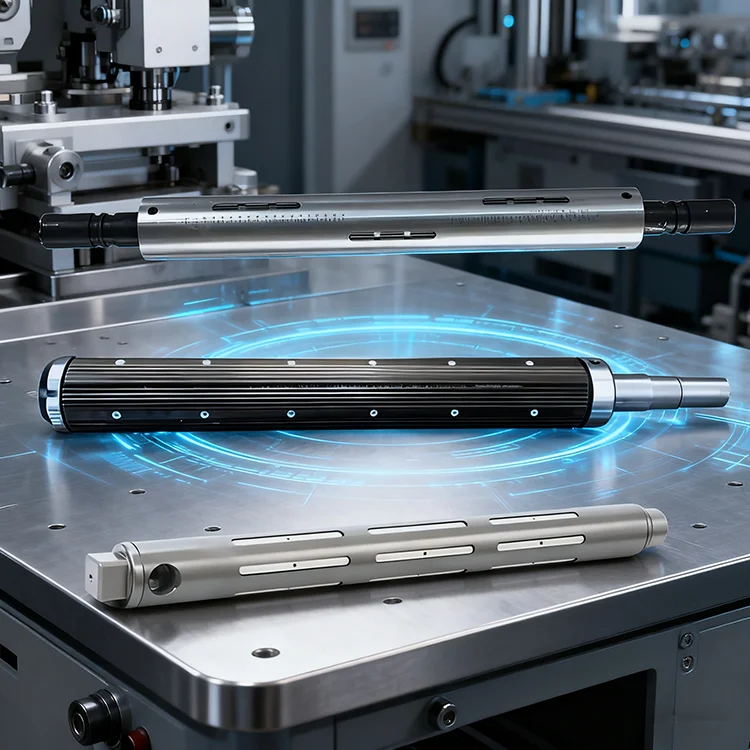
A pneumatic air shaft represents an essential component in modern industrial operations, particularly within converting, printing, packaging, and textile manufacturing sectors. This sophisticated device functions as an expanding shaft mechanism that utilizes compressed air pressure to secure and release rolls of material quickly and efficiently. The pneumatic air shaft operates through an internal bladder system that inflates when air pressure is applied, causing the shaft to expand radially outward and grip the inner diameter of cores or rolls. When the air pressure is released, the shaft contracts, allowing for swift removal of finished rolls and rapid changeover to new materials. The technological design of a pneumatic air shaft incorporates high-grade aluminum construction or steel materials, ensuring durability while maintaining optimal weight characteristics. The shaft features precision-machined surfaces that guarantee uniform expansion across its entire length, preventing slippage during high-speed operations. Advanced sealing technologies prevent air leakage, maintaining consistent gripping force throughout production cycles. The pneumatic air shaft finds extensive applications across numerous industries, including flexible packaging production, label manufacturing, film extrusion, paper converting, nonwoven fabric processing, and foil lamination operations. Manufacturing facilities rely on this equipment for winding and unwinding operations involving materials such as plastic films, paper products, adhesive tapes, textiles, aluminum foils, and composite materials. The versatility of the pneumatic air shaft makes it indispensable for operations requiring frequent roll changes, as it significantly reduces downtime compared to traditional keyed or manual expansion shafts. Modern pneumatic air shaft systems integrate seamlessly with automated production lines, supporting Industry 4.0 initiatives through compatibility with smart manufacturing protocols and real-time monitoring capabilities that optimize production efficiency and material handling processes.

New Product Recommendations

The pneumatic air shaft delivers substantial operational benefits that directly impact production efficiency and cost-effectiveness for manufacturing facilities. First and foremost, this equipment dramatically reduces changeover time between production runs, allowing operators to load and unload rolls in mere seconds rather than the minutes required by conventional shaft systems. This time savings translates directly into increased production capacity, enabling facilities to process more orders within the same operational timeframe and improve overall equipment effectiveness ratios. The uniform expansion characteristic of a quality pneumatic air shaft ensures even pressure distribution across the entire core surface, eliminating the risk of core crushing or deformation that can occur with mechanical expansion systems. This gentle yet secure gripping action protects expensive materials from damage while maintaining precise tension control throughout winding and unwinding processes. Operators appreciate the ease of use associated with pneumatic air shaft technology, as loading requires no special tools or complex procedures. A simple connection to an air supply activates the expansion mechanism, making the system accessible to workers across all skill levels and reducing training requirements. The maintenance demands of a pneumatic air shaft remain minimal compared to mechanical alternatives, as the system contains fewer moving parts subject to wear and tear. Regular inspection of seals and periodic cleaning constitute the primary maintenance activities, resulting in lower long-term ownership costs and reduced spare parts inventory requirements. Safety improvements represent another significant advantage, as the pneumatic air shaft eliminates the need for hammering, prying, or applying excessive force during roll mounting and removal operations. This reduction in physical strain decreases workplace injury risks and creates a more comfortable working environment for production staff. The consistent performance of a pneumatic air shaft across varying production speeds ensures optimal material handling regardless of line speed fluctuations, supporting quality control objectives by preventing web breaks, wrinkles, or tension variations that compromise product specifications. Energy efficiency also factors into the value proposition, as the compressed air consumption remains modest while delivering powerful gripping force. Facilities with existing compressed air infrastructure can integrate pneumatic air shaft technology without substantial additional utility investments. The adaptability of these systems accommodates various core sizes through interchangeable shaft configurations, providing operational flexibility that supports diverse product portfolios without requiring multiple specialized pieces of equipment. Return on investment typically occurs within months rather than years, as the combination of increased throughput, reduced scrap rates, lower labor costs, and decreased downtime creates compelling financial justification for upgrading from traditional shaft technologies to modern pneumatic air shaft solutions.

Practical Tips

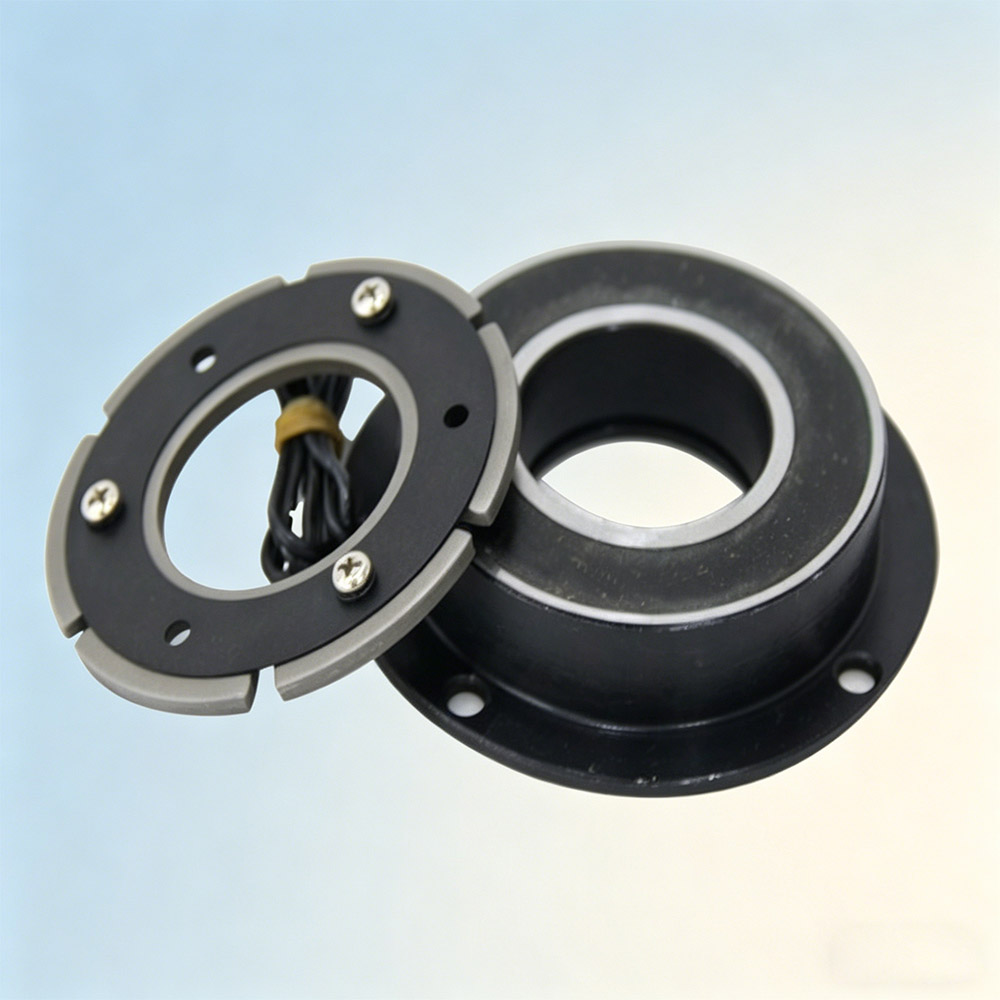
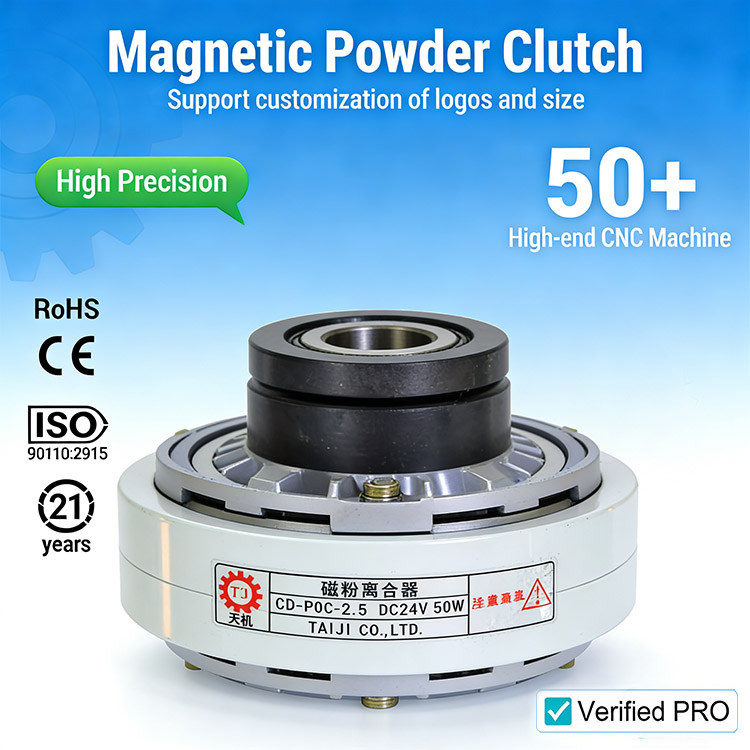
Transmission Pain Points in Printing/Textile/Chemical Machinery: How Electromagnetic Clutches Improve Equipment Stability?

08

Dec

Transmission Pain Points in Printing/Textile/Chemical Machinery: How Electromagnetic Clutches Improve Equipment Stability?

Struggling with transmission instability in printing, textile, or chemical machinery? TJ-A electromagnetic clutches eliminate slip, boost throughput 15–20%, and ensure asbestos-free safety. Discover how top global manufacturers achieve 99.8% reliability—request a spec sheet today.
View More
High-Quality Web Guide Control Systems From a Leading Domestic Manufacturer With 20 Years of Expertise

08

Dec

High-Quality Web Guide Control Systems From a Leading Domestic Manufacturer With 20 Years of Expertise

Discover high-precision web guide control systems from a trusted domestic manufacturer with 20 years of R&D expertise. Reduce waste, boost efficiency, and ensure reliability. Request a quote today.
View More
The Pain of Non-Standard Transmission in Special Working Conditions

09

Apr

The Pain of Non-Standard Transmission in Special Working Conditions

Struggling with standard transmission failures in extreme temps, dust, or tight spaces? TianJi’s 20-year R&D delivers reliable custom clutches & brakes—engineered for your exact specs. Get a free technical consultation today.
View More

Get Your Custom Quote

Tell us your requirements and get a tailored solution for your project.
Name
Mobile
Email
Please include
Message
0/1000

pneumatic air shaft

Rapid Roll Loading and Unloading Capability

Rapid Roll Loading and Unloading Capability

The exceptional speed advantage of a pneumatic air shaft fundamentally transforms material handling workflows in production environments. Traditional shaft systems require operators to manually slide cores onto keyed shafts, align keyways precisely, and often struggle with cores that fit too tightly or loosely on the mounting surface. This cumbersome process consumes valuable production time and creates bottlenecks during changeovers between different materials or order specifications. In contrast, a pneumatic air shaft revolutionizes this procedure through its innovative expansion mechanism that operates in seconds. Operators simply slide the core onto the deflated shaft with minimal resistance, position it accurately, and activate the air supply. The internal bladder inflates instantly, causing the shaft surface to expand uniformly and create a firm, secure grip on the core's inner diameter. This transformation from loose fit to locked position occurs so rapidly that production interruptions become almost negligible. When the roll is complete or requires removal, releasing the air pressure deflates the shaft immediately, allowing the core to slide off effortlessly without requiring any tools or physical force. This bidirectional speed advantage proves particularly valuable in environments processing short production runs or frequent product variations, where changeover efficiency directly correlates with profitability. Manufacturing facilities implementing pneumatic air shaft technology report changeover time reductions exceeding seventy percent compared to previous systems, translating into substantial productivity gains across daily operations. The ergonomic benefits complement the speed advantages, as workers no longer endure the physical strain of wrestling with stubborn cores or risk injuries from using hammers and pry bars on stuck materials. The pneumatic air shaft creates a safer, faster, and more efficient material handling process that enhances both worker satisfaction and operational performance metrics while supporting lean manufacturing principles through waste elimination and continuous flow optimization.
Precision Tension Control and Material Protection

Precision Tension Control and Material Protection

The engineering excellence embodied in a quality pneumatic air shaft delivers unmatched precision in tension control applications critical to producing defect-free finished products. Material processing operations demand consistent, uniform tension throughout winding and unwinding cycles to prevent defects such as wrinkles, telescoping, starring, or edge damage that render products unsaleable. A pneumatic air shaft achieves this precision through its fundamental design characteristic of uniform radial expansion across the entire shaft length. When compressed air inflates the internal bladder, the expansion occurs simultaneously and equally at every point along the shaft, creating consistent gripping pressure that eliminates the localized stress concentrations common in mechanical expansion systems. This uniform grip prevents slippage between the core and shaft, ensuring that rotational forces transfer smoothly without sudden catches or releases that cause tension spikes. The smooth, machined surface of a pneumatic air shaft further enhances this performance by eliminating rough spots or imperfections that could damage core interiors or create friction variations. Manufacturing operations processing delicate materials such as thin plastic films, specialty papers, or expensive technical textiles particularly benefit from this gentle yet secure holding capability. The pneumatic air shaft protects core integrity by distributing holding forces across a broader surface area compared to point-contact mechanical systems, preventing core crushing that leads to material waste and production delays. Advanced pneumatic air shaft designs incorporate pressure regulation capabilities that allow operators to adjust gripping force according to core wall thickness and material characteristics, providing customization that optimizes performance across diverse applications. This adaptability proves essential when processing materials with varying core specifications within the same production facility. The vibration dampening properties inherent in pneumatic air shaft construction also contribute to superior tension control by absorbing minor irregularities and preventing them from propagating through the material web. High-speed operations especially benefit from this stability, as maintaining precise tension becomes increasingly challenging as line speeds increase. Quality control improvements resulting from pneumatic air shaft implementation reduce scrap rates, minimize customer complaints, and strengthen brand reputation through consistent delivery of specification-compliant products.
Durability and Low Maintenance Requirements

Durability and Low Maintenance Requirements

Investing in a pneumatic air shaft delivers exceptional long-term value through robust construction and minimal maintenance demands that reduce total cost of ownership over the equipment lifecycle. Manufacturing environments subject material handling equipment to demanding conditions including continuous operation, exposure to various temperatures, contact with processing chemicals, and the physical stresses of repeated expansion and contraction cycles. A properly engineered pneumatic air shaft withstands these challenges through careful material selection and precision manufacturing processes that create resilient, dependable components. High-grade aluminum alloys provide the optimal balance of strength and weight, allowing the shaft to maintain structural integrity under operational loads while minimizing the rotational inertia that would otherwise strain drive systems and consume excess energy. Critical wear surfaces receive specialized treatments such as hard anodizing that enhance abrasion resistance and extend service life even in abrasive environments processing materials like certain papers or textiles. The internal bladder component, constructed from industrial-grade elastomers specifically formulated for compressed air applications, resists degradation from repeated inflation cycles and maintains sealing effectiveness across thousands of operations. Quality pneumatic air shaft manufacturers subject their products to rigorous testing protocols that simulate years of operational conditions, ensuring reliability before equipment reaches customer facilities. The simplicity of pneumatic air shaft design contributes significantly to its maintenance advantages, as the system contains no complex mechanical linkages, gears, or adjustment mechanisms requiring periodic calibration or replacement. Routine maintenance consists primarily of visual inspection for surface damage, verification of air seal integrity, and occasional cleaning to remove accumulated dust or processing residue. These straightforward procedures require no specialized skills or expensive diagnostic equipment, allowing existing maintenance personnel to handle upkeep activities without extensive additional training. Replacement parts, when eventually needed, typically include only seals and bladders rather than intricate mechanical assemblies, keeping spare parts costs reasonable and inventory management simple. The corrosion resistance of aluminum construction and protective surface treatments ensures that a pneumatic air shaft maintains its appearance and functionality even in humid or chemically active environments where steel components would deteriorate rapidly. This durability extends equipment service life, delays capital replacement expenditures, and provides consistent performance characteristics that support quality control objectives throughout the operational period. Facilities incorporating pneumatic air shaft technology into their material handling systems report reliability levels exceeding ninety-eight percent, with unplanned downtime becoming rare exceptions rather than recurring frustrations that disrupt production schedules and compromise customer commitments.
email goToTop