Cost-Effective Solution with Minimal Maintenance Requirements
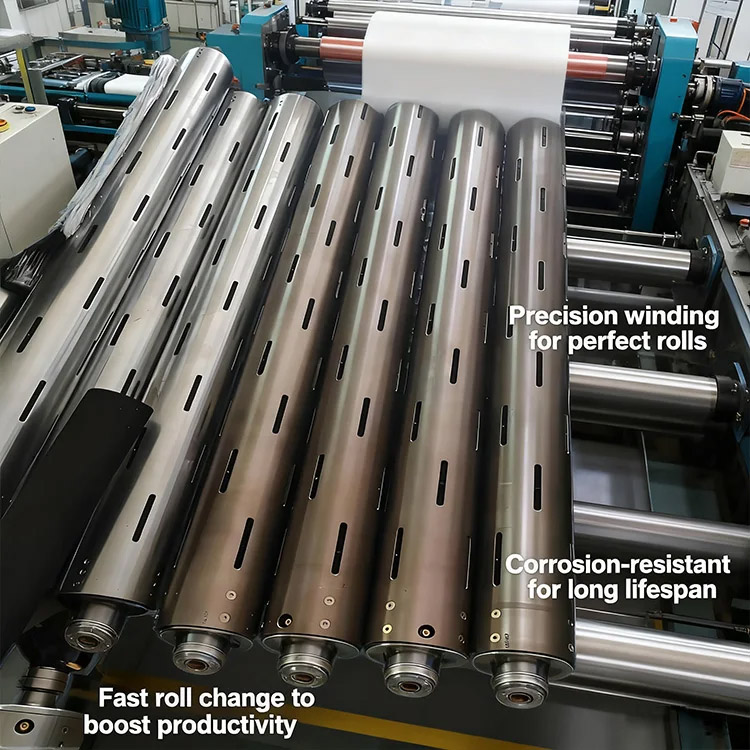
Implementing the mechanical expandable shaft delivers exceptional long-term value through a compelling combination of affordable initial investment, negligible operating expenses, and remarkably low maintenance demands that protect your budget while ensuring reliable performance. The straightforward mechanical design eliminates expensive components such as pneumatic control valves, pressure regulators, air preparation equipment, rotary unions, and associated plumbing infrastructure that pneumatic systems require, resulting in lower purchase prices and reduced installation costs that positively impact your project economics. Beyond initial acquisition savings, the mechanical expandable shaft operates without consuming compressed air, which represents a significant ongoing expense considering the energy-intensive nature of air compression and the substantial electrical costs associated with maintaining pneumatic supply pressure throughout production facilities. Your maintenance team will appreciate the minimal service requirements of the mechanical expandable shaft, which typically needs only periodic inspection and occasional lubrication rather than the complex preventive maintenance schedules demanded by pneumatic or hydraulic alternatives. The absence of seals, O-rings, and pneumatic passages eliminates common leak points that generate service calls, waste compressed air, and create potential safety hazards or contamination issues in production environments. The mechanical expandable shaft construction utilizes durable materials engineered for extended service life, with hardened steel components that resist wear even under continuous cycling and heavy loads that would quickly degrade lesser materials. This longevity translates to extended replacement intervals and reduced spare parts consumption, further enhancing the total cost of ownership advantages that make mechanical solutions financially attractive over multi-year planning horizons. Your facility benefits from simplified inventory management, as the mechanical expandable shaft requires fewer unique spare components compared to pneumatic systems with their specialized seals, bearings, and control elements that must be stocked to ensure rapid repair capability. The universal nature of mechanical components means that standard fasteners, keys, and basic mechanical elements can often serve multiple equipment types, reducing the proliferation of unique part numbers that complicate procurement and warehouse operations. The mechanical expandable shaft proves particularly cost-effective in facilities with limited or nonexistent compressed air infrastructure, where avoiding the capital expense of installing compressors, air treatment systems, and distribution piping represents substantial savings that improve project feasibility and return on investment calculations. Operational simplicity reduces training costs and minimizes the specialized knowledge required for troubleshooting, allowing general maintenance personnel to service the mechanical expandable shaft without extensive technical education or certification programs. The predictable performance characteristics of mechanical systems facilitate production planning and quality management, as you avoid the process variations and unexpected grip failures that can occur with pneumatic shafts experiencing supply pressure instabilities or component degradation.

 EN
EN