דרישות תחזוקה מינימליות ותוחלת חיים מבצעית ממושכת
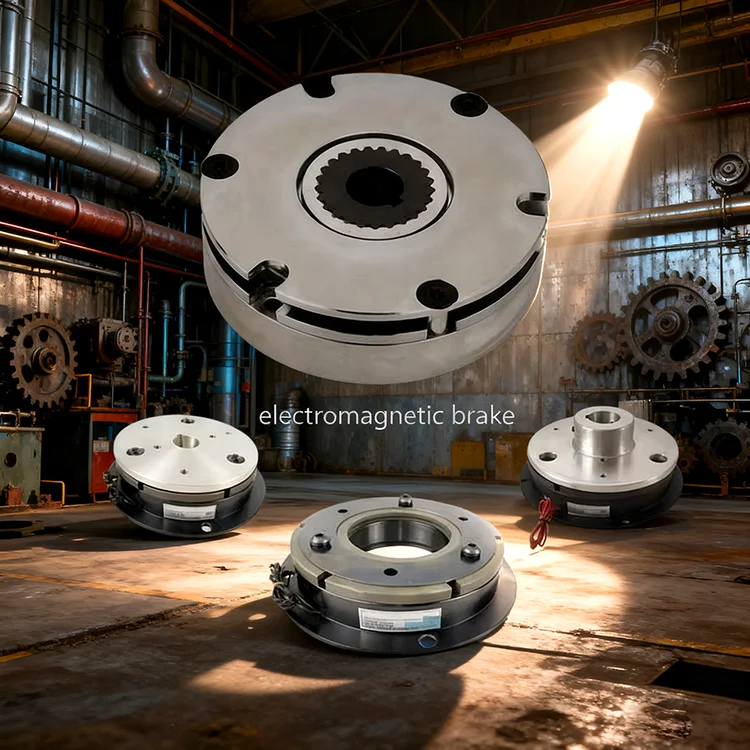
הבלם המניע את החשמל מופרש בזכות דרישות תחזוקה נמוכות באופן ייחודי, מה שמתורגם ישירות להפחתת עלויות הפעלה ומקסימיזציה של זמינות הציוד. יתרון זה נובע מהפשטות הבסיסית של העיצוב המכני והאלקטרוני שלו, אשר כולל פחות חלקים נעים בהשוואה למערכות בלמים הידראוליות עם משאבות, שסתומים ומיכלי נוזלים, או מערכות פנאומטיות הדורשות מדחסים, קווי אוויר ורגולטורים ללחץ. הרכיבים העיקריים הדורשים בדיקה מחזורית הם כוסיות החיכוך, אשר נשחקות בהדרגה במהלך הפעולה הרגילה, ובקרה אקראית של מנגנון הקפיץ והסליל האלקטרומגנטי. חומרים מודרניים לחיכוך המיועדים ליישומי בלמים מניעי חשמל מתאפיינים בתערובות מרוכבות מתקדמות שמתנגדות לשחיקה, שומרות על מקדמי חיכוך עקביים בתחומי טמפרטורות רחבים, ומזערות את יצירת האבק. חומרים אלו מספקים בדרך כלל מאות אלפי מחזורי בלימה לפני שהחלפה הופכת לנחוצה, ואילו יישומים תעשייתיים מסוימים מגיעים ליותר ממיליון מחזורים. כאשר החלפה של כוסיות החיכוך הופכת לנחוצה, התהליך פשוט וניתן לבצעו על ידי צוות התחזוקה באמצעות כלים ידניים סטנדרטיים, ללא צורך להסיר את הבלם מהציוד. נגישות זו ממזערת את זמן העצירה ומבטלת את הצורך בטכנאים מיוחדים או בחוזי שירות יקרים. הסליל האלקטרומגנטי, המוקף בחומרים מגנים שמשמרים אותו מפני לחות, אבק ופגיעות מכניות, פועל באופן אמין במשך שנים ללא התערבות. בניגוד למערכות הידראוליות שסובלות מהתדרדרות איטמים, זיהום נוזלים ודליפות, או למערכות פנאומטיות שפגיעות לאגירת לחות ותקלות בקווי האוויר, הבלם המניע את החשמל שומר על ביצועים עקביים ללא החלפת נוזלים או החלפת איטמים. מנגנון הקפיץ, המיוצר מאליאז'י פלדה מדרגה גבוהה עם טיפול حراري מדויק, מתנגד לעייפות ומשמר את מאפייני הכוח לאורך חיי הבלם. בדיקות חזותיות מחזוריות מאשרות את מצב הקפיץ, אך החלפת הקפיץ עצמה נדירה מאוד, למעט יישומים עם מחזור עבודה קיצוני. משטחי השעווה, אם קיימים, הם לעיתים קרובות אטומים ומרוסנים מראש, מה שמונע את הצורך בשימון שגרתי שמציק למערכות מכניות קונבנציונליות. פשטות התחזוקה הזו הופכת לערך מיוחד ביישומים שבהם גישה לציוד מוגבלת, כגון התקנות בגובה, סביבות חדרים נקיים או אזורי סיכון, שבהם מינימיזציה של התערבותות תחזוקה מפחיתה את חשיפת הסיכונים. מנהלי המתקנים מעריכים כיצד דרישות התחזוקה הנמוכות משחררות את הצוות הטכני להתמקד בפעילויות שמוסיפות ערך במקום בביצוע תחזוקה שגרתית. דפוסי השחיקה הלא-קבועים של רכיבי הבלם המניע את החשמל מאפשרים אסטרטגיות תחזוקה מבוססות מצב, שבהן ההחלפות מתבצעות בהתאם לשחיקה אמיתית ולא לפי פרקי זמן שרירותיים, מה שמייעל את מלאי החלפים ואת הקצאת העבודה.

 EN
EN