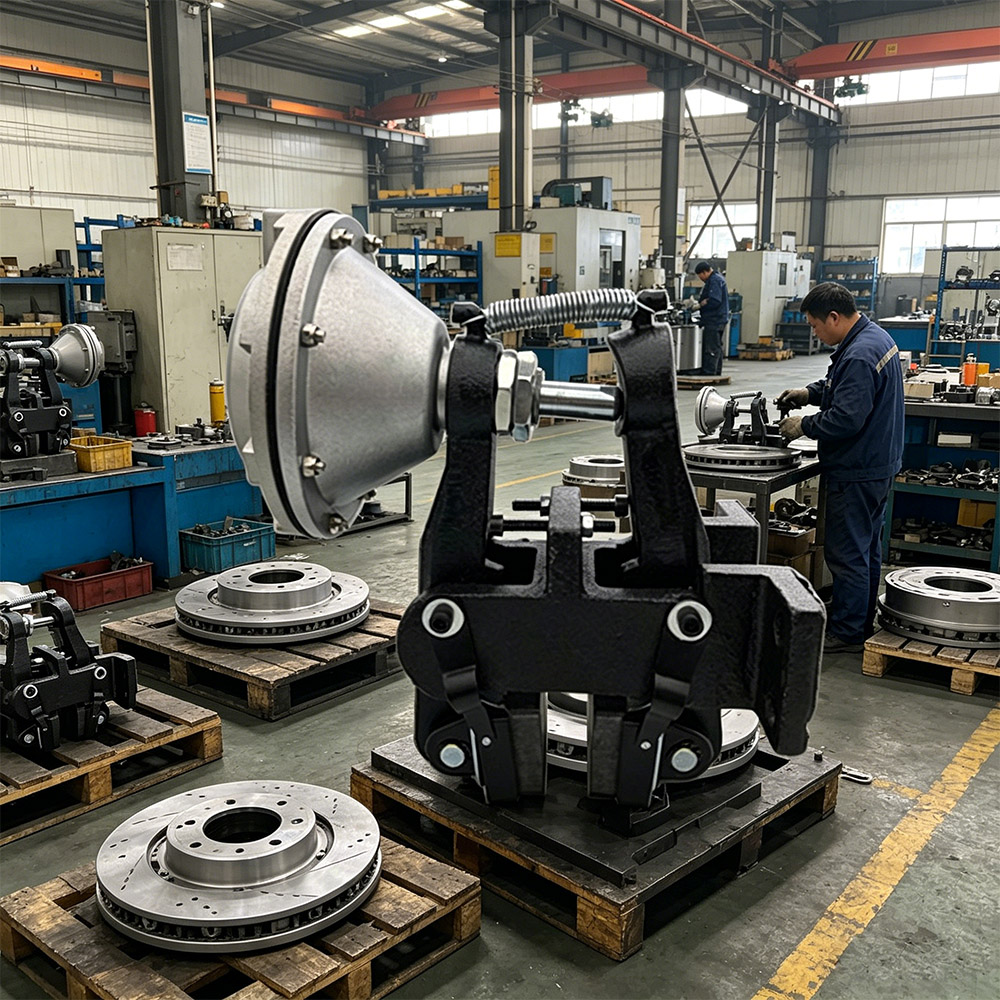
Control precís i resposta ràpida per a un rendiment òptim del procés
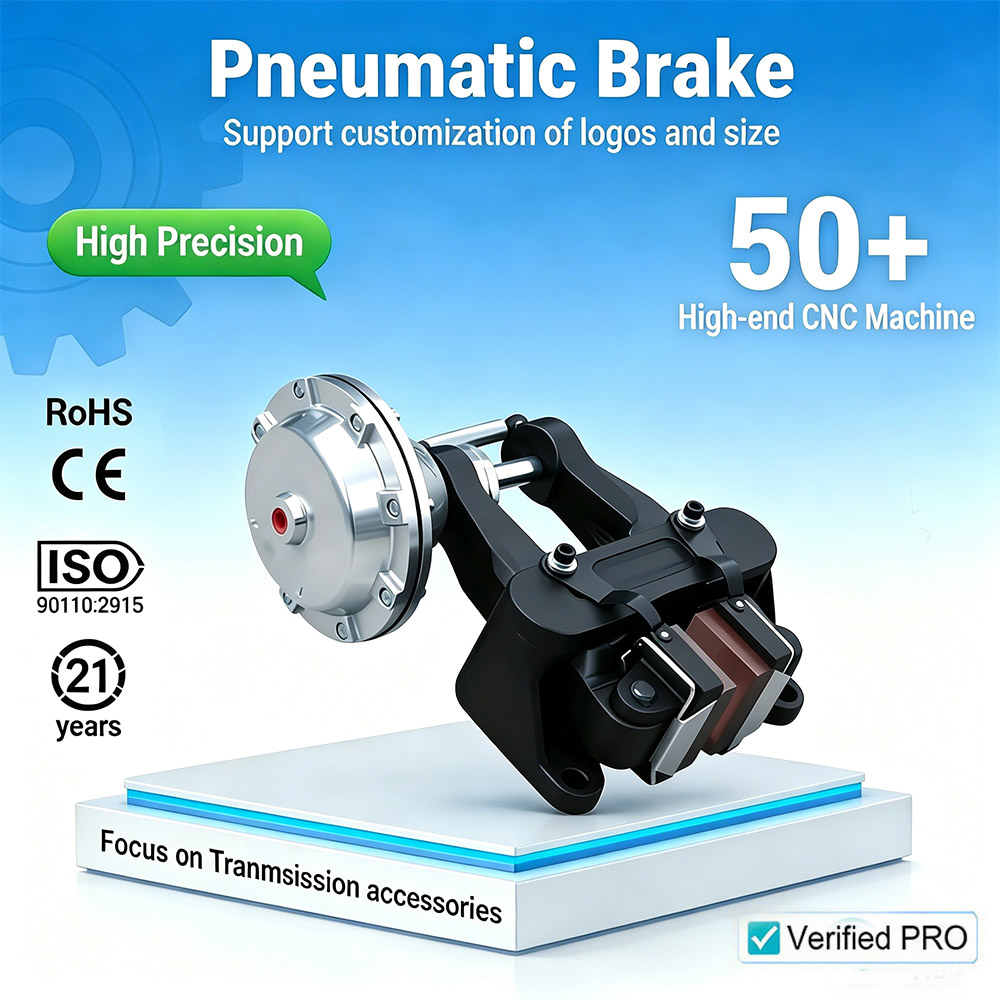
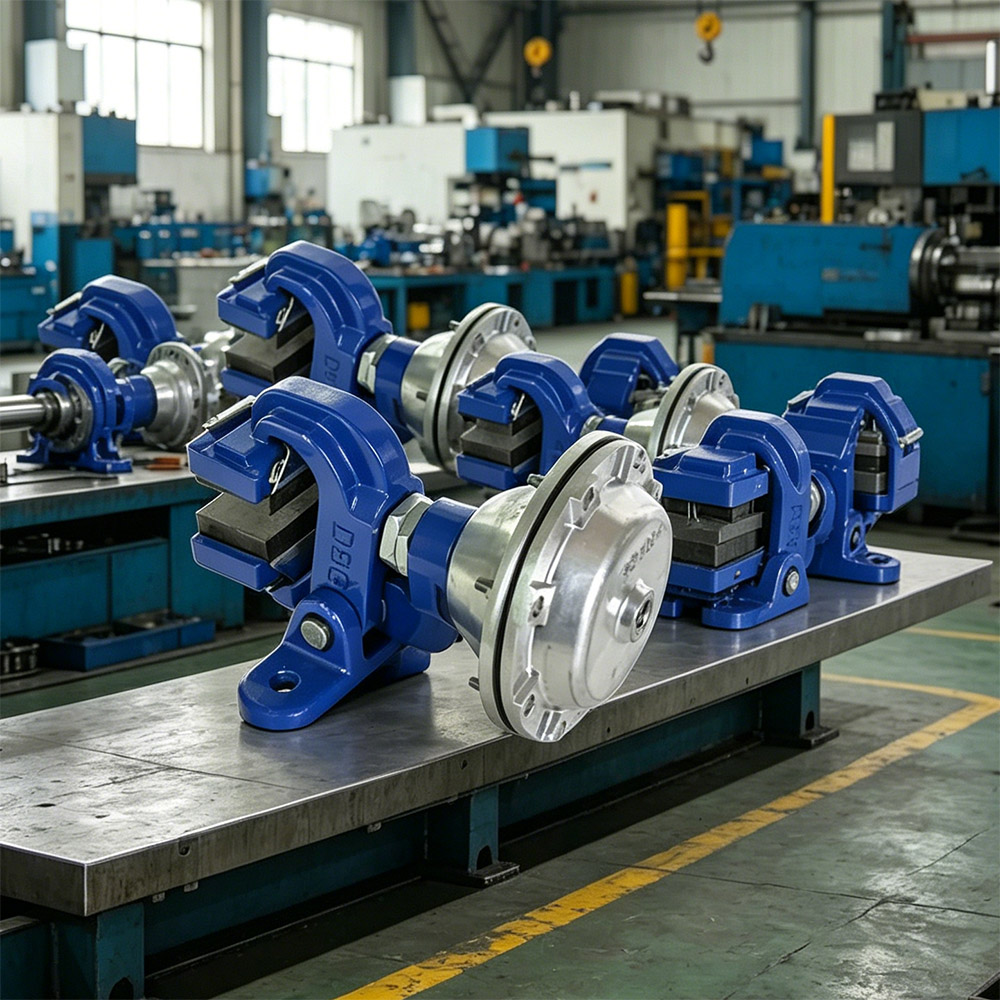
Les capacitats de control precís i les característiques de resposta ràpida del fre pneumàtic d'eix permeten que els processos de fabricació assolixin nivells d'exactitud, repetibilitat i productivitat que afecten directament la qualitat del producte i l'eficiència operativa. La naturalesa instantània de l'accionament pneumàtic permet que aquests freds passin de l'estat totalment alliberat a l'estat totalment enganxat en mil·lisegons, responent als senyals de control o a condicions d'emergència més ràpidament del que un operari humà pot percebre. Aquesta resposta ràpida és essencial en entorns de producció a alta velocitat, on el material es desplaça a centenars de peus per minut i les distàncies d'aturada han de minimitzar-se per evitar desperdici, mantenir l'exactitud de registre o protegir l'equipament posterior davant embussos. En aplicacions d'impremta, el fre pneumàtic d'eix permet un control precís de la tensió de la banda continuant (web) en proporcionar resistència immediata quan l'acceleració del material amenaça de generar joc o tensió excessiva, cosa que provocaria defectes d'impressió. El fre pot modular la força d'enganxament variant la pressió d'aire, creant una resistència controlada que manté una tensió òptima durant tots els cicles d'acceleració i desacceleració, sense les oscil·lacions o el comportament inestable habituals en sistemes de resposta més lenta. Les operacions de transformació se'n beneficien de manera similar, ja que el fre pneumàtic d'eix manté una posició precisa durant processos com el tall amb motlle, la laminació o el talls, on errors de registre mesurats en mil·lèsimes de polzada determinen si els productes compleixen les especificacions o es descarten. La repetibilitat de l'enganxament del fre pneumàtic d'eix assegura posicions d'aturada consistents al llarg de milers de cicles, eliminant les variacions que s'acumulen i provoquen problemes significatius de qualitat en execucions de producció prolongades. Els sistemes de fabricació automatitzats aprofiten aquesta repetibilitat per sincronitzar diversos processos, sabent que els eixos s'aturaran de forma fiable a les posicions programades, cosa que permet coordinar-los amb operacions robòtiques de recollida i col·locació, seqüències de soldadura o passos d'assemblatge. La capacitat de controlar la força de frenada mitjançant la regulació de la pressió permet als operaris optimitzar les taxes de desacceleració segons els materials i les velocitats diferents: aplicant una frenada suau per a bandes fràgils que podrien trencar-se sota forces d'aturada sobtades, o una frenada agressiva per a materials pesats i situacions d'alta inèrcia, on calen aturades ràpides. Aquesta ajustabilitat amplia la versatilitat de l'equipament, permetent que una única màquina processi carteres de productes diverses sense necessitar canvis en l'hardware del fre entre execucions. Les característiques d'enganxament suau dels freds pneumàtics d'eix correctament dissenyats eviten sacsejades o vibracions que podrien danyar maquinària de precisió, superfícies de rodaments i engranatges, contribuint a una major vida útil mecànica de tot el sistema accionat. En aplicacions de posicionament, el parell de retenció subministrat pels freds pneumàtics d'eix en estat enganxat manté l'exactitud davant forces externes com les vibracions, l'expansió tèrmica o lleugeres variacions de pressió, que podrien provocar derivacions en mecanismes de retenció menys robustos. El fre bloqueja efectivament l'eix en posició amb magnituds de força ajustables per adaptar-se a requisits concrets, des d'una retenció lleu per a posicionaments delicats fins al parell màxim per a fixar càrregues pesades en pendents. La integració amb sistemes de control moderns es duu a terme de forma perfecta, ja que els freds pneumàtics d'eix responen a senyals senzilles d'obertura/tancament de vàlvules o a ordres proporcionals de pressió que els controladors industrials generen fàcilment, sense necessitar coneixements especialitzats en control de moviment ni programació complexa per implementar estratègies de frenada eficients que millorin el rendiment global del procés i la qualitat del producte.

 EN
EN